Yoga vs Pilates: Finding Your Perfect Fit

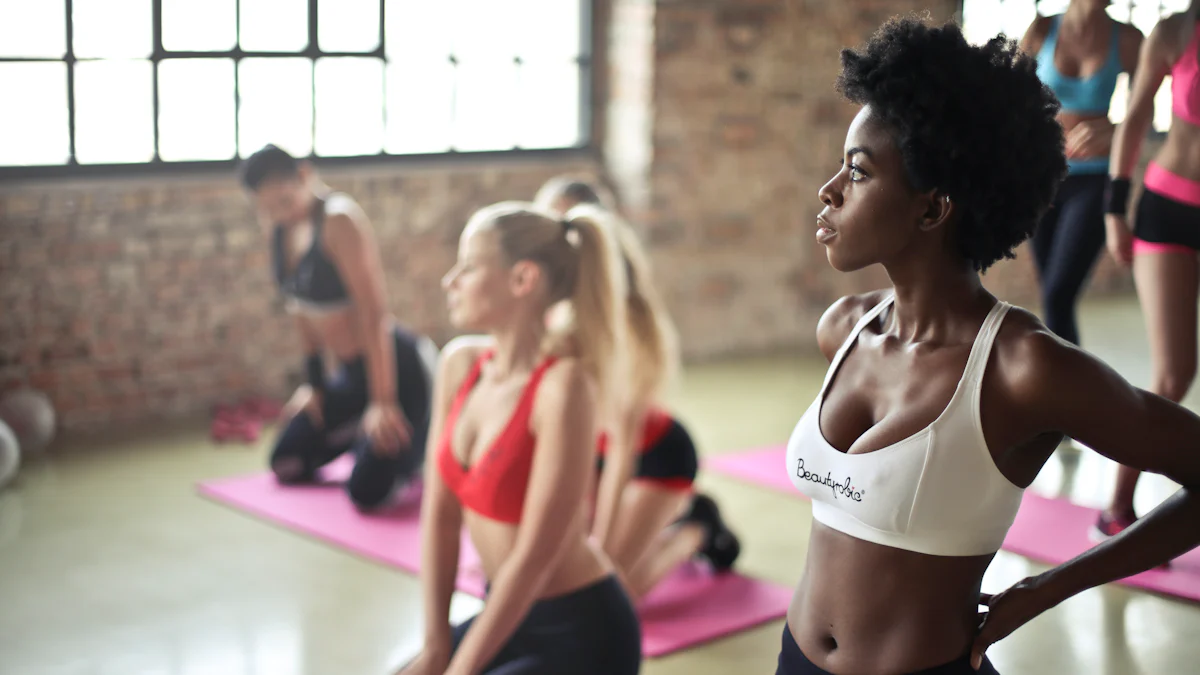
Yoga and Pilates have taken the world by storm, becoming go-to practices for millions seeking physical and mental well-being. In the U.S. alone, yoga saw a surge from 28.75 million practitioners in 2018 to over 34.4 million by 2021. This growth highlights the increasing appeal of these disciplines. But with such popularity, how do you decide which practice suits your needs best? Choosing between yoga dan pilates depends on your personal goals and lifestyle. Whether you're looking to enhance flexibility or build core strength, understanding your unique requirements is key to finding your perfect fit.
Understanding Yoga and Pilates
Definition and Historical Background
What is Yoga?
Yoga is an ancient practice that originated in India over 5,000 years ago. It combines physical postures, breathing techniques, and meditation to promote overall well-being. The word "yoga" means union, symbolizing the connection between mind, body, and spirit. You might find yoga appealing if you're looking for a holistic approach to fitness that also nurtures your mental health. Over the centuries, yoga has evolved into various styles, such as Hatha, Vinyasa, and Ashtanga, each offering unique benefits and challenges.
What is Pilates?
Pilates, on the other hand, is a more recent development. Joseph Pilates created it in the early 20th century. This exercise method focuses on strengthening the core muscles, improving posture, and enhancing flexibility. Unlike yoga, Pilates emphasizes precise movements and controlled breathing. If you're interested in building core strength and improving your physical conditioning, Pilates might be the perfect fit for you. Pilates has also adapted over time, incorporating equipment like reformers and resistance bands to intensify workouts.
Origins and Evolution
Historical Roots of Yoga
Yoga's journey began in ancient India, where it was initially a spiritual practice aimed at achieving self-discovery and liberation. By the late 19th century, yoga started gaining prominence in the West. It became widely popular in Western societies by the 1980s, evolving into a mainstream fitness activity. Today, yoga dan pilates studios emphasize not only physical health but also mental and emotional wellness, promoting stress reduction and mindfulness.
Development of Pilates
Pilates emerged in the early 1900s, thanks to Joseph Pilates, who developed it as a form of rehabilitation and physical conditioning. Initially, it gained traction among dancers and athletes for its ability to enhance strength and flexibility without adding bulk. Over the past two decades, Pilates has become increasingly popular among the general public. Its focus on core strength and body control makes it a favorite for those seeking a balanced workout routine.
Both yoga and Pilates have evolved to cater to different fitness levels and goals. Whether you're drawn to the spiritual aspects of yoga or the physical precision of Pilates, understanding their origins and evolution can help you make an informed choice.
Core Differences Between Yoga and Pilates

When deciding between yoga and Pilates, understanding their core differences can help you make an informed choice. Both practices offer unique benefits, but they cater to different needs and preferences.
Philosophical and Practice Differences
Mind-body connection in Yoga
Yoga emphasizes a deep connection between the mind and body. It encourages you to focus on your breath and be present in the moment. This practice often involves holding poses for extended periods, which enhances endurance and flexibility. Yoga's meditative nature helps you cultivate mindfulness and relaxation, making it an excellent choice if you're seeking stress relief and mental clarity. The spiritual aspect of yoga also aims to integrate the mind, body, and spirit, offering a holistic approach to well-being.
Focus on core strength in Pilates
Pilates, on the other hand, centers around building core strength and improving postural alignment. It involves controlled movements with precise execution, focusing on muscle toning and body control. Pilates classes typically consist of shorter bursts of focused exercises, emphasizing dynamic movements that require balance, stability, and mobility. If you're looking to enhance your physical conditioning and strengthen your core, Pilates might be the perfect fit for you. This practice also incorporates principles like centering, concentration, and precision, contributing to an increased awareness of movement.
Equipment and Environment
Yoga mats and props
In yoga, you primarily use a mat and may incorporate props like blocks, straps, and bolsters to support your practice. These tools help you achieve proper alignment and deepen your stretches. Yoga can be practiced almost anywhere, from studios to the comfort of your home, making it a versatile option for many.
Pilates machines and tools
Pilates often requires specialized equipment, such as reformers, resistance bands, and stability balls. These machines and tools add resistance and intensity to your workouts, enhancing muscle toning and core strength. While mat-based Pilates classes are available, the use of equipment is a distinctive feature of this practice. Pilates studios provide a structured environment where you can focus on precise movements and controlled breathing.
By understanding these core differences, you can better determine which practice aligns with your personal goals and lifestyle. Whether you prefer the meditative flow of yoga or the strength-building focus of Pilates, both offer valuable paths to improved health and well-being.
Benefits of Yoga and Pilates

Exploring the benefits of yoga and Pilates can help you decide which practice aligns with your goals. Both offer unique advantages that cater to different aspects of physical and mental well-being.
Physical Benefits
Flexibility and Balance in Yoga
Yoga shines when it comes to enhancing flexibility and balance. By practicing various poses, you stretch and strengthen muscles, improving your range of motion. This increased flexibility can help prevent injuries and improve your overall physical performance. Yoga also emphasizes balance, which is crucial for maintaining stability and coordination. As you progress, you'll notice improvements in your posture and alignment, contributing to a more graceful and confident presence.
Core Strength and Posture in Pilates
Pilates focuses on building core strength, which is essential for maintaining good posture and preventing back pain. The exercises target the deep muscles of your abdomen, back, and pelvis, creating a strong foundation for your body. With regular practice, you'll develop better postural alignment and increased muscle tone. This not only enhances your physical appearance but also supports your spine and reduces the risk of injury. Pilates can be particularly beneficial if you're looking to improve your overall strength and stability.
Mental and Emotional Benefits
Stress Reduction Through Yoga
Yoga offers a sanctuary from the hustle and bustle of daily life. Its emphasis on mindfulness and breath control helps you relax and unwind. By focusing on the present moment, you can reduce stress and anxiety, promoting a sense of calm and tranquility. Studies suggest that yoga can also improve sleep quality, allowing you to wake up refreshed and rejuvenated. If you're seeking a practice that nurtures your mental and emotional health, yoga might be the perfect fit.
Mindfulness and Concentration in Pilates
Pilates encourages mindfulness and concentration through its precise movements and controlled breathing. As you engage in each exercise, you become more aware of your body's alignment and movement patterns. This heightened awareness can improve your focus and concentration, both on and off the mat. Pilates also fosters a sense of discipline and commitment, helping you develop a stronger mind-body connection. By incorporating Pilates into your routine, you can enhance your mental clarity and overall well-being.
Incorporating yoga dan pilates into your lifestyle can provide a comprehensive approach to health and wellness. Whether you prioritize flexibility, core strength, stress reduction, or mindfulness, both practices offer valuable benefits that can enrich your life.
Comparing Yoga and Pilates for Specific Goals
When it comes to achieving specific fitness goals, both yoga and Pilates offer unique benefits. Let's dive into how each practice can help you meet your objectives.
Cardiovascular Health
Yoga's Impact on Heart Health
Yoga isn't just about flexibility and balance; it also plays a significant role in promoting heart health. By engaging in various poses and breathing exercises, you can improve circulation and reduce stress, which are crucial for maintaining a healthy heart. The meditative aspect of yoga helps lower blood pressure and decrease heart rate, contributing to overall cardiovascular wellness. If you're looking to enhance your heart health, incorporating yoga into your routine might be a wise choice.
Pilates for Cardiovascular Fitness
While Pilates primarily focuses on core strength and muscle toning, it also offers cardiovascular benefits. The dynamic movements and controlled breathing in Pilates can elevate your heart rate, providing a moderate cardiovascular workout. This makes Pilates an excellent option if you're seeking to improve your cardiovascular fitness without the high impact of traditional cardio exercises. By regularly practicing Pilates, you can enhance your endurance and stamina, supporting a healthier heart.
Weight Loss and Body Toning
Yoga for Weight Management
Yoga can be a valuable tool for weight management. Through consistent practice, you can increase your metabolism and build lean muscle mass, which aids in burning calories. The mindfulness aspect of yoga encourages you to make healthier lifestyle choices, such as mindful eating and stress reduction, both of which contribute to weight loss. If you're aiming to manage your weight effectively, yoga offers a holistic approach that addresses both physical and mental aspects.
Pilates for Body Sculpting
Pilates excels in body sculpting by targeting specific muscle groups and enhancing muscle tone. The exercises focus on precision and control, helping you achieve a leaner and more defined physique. Pilates also improves posture and alignment, which can enhance your overall appearance. If your goal is to sculpt your body and improve muscle definition, Pilates provides a structured and effective workout regimen.
Addressing Specific Health Conditions
Yoga for Chronic Pain Relief
Yoga has gained recognition for its ability to alleviate chronic pain. By practicing gentle stretches and poses, you can increase flexibility and reduce tension in muscles and joints. Yoga's emphasis on mindfulness and relaxation techniques also helps manage pain by reducing stress and promoting a sense of calm. If you suffer from chronic pain, yoga can offer relief and improve your quality of life.
Pilates for Rehabilitation and Injury Prevention
Pilates is renowned for its rehabilitative benefits. The low-impact exercises focus on strengthening muscles and improving neuromuscular patterns, which can aid in injury prevention and recovery. Pilates helps balance the body by mobilizing rigid areas and lengthening tight muscles, enabling quicker reactions and reducing the risk of injury. If you're recovering from an injury or looking to prevent one, Pilates provides a safe and effective approach to rehabilitation.
Incorporating yoga dan pilates into your fitness routine can help you achieve a wide range of health goals. Whether you're focused on cardiovascular health, weight management, or addressing specific health conditions, both practices offer valuable benefits that can enhance your overall well-being.
Making the Right Choice
Choosing between yoga dan pilates can feel overwhelming, but focusing on your personal goals and preferences can make the decision easier. Let's explore how you can make the right choice for your fitness journey.
Personal Goals and Preferences
Assessing Your Fitness Objectives
Start by identifying what you want to achieve. Are you looking to improve flexibility, build core strength, or enhance your mental well-being? Yoga offers a holistic approach, focusing on flexibility and mindfulness. Pilates emphasizes core strength and precise movements. Knowing your objectives helps you align with the practice that best suits your needs.
Considering Lifestyle and Time Commitment
Your lifestyle plays a crucial role in choosing between yoga dan pilates. Consider how much time you can dedicate to practice. Yoga classes often vary in length, from quick 20-minute sessions to longer 90-minute practices. Pilates sessions might require more time if you use equipment like reformers. Think about your schedule and choose a practice that fits seamlessly into your life.
Trying Both Practices
Benefits of Combining Yoga and Pilates
Why not try both? Each practice offers unique benefits that complement each other. Yoga enhances flexibility and balance, while Pilates builds core strength and stability. By combining them, you can enjoy a well-rounded fitness routine. Joseph Pilates once noted that both practices improve flexibility, strength, balance, and mind-body awareness. Experimenting with both can help you discover what works best for you.
Finding a Balanced Routine
Creating a balanced routine involves mixing yoga and Pilates sessions throughout the week. You might start with yoga to relax and stretch, then switch to Pilates for a more intense core workout. This combination keeps your routine fresh and engaging. Listen to your body and adjust your schedule as needed. Finding the right balance ensures you reap the benefits of both practices.
Ultimately, the choice between yoga dan pilates depends on your personal goals and lifestyle. Whether you choose one or both, these practices offer valuable paths to improved health and well-being. Embrace the journey and enjoy the process of finding your perfect fit.
Yoga and Pilates each offer unique benefits, catering to different fitness goals. Yoga enhances flexibility and mindfulness, while Pilates focuses on core strength and posture. Both practices improve physical and mental health, offering stress relief and body awareness.
Unknown: "Yoga and Pilates are complementary workouts, and they both offer mind and body benefits."
Explore both to find your perfect fit. Combining them can enrich your fitness journey, providing a balanced approach to wellness. Whether you seek inner peace or physical strength, these practices can transform your health and well-being.
See Also
Selecting the Perfect Virtual Yoga Class for Your Needs
Best 10 Bikram Yoga Poses for Increased Flexibility
Starting Your Home Yoga Adventure

Hi my name is Lia and i am your host in this yoga journey in Portugal, Subscribe to our newsletter to receive every week the best of Yoga in Portugal.

We bring back the importance of initiation into womanhood by Roos-Veerle Krijnen & Ella-June Henrard
Welcome to the Women’s Initiation Retreat by Naked Truth Retreats, a transformative journey into the depths of your True Feminine Nature. This retreat invites you to remember the sacredness and wholeness of your being.
Roos-Veerle Krijnen & Ella-June Henrard