Yoga vs Gym: Weighing the Benefits and Drawbacks


Yoga and gym workouts have become incredibly popular in recent years. You might notice that yoga studios and gyms are popping up everywhere. In fact, approximately 36 million Americans practice yoga regularly, and the number keeps growing. Meanwhile, gyms continue to attract fitness enthusiasts who seek strength and endurance training. Choosing the right fitness routine is crucial for your health and well-being. Whether you lean towards the calming effects of yoga or the intense workouts at the gym, understanding what suits your lifestyle and goals can make all the difference. So, let's explore the world of xxx gym yoga and find what works best for you.
Physical Benefits
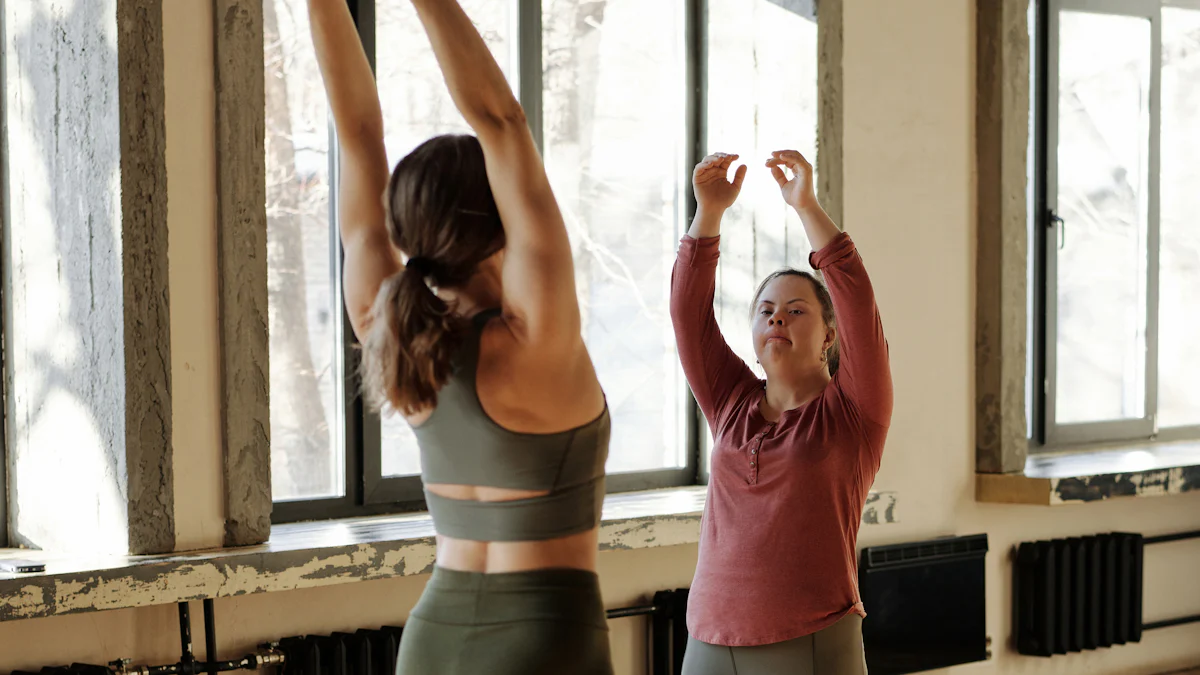
When it comes to physical benefits, both yoga and gym workouts offer unique advantages. Let's dive into how each can contribute to your fitness journey.
Weight Loss
Yoga for Weight Loss
Yoga might not burn as many calories as a high-intensity gym session, but it offers a holistic approach to weight loss. Through regular practice, yoga can help you manage stress, which often leads to emotional eating. By reducing stress, you may find it easier to maintain a healthy diet. Yoga also improves metabolism and increases muscle tone, which can support weight loss over time. Plus, the mindfulness aspect of yoga encourages you to listen to your body, helping you make healthier choices.
Gym for Weight Loss
If you're looking to shed pounds quickly, the gym might be your go-to option. Gym workouts, especially those involving cardio and strength training, can burn a significant number of calories. High-intensity interval training (HIIT) and circuit training are particularly effective for weight loss. These workouts not only torch calories but also boost your metabolism, helping you burn fat even after you've left the gym. With a consistent gym routine, you can achieve your weight loss goals efficiently.
Muscle Development
Yoga for Muscle Toning
Yoga is fantastic for muscle toning. It uses your body weight to build strength and improve flexibility. Poses like the plank, warrior, and downward dog engage multiple muscle groups, helping you develop lean muscle. Regular yoga practice enhances muscle endurance and balance, giving you a toned appearance. While yoga might not bulk you up like weightlifting, it provides a balanced approach to muscle development.
Gym for Muscle Building
For those aiming to build muscle mass, the gym offers a wide range of equipment and exercises. Weightlifting and resistance training are key components of muscle building. By progressively increasing the weights you lift, you can stimulate muscle growth and achieve a more defined physique. The gym environment also allows you to target specific muscle groups, providing a comprehensive approach to muscle development. With dedication and a structured workout plan, you can transform your body at the gym.
Mental Health Impacts
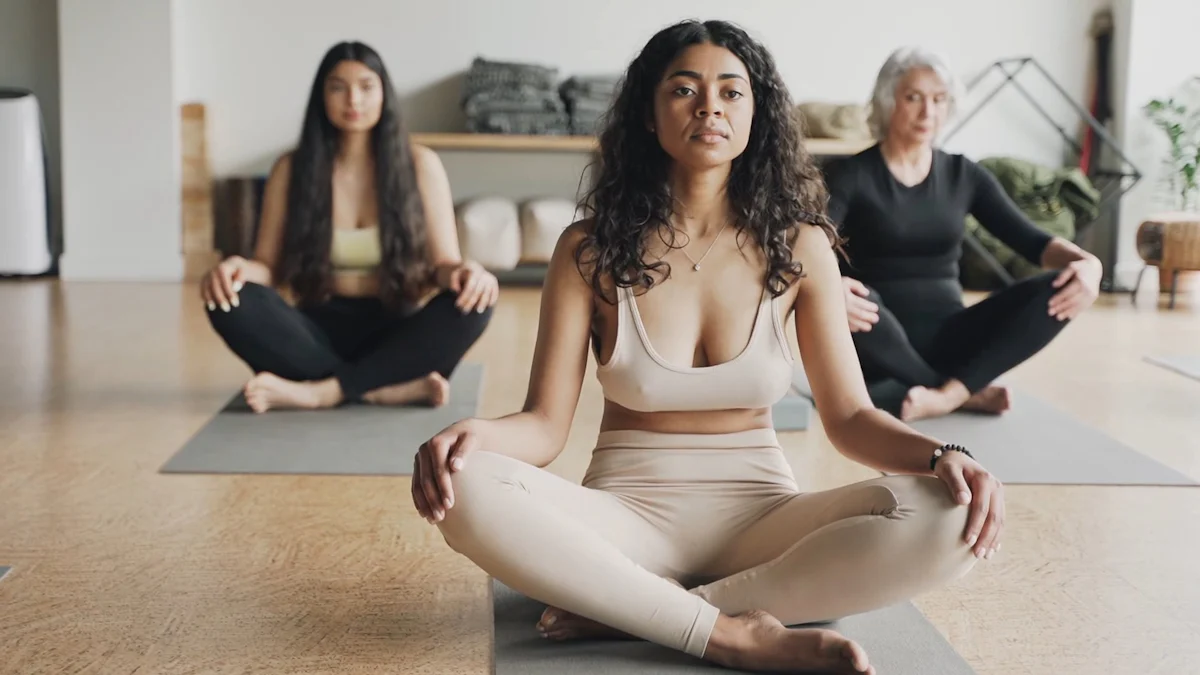
When it comes to mental health, both yoga and gym workouts offer unique benefits. Let's explore how each can contribute to your mental well-being.
Stress Reduction
Yoga and Mindfulness
Yoga is a powerful tool for stress reduction. Through a combination of physical poses, controlled breathing, and meditation, yoga helps regulate your stress response systems. This regulation enhances your mood and overall well-being. Regular practice can increase the production of endorphins, improve sleep, and elevate mood by enhancing self-awareness and providing a sense of calm and control. Many people find that yoga's mindfulness aspect allows them to focus on the present moment, reducing anxiety and promoting relaxation. As one expert in yoga and mental health notes:
"Yoga aids mental health by reducing stress, anxiety, and depression. It achieves this through a combination of physical poses, controlled breathing, and meditation which together help regulate the stress response systems."
Gym and Endorphin Release
On the other hand, gym workouts are known for their ability to release endorphins, often referred to as the body's natural mood elevators. When you engage in physical activities like running, cycling, or weightlifting, your body releases these chemicals, leading to a feeling of euphoria often called the "runner's high." This boost in endorphins can help reduce stress and improve your mood. The gym environment also provides a structured setting where you can focus on your fitness goals, offering a sense of accomplishment and satisfaction.
Mental Clarity
Yoga's Meditative Benefits
Yoga's meditative benefits extend beyond stress reduction. The practice encourages mental clarity by helping you clear your mind and focus on the present. Through meditation and mindful breathing, yoga enhances your concentration and cognitive function. This mental clarity can lead to better decision-making and improved problem-solving skills. Studies have shown that yoga can ease symptoms of depression and anxiety, making it a valuable tool for maintaining mental health.
Gym's Focused Workouts
Gym workouts also contribute to mental clarity. When you engage in focused exercises, you train your mind to concentrate on specific tasks. This focus can translate into other areas of your life, improving your ability to concentrate and stay on task. The discipline required for regular gym sessions can enhance your mental resilience, helping you tackle challenges with a clear and determined mindset. Whether you're lifting weights or running on a treadmill, the gym offers a space to clear your mind and focus on your personal growth.
Incorporating both yoga and gym workouts into your routine can provide a balanced approach to mental health. While yoga promotes relaxation and mindfulness, gym workouts offer an energetic boost and a sense of achievement. By understanding the mental health impacts of xxx gym yoga, you can choose the activities that best support your well-being.
Cost-Effectiveness
When deciding between yoga and the gym, cost-effectiveness plays a significant role. Let's break down the financial aspects and equipment needs for both options.
Financial Considerations
Cost of Yoga Classes
Yoga classes can vary in price depending on location and the type of class you choose. Many studios offer packages or memberships that can reduce the cost per session. You might also find free or donation-based classes in your community. Online platforms provide another affordable option, allowing you to practice yoga at home with minimal expense. While some classes might seem pricey, the holistic benefits of yoga, such as improved flexibility and mental well-being, can make it a worthwhile investment.
Cost of Gym Memberships
Gym memberships often come with a monthly fee, which can range from budget-friendly to quite expensive. Some gyms offer discounts for long-term commitments or off-peak hours. You might also find pay-as-you-go options if you prefer flexibility. While the initial cost might seem high, gyms provide access to a wide range of equipment and classes, which can enhance your fitness journey. Consider your fitness goals and how often you plan to visit when evaluating the cost of a gym membership.
Equipment and Gear
Yoga Equipment Needs
Yoga requires minimal equipment, making it a cost-effective choice. A good-quality yoga mat is essential for comfort and stability. You might also invest in blocks, straps, or bolsters to enhance your practice. These items are generally affordable and can last for years. Practicing yoga at home further reduces costs, as you won't need to pay for studio space or additional gear.
Gym Equipment Needs
The gym offers a variety of equipment, from weights to cardio machines. While you don't need to purchase these items yourself, having proper workout attire and shoes is important. Some people choose to invest in personal equipment for home workouts, which can add to the cost. However, the gym provides access to specialized machines and tools that can help you achieve specific fitness goals, such as muscle building or cardiovascular improvement.
Myths vs Facts
When it comes to fitness, myths often cloud our judgment. Let's clear up some common misconceptions about yoga and gym workouts.
Common Misconceptions
Yoga Myths
Yoga is only for flexibility: Many people think yoga is just about stretching. While it does improve flexibility, yoga also builds strength, balance, and mental clarity. It offers a full-body workout that engages various muscle groups.
Yoga isn't effective for weight loss: Some believe yoga can't help with weight loss. However, yoga can aid in weight management by reducing stress and promoting mindful eating. It may not burn calories like a high-intensity workout, but it supports a healthy lifestyle.
Yoga is too easy: People often assume yoga is not challenging. Yet, advanced poses require significant strength and endurance. Yoga can be as intense as you make it, offering a workout that matches your fitness level.
Gym Myths
You need to spend hours at the gym: A common myth is that long gym sessions are necessary for results. In reality, short, focused workouts can be highly effective. High-intensity interval training (HIIT) and circuit training maximize results in less time.
Lifting weights makes you bulky: Many fear weightlifting will lead to a bulky physique. However, building muscle depends on various factors, including diet and genetics. Weightlifting can tone muscles and enhance your overall appearance without excessive bulk.
Cardio is the only way to lose weight: While cardio burns calories, strength training boosts metabolism and builds muscle, aiding weight loss. A balanced approach combining both can yield the best results.
Clarifying Facts
Yoga Facts
Yoga complements other workouts: Yoga and gym workouts can work together harmoniously. As one fitness enthusiast noted, "Thanks for re-affirming the value of doing both weight lifting and yoga. I perform best at each when I practice both." Yoga aids recovery and enhances performance in other activities.
Yoga supports mental health: Beyond physical benefits, yoga promotes relaxation and mental clarity. It reduces stress and anxiety, offering a holistic approach to well-being.
Yoga is accessible to all: People of all ages and fitness levels can practice yoga. It adapts to individual needs, making it an inclusive form of exercise.
Gym Facts
Gym workouts build strength and endurance: The gym provides equipment and space for targeted muscle development. Weightlifting and resistance training enhance strength and endurance, contributing to a toned physique.
The gym environment motivates: Many find motivation in the structured setting of a gym. It offers a community of like-minded individuals and access to trainers who can guide your fitness journey.
Gyms offer variety: From cardio machines to weightlifting equipment, gyms provide diverse workout options. This variety helps prevent workout monotony and keeps you engaged.
Understanding the truths behind these myths helps you make informed decisions about your fitness routine. Whether you choose yoga, the gym, or a combination of both, knowing the facts empowers you to tailor your workouts to your goals. Embrace the benefits of xxx gym yoga and discover what works best for you.
Frequently Asked Questions
Choosing the Right Option
When deciding between yoga and the gym, you might wonder which option aligns best with your personal fitness goals and lifestyle. Let's break it down to help you make an informed choice.
Personal Fitness Goals
Your fitness goals play a crucial role in determining whether yoga or the gym suits you better. If you're aiming for general wellness, flexibility, or stress relief, yoga might be your go-to. In fact, a study found that 39% of people in the UK practice yoga for general wellness, while 19% do it for fitness, and 8.5% for flexibility. Yoga not only enhances physical health but also mentally motivates many to exercise more. About 63% of practitioners report this mental boost.
On the other hand, if building muscle, increasing strength, or losing weight quickly are your primary goals, the gym could be more effective. Gym workouts offer structured routines and equipment that target specific muscle groups and cardiovascular health. Consider what you want to achieve and choose the path that aligns with those objectives.
Lifestyle Considerations
Your lifestyle also influences your choice between yoga and the gym. Yoga offers flexibility in practice times and locations. You can attend classes at studios or practice at home using online resources. Many people prefer morning sessions, with 34% choosing this time, compared to 18% who opt for evenings. This flexibility makes yoga a convenient option for those with busy schedules.
The gym, however, provides a social environment and access to a variety of equipment. If you enjoy group classes or need the motivation of a community, the gym might be more appealing. Additionally, 75% of yoga practitioners engage in other exercises like running or cycling, showing that combining activities can enhance your fitness journey.
Ultimately, the choice between yoga and the gym depends on your personal preferences and lifestyle. Consider what fits best with your daily routine and what will keep you motivated. Whether you choose yoga, the gym, or a mix of both, the key is to find a routine that you enjoy and that supports your overall well-being.
In weighing the benefits and drawbacks of yoga and gym workouts, it's clear that both offer unique advantages. Yoga enhances flexibility, mental clarity, and stress reduction. The gym excels in muscle building and cardiovascular health. Your choice should align with your personal goals and lifestyle preferences.
"Good decision making is a trait of successful executives." Yoga can boost your decision-making skills and concentration.
Ultimately, whether you choose yoga, the gym, or a mix of both, focus on what makes you feel good and supports your well-being. Make an informed decision that aligns with your fitness journey.
See Also
Women's Yoga: Authentic Feedback and Reviews
Discovering 11 Special Yoga Types and Their Advantages
Commencing Yoga at Home: A Detailed Tutorial

Hi my name is Lia and i am your host in this yoga journey in Portugal, Subscribe to our newsletter to receive every week the best of Yoga in Portugal.

We bring back the importance of initiation into womanhood by Roos-Veerle Krijnen & Ella-June Henrard
Welcome to the Women’s Initiation Retreat by Naked Truth Retreats, a transformative journey into the depths of your True Feminine Nature. This retreat invites you to remember the sacredness and wholeness of your being.
Roos-Veerle Krijnen & Ella-June Henrard