Yoga and Breema: Exploring Key Differences

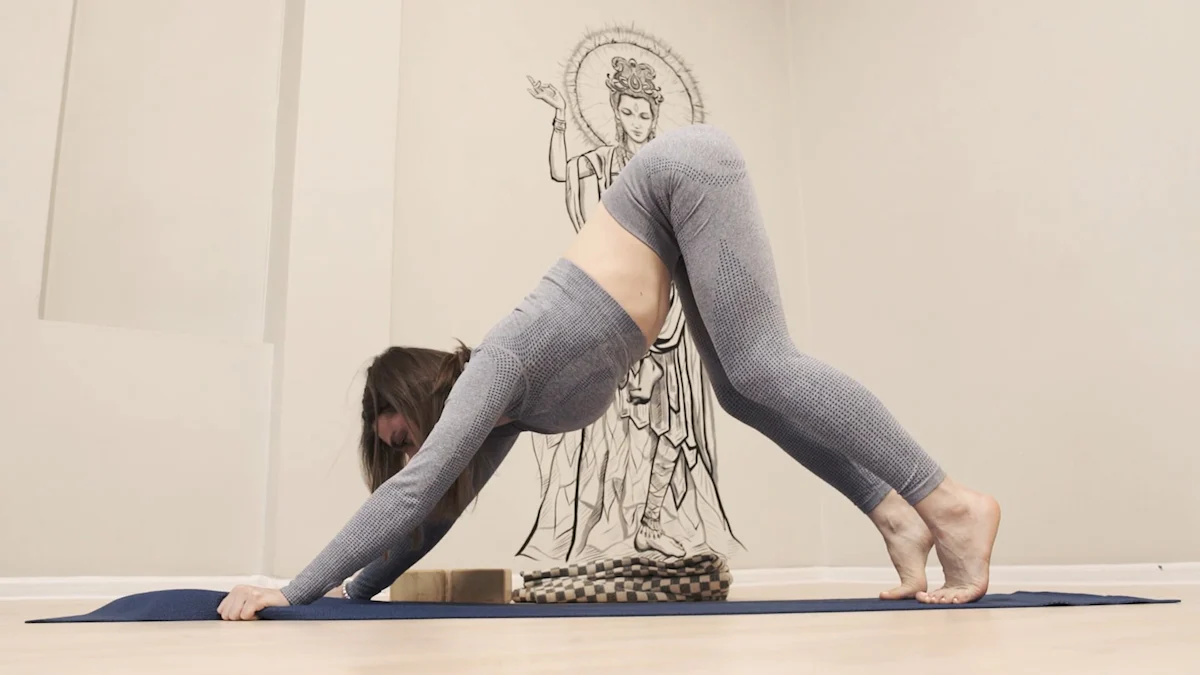
Yoga focuses on physical postures, breath control, and meditation. It's a practice that promotes posture-based physical fitness, stress relief, and relaxation. You might have noticed its worldwide presence, turning into a multi-billion-dollar industry. On the other hand, Breema combines elements of partner yoga and Thai massage. It emphasizes energy and spiritual work, attracting a devoted community since the 1980s. So, what's the deal with yoga vs breema? Let's dive into the key differences between these two intriguing practices.
Philosophical Foundations
Yoga Philosophy
Origins and Historical Context
Yoga's roots stretch back to ancient India, where it evolved from a blend of practices in the eastern Ganges basin. Around the fifth and sixth centuries BCE, systematic yoga concepts began to take shape within India's ascetic and Śramaṇa movements. These early traditions laid the groundwork for what would become a rich tapestry of yoga practices. The Yoga Sutras of Patanjali, a classical text on Hindu yoga, emerged in the early centuries of the Common Era, offering a foundational guide to yoga philosophy. Later, between the ninth and 11th centuries, Hatha yoga texts began to surface, originating in tantra. This evolution continued as yoga caught the attention of the Western world in the mid-19th century, thanks in part to figures like Swami Vivekananda, who introduced elements of yoga to Western audiences in the 1890s.
Core Principles and Beliefs
At its core, yoga is about uniting the mind, body, and spirit. It emphasizes self-discipline, mindfulness, and the pursuit of inner peace. The practice encourages you to explore your physical and mental boundaries through postures, breath control, and meditation. Yoga's principles often revolve around concepts like balance, harmony, and the interconnectedness of all life. By engaging in yoga, you embark on a journey of self-discovery and personal growth, seeking to align your actions with your inner values.
Breema Philosophy
Origins and Historical Context
Breema, a practice rooted in ancient wisdom, aims to elevate consciousness and bring harmony to all aspects of life. Although it may not have the extensive historical documentation of yoga, Breema draws from profound teachings that have been passed down through generations. This practice emerged as a unique form of bodywork, combining elements of partner yoga and Thai massage. Since the 1980s, Breema has attracted a devoted community, drawn to its emphasis on energy and spiritual work.
Core Principles and Beliefs
Breema's philosophy centers around the Nine Principles of Harmony, which guide practitioners in achieving balance and connection. These principles encourage you to nurture yourself and others, fostering a sense of unity and presence. Breema emphasizes the importance of being present in the moment, allowing you to experience a deeper connection between your mind and body. Through rhythmic movements and nurturing stretches, Breema promotes physical, mental, and emotional balance. By practicing Breema, you embark on a transformative journey of self-discovery, exploring the interconnectedness of your being and the world around you.
Practice Styles
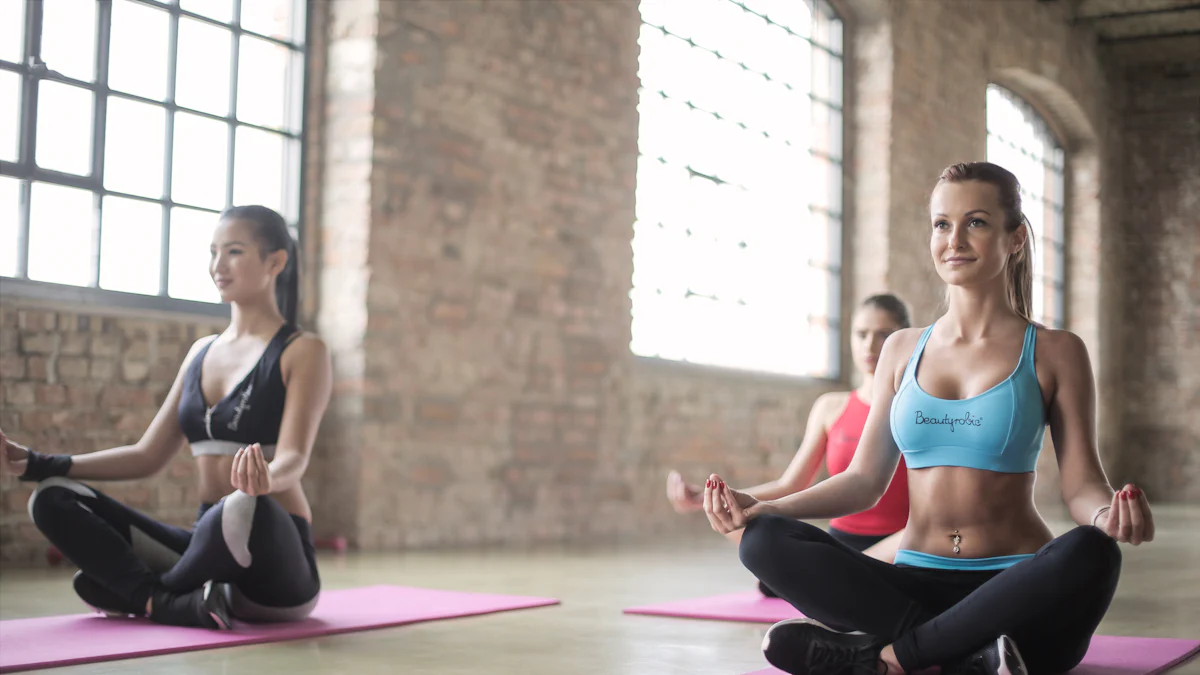
Yoga Practice
Types of Yoga (e.g., Hatha, Vinyasa)
Yoga offers a variety of styles, each with its unique focus and benefits. Hatha Yoga is one of the most popular forms, emphasizing physical postures and breathing techniques. It's perfect for beginners because it introduces you to the basic poses at a slower pace. Vinyasa Yoga, on the other hand, involves a more dynamic flow of movements, linking breath with each transition. This style suits those who enjoy a more vigorous workout. Other types include Ashtanga, known for its structured sequence of poses, and Bikram, practiced in a heated room to promote flexibility and detoxification.
Typical Session Structure
A typical yoga session usually begins with a warm-up to prepare your body for the practice. You then move through a series of poses, or asanas, designed to improve strength, flexibility, and balance. Each pose is held for a few breaths, allowing you to focus on alignment and mindfulness. The session often concludes with a relaxation period, known as Savasana, where you lie down and let your body absorb the benefits of the practice. This structure helps you cultivate a sense of calm and well-being.
Breema Practice
Types of Breema Exercises
Breema offers a unique approach to bodywork through its exercises and principles. It includes both partner bodywork and Self-Breema exercises. Partner bodywork involves working with another person, using nurturing touch and rhythmic movements to create balance. Self-Breema exercises, on the other hand, allow you to practice alone, focusing on gentle stretches and natural movements. These exercises aim to enhance your physical and emotional well-being by promoting a deeper connection between your mind and body.
Typical Session Structure
In a Breema session, you start with simple movements to bring awareness to your body. The session progresses with a series of rhythmic stretches and holds, guided by the Nine Principles of Harmony. These principles encourage you to be present and fully engaged in each movement. Unlike yoga, Breema sessions often involve working with a partner, fostering a sense of mutual support and connection. The session concludes with a period of reflection, allowing you to integrate the experience and carry its benefits into your daily life.
Benefits and Outcomes
Benefits of Yoga
Physical Benefits
Yoga offers a wide range of physical benefits that can enhance your overall well-being. By practicing yoga, you can improve your flexibility, strength, and balance. The various poses, or asanas, help stretch and tone your muscles, promoting better posture and alignment. Regular practice can also increase your stamina and endurance, making everyday activities feel easier. Additionally, yoga can aid in weight management by boosting your metabolism and promoting mindful eating habits.
Mental and Emotional Benefits
Beyond the physical, yoga provides significant mental and emotional benefits. It serves as a powerful tool for stress reduction, helping you find calm and clarity amidst life's challenges. Through breath control and meditation, yoga encourages mindfulness, allowing you to focus on the present moment and let go of worries. This practice can enhance your emotional resilience, improving your ability to cope with anxiety and depression. By fostering a sense of inner peace, yoga supports your mental health and emotional well-being.
Benefits of Breema
Physical Benefits
Breema offers unique physical benefits through its nurturing stretches and rhythmic movements. This practice enhances your flexibility and improves your circulation, promoting a sense of vitality and energy. By engaging in Breema, you can experience detoxification of internal organs and regulation of blood pressure. The gentle touch and natural movements help release tension and alleviate energy blockages, supporting your body's instinctive healing processes. Practicing Breema can lead to a harmonious balance between your physical body and overall health.
Mental and Emotional Benefits
Breema also provides profound mental and emotional benefits. It creates a non-judgmental atmosphere that encourages relaxation and comfort in your body. By focusing on the connection between mind and body, Breema enhances mental clarity and emotional balance. The practice fosters a sense of presence and awareness, allowing you to experience real health and harmony with existence. Through Breema, you can nurture your emotional well-being, finding peace and contentment in your daily life.
Suitability for Different Individuals
Who Should Practice Yoga?
Ideal Candidates and Goals
Yoga suits a wide range of individuals. If you're looking to improve flexibility, strength, or balance, yoga offers a path to achieve these goals. Many people turn to yoga for stress relief and mental clarity. It provides a holistic approach to wellness, making it ideal for those seeking both physical and mental benefits. Whether you're an athlete wanting to enhance performance or someone new to exercise, yoga can be tailored to meet your needs.
Considerations and Limitations
While yoga is accessible to many, it's important to consider any physical limitations you might have. Some poses may not be suitable if you have certain health conditions or injuries. Always consult with a healthcare professional before starting a new exercise regimen. Yoga requires patience and consistency. Progress may be gradual, so it's essential to set realistic expectations and listen to your body.
Who Should Practice Breema?
Ideal Candidates and Goals
Breema appeals to those seeking a deeper connection between mind and body. It's beneficial for individuals with various health concerns or those simply wanting to relax and feel more centered. Breema's nurturing approach makes it suitable for anyone interested in exploring energy and spiritual work. If you enjoy partner-based activities and value the experience of mutual support, Breema might be the perfect fit for you.
Considerations and Limitations
Breema doesn't have formal studies on its health benefits, but successful case studies and testimonials highlight its positive impact. If you're open to alternative practices and enjoy hands-on experiences, Breema could be rewarding. However, it may not be ideal if you prefer solitary activities or have reservations about physical touch. As with any practice, consider your personal preferences and consult with a professional if you have specific health concerns.
Yoga vs Breema
Yoga vs Breema: Philosophical Differences
When you explore the philosophical differences between yoga and breema, you'll notice distinct approaches to achieving harmony and balance. Yoga emphasizes the union of mind, body, and spirit through self-discipline and mindfulness. It encourages you to explore your inner self and align your actions with your values. The practice often revolves around concepts like balance, harmony, and interconnectedness.
On the other hand, Breema focuses on the Nine Principles of Harmony. These principles guide you in nurturing yourself and others, fostering unity and presence. Breema encourages you to be present in the moment, experiencing a deeper connection between your mind and body. This philosophy promotes physical, mental, and emotional balance through rhythmic movements and nurturing stretches.
In essence, while yoga invites you to embark on a journey of self-discovery and personal growth, breema offers a transformative experience of self-discovery, exploring the interconnectedness of your being and the world around you.
Yoga vs Breema: Practice and Benefits
The practice styles of yoga and breema differ significantly, offering unique benefits to practitioners. Yoga provides a variety of styles, such as Hatha and Vinyasa, each with its focus and benefits. A typical yoga session involves a series of poses designed to improve strength, flexibility, and balance. You hold each pose for a few breaths, focusing on alignment and mindfulness. This practice enhances your physical fitness and mental clarity, promoting stress reduction and emotional resilience.
Breema, however, offers a unique approach through its exercises and principles. It includes partner bodywork and Self-Breema exercises. Partner bodywork involves working with another person, using nurturing touch and rhythmic movements to create balance. Self-Breema exercises allow you to practice alone, focusing on gentle stretches and natural movements. These exercises enhance your physical and emotional well-being by promoting a deeper connection between your mind and body.
In summary, while yoga offers a path to physical fitness and mental clarity, breema provides a holistic system that nurtures your physical, mental, and emotional balance. Both practices offer valuable benefits, allowing you to choose based on your personal goals and preferences.
In exploring yoga vs breema, you've discovered their unique qualities. Yoga focuses on uniting mind, body, and spirit through postures and meditation. Breema, with its nurturing touch and rhythmic movements, offers a holistic approach to balance. Choosing between them depends on your personal goals. If you seek physical fitness and mental clarity, yoga might be your path. For a deeper body-mind connection and relaxation, Breema could be ideal. Why not try both? Exploring these practices can help you find what truly resonates with you.
See Also
Exploring How Yoga Differs From Pilates Practices
Delving Into the Essence of Baptiste Yoga
Evaluating the Quality and Performance of Alo Yoga Sets

Hi my name is Lia and i am your host in this yoga journey in Portugal, Subscribe to our newsletter to receive every week the best of Yoga in Portugal.

We bring back the importance of initiation into womanhood by Roos-Veerle Krijnen & Ella-June Henrard
Welcome to the Women’s Initiation Retreat by Naked Truth Retreats, a transformative journey into the depths of your True Feminine Nature. This retreat invites you to remember the sacredness and wholeness of your being.
Roos-Veerle Krijnen & Ella-June Henrard