How Yoga Transforms Men's Health and Wellbeing

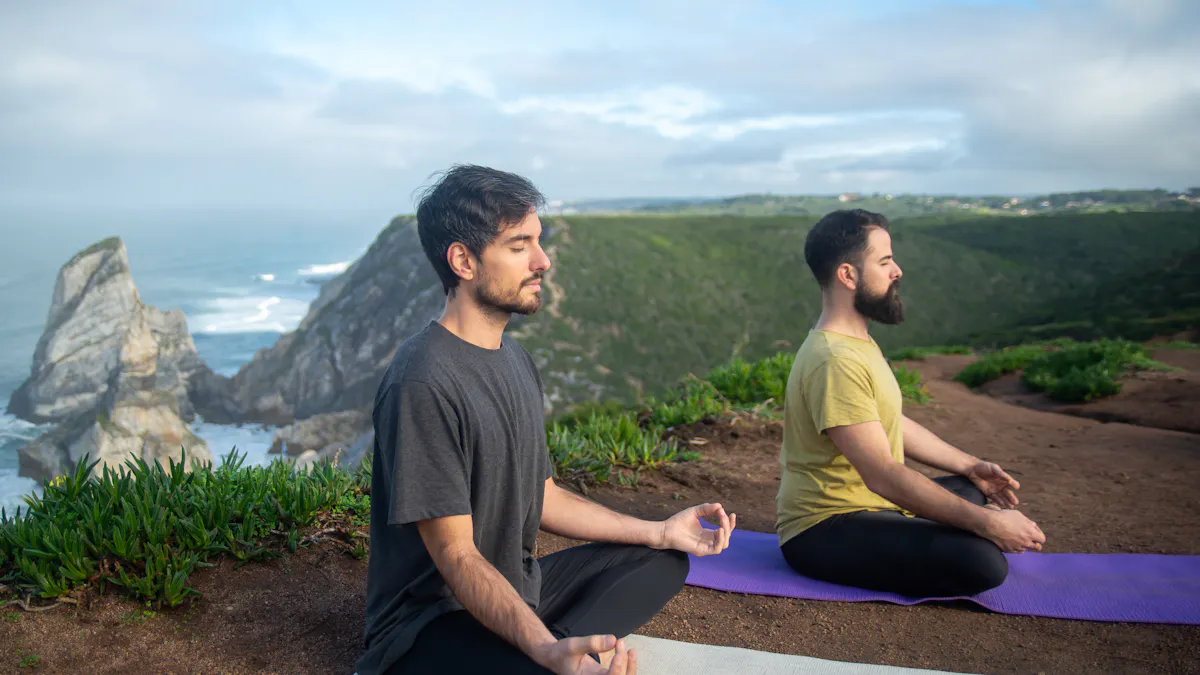
Yoga is not just for women. More men are discovering its benefits and embracing this ancient practice. Despite the fact that only 28% of yoga practitioners in the U.S. are male, the transformative potential of yoga for men is undeniable. It enhances physical health, boosts mental clarity, and improves overall wellbeing. By engaging in yoga, you can break free from stereotypes and myths. This journey offers practical advice to help you integrate yoga into your life, empowering you to achieve a healthier and more balanced lifestyle.
Common Misconceptions About Yoga
Yoga is Only for Women
Historical Context of Yoga and Gender
Yoga's roots stretch back thousands of years, originating in ancient India. Historically, it was practiced predominantly by men. Patanjali, the sage who compiled the Yoga Sutras, and other male yogis laid the foundation for this spiritual and physical discipline. Over time, however, yoga evolved and became more inclusive. Women have significantly contributed to its development, enriching the practice and ensuring its relevance for future generations. Today, yoga transcends gender, offering benefits to everyone willing to embrace it.
Modern Trends and Male Practitioners
In recent years, more men have begun to explore yoga, breaking free from outdated stereotypes. Influential male athletes and celebrities have openly shared their yoga journeys, inspiring others to follow suit. This shift highlights yoga's potential to promote health among men. Despite its popularity among women, yoga offers unique advantages for men, such as improved flexibility, strength, and mental clarity. By understanding and overcoming barriers to participation, you can unlock these benefits and transform your wellbeing.
Yoga is Not a Real Workout
Physical Demands of Yoga
Yoga challenges your body in ways that traditional workouts might not. It requires strength, balance, and endurance. Holding poses like the plank or warrior can engage multiple muscle groups simultaneously. This engagement builds core strength and enhances overall physical fitness. Unlike conventional exercises, yoga emphasizes controlled breathing and mindfulness, adding a mental dimension to the physical challenge. As you progress, you'll find that yoga demands both physical and mental resilience.
Comparison with Traditional Workouts
When compared to traditional workouts, yoga offers a holistic approach to fitness. While weightlifting focuses on building muscle mass, yoga enhances flexibility and balance. Cardio exercises improve heart health, but yoga also incorporates breath control and stress reduction. This combination can lead to improved athletic performance and injury prevention. By integrating yoga into your routine, you can achieve a well-rounded fitness regimen that supports both body and mind.
Physical Benefits of Yoga for Men

Yoga offers a wealth of physical benefits that can significantly enhance your health and fitness. By incorporating yoga into your routine, you can experience improvements in flexibility, strength, and cardiovascular health. These benefits not only support your physical well-being but also contribute to a more balanced and fulfilling lifestyle.
Improved Flexibility and Strength
Yoga for men is a powerful tool for enhancing flexibility and strength. As you practice, you'll notice increased range of motion and muscle tone.
Muscle Groups Targeted
Yoga engages various muscle groups, promoting balanced development. Poses like the Downward Dog and Warrior target your hamstrings, calves, shoulders, and core. This comprehensive engagement helps you build strength and flexibility simultaneously. Unlike traditional workouts that isolate muscles, yoga encourages holistic muscle activation, leading to improved overall fitness.
Impact on Athletic Performance
Improved flexibility and strength from yoga can elevate your athletic performance. Many athletes incorporate yoga for men into their training to enhance agility and prevent injuries. By increasing your flexibility, you reduce the risk of strains and sprains. Strengthened muscles support better posture and endurance, allowing you to excel in sports and physical activities. Embrace yoga to unlock your full athletic potential.
Enhanced Cardiovascular Health
Yoga for men also plays a crucial role in promoting cardiovascular health. Regular practice can lead to a healthier heart and improved circulation.
Yoga Poses for Heart Health
Certain yoga poses specifically benefit your heart. Bridge Pose and Camel Pose open the chest and improve lung capacity, enhancing oxygen flow. These poses stimulate the heart, encouraging better circulation and reducing stress on the cardiovascular system. By incorporating these poses into your routine, you support heart health and overall vitality.
Studies and Research Findings
Scientific studies highlight the cardiovascular benefits of yoga for men. Research indicates that yoga reduces risk factors for heart disease, such as BMI, cholesterol, and blood pressure. A study from Deakin University found significant mental and physical health benefits for men practicing yoga. These findings underscore yoga's potential to transform your health and well-being. By embracing yoga, you take proactive steps toward a healthier heart and a more vibrant life.
Incorporating yoga for men into your lifestyle offers transformative physical benefits. Improved flexibility, strength, and cardiovascular health empower you to lead a more active and fulfilling life. As you continue your yoga journey, you'll discover the profound impact it can have on your overall well-being.
Mental and Emotional Benefits
Yoga offers profound mental and emotional benefits that can transform your life. By incorporating yoga into your routine, you can experience reduced stress, enhanced mental clarity, and improved emotional balance.
Stress Reduction and Mental Clarity
Yoga provides effective techniques for managing stress and achieving mental clarity. Through mindfulness practices, you can cultivate a sense of calm and focus.
Techniques for Mindfulness
Mindfulness is a cornerstone of yoga. It involves being present in the moment and observing your thoughts without judgment. Techniques such as deep breathing, meditation, and focused attention help you achieve this state. By practicing mindfulness, you can reduce stress and enhance your mental clarity. These techniques empower you to navigate life's challenges with a clear and focused mind.
Long-term Mental Health Benefits
The long-term mental health benefits of yoga are significant. Regular practice can lead to reduced anxiety and depression, improved mood, and better emotional regulation. Yoga encourages the release of endorphins, which are natural mood enhancers. Over time, you may find yourself feeling more balanced and resilient. This transformation can lead to a more fulfilling and joyful life.
Emotional Balance and Resilience
Yoga also fosters emotional balance and resilience. By developing coping mechanisms, you can better manage your emotions and respond to life's ups and downs.
Coping Mechanisms Developed
Yoga teaches you valuable coping mechanisms that enhance your emotional resilience. Techniques such as controlled breathing and meditation help you manage stress and anxiety. These practices enable you to remain calm and centered in challenging situations. By incorporating these coping mechanisms into your daily life, you can build emotional strength and resilience.
Testimonials and Personal Stories
Many individuals have experienced the transformative power of yoga. Here are some inspiring testimonials:
Life In Yoga Research Participant: "After attending and practicing various techniques in Life Of Yoga classes, I have had a miraculous recovery. My breathing is normal, I sleep well, and my knees are free of pain. My back is strong, I feel energetic and well."
Anonymous Practitioner: "Through yoga, I’ve been able to help other people too and be of service in my community. I work with seniors, children, and executives. I have received feedback from people saying that learning yoga has helped them sleep better and reduce their anxiety. It’s also helped people cope with depression."
These stories highlight the profound impact yoga can have on mental and emotional well-being. By embracing yoga, you can unlock these benefits and transformative power of yoga and transform your life.
Yoga for Men in Weight Training

Yoga can be a powerful ally in your weight training journey. By integrating yoga into your routine, you can enhance your strength, flexibility, and recovery, leading to better performance and fewer injuries.
Complementary Practices
Balancing Strength and Flexibility
In weight training, you focus on building muscle strength. However, flexibility is equally important. Yoga helps you achieve this balance. Poses like the Triangle and Pigeon stretch your muscles, increasing flexibility. This flexibility allows you to perform weightlifting exercises with a full range of motion, maximizing your gains. By incorporating yoga, you ensure that your muscles remain supple and strong, reducing the risk of injury.
Injury Prevention and Recovery
Yoga plays a crucial role in preventing injuries. It strengthens stabilizing muscles and improves joint health. Poses such as the Tree and Warrior III enhance balance and coordination, which are vital for safe lifting. If you do experience an injury, yoga aids in recovery. Gentle stretches and mindful breathing promote healing by increasing blood flow to affected areas. This holistic approach ensures that you stay on track with your fitness goals.
Specific Yoga Poses for Weight Trainers
Poses to Enhance Lifting Performance
Certain yoga poses can directly boost your lifting performance. The Chair Pose builds leg strength, essential for squats and deadlifts. The Plank Pose strengthens your core, providing stability during lifts. By practicing these poses, you develop the foundational strength needed for effective weight training. This integration of yoga for men into your routine can lead to noticeable improvements in your lifting capabilities.
Poses for Muscle Recovery
After intense weight training sessions, your muscles need recovery. Yoga offers poses that facilitate this process. The Child's Pose and Legs-Up-the-Wall Pose help relax your muscles and reduce soreness. These restorative poses promote relaxation and rejuvenation, allowing your body to recover efficiently. By prioritizing recovery, you enhance your overall performance and prevent burnout.
Incorporating yoga for men into your weight training regimen offers numerous benefits. You achieve a harmonious balance between strength and flexibility, reduce the risk of injuries, and enhance your recovery process. Embrace yoga as a complementary practice to unlock your full potential in weight training.
Practical Advice for Beginners
Embarking on your yoga journey can feel both exciting and overwhelming. With so many styles and practices available, choosing the right path is crucial. Here, you'll find guidance to help you start your yoga practice with confidence and clarity.
Choosing the Right Yoga Style
Selecting a yoga style that aligns with your goals and preferences is essential. Each style offers unique benefits and caters to different needs.
Overview of Popular Yoga Styles
Hatha Yoga: Known for its gentle pace, Hatha Yoga focuses on basic postures and breathing exercises. It's perfect for beginners seeking a foundational understanding of yoga.
Vinyasa Yoga: This style emphasizes fluid movement and breath synchronization. It offers a dynamic practice that builds strength and flexibility.
Iyengar Yoga: Ideal for beginners, Iyengar Yoga prioritizes alignment and precision. Props like blocks and straps support your practice, making it accessible to all levels.
Kundalini Yoga: A spiritual practice that combines mantras, breathwork, and meditation. It aims to awaken energy and promote spiritual awareness.
Restorative Yoga: Focuses on relaxation and stress relief. Poses are held for extended periods, allowing deep relaxation and rejuvenation.
Recommendations Based on Goals
For Stress Relief: Consider Restorative or Hatha Yoga. These styles promote relaxation and mindfulness.
For Physical Fitness: Vinyasa or Power Yoga can enhance strength and flexibility.
For Spiritual Growth: Kundalini Yoga offers a holistic approach to spiritual well-being.
For Injury Recovery: Iyengar Yoga's focus on alignment and support makes it suitable for those recovering from injuries.
Getting Started with Yoga
Starting your yoga practice requires some preparation and understanding. Here are practical tips to help you begin your journey.
Tips for First-time Practitioners
Set Realistic Goals: Begin with achievable objectives. Focus on consistency rather than perfection.
Listen to Your Body: Pay attention to your body's signals. Avoid pushing yourself too hard, especially in the beginning.
Find a Qualified Instructor: A knowledgeable instructor can guide you safely through poses and help you develop proper techniques.
Create a Comfortable Space: Designate a quiet, clutter-free area for your practice. A peaceful environment enhances focus and relaxation.
Resources and Tools for Beginners
Online Classes and Apps: Platforms like Yoga with Adriene or Down Dog offer beginner-friendly classes you can follow at home.
Books and Guides: The Yoga Bible by Christina Brown provides comprehensive insights into various poses and practices.
Yoga Props: Invest in a good-quality yoga mat, blocks, and straps. These tools support your practice and improve your experience.
Community Classes: Local studios often offer beginner classes. Joining a community can provide motivation and support.
By choosing the right style and utilizing these resources, you can embark on a fulfilling yoga journey. Remember, yoga is a personal practice that evolves with you. Embrace the process, and enjoy the transformative benefits it brings to your life.
Yoga offers transformative benefits for men's health and well-being. It enhances flexibility, strength, and mental clarity. By incorporating yoga into your daily routine, you can experience reduced stress, improved emotional balance, and a stronger body. Embrace this practice to unlock a healthier lifestyle.
Physical Benefits: Yoga improves flexibility, balance, and strength. It enhances athletic performance and reduces injury risk.
Mental and Emotional Benefits: Yoga reduces stress and anxiety. It promotes mental clarity and emotional resilience.
Explore yoga further. Discover its potential to transform your life.
See Also
Exploring the Significance of Yoga in Modern Society
The Benefits of Yoga for Heightened Sensual Experience
The Emergence of Yoga Leggings in Mature Content

Hi my name is Lia and i am your host in this yoga journey in Portugal, Subscribe to our newsletter to receive every week the best of Yoga in Portugal.

We bring back the importance of initiation into womanhood by Roos-Veerle Krijnen & Ella-June Henrard
Welcome to the Women’s Initiation Retreat by Naked Truth Retreats, a transformative journey into the depths of your True Feminine Nature. This retreat invites you to remember the sacredness and wholeness of your being.
Roos-Veerle Krijnen & Ella-June Henrard