How Yoga Stretches Can Help Relieve Sciatica Pain

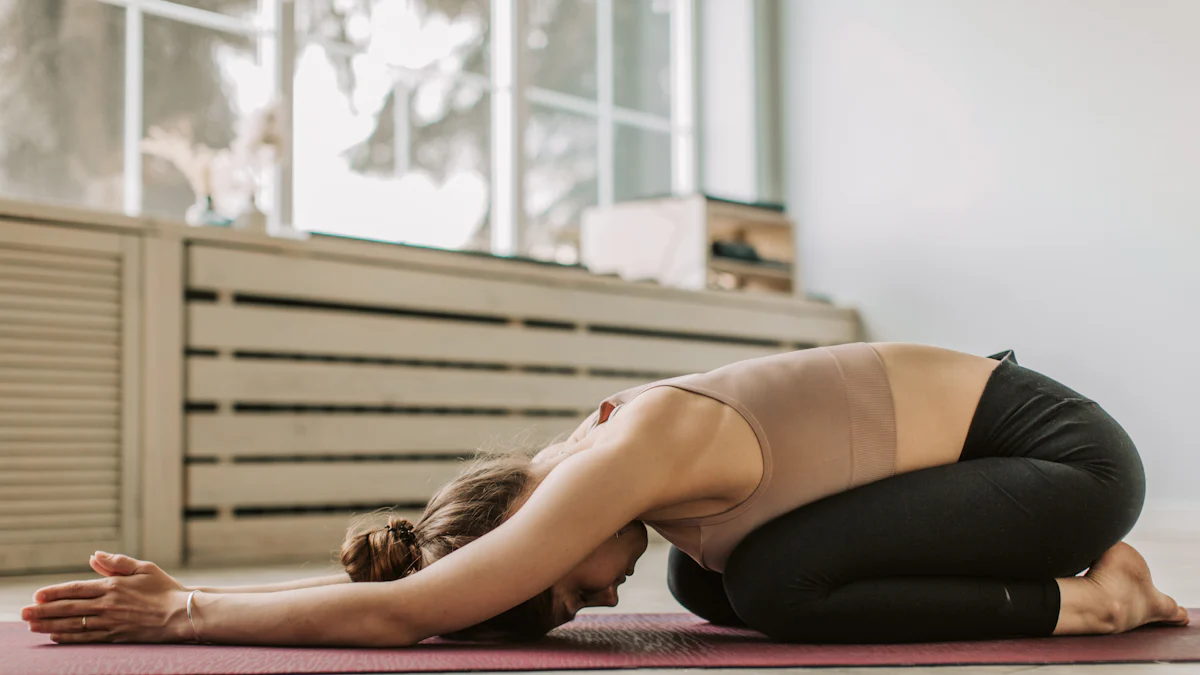
Yoga for sciatica can work wonders for relieving pain associated with this condition. By improving flexibility and reducing tension in your lower back and hips, you can experience significant relief. Engaging in yoga not only promotes relaxation but also enhances your mobility. As you practice yoga for sciatica, you may find that discomfort starts to fade away. Many people have discovered that incorporating yoga into their routine helps them manage pain more effectively and improves their overall well-being.
Key Takeaways
Yoga can significantly alleviate sciatica pain by improving flexibility and reducing muscle tension in the lower back and hips.
Incorporating specific yoga poses, such as Child’s Pose and Pigeon Pose, can target tight muscles and relieve pressure on the sciatic nerve.
Regular yoga practice not only helps manage pain but also enhances overall well-being and mobility.
Always listen to your body during yoga; if a pose causes discomfort, modify or skip it to prevent aggravating your symptoms.
Consider consulting a healthcare professional before starting yoga, especially if you have severe pain or other health conditions.
Aim to practice yoga at least two to three times a week for optimal benefits in flexibility and strength.
Utilize props and modifications to make yoga accessible and comfortable, ensuring a safe practice tailored to your needs.
Understanding Sciatica and Its Symptoms
What is Sciatica?
Sciatica refers to pain that travels along the path of the sciatic nerve. This nerve runs from your lower back through your hips and buttocks and down each leg. When something compresses or irritates this nerve, you may experience discomfort. Conditions like herniated discs, degenerative disc disease, or tight muscles can lead to sciatica. You might feel pain on one side of your body, and it can vary from a mild ache to a sharp, burning sensation.
Common Symptoms of Sciatica
You may notice several symptoms if you have sciatica. Here are some common ones:
Pain: Often, you feel it in your lower back, buttock, or leg. The pain can worsen when you sit, stand, or move.
Numbness or Tingling: You might experience a tingling sensation or numbness in your leg or foot.
Weakness: Sometimes, you may feel weakness in your leg or foot, making it hard to move.
Difficulty Moving: Activities like standing up or walking may become challenging.
If you recognize these symptoms, you might be dealing with sciatica.
Causes of Sciatica Pain
Several factors can contribute to sciatica pain. Understanding these causes can help you manage your symptoms better. Here are some common culprits:
Improper Spine Mechanics: Daily activities like lifting heavy objects or sitting for long periods can strain your spine. This strain increases the risk of sciatica.
Prolonged Sitting: If you spend too much time sitting, especially in poor posture, you may develop sciatica. This issue often affects people with desk jobs.
Age and Body Size: Advancing age and larger body size can increase your chances of developing sciatica. As you age, your spinal discs may degenerate, leading to pain.
Diabetes: This condition can affect your nerve health, making you more susceptible to sciatica.
Muscle Tightness: Tightness in the piriformis muscle, located in your buttocks, can put pressure on the sciatic nerve, causing pain.
By recognizing these causes, you can take steps to prevent or alleviate your sciatica symptoms.
How Yoga Can Help with Sciatica Relief

Benefits of Yoga for Sciatica
Yoga offers numerous benefits for those dealing with sciatica. First, it helps stretch and strengthen the muscles that support your spine. This action can alleviate pressure on the sciatic nerve, reducing pain. You might find that regular practice enhances your flexibility and range of motion. Improved flexibility can lead to better posture, which is crucial for preventing further discomfort.
Additionally, yoga encourages relaxation. When you engage in gentle movements and focus on your breath, you can reduce stress and tension in your body. This relaxation can improve your mental outlook while coping with chronic pain. Research shows that yoga can provide temporary relief from sciatica symptoms, making it a valuable tool in your pain management toolkit.
The Role of Stretching in Pain Relief
Stretching plays a vital role in relieving sciatica pain. When you stretch, you increase blood flow to your muscles, which helps them recover and reduces stiffness. Specific yoga poses target the hamstrings and gluteal muscles, areas often tight in individuals with sciatica. By focusing on these muscle groups, you can relieve pressure on the sciatic nerve.
Gentle yoga stretches can also help lengthen and relax the muscles causing back pain. For instance, poses like Child’s Pose and Pigeon Pose can open up your hips and lower back, providing significant relief. Incorporating these stretches into your routine can help bring your body back into a healthy balance. Remember, yoga is not a replacement for physical therapy or medical advice, but it can complement your treatment plan effectively.
Effective Yoga Stretches for Sciatica Relief
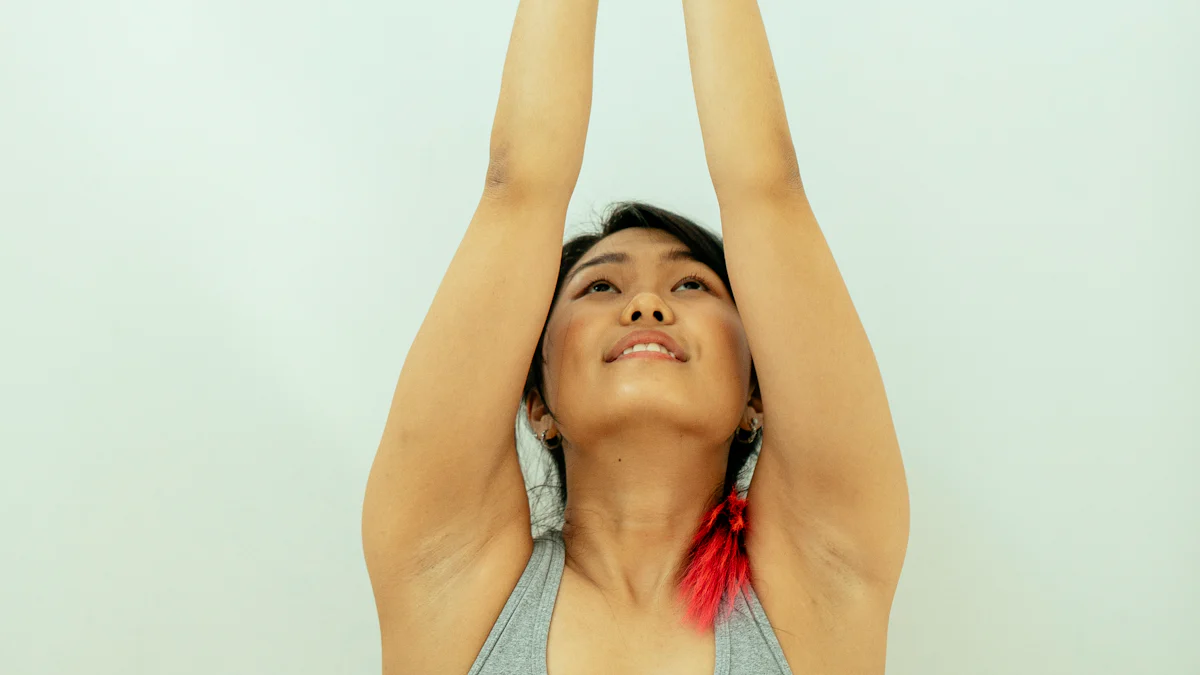
Child’s Pose
Child’s Pose is a gentle stretch that helps release tension in your lower back and hips. To get into this pose, kneel on the floor and sit back on your heels. Then, lean forward, extending your arms in front of you while resting your forehead on the mat. This position encourages relaxation and allows your spine to lengthen. You may feel a soothing stretch along your back and hips. Hold this pose for several breaths, focusing on your inhalations and exhalations. As you breathe deeply, visualize the tension melting away.
Pigeon Pose
Pigeon Pose is another effective stretch for sciatica relief. It targets the hip flexors and the piriformis muscle, which can often contribute to sciatic pain. Start in a tabletop position on your hands and knees. Bring your right knee forward, placing it behind your right wrist. Extend your left leg straight back, keeping your hips square. Lower your torso toward the ground, resting on your forearms or forehead. This pose opens up your hips and stretches the glutes, providing significant relief. Hold for several breaths, then switch sides.
Seated Forward Bend
Seated Forward Bend is a fantastic way to stretch your hamstrings and lower back. Sit on the floor with your legs extended in front of you. Inhale deeply, reaching your arms overhead. As you exhale, hinge at your hips and reach for your feet or shins. Keep your back straight as you fold forward. This stretch helps lengthen your spine and relieve tension in your lower back. Hold the pose for several breaths, feeling the stretch deepen with each exhale.
Incorporating these yoga stretches into your routine can significantly help alleviate sciatica pain. Remember, yoga offers a natural and effective solution for sciatica pain relief. As you practice these poses, you may notice improvements in your flexibility and overall comfort.
Cat-Cow Stretch
The Cat-Cow Stretch is a fantastic way to warm up your spine and relieve tension in your back. Start on your hands and knees in a tabletop position. As you inhale, arch your back, letting your belly drop toward the floor. Lift your head and tailbone toward the ceiling. This is the Cow Pose. Then, as you exhale, round your spine, tucking your chin to your chest and drawing your belly button toward your spine. This is the Cat Pose.
Repeat this flow several times, synchronizing your breath with your movements. This stretch not only increases flexibility but also helps to alleviate discomfort in your lower back. You may find that this gentle movement eases tightness and promotes relaxation.
Sphinx Pose
Next, try the Sphinx Pose. This pose gently stretches your lower back while strengthening your spine. Lie on your stomach with your legs extended behind you. Place your elbows under your shoulders and lift your chest off the ground. Keep your forearms flat on the mat.
Focus on lengthening your spine and opening your chest. Hold this position for several breaths, feeling the stretch in your lower back. If you want to deepen the stretch, gently press your forearms into the mat. This action can help relieve tension in the lower back, making it a great choice for those dealing with sciatica.
Downward-Facing Dog
Finally, let’s move to Downward-Facing Dog. This pose stretches your entire body, especially your hamstrings and calves. Start on your hands and knees. Tuck your toes under and lift your hips up and back, straightening your legs. Your body should form an inverted V shape.
Press your heels toward the ground, but don’t worry if they don’t touch. Focus on lengthening your spine and relaxing your neck. Hold this pose for several breaths, enjoying the stretch through your back and legs. This pose can help relieve pressure on the sciatic nerve and improve overall flexibility.
Incorporating these yoga stretches into your routine can significantly help alleviate sciatica pain. Remember, yoga offers a natural and effective solution for sciatica pain relief. As you practice these poses, you may notice improvements in your flexibility and overall comfort.
Bridge Pose
Bridge Pose is a fantastic stretch that strengthens your back, glutes, and hamstrings while opening up your hips. This pose can help relieve tension in your lower back, making it a great choice for those dealing with sciatica. Here’s how to do it:
Lie on your back: Start by lying flat on your back with your knees bent and feet hip-width apart. Keep your arms at your sides, palms facing down.
Press your feet into the ground: As you inhale, press your feet firmly into the mat. Engage your glutes and lift your hips toward the ceiling. Your body should form a straight line from your shoulders to your knees.
Hold the pose: Keep your shoulders relaxed and away from your ears. Hold this position for several breaths, feeling the stretch in your lower back and hips. You can clasp your hands under your back for added support.
Release: To come out of the pose, exhale and slowly lower your hips back to the mat. Take a moment to relax before repeating.
This pose not only strengthens your muscles but also helps improve your posture. By practicing Bridge Pose regularly, you can enhance your spinal alignment and reduce discomfort associated with sciatica.
Expert Insight: “Yoga offers a natural and effective solution for sciatica pain relief. Let’s investigate how practicing yoga can help alleviate your symptoms and improve your overall quality of life.”
Incorporating Bridge Pose into your routine can provide significant benefits. You’ll notice improvements in flexibility and strength, which are essential for managing sciatica pain. Remember to listen to your body. If you feel any discomfort, ease out of the pose and modify as needed.
Tips for Practicing Yoga Safely with Sciatica
Listening to Your Body
When you practice yoga, always listen to your body. Each person experiences sciatica differently. What feels good for one person might not work for you. Pay attention to any discomfort or pain during your practice. If a pose causes pain, stop immediately. You want to avoid aggravating your symptoms. Instead, focus on gentle stretches that feel comfortable. Remember, yoga should promote relaxation and relief, not discomfort.
Modifications for Different Levels
Yoga offers many modifications to suit your needs. If you're new to yoga or dealing with significant pain, start with simpler poses. For example, you can modify Child’s Pose by placing a cushion under your chest for extra support. Use props like blocks or straps to help you maintain proper alignment without straining.
Here are some modifications to consider:
Use a chair: If getting on the floor is difficult, try seated poses in a chair.
Bend your knees: In forward bends, keep your knees slightly bent to reduce strain on your lower back.
Take breaks: Don’t hesitate to rest between poses. Allow your body to recover.
Expert Testimony:
“Yoga can be an effective, low-impact way to find sciatica relief. Often, a particular pose may help one person, but it may not work for others.” - Yoga Experts
When to Seek Professional Guidance
Sometimes, you need more than yoga to manage your sciatica. If your pain persists or worsens, consult a healthcare professional. They can provide personalized advice and help you determine the best course of action. A physical therapist can guide you through safe movements and stretches tailored to your condition.
Always remember, your health comes first. If you feel unsure about a pose or your ability to practice safely, seek guidance.
Incorporating these tips into your yoga practice can help you find relief while ensuring your safety. Enjoy your journey toward healing and flexibility!
Yoga stretches can significantly relieve your sciatica pain. By enhancing flexibility and reducing muscle tension, you create a path toward comfort. Regular practice offers long-term benefits, helping you manage your symptoms effectively. Remember, it's essential to consult with healthcare professionals for personalized advice. They can guide you in safely incorporating yoga for sciatica into your routine. Always prioritize your well-being and listen to your body as you explore these healing practices.
FAQ
What yoga poses should I avoid if I have sciatica?
You should steer clear of poses that put too much pressure on your lower back or hips. Avoid deep twists, forward bends, and any pose that causes pain. Some practitioners suggest skipping poses like Full Lotus or Deep Squats. Always listen to your body and modify as needed.
How often should I practice yoga for sciatica relief?
Aim for at least two to three times a week. Consistency helps improve flexibility and strength. You can start with shorter sessions and gradually increase the duration as you feel more comfortable. Even a few minutes of gentle stretching can make a difference.
Can yoga worsen my sciatica pain?
Yes, certain poses can irritate your sciatic nerve. If you feel increased pain during or after a session, stop immediately. Focus on gentle stretches and consult a healthcare professional if pain persists. Remember, yoga should feel good, not painful.
Is it safe to practice yoga during a sciatica flare-up?
You can practice yoga during a flare-up, but choose gentle stretches. Poses like Child’s Pose or Sphinx Pose can provide relief. Avoid any movements that cause discomfort. Always prioritize your comfort and safety.
Should I consult a doctor before starting yoga for sciatica?
Absolutely! Consulting a healthcare professional is wise, especially if you have severe pain or other health conditions. They can help you determine the best approach and suggest modifications tailored to your needs.
Can yoga help prevent future sciatica episodes?
Yes, regular yoga practice can strengthen your core and improve flexibility. This combination helps support your spine and reduces the risk of future flare-ups. Incorporating yoga into your routine can be a proactive step toward long-term relief.
What should I do if a pose feels too difficult?
If a pose feels challenging, don’t hesitate to modify it. Use props like blocks or straps for support. You can also try a simpler version of the pose. Remember, yoga is about finding what works for you, not pushing through discomfort.
How can I tell if a yoga pose is right for me?
Pay attention to how your body feels during and after the pose. If you experience pain or discomfort, it may not be suitable for you. Focus on poses that promote relaxation and ease tension. Trust your instincts and adjust as needed.
Are there specific breathing techniques that can help with sciatica?
Yes! Deep, mindful breathing can enhance relaxation and reduce tension. Try inhaling deeply through your nose and exhaling slowly through your mouth. This technique can help calm your nervous system and improve your overall experience during yoga.
Can I practice yoga at home for sciatica relief?
Definitely! Practicing yoga at home allows you to create a comfortable environment. Follow online classes or videos tailored for sciatica relief. Just ensure you choose gentle routines and listen to your body throughout the practice.
See Also
10 Difficult Partner Yoga Poses To Try Together
How To Score The Best Alo Yoga Deals
10 Must-Have Yoga Pant Trends For Women 2024

Hi my name is Lia and i am your host in this yoga journey in Portugal, Subscribe to our newsletter to receive every week the best of Yoga in Portugal.

We bring back the importance of initiation into womanhood by Roos-Veerle Krijnen & Ella-June Henrard
Welcome to the Women’s Initiation Retreat by Naked Truth Retreats, a transformative journey into the depths of your True Feminine Nature. This retreat invites you to remember the sacredness and wholeness of your being.
Roos-Veerle Krijnen & Ella-June Henrard