How Yoga Stretches Can Ease Your Lower Back Pain

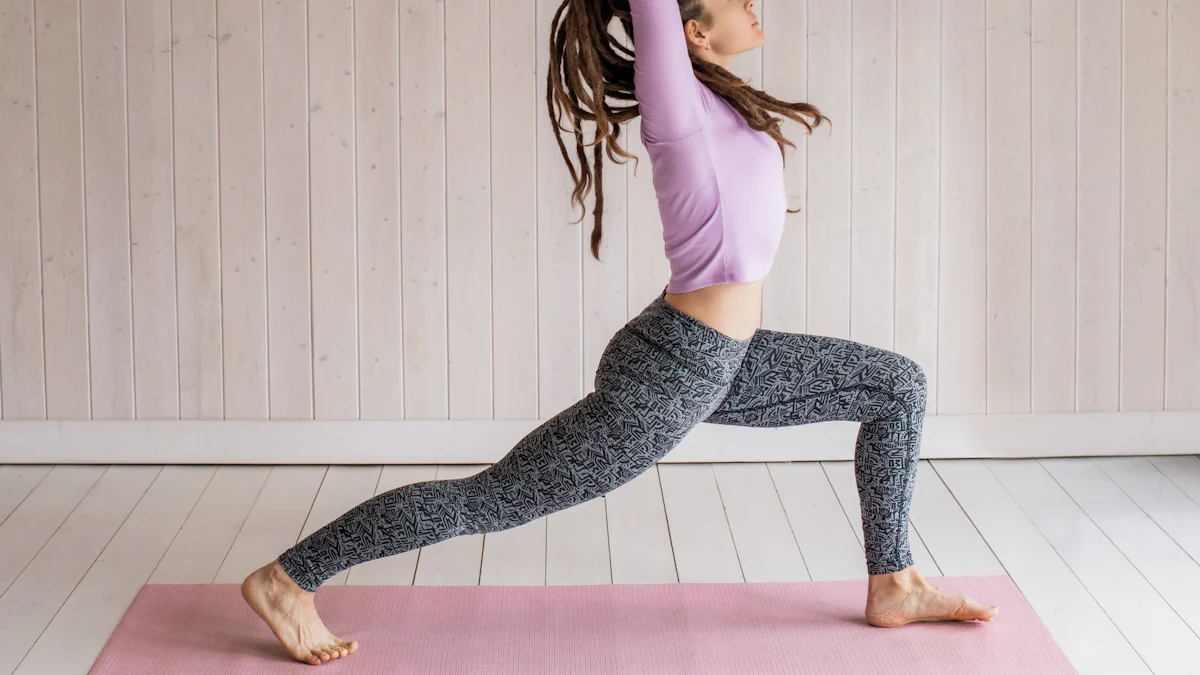
Yoga stretches for lower back pain offer a natural and effective way to find relief. By targeting specific muscles, these stretches can help you alleviate discomfort and improve flexibility. Practicing yoga safely and gradually is crucial. You should listen to your body and progress at your own pace. Over time, yoga not only eases pain but also enhances your overall back health and well-being. Research shows that regular yoga practice can reduce pain levels, improve sleep, and lessen reliance on pain medication. Embrace yoga as a holistic approach to nurturing your back and enhancing your quality of life.
Understanding Lower Back Pain
Lower back pain can be a real nuisance, right? It often sneaks up on you when you least expect it. But understanding what causes it can help you tackle it head-on.
Common Causes of Lower Back Pain
Muscle Strain and Tension
Muscle strain and tension are among the most common culprits of lower back pain. You might experience this after lifting something heavy or making a sudden awkward movement. Your muscles can become overstretched or torn, leading to discomfort. Regular yoga stretches for lower back pain can help you strengthen these muscles, reducing the risk of strain.
Poor Posture and Sedentary Lifestyle
Sitting for long periods or slouching can wreak havoc on your back. Poor posture puts extra pressure on your spine, leading to pain over time. A sedentary lifestyle doesn't help either. Your muscles weaken, and your flexibility decreases, making you more prone to back issues. Incorporating yoga into your routine can counteract these effects by promoting better posture and increasing your activity level.
How Yoga Addresses These Causes
Improving Flexibility and Strength
Yoga is a fantastic way to boost your flexibility and strength. When you practice yoga stretches for lower back pain, you target specific muscles that support your spine. This not only helps in relieving pain but also prevents future injuries. According to studies published in journals like PLOS ONE, yoga improves spinal alignment and stability, which are crucial for a healthy back.
Promoting Relaxation and Stress Relief
Stress can tighten your muscles, leading to tension and pain. Yoga encourages relaxation and stress relief, which can ease this tension. By focusing on your breath and being present in the moment, you can calm your mind and body. The Journal of Neurosurgery: Spine highlights how yoga reduces oxidative stress and inflammation, contributing to overall well-being. So, next time you're feeling stressed, roll out your yoga mat and let the tension melt away.
Essential Yoga Stretches for Lower Back Pain
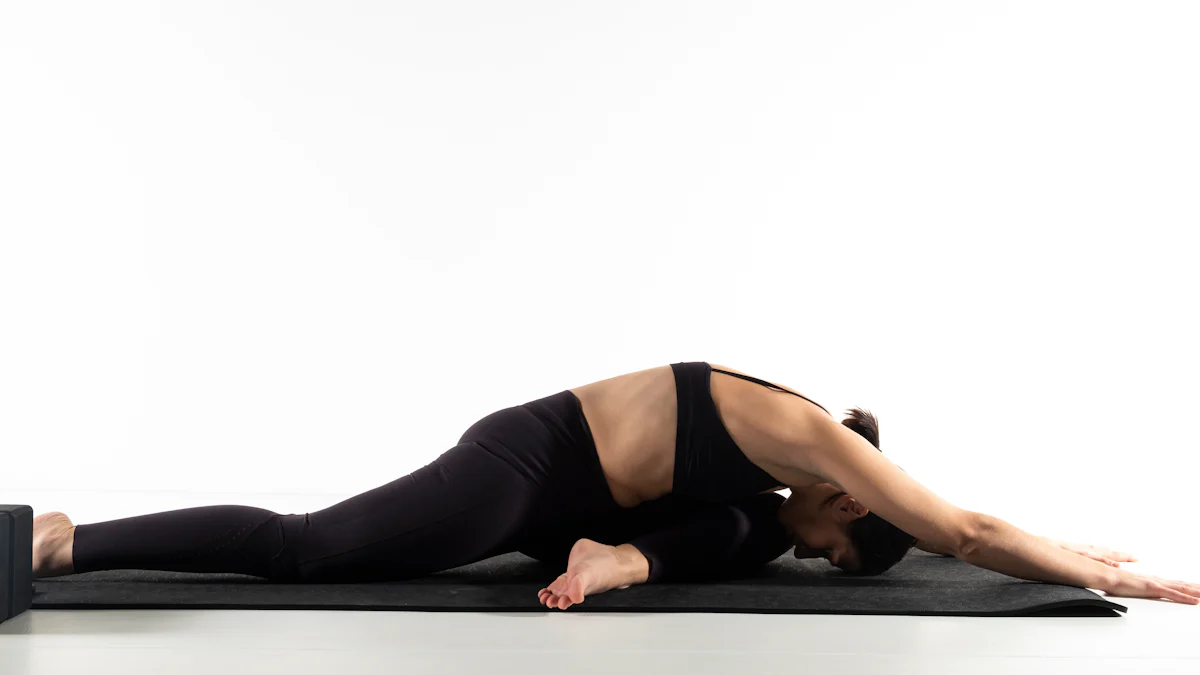
Yoga stretches for lower back pain can be a game-changer in your journey to relief. Let's dive into some essential poses that can help you ease discomfort and improve your flexibility.
Cat-Cow Pose
Benefits for the Spine and Core
The Cat-Cow Pose is a gentle flow between two poses that warms up your spine and relieves back tension. This movement helps increase flexibility in your spine and strengthens your core muscles. By regularly practicing this pose, you can enhance your spinal alignment and stability, which are crucial for a healthy back.
Step-by-Step Guide to Performing the Pose
Start on all fours: Position your hands directly under your shoulders and your knees under your hips.
Inhale into Cow Pose: Drop your belly towards the mat, lift your chin and chest, and gaze up toward the ceiling. Your shoulder blades should spread apart.
Exhale into Cat Pose: Draw your belly to your spine and round your back toward the ceiling. Tuck your chin to your chest and let your head relax.
Repeat: Flow between Cat and Cow for 5-10 breaths, moving with your breath.
Child's Pose
Stretching the Lower Back and Hips
Child's Pose is a restful posture that gently stretches your lower back, hips, and thighs. It provides a soothing stretch that can help release tension in your back and promote relaxation.
How to Safely Enter and Exit the Pose
Kneel on the floor: Touch your big toes together and sit on your heels. Separate your knees about as wide as your hips.
Exhale and lay your torso down: Between your thighs, extend your arms forward with palms facing down.
Relax: Allow your forehead to rest on the mat and breathe deeply.
To exit: Slowly walk your hands back toward your body and sit up.
Downward-Facing Dog
Lengthening the Spine and Hamstrings
Downward-Facing Dog is a classic yoga pose that stretches your entire body. It lengthens your spine and hamstrings, providing relief from back pain and improving overall flexibility.
Tips for Proper Alignment and Breathing
Start on all fours: Place your hands slightly in front of your shoulders and tuck your toes under.
Lift your hips: Straighten your legs and lift your hips toward the ceiling, forming an inverted V-shape.
Align your body: Keep your head between your upper arms and gaze toward your feet.
Breathe deeply: Hold the pose for 5-7 breaths, focusing on lengthening your spine with each inhale.
Expert Testimony: My Yoga Teacher emphasizes that poses like Downward-Facing Dog and Child's Pose are commonly recommended for back pain relief. These poses not only stretch and strengthen your back muscles but also improve your posture and reduce tension.
By incorporating these yoga stretches for lower back pain into your routine, you can experience significant relief and enhance your overall back health. Remember to listen to your body and practice these poses mindfully.
Supine Spinal Twist
The Supine Spinal Twist is a soothing yoga stretch that can work wonders for your lower back. This pose helps release tension and improve flexibility, making it a valuable addition to your routine.
Releasing Tension in the Lower Back
When you perform the Supine Spinal Twist, you gently stretch the muscles along your spine. This movement can help alleviate tightness and discomfort in your lower back. By twisting your torso, you also promote spinal mobility, which is essential for maintaining a healthy back. As Yoga Body suggests, incorporating such poses into your practice can enhance your overall well-being by balancing strength and flexibility.
Here's how you can do it:
Lie on your back: Extend your arms out to the sides, forming a T-shape.
Bend your knees: Bring them up towards your chest.
Gently lower your knees: To one side, keeping your shoulders flat on the ground.
Hold the pose: For 5-10 breaths, then switch sides.
This twist not only stretches your back but also massages your internal organs, promoting relaxation and stress relief.
Modifications for Comfort and Safety
It's important to listen to your body while practicing the Supine Spinal Twist. If you feel any discomfort, you can modify the pose to suit your needs. Here are some tips to ensure a safe practice:
Use a pillow or bolster: Place it under your knees for added support if you find the twist too intense.
Keep your knees together: If separating them causes strain, keeping them together can reduce pressure on your spine.
Limit the twist: If you experience pain, reduce the range of motion by not lowering your knees as far.
Expert Testimony:
My Yoga Teacher emphasizes the importance of adapting yoga poses to your body's needs. They recommend starting slowly and paying attention to how each pose feels. If a pose increases your pain, it's best to stop and try a modification.
By incorporating the Supine Spinal Twist into your yoga stretches for lower back pain, you can enjoy a gentle yet effective way to ease tension and enhance your flexibility. Remember to practice mindfully and make adjustments as needed to ensure comfort and safety.
Safety Tips for Practicing Yoga with Lower Back Pain
Listening to Your Body
When practicing yoga, tuning into your body's signals is crucial. You need to distinguish between pain and discomfort to ensure a safe practice.
Recognizing Pain vs. Discomfort
Pain and discomfort are not the same. Discomfort might feel like a gentle stretch or a slight challenge, which is normal during yoga. Pain, however, is sharp or intense and signals that something is wrong. If you feel pain, stop immediately. Your body is telling you to take a break or modify the pose.
Adjusting Poses to Your Comfort Level
Yoga is not about pushing your limits. It's about finding what feels right for you. Adjust poses to suit your comfort level. Use props like blocks or straps if needed. Modify poses by reducing the range of motion or holding them for a shorter time. Remember, yoga is a personal journey, and it's okay to make changes that work for you.
Consulting with a Healthcare Professional
Before starting any new exercise routine, including yoga, consulting with a healthcare professional is wise. They can provide guidance tailored to your specific needs.
Importance of Professional Guidance
A healthcare professional can assess your condition and recommend appropriate yoga practices. They understand your medical history and can advise on which poses to avoid. Their guidance ensures that your yoga practice supports your healing process rather than hindering it.
When to Seek Medical Advice
If you experience persistent pain or discomfort during yoga, seek medical advice. This is especially important if you have a history of back issues. A professional can help identify underlying problems and suggest modifications or alternative therapies. Remember, your health and safety come first.
Expert Insight: Research shows that yoga can be as effective as physical therapy for chronic lower back pain. However, professional guidance ensures that you practice safely and effectively.
By listening to your body and consulting with professionals, you can enjoy the benefits of yoga while minimizing the risk of injury. Prioritize safety and make your yoga journey a positive experience.
Incorporating Yoga into Your Daily Routine
Incorporating yoga into your daily routine can transform your back health and overall well-being. Let's explore how you can make yoga a consistent part of your life and combine it with other healthy habits.
Creating a Consistent Practice
Building a consistent yoga practice requires setting realistic goals and finding the right resources and support.
Setting Realistic Goals and Schedules
Start by setting achievable goals. You don't need to practice yoga for hours every day. Begin with short sessions, maybe 10 to 15 minutes, and gradually increase the duration as you become more comfortable. Consistency is key, so aim to practice at the same time each day. This helps establish a routine and makes it easier to stick with your practice.
Finding Resources and Support
Finding the right resources can make your yoga journey smoother. Consider using online platforms or apps that offer guided yoga sessions tailored to your needs. Joining a local yoga class can also provide valuable support and motivation. Connecting with others who share your interest in yoga can enhance your experience and keep you motivated.
Combining Yoga with Other Healthy Habits
Yoga works best when combined with other healthy lifestyle choices. Let's look at how you can create a balanced lifestyle and incorporate complementary exercises.
Importance of a Balanced Lifestyle
A balanced lifestyle supports your yoga practice and overall health. Focus on maintaining a nutritious diet, getting enough sleep, and managing stress. These elements work together to enhance your physical and mental well-being. Remember, yoga is not just about physical poses; it's a holistic approach to health.
Complementary Exercises and Activities
Incorporate other exercises that complement yoga, such as walking, swimming, or cycling. These activities can improve cardiovascular health and build endurance. Strength training can also be beneficial, as it enhances muscle tone and supports your yoga practice. According to doctors from the United States Department of Veteran Affairs and Rutgers University, yoga may have similar risks of adverse events as other back-focused exercises. So, it's essential to choose activities that align with your fitness level and goals.
By integrating yoga into your daily routine and combining it with other healthy habits, you can create a well-rounded approach to improving your back health and overall quality of life. Embrace this journey with an open mind and enjoy the benefits that come with a consistent practice.
Yoga stretches offer a natural way to ease lower back pain and enhance your overall well-being. By incorporating yoga into your daily routine, you can enjoy benefits like improved flexibility, strength, and stress relief. Start small and be patient with yourself. Consistency is key to seeing results. Over time, you'll notice a healthier, more limber body and a calmer mind. Embrace yoga as a holistic approach to nurturing your back and enhancing your quality of life. Remember, every step on your yoga journey brings you closer to a healthier you.
See Also
Achieve Flexibility with the Cat Cow Yoga Pose
Perfect Your Downward Facing Dog Yoga Position
Starting Your Journey with Basic Yoga Practices

Hi my name is Lia and i am your host in this yoga journey in Portugal, Subscribe to our newsletter to receive every week the best of Yoga in Portugal.

We bring back the importance of initiation into womanhood by Roos-Veerle Krijnen & Ella-June Henrard
Welcome to the Women’s Initiation Retreat by Naked Truth Retreats, a transformative journey into the depths of your True Feminine Nature. This retreat invites you to remember the sacredness and wholeness of your being.
Roos-Veerle Krijnen & Ella-June Henrard