Yoga Routine for Back Posture Corrector Yogi Guide

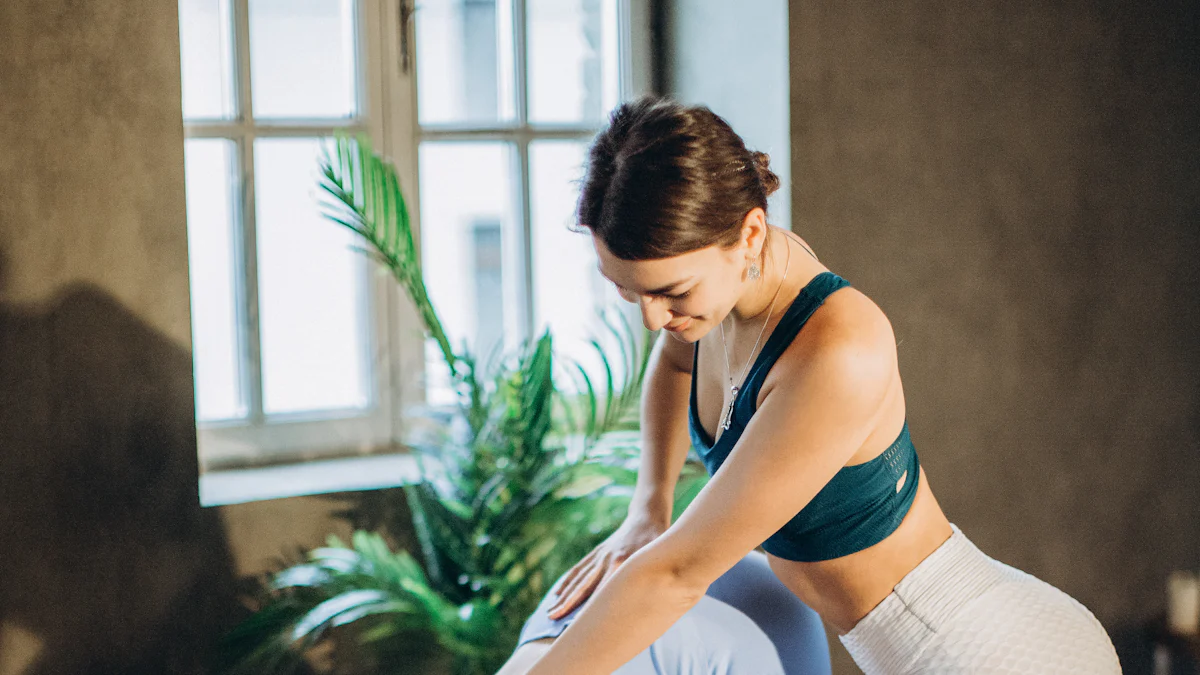
Yoga offers a powerful way to improve your back posture. It strengthens the stabilizing muscles that support your spine, helping you stand taller and move with ease. Regular practice enhances flexibility, allowing your body to release tension and regain its natural alignment. Beyond the physical benefits, yoga builds body awareness, teaching you how to recognize and correct poor posture habits. Studies have shown that consistent yoga routines can reduce back pain and improve mobility, making it an effective solution for chronic discomfort. A well-structured yoga routine for back posture corrector yogi can transform how you feel every day.
Key Takeaways
Incorporate yoga into your daily routine to strengthen core and back muscles, which are essential for maintaining proper posture.
Focus on flexibility and mobility through poses like Downward Dog and Child’s Pose to alleviate tension and improve alignment.
Practice mindfulness in your yoga sessions to enhance body awareness, helping you recognize and correct poor posture habits.
Establish a consistent yoga routine, aiming for three to five sessions a week, to see significant improvements in back pain and mobility.
Combine yoga with ergonomic adjustments in your workspace to support better posture throughout your day.
Utilize deep breathing techniques during yoga to engage your core and promote relaxation, further enhancing your posture.
Celebrate small victories in your yoga practice, as they indicate progress in your journey towards better posture and overall well-being.
Benefits of Yoga for Back Posture
Strengthening Core and Back Muscles
Yoga works wonders for building strength in your core and back muscles. These muscles play a crucial role in supporting your spine and maintaining proper posture. When you practice poses like Plank or Boat Pose, you engage your core deeply, which helps stabilize your lower back. Stronger back muscles, developed through poses such as Cobra or Locust, provide the support needed to keep your spine aligned. Over time, this strength reduces strain on your back and shoulders, making it easier to stand tall and sit upright without discomfort.
A study published in JAMA Internal Medicine highlights that yoga is as effective as conventional stretching exercises for alleviating chronic low back pain. This means that by incorporating yoga into your routine, you not only strengthen your muscles but also reduce the risk of back pain. A consistent yoga routine for back posture corrector yogi can transform your physical health by targeting these essential muscle groups.
Enhancing Flexibility and Mobility
Flexibility and mobility are key to achieving better posture, and yoga excels at improving both. Tight muscles, especially in your shoulders, chest, and hips, often pull your body out of alignment. Yoga stretches like Downward Dog or Child’s Pose gently release tension in these areas, allowing your body to regain its natural posture. Improved flexibility also enhances your range of motion, making everyday movements smoother and more comfortable.
Regular yoga practice doesn’t just stretch your muscles—it also improves joint mobility. Poses like Cat-Cow encourage spinal flexibility, helping your back move more freely. This increased mobility reduces stiffness and prevents injuries caused by restricted movement. By dedicating time to yoga, you’ll notice how much easier it becomes to maintain an upright posture throughout the day.
Promoting Mind-Body Awareness
One of yoga’s most unique benefits is how it fosters a deeper connection between your mind and body. Through mindful breathing and intentional movement, yoga teaches you to become more aware of your posture. You start noticing when you slouch or hunch your shoulders, and this awareness helps you make conscious adjustments to align your body correctly.
Yoga also encourages relaxation and stress relief, which play a significant role in posture improvement. Stress often causes tension in your neck and shoulders, leading to poor alignment. By practicing poses like Mountain or Savasana, you learn to release this tension and reset your posture. Over time, this mindfulness extends beyond the mat, helping you carry yourself with confidence and ease in your daily life.
“Yoga helps you slow down, deepen your breath, and relax tension,” say experts. This holistic approach not only improves your physical posture but also enhances your emotional well-being.
By integrating yoga into your lifestyle, you’ll experience a profound shift in how you move and feel. It’s not just about standing straighter—it’s about feeling balanced, strong, and connected to your body.
Key Yoga Poses for Back Posture Correction
Mountain Pose (Tadasana)
Mountain Pose, or Tadasana, is the foundation of many yoga practices. It may look simple, but it’s incredibly effective for improving posture. To begin, stand tall with your feet together and arms by your sides. Press evenly into your feet and engage your thighs. Lift your chest while keeping your shoulders relaxed. Imagine a string pulling you upward from the crown of your head.
This pose helps you develop awareness of your alignment. It teaches you to stand with a straight spine and balanced weight distribution. Practicing Tadasana regularly strengthens your legs and core, which are essential for maintaining good posture. You’ll notice how this pose encourages you to stand taller and feel more grounded in your daily life.
“Yoga enhances posture. Good posture is essential to maintain a strong, healthy, flexible backbone,” experts say. Mountain Pose is a great starting point for building that foundation.
Cat-Cow Pose (Marjaryasana-Bitilasana)
Cat-Cow Pose is a gentle flow that warms up your spine and improves its flexibility. Start on your hands and knees, with your wrists under your shoulders and knees under your hips. As you inhale, drop your belly, lift your head, and arch your back into Cow Pose. On the exhale, round your spine, tuck your chin, and draw your belly button toward your spine for Cat Pose. Repeat this movement several times, syncing it with your breath.
This dynamic stretch releases tension in your back and neck. It also increases mobility in your spine, making it easier to maintain proper posture throughout the day. By practicing Cat-Cow regularly, you’ll feel less stiffness and more freedom in your movements.
Cobra Pose (Bhujangasana)
Cobra Pose, or Bhujangasana, is a powerful backbend that strengthens your spine and opens your chest. Lie face down with your hands under your shoulders and your elbows close to your body. Press into your palms as you lift your chest off the ground. Keep your elbows slightly bent and your shoulders away from your ears. Hold the pose for a few breaths, then lower yourself back down.
This pose helps counteract the effects of slouching and prolonged sitting. It strengthens your back muscles while stretching your chest and shoulders. Dr. Shannahan highlights that poses like Cobra improve posture and enhance oxygen flow to your tissues. Incorporating Cobra Pose into your yoga routine for back posture corrector yogi can make a noticeable difference in how you carry yourself.
“Appropriate posture removes some back pressure and reduces back pain,” experts emphasize. Cobra Pose is an excellent way to achieve this balance.
By practicing these poses consistently, you’ll build strength, flexibility, and awareness. Each one plays a unique role in helping you correct your posture and feel more confident in your body.
Child’s Pose (Balasana)
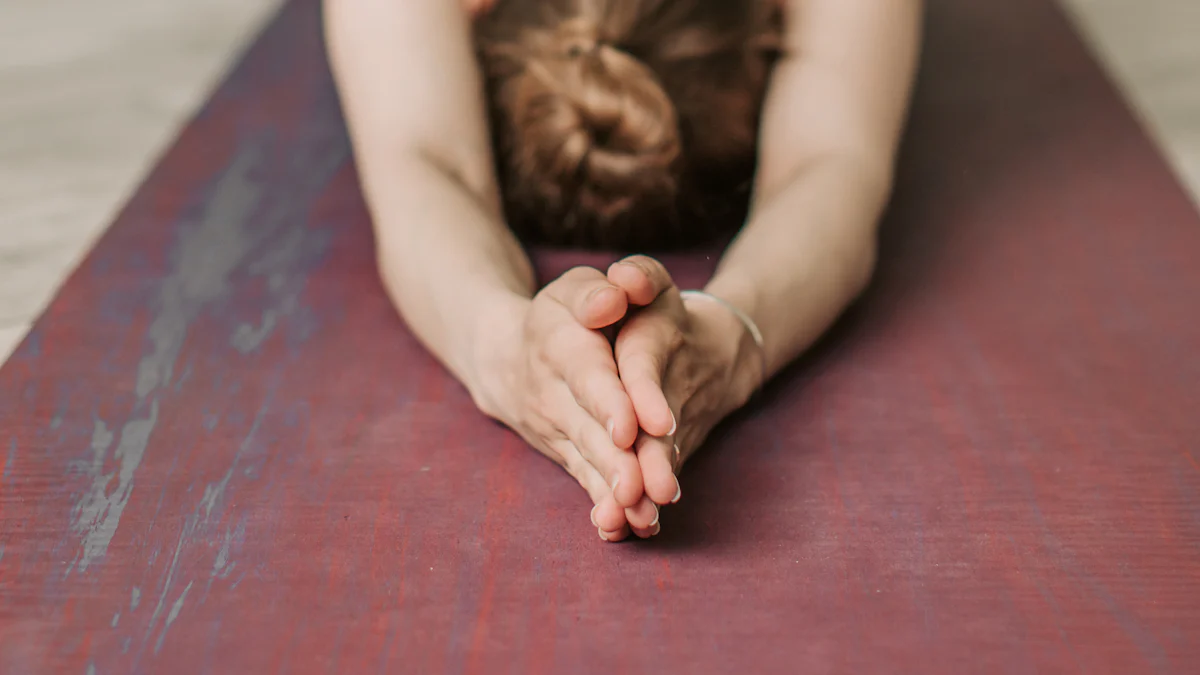
Child’s Pose, or Balasana, offers a gentle stretch for your lower back, hips, and thighs. It’s a resting pose that helps release tension and promotes relaxation. To get started, kneel on the floor with your big toes touching and your knees spread apart. Sit back onto your heels and stretch your arms forward, lowering your chest toward the ground. Rest your forehead on the mat and take slow, deep breaths.
This pose encourages your spine to lengthen naturally, which helps counteract the compression caused by poor posture. It also stretches the muscles in your back and shoulders, making it easier to maintain proper alignment throughout the day. If you feel tightness in your hips or lower back, Child’s Pose provides a safe way to ease that discomfort.
“Yoga enhances posture. Good posture is essential to maintain a strong, healthy, flexible backbone,” experts say. Child’s Pose is a simple yet effective way to support this goal.
Incorporating Child’s Pose into your routine allows you to reset your body and mind. It’s a moment of calm that helps you reconnect with your breath and posture. Use this pose as a break during your yoga practice or whenever you need to release tension.
Downward Dog (Adho Mukha Svanasana)
Downward Dog, or Adho Mukha Svanasana, is one of the most iconic yoga poses. It strengthens your arms, shoulders, and back while stretching your hamstrings and calves. Begin on your hands and knees, with your wrists under your shoulders and knees under your hips. Tuck your toes under and lift your hips toward the ceiling, forming an inverted V shape. Keep your hands and feet firmly grounded, and let your head relax between your arms.
This pose works wonders for improving posture. It elongates your spine and helps decompress your vertebrae, which can feel amazing after sitting for long periods. The stretch in your shoulders and hamstrings also helps release tightness that often pulls your body out of alignment.
Dr. Shannahan highlights the importance of poses like Downward Dog for improving oxygen flow to your tissues. Better oxygenation supports muscle recovery and overall spinal health, making this pose a valuable addition to your routine.
“Appropriate posture removes some back pressure and reduces back pain,” experts emphasize. Downward Dog not only strengthens your body but also helps you achieve this balance.
Practicing Downward Dog regularly builds strength and flexibility, both of which are essential for maintaining good posture. It’s a dynamic pose that energizes your body while promoting alignment. Whether you’re a beginner or an experienced yogi, this pose offers lasting benefits for your back and overall well-being.
Yoga Routine for Back Posture Corrector Yogi
Structuring Your Routine
Creating a yoga routine for back posture correction requires a thoughtful approach. Start by dedicating a specific time each day to your practice. Consistency is key, so choose a time when you’re least likely to be interrupted. Morning sessions can energize your body, while evening practices help release tension from the day.
Begin with a warm-up to prepare your muscles and joints. Simple stretches like Cat-Cow Pose or gentle spinal twists work well. Follow this with a sequence of poses targeting your back, core, and shoulders. Include foundational poses like Mountain Pose to build awareness and strength. Add dynamic movements such as Downward Dog to stretch and elongate your spine.
End your routine with relaxation poses like Child’s Pose. These help your body absorb the benefits of the practice. Keep your sessions manageable—20 to 30 minutes is a great starting point. Over time, you can adjust the duration based on your progress and comfort level.
“Yoga helps you slow down, deepen your breath, and relax tension,” experts say. A structured routine ensures you reap these benefits consistently.
Progression and Consistency
Progression in yoga happens gradually. Avoid rushing through poses or pushing your body too hard. Focus on mastering the basics before moving to advanced postures. For example, perfect your alignment in Cobra Pose before attempting deeper backbends. This approach prevents injuries and builds a strong foundation.
Track your progress by noting how your body feels after each session. Do you notice less tension in your shoulders? Is it easier to sit upright? Celebrate these small victories—they’re signs that your yoga routine for back posture corrector yogi is working.
Consistency matters more than intensity. Practicing three to five times a week yields better results than sporadic, intense sessions. Studies, such as one from the Journal of Orthopaedic Research, show that weekly yoga practice improves pain levels and mobility in individuals with back issues. Stick to your schedule, and you’ll see lasting improvements in your posture and overall well-being.
Integrating Yoga into Your Lifestyle
Incorporating yoga into your daily life doesn’t have to feel overwhelming. Start by weaving short practices into your routine. A quick five-minute stretch in the morning or a calming pose before bed can make a big difference. Use moments of downtime, like waiting for your coffee to brew, to practice simple poses like Tadasana.
Consider joining a yoga class or following online tutorials to stay motivated. Practicing with others can inspire you and provide valuable guidance. If you work at a desk, take breaks to stretch your shoulders and back. Poses like Downward Dog or seated spinal twists can counteract the effects of prolonged sitting.
Breathing techniques also play a vital role in posture improvement. Deep, mindful breaths during yoga help you engage your core and maintain alignment. Over time, this awareness extends beyond the mat, helping you stand taller and move with ease throughout your day.
“Yoga was able to relieve pain and improve disability better than non-exercise,” according to a PLOS ONE meta-analysis. By integrating yoga into your lifestyle, you’ll experience these transformative benefits firsthand.
A yoga routine for back posture corrector yogi isn’t just about the poses—it’s about creating a sustainable practice that fits seamlessly into your life. With dedication and mindfulness, you’ll build strength, flexibility, and confidence in your posture.
Common Mistakes to Avoid
Incorrect Alignment in Poses
Alignment is the foundation of every yoga pose. When your body isn’t properly aligned, you risk straining your muscles and joints. For example, in poses like Cobra or Downward Dog, failing to engage your core or misplacing your hands can lead to unnecessary pressure on your lower back or wrists. These small missteps can add up over time, reducing the effectiveness of your practice.
To avoid this, focus on precision. Use a mirror or record yourself to check your posture. Pay attention to cues from instructors, whether in a class or online. For instance, in Mountain Pose, ensure your weight is evenly distributed across both feet and your shoulders remain relaxed. Proper alignment not only prevents injuries but also maximizes the benefits of each pose.
“Appropriate posture is essential to maintain a strong, healthy, flexible backbone,” experts emphasize. Yoga teaches you to align your body correctly, but it requires mindfulness and practice.
Overstretching or Pushing Too Hard
Yoga is about progress, not perfection. Overstretching or forcing your body into a pose can do more harm than good. You might feel tempted to match the flexibility of others, but this mindset often leads to injuries. For instance, pushing too hard in forward bends can strain your hamstrings or lower back.
Instead, listen to your body. Stretch until you feel a gentle pull, not pain. Use props like blocks or straps to support your movements. In poses like Child’s Pose, allow your body to relax fully rather than forcing a deeper stretch. Remember, yoga is a journey. Progress happens gradually, and respecting your limits ensures long-term growth.
“Yoga involves stretching and strengthening muscles, reducing tension, and building flexibility,” say experts. However, these benefits come with patience and mindful practice.
Inconsistency in Practice
Consistency is the key to reaping the full benefits of yoga. Practicing sporadically won’t yield the same results as a regular routine. Skipping sessions can make it harder to build strength, flexibility, and awareness. Without consistency, you may find it challenging to maintain proper posture throughout the day.
Set a realistic schedule that fits your lifestyle. Even short, daily practices can make a significant difference. For instance, dedicating 10 minutes each morning to poses like Cat-Cow or Downward Dog can help you start the day with better alignment. Over time, these small efforts add up, leading to noticeable improvements in your posture and overall well-being.
“Maintaining a consistent yoga practice offers benefits like improved physical health and mental clarity,” studies reveal. By sticking to your routine, you’ll experience these transformative effects firsthand.
Avoiding these common mistakes ensures that your yoga practice remains safe, effective, and enjoyable. Focus on alignment, respect your body’s limits, and commit to a consistent schedule. With these habits, you’ll unlock the full potential of yoga for posture correction.
Additional Tips for Posture Improvement
Combining Yoga with Ergonomic Adjustments
Yoga can do wonders for your posture, but pairing it with ergonomic adjustments takes the benefits to another level. Think about how much time you spend sitting at a desk or using your phone. Poor posture during these activities often undoes the progress you make on the mat. By making small changes to your environment, you can support your yoga practice and maintain better alignment throughout the day.
Start with your workspace. Adjust your chair so your feet rest flat on the floor and your knees stay at a 90-degree angle. Use a desk that allows your elbows to remain close to your body while typing. Position your computer screen at eye level to avoid hunching over. These tweaks reduce strain on your neck and back, helping you sit upright with ease.
For your phone, hold it at eye level instead of looking down. This simple habit prevents "tech neck," a common issue caused by constantly tilting your head forward. You can also use a lumbar support cushion while driving or sitting for long periods. These tools encourage the natural curve of your lower back, which is essential for good posture.
"I came to yoga overweight, puffy, and rigid," shared one individual. "Even beginner Hatha was too much." This story highlights how physical limitations can make posture improvement feel overwhelming. Ergonomic adjustments offer a practical way to ease into better alignment, especially if you're just starting your yoga journey.
Combining these adjustments with your yoga routine for back posture corrector yogi creates a holistic approach. You’ll notice how much easier it becomes to maintain the alignment you work so hard to achieve on the mat.
Breathing Techniques for Better Posture
Breathing might seem unrelated to posture, but it plays a crucial role. Shallow breathing often leads to tension in your shoulders and neck, pulling your body out of alignment. Deep, mindful breaths, on the other hand, engage your core and help you stand taller.
Start by practicing diaphragmatic breathing. Sit or lie down in a comfortable position. Place one hand on your chest and the other on your belly. Inhale deeply through your nose, letting your belly rise while keeping your chest still. Exhale slowly, feeling your belly fall. This technique strengthens your diaphragm and encourages proper posture by activating your core muscles.
Incorporate this breathing into your yoga practice. For example, sync your breath with movements like Cat-Cow Pose. Inhale as you arch your back into Cow Pose, and exhale as you round your spine into Cat Pose. This connection between breath and movement enhances your body awareness, making it easier to notice and correct poor posture habits.
You can also use breathing techniques during stressful moments. When tension builds, your shoulders tend to creep up, and your posture suffers. Taking a few deep breaths helps you relax and reset your alignment. Over time, this habit becomes second nature, supporting your posture both on and off the mat.
Experts emphasize, "Yoga helps you slow down, deepen your breath, and relax tension." By focusing on your breath, you not only improve your posture but also create a sense of calm and balance in your daily life.
Integrating these breathing techniques into your yoga routine for back posture corrector yogi adds another layer of effectiveness. You’ll feel more grounded, aligned, and in control of your body.
Long-Term Benefits of a Yoga Routine for Back Posture
Improved Spinal Health
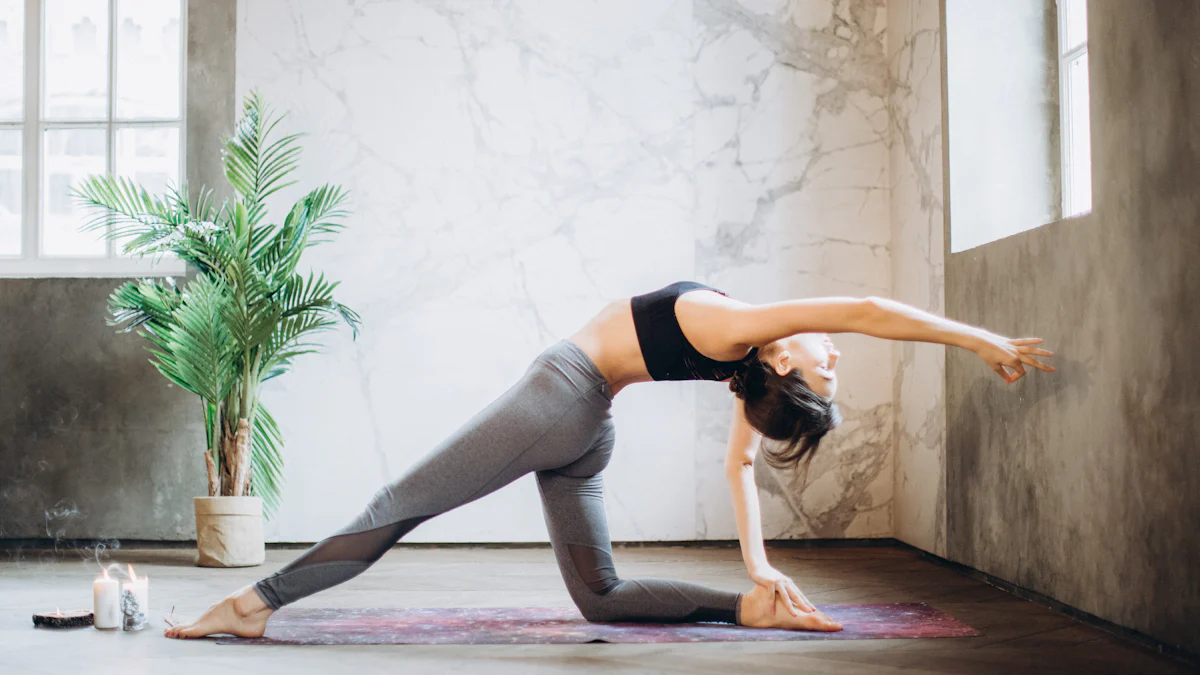
A consistent yoga practice strengthens your spine and enhances its alignment. Many yoga poses, like Cobra and Cat-Cow, gently stretch and strengthen the muscles supporting your back. This helps maintain the natural curves of your spine, reducing strain and preventing injuries. Over time, you’ll notice how your spine feels more stable and flexible.
Yoga also improves spinal health by increasing blood flow to the vertebrae and surrounding tissues. Better circulation nourishes your spine, keeping it healthy and resilient. According to research, yoga reduces back pressure and enhances spinal alignment, which are essential for long-term posture improvement. By practicing regularly, you create a strong foundation for a healthier back.
“Yoga poses can stretch, strengthen, and balance muscles to improve posture and prevent back pain,” experts highlight. This makes yoga a powerful tool for maintaining spinal health.
Reduced Back Pain and Discomfort
If you’ve ever dealt with back pain, you know how it can affect your daily life. Yoga offers a natural way to relieve this discomfort. Poses like Child’s Pose and Downward Dog release tension in your back and shoulders, easing pain caused by poor posture or prolonged sitting. These stretches also improve flexibility, making it easier to move without stiffness.
Studies show that yoga is more effective than non-exercise methods for reducing chronic low back pain. Regular practice strengthens your core and back muscles, which support your spine and reduce the risk of strain. Deep breathing techniques, often used in yoga, promote relaxation and help release tension stored in your body. This combination of movement and mindfulness creates lasting relief from back pain.
A study published in PLOS ONE found that yoga interventions significantly reduce pain and disability in individuals with chronic low back pain. This highlights the transformative impact of yoga on your overall comfort.
Enhanced Overall Well-Being
Yoga doesn’t just improve your posture—it enhances your entire well-being. The physical benefits, like increased strength and flexibility, make everyday activities feel easier. You’ll find it simpler to sit, stand, and move with confidence. Beyond the physical, yoga fosters mental clarity and emotional balance.
Mindful breathing and relaxation techniques in yoga reduce stress and anxiety, which often contribute to poor posture. When you feel calm and centered, your body naturally aligns itself better. Yoga also boosts body awareness, helping you recognize and correct imbalances. This heightened awareness extends beyond the mat, improving how you carry yourself throughout the day.
“Practicing yoga daily can help increase body awareness, identify tension areas, and correct imbalances,” researchers note. This leads to better balance, alignment, and overall health.
By committing to a yoga routine, you invest in your long-term health and happiness. You’ll experience less pain, greater mobility, and a deeper connection to your body. It’s not just about standing straighter—it’s about feeling your best every single day.
Yoga offers a holistic way to correct your back posture while improving your overall well-being. By strengthening your muscles, enhancing flexibility, and building body awareness, yoga helps you stand taller and move with ease. Studies show that consistent yoga practice can reduce back pain within just 4 to 8 weeks and improve mobility over time.
Start small by practicing key poses like Cobra or Child’s Pose and create a routine that fits your lifestyle. Avoid common mistakes, stay consistent, and let yoga transform your posture and daily life. Begin your journey today for a healthier back and a more confident you!
See Also
Starting Your Easy Yoga Practice: A Step-By-Step Guide
Essential Yoga Poses for Those New to Practice
Perfecting the Downward Dog Pose for Beginners

Hi my name is Lia and i am your host in this yoga journey in Portugal, Subscribe to our newsletter to receive every week the best of Yoga in Portugal.

We bring back the importance of initiation into womanhood by Roos-Veerle Krijnen & Ella-June Henrard
Welcome to the Women’s Initiation Retreat by Naked Truth Retreats, a transformative journey into the depths of your True Feminine Nature. This retreat invites you to remember the sacredness and wholeness of your being.
Roos-Veerle Krijnen & Ella-June Henrard