Yoga Position Drawing Made Easy for Beginners

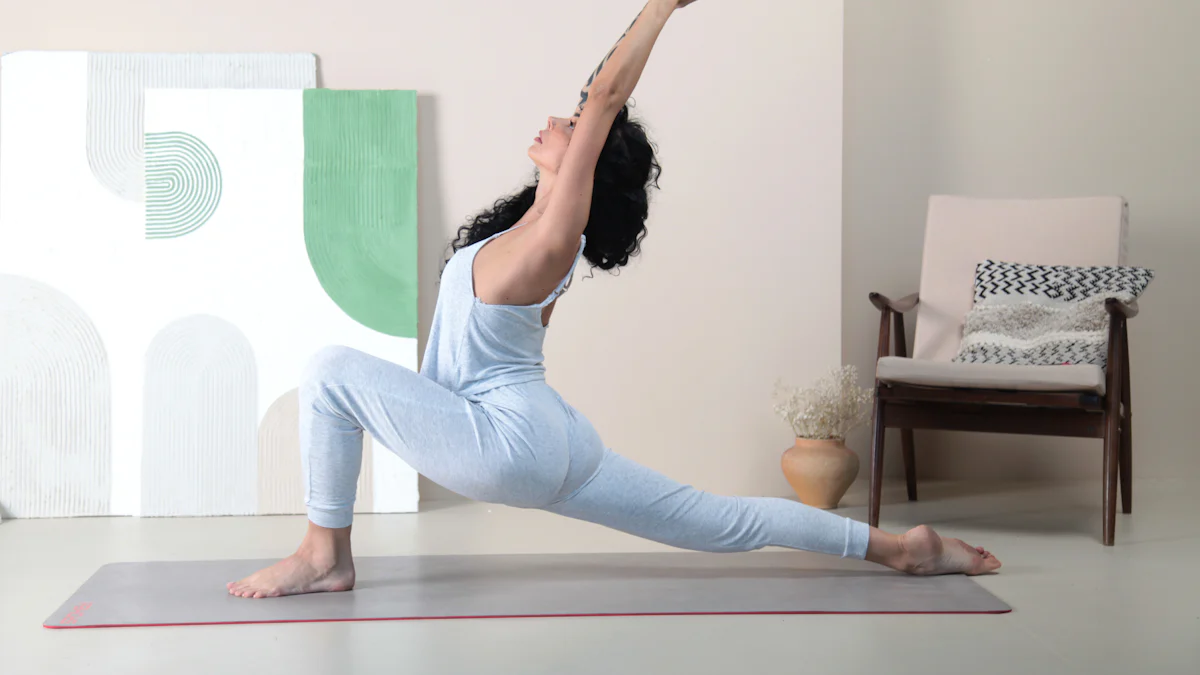
Welcome to the world of yoga position drawing! This post aims to make drawing yoga poses easy and enjoyable for beginners like you. Learning to draw these poses offers several benefits. It enhances your understanding of body movements and improves your artistic skills. Plus, it provides a creative outlet that can reduce stress and boost your mood. In fact, *98.4% of yoga students report reduced stress symptoms*. So, grab your pencils and let's dive into this relaxing and rewarding activity.
Understanding Basic Yoga Poses
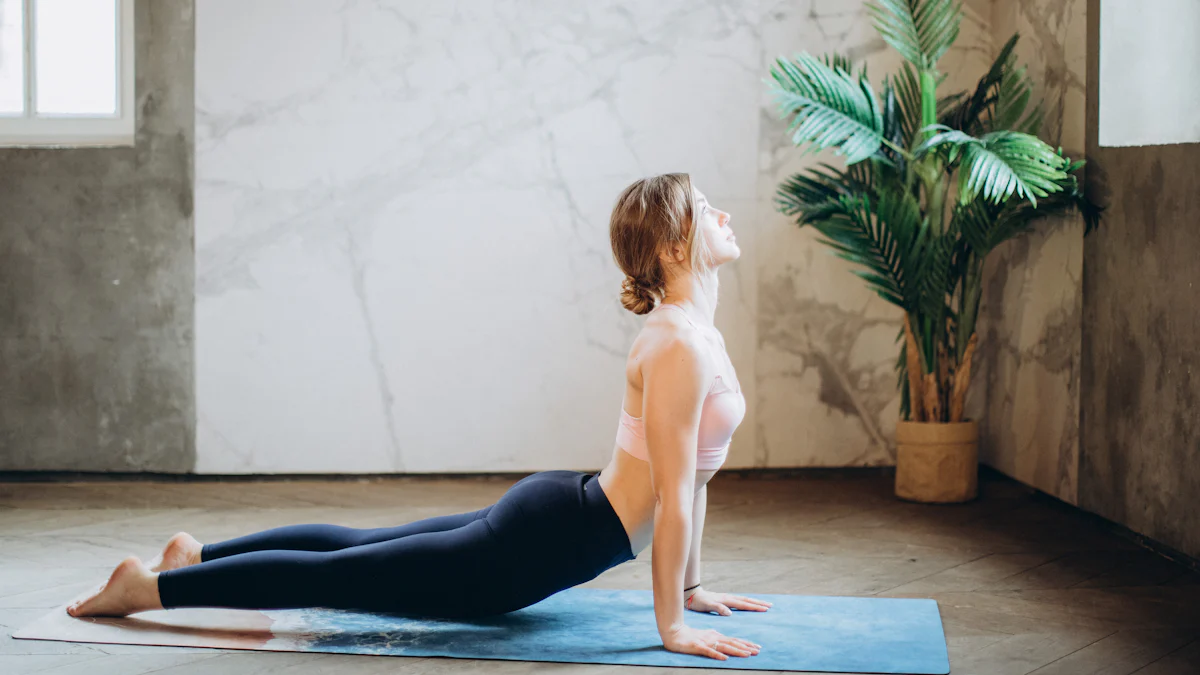
Embarking on the journey of yoga position drawing begins with understanding the basic poses. These foundational poses not only form the core of yoga practice but also serve as excellent starting points for your drawing endeavors. By familiarizing yourself with these poses, you enhance your ability to capture the essence of yoga in your art.
Introduction to Common Yoga Poses
Let's dive into two common yoga poses that are perfect for beginners to draw.
Mountain Pose
The Mountain Pose, or Tadasana, is a fundamental standing pose. It might look simple, but it embodies strength and stability. When drawing this pose, focus on the straight alignment of the body. The feet should be together, and the arms rest by the sides. This pose teaches you about balance and grounding, which are crucial elements in both yoga and drawing. As you sketch, imagine the energy flowing from the ground through the body, creating a sense of calm and focus.
Downward Dog
The Downward Dog, or Adho Mukha Svanasana, is another essential pose. It resembles an inverted V shape. This pose stretches the entire body and improves flexibility. When drawing the Downward Dog, pay attention to the alignment of the hands and feet. The hips should be lifted high, forming a straight line from the wrists to the hips. This pose challenges you to capture the dynamic stretch and balance, enhancing your yoga position drawing skills.
Importance of Body Alignment
Understanding body alignment is key to mastering yoga position drawing. Proper alignment ensures that the poses are depicted accurately and artistically.
Understanding Balance
Balance is a vital aspect of yoga. It involves distributing weight evenly across the body. When drawing, consider how balance affects the pose. For instance, in the Mountain Pose, balance is achieved by aligning the head, shoulders, and hips. This alignment not only stabilizes the pose but also makes your drawing more realistic and engaging.
Symmetry in Poses
Symmetry plays a significant role in yoga and drawing. Many yoga poses require symmetrical alignment, which creates harmony and balance. In your drawings, symmetry can enhance the visual appeal. For example, in the Downward Dog, the symmetry between the arms and legs adds to the pose's elegance. By focusing on symmetry, you improve your ability to depict yoga poses accurately.
Scientific Research Findings: Yoga improves brain functioning in centers responsible for posture and balance. It enhances flexibility and quality of life, especially for those with chronic pain. These benefits translate into your drawings, as understanding these elements helps you create more lifelike and expressive art.
By grasping these basic yoga poses and their importance, you lay a solid foundation for your yoga position drawing journey. Keep practicing, and you'll find that your skills and understanding will grow, making each drawing session more rewarding.
Using Reference Materials
When you're starting out with yoga position drawing, reference materials become your best friends. They guide you in capturing the essence of each pose accurately. Let's explore how to find and use these resources effectively.
Finding Quality References
Quality references are crucial for improving your drawing skills. They provide a clear picture of what you're aiming to capture on paper.
Online Resources
The internet is a treasure trove of yoga pose references. Websites like Pinterest and YouTube offer countless images and tutorials. You can search for specific poses or browse through collections. These platforms allow you to see different angles and styles, helping you understand the nuances of each pose. Bookmark your favorite resources for easy access later.
Books and Guides
Books and guides offer structured insights into yoga poses. They often include detailed descriptions and illustrations. Look for books that focus on yoga for beginners. These usually break down poses into simple steps, making them easier to draw. Libraries and bookstores are great places to find these resources. Consider investing in a few good guides to build your reference library.
Analyzing Reference Images
Once you have your references, the next step is to analyze them. This helps you understand what makes each pose unique.
Identifying Key Features
Every yoga pose has key features that define it. Focus on these when analyzing your references. For example, in the Mountain Pose, notice the straight alignment of the body. In the Downward Dog, observe the inverted V shape. Identifying these features helps you capture the essence of the pose in your drawings.
Simplifying Complex Poses
Some yoga poses might seem complex at first glance. Break them down into simpler shapes. Start by sketching basic lines and curves. This approach makes it easier to understand the pose's structure. Once you have the basic outline, add details gradually. Simplifying poses helps you build confidence and improve your drawing skills over time.
Tip: Practice makes perfect. The more you analyze and draw, the better you'll get at capturing yoga poses. Keep experimenting with different references and techniques to find what works best for you.
By using reference materials effectively, you enhance your ability to draw yoga poses with accuracy and creativity. Dive into your resources, and let them inspire your artistic journey.
Practicing with Simple Stick Figures
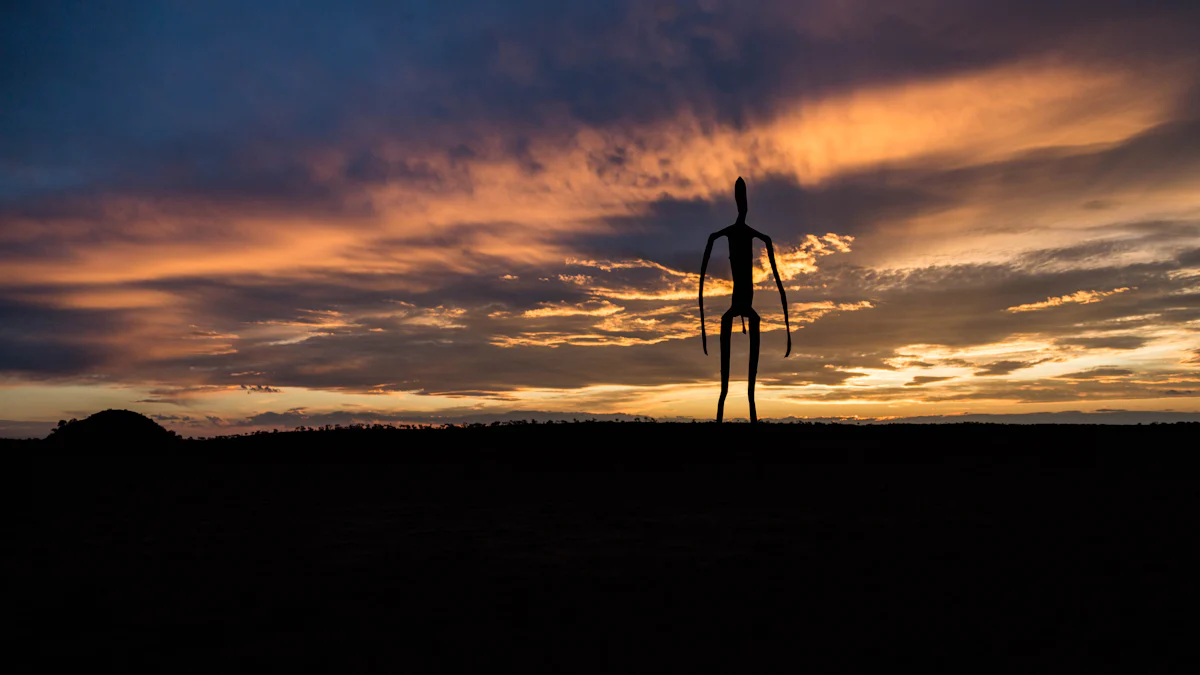
Starting with simple stick figures can make yoga position drawing less intimidating. Stick figures help you focus on the basic structure of a pose without getting bogged down by details. This approach allows you to capture the essence of yoga positions quickly and effectively.
Basics of Stick Figure Drawing
Stick figures are your best friends when you're just beginning. They provide a straightforward way to understand the proportions and movement of yoga poses.
Proportions and Scale
Getting the proportions right is crucial in yoga position drawing. Start by drawing a vertical line for the spine. This line serves as the backbone of your stick figure. Add horizontal lines for the shoulders and hips. These lines help you maintain the correct scale. Keep the limbs simple with straight lines. Remember, the head should be a small circle at the top. Practicing these proportions will make your drawings more accurate and balanced.
Adding Movement and Flow
Once you have the basic structure, it's time to add some life to your stick figures. Movement and flow are essential in yoga position drawing. Bend the lines slightly to show the body's natural curves. For example, in the Downward Dog, curve the spine line to mimic the inverted V shape. This technique helps convey the dynamic nature of yoga poses. Experiment with different angles and positions to capture the fluidity of each pose.
Transitioning to Detailed Sketches
After mastering stick figures, you can start adding more details to your drawings. This transition helps you refine your skills and create more realistic representations of yoga poses.
Adding Muscle Definition
Muscle definition adds depth to your yoga position drawing. Begin by sketching over your stick figures. Use curved lines to outline the muscles. Focus on areas like the arms, legs, and torso. These areas often show muscle tension in yoga poses. Don't worry about perfection. The goal is to suggest muscle form and movement. With practice, your drawings will become more lifelike and expressive.
Capturing Facial Expressions
Facial expressions bring personality to your yoga position drawing. Even simple expressions can convey the mood of a pose. Start by drawing basic features like eyes, nose, and mouth. Consider the emotion behind the pose. Is it calm, focused, or energetic? Reflect this in the facial expression. A slight smile or furrowed brow can make a big difference. Experiment with different expressions to see how they change the feel of your drawing.
Tip: Practice regularly to improve your skills. The more you draw, the more confident you'll become in capturing the essence of yoga poses. Keep experimenting with different techniques and styles to find what works best for you.
By practicing with stick figures and transitioning to detailed sketches, you enhance your ability to draw yoga positions with accuracy and creativity. Embrace this process, and watch your artistic skills flourish.
Developing Your Unique Style
Creating your unique style in yoga position drawing is an exciting journey. It allows you to express your personality and creativity through art. Let's explore how you can experiment with different techniques and build confidence in your artistic abilities.
Experimenting with Different Techniques
Trying out various techniques can help you discover what works best for you. It adds depth and character to your yoga position drawings.
Line Work and Shading
Line work and shading are essential elements in drawing. They bring your yoga poses to life. Start by experimenting with different line thicknesses. Thin lines can add delicacy, while thick lines can emphasize strength. Shading adds dimension and realism. Practice shading to show the light and shadow on the body. This technique enhances the three-dimensional look of your drawings. Remember, practice makes perfect. Keep experimenting until you find a style that feels right for you.
Incorporating Personal Flair
Your personal flair is what makes your art unique. Think about what inspires you. Maybe it's a particular color palette or a specific way of capturing movement. Incorporate these elements into your yoga position drawings. Don't be afraid to break the rules and try something new. Your art should reflect who you are. As you develop your style, you'll find that your drawings become more expressive and engaging.
Testimonial: Sujana Bharadwaj shared her experience of overcoming initial hesitation and finding her unique style through classes with Venu Sir. She mentioned, "His teaching style is very unique... he encourages his students to explore different medium/techniques."
Building Confidence in Your Art
Building confidence is crucial in your artistic journey. It helps you overcome challenges and celebrate your progress.
Overcoming Common Challenges
Every artist faces challenges. Whether it's a difficult pose or a new technique, don't let it discourage you. Break down the problem into smaller parts. Focus on one aspect at a time. Seek feedback from fellow artists or mentors. They can offer valuable insights and suggestions. Remember, every challenge is an opportunity to learn and grow.
Testimonial: Deepthi Kanchanapally emphasized the importance of learning from challenges. She noted, "He [Madhav] wishes to teach every new technique or struggle he went through... so that they don’t have to travel the same rough path."
Celebrating Progress
Celebrate your progress, no matter how small. Each drawing you complete is a step forward in your journey. Keep a portfolio of your work. Look back at your earlier drawings and see how far you've come. This reflection boosts your confidence and motivates you to keep improving. Share your art with others. Positive feedback can be incredibly encouraging.
Testimonial: Surya Bhanu expressed the joy of seeing improvement in his work, saying, "After finishing my first work I haven’t believed the fact that I have drawn so well... I get myself motivated whenever I see my works."
By developing your unique style and building confidence, you enhance your yoga position drawing skills. Embrace the process, and enjoy the creative journey. Your art is a reflection of you, and that's something truly special.
Tips for Further Practice
To truly excel in yoga position drawing, you need to practice regularly and seek inspiration from various sources. Here are some tips to help you on your artistic journey.
Setting Up a Regular Practice Routine
Creating a consistent routine is essential for improving your skills in yoga position drawing. It helps you stay focused and motivated.
Time Management
Managing your time effectively can make a big difference in your practice. Set aside specific times each week dedicated to drawing. Even short sessions can be beneficial if done consistently. Prioritize your drawing time just like any other important activity. This commitment will help you see steady progress in your work.
Creating a Comfortable Workspace
A comfortable workspace can enhance your creativity and productivity. Find a quiet spot where you can focus without distractions. Ensure good lighting and have all your drawing materials within reach. A supportive chair and desk can also make your practice more enjoyable. By creating a pleasant environment, you’ll look forward to your drawing sessions.
Seeking Feedback and Inspiration
Feedback and inspiration are crucial for growth in yoga position drawing. They provide new perspectives and ideas to explore.
Joining Art Communities
Joining art communities can offer valuable support and feedback. Online platforms like forums or social media groups connect you with fellow artists. Share your work and ask for constructive criticism. Engaging with others can boost your confidence and inspire new techniques. You’ll find that learning from others enriches your own practice.
Learning from Other Artists
Other artists can be a great source of inspiration. Study their work to understand different styles and approaches to yoga position drawing. Attend workshops or watch tutorials to learn new techniques. Experiment with what you learn and incorporate it into your own style. This exploration helps you grow as an artist and keeps your practice exciting.
Insight: Setting clear goals and maintaining a consistent work schedule can significantly enhance your productivity and motivation. Creating a supportive studio environment further nurtures your artistic journey.
By following these tips, you’ll find that your yoga position drawing skills improve over time. Embrace the process, and enjoy the creative journey. Remember, every drawing is a step forward in your artistic development.
Keep practicing and improving your yoga position drawing skills. Each sketch you create is a step forward in your artistic journey. Remember, the joy of drawing yoga poses lies in the process itself. As you draw, you not only enhance your artistic abilities but also find a sense of peace and satisfaction. Surya Bhanu shared how sketching under guidance fulfilled a childhood wish, bringing immense joy and inspiration. Embrace this creative outlet, and let it be a source of happiness and personal growth. Keep drawing, and enjoy every moment of it!
See Also
Best Yoga Institutes in Rishikesh for 2024
Hi my name is Lia and i am your host in this yoga journey in Portugal, Subscribe to our newsletter to receive every week the best of Yoga in Portugal.

We bring back the importance of initiation into womanhood by Roos-Veerle Krijnen & Ella-June Henrard
Welcome to the Women’s Initiation Retreat by Naked Truth Retreats, a transformative journey into the depths of your True Feminine Nature. This retreat invites you to remember the sacredness and wholeness of your being.
Roos-Veerle Krijnen & Ella-June Henrard