Discover Yoga Poses to Lower Your Blood Pressure

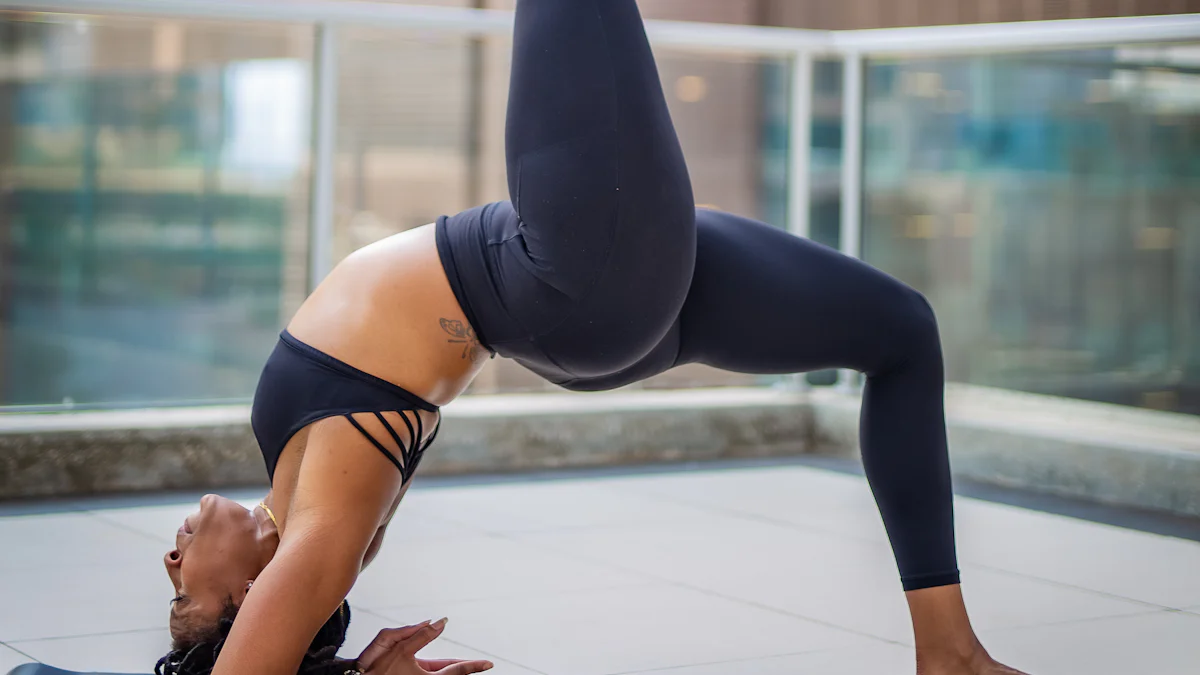
High blood pressure, or hypertension, affects nearly half of U.S. adults. This condition poses serious health risks, including heart disease and stroke. Managing your blood pressure is crucial for maintaining overall well-being. While medications and lifestyle changes are common approaches, you might wonder about alternative methods. Yoga offers a natural way to help manage blood pressure. By incorporating specific poses and breathing techniques, you can find a holistic approach to health. Curious about how to control high blood pressure by yoga? Let's explore this ancient practice and its benefits for your heart.
Understanding High Blood Pressure
What is High Blood Pressure?
Definition and causes
High blood pressure, also known as hypertension, occurs when the force of your blood against the walls of your arteries is consistently too high. This condition can develop due to several factors. Age plays a significant role, as blood vessels naturally lose some elasticity over time. Family history can also increase your risk, making it important to be aware of your genetic predisposition. Lifestyle choices, such as a high-salt diet, lack of physical activity, and excessive alcohol consumption, contribute significantly to hypertension. Obesity is another major factor, with studies like the NHLBI's Framingham Heart Study showing that obesity accounts for a large percentage of hypertension cases in both men and women.
Health risks associated with high blood pressure
Living with high blood pressure can lead to serious health complications. It increases your risk of heart disease, which remains a leading cause of death worldwide. Stroke is another potential consequence, as hypertension can damage and weaken your brain's blood vessels. Chronic kidney disease may also develop, as high blood pressure can harm the arteries around the kidneys. These risks highlight the importance of managing your blood pressure effectively.
Conventional Methods of Managing Blood Pressure
Medication and lifestyle changes
Doctors often recommend a combination of medication and lifestyle changes to manage high blood pressure. Medications can help lower your blood pressure by relaxing your blood vessels or reducing your heart rate. Lifestyle changes, such as adopting a healthier diet and increasing physical activity, play a crucial role in controlling hypertension. The DASH diet (Dietary Approaches to Stop Hypertension) is particularly effective, emphasizing fruits, vegetables, and low-fat dairy products while reducing salt intake.
Limitations of conventional methods
While these conventional methods can be effective, they come with limitations. Medications may cause side effects, and not everyone responds to them in the same way. Lifestyle changes require commitment and consistency, which can be challenging for many people. Additionally, these methods might not address the underlying stress and tension that contribute to high blood pressure. This is where yoga can offer a complementary approach, providing relaxation and stress reduction benefits that enhance overall blood pressure management.
How to Control High Blood Pressure by Yoga
How Yoga Helps in Reducing Blood Pressure
Yoga offers a natural and effective way to manage high blood pressure. You might wonder how this ancient practice can make such a difference. Let's dive into the benefits.
Stress reduction and relaxation
Yoga excels at reducing stress, which plays a significant role in high blood pressure. When you practice yoga, you engage in deep breathing and mindful movements. These techniques help calm your mind and body. As you relax, your stress levels decrease, leading to lower blood pressure. Yoga teaches you to focus on the present moment, which can reduce anxiety and tension. This stress reduction is crucial for maintaining healthy blood pressure levels.
Improved circulation and heart health
Yoga also improves circulation and heart health. Certain poses, like the Forward Bend and Legs-Up-the-Wall Pose, encourage blood flow throughout your body. This increased circulation helps your heart work more efficiently. As your heart becomes stronger, it can pump blood with less effort, reducing the pressure on your arteries. Regular yoga practice can lead to better cardiovascular health, which is essential for controlling high blood pressure.
Scientific Studies Supporting Yoga for Blood Pressure
You might be curious about the scientific backing for yoga's benefits. Several studies highlight yoga's positive impact on blood pressure.
Overview of key studies
Research shows that yoga can modestly reduce high blood pressure. One study found that practicing yoga at least three times a week significantly lowered both systolic and diastolic blood pressure. Another study published in the Mayo Clinic Proceedings revealed that people who practiced yoga for an hour about five times a week experienced notable reductions in their blood pressure over 13 weeks. These findings suggest that yoga is an effective intervention for managing hypertension.
Expert recommendations
Experts recommend incorporating yoga into your routine to help control high blood pressure. They suggest practicing yoga regularly, ideally several times a week, to achieve the best results. Yoga not only complements conventional treatments but also addresses stress and tension, which are often overlooked in traditional methods. By embracing yoga, you can take a proactive approach to managing your blood pressure and improving your overall well-being.
Incorporating yoga into your lifestyle offers a holistic way to manage high blood pressure. By focusing on stress reduction, relaxation, and improved circulation, yoga provides a natural solution to this common health issue. With scientific studies supporting its effectiveness, you can confidently explore how to control high blood pressure by yoga and enjoy the benefits it brings to your heart and mind.
Essential Yoga Poses for Lowering Blood Pressure

Forward Bend (Uttanasana)
Benefits and technique
The Forward Bend (Uttanasana) is a simple yet powerful pose that can help lower your blood pressure. This pose promotes relaxation and helps regulate blood flow. By bending forward, you allow gravity to assist in calming your mind and body. To perform this pose, stand with your feet hip-width apart. Slowly bend forward from your hips, keeping your knees slightly bent. Let your arms hang down or hold onto opposite elbows. Breathe deeply and relax into the stretch.
Precautions and modifications
While practicing Uttanasana, listen to your body. If you feel any discomfort, bend your knees more or use a block for support. Avoid this pose if you have severe back issues. Always move gently and avoid forcing your body into the position.
Legs-Up-the-Wall Pose (Viparita Karani)
Benefits and technique
The Legs-Up-the-Wall Pose (Viparita Karani) is a restorative pose that promotes relaxation and improves circulation. This pose helps reduce stress and tension, which can contribute to high blood pressure. To practice this pose, sit sideways against a wall. Swing your legs up the wall as you lie back. Your body should form an L-shape. Rest your arms by your sides and breathe deeply. Stay in this position for several minutes, allowing your body to relax.
Precautions and modifications
If you find it uncomfortable to lie flat, place a folded blanket under your hips for support. Avoid this pose if you have serious neck or back problems. Always ensure you feel comfortable and supported throughout the practice.
Child's Pose (Balasana)
Benefits and technique
Child's Pose (Balasana) provides an opportunity for calm and relaxation. It prepares your hips and spine for movement by providing openness and length. This gentle pose helps reduce stress and tension, making it beneficial for managing high blood pressure. To perform Balasana, kneel on the floor and sit back on your heels. Lean forward, extending your arms in front of you or resting them by your sides. Allow your forehead to touch the ground and breathe deeply.
Precautions and modifications
If you experience discomfort in your knees, place a cushion or blanket between your thighs and calves. For those with limited mobility, widen your knees to create more space. Always prioritize comfort and ease in this pose.
By incorporating these yoga poses into your routine, you can take a proactive approach to managing your blood pressure. Each pose offers unique benefits, helping you relax and improve circulation. Remember to practice regularly and listen to your body, making modifications as needed.
Creating a Yoga Routine for Blood Pressure Management

Designing a Personalized Yoga Practice
Creating a yoga routine tailored to your needs can significantly impact your blood pressure management. Here's how you can design a practice that works for you:
Frequency and duration
To reap the benefits of yoga, consistency is key. Aim to practice yoga at least three to five times a week. Each session can last anywhere from 20 to 60 minutes, depending on your schedule and comfort level. Start with shorter sessions and gradually increase the duration as you become more comfortable with the poses.
Combining poses for maximum benefit
A well-rounded yoga routine should include a mix of poses that promote relaxation, improve circulation, and enhance flexibility. Consider incorporating poses like Forward Bend, Legs-Up-the-Wall, and Child's Pose. These poses work together to help lower blood pressure by reducing stress and improving heart health. Remember to move slowly between poses to avoid any sudden spikes in blood pressure.
"Customized yoga sequence as per individual requirements is recommended."
Tips for Consistency and Motivation
Staying consistent with your yoga practice can be challenging, but these tips can help keep you motivated:
Setting realistic goals
Set achievable goals for your yoga practice. Start with small, manageable objectives, such as practicing for 10 minutes a day or mastering a specific pose. As you progress, gradually increase your goals to maintain motivation and track your improvement.
Incorporating yoga into daily life
Make yoga a part of your daily routine by integrating it into your lifestyle. You can practice yoga in the morning to start your day with energy or in the evening to unwind and relax. Find a time that works best for you and stick to it. Additionally, consider joining a yoga class or finding a yoga buddy to keep you accountable and make the practice more enjoyable.
By designing a personalized yoga routine and staying consistent, you can effectively manage your blood pressure and improve your overall well-being. Remember to listen to your body, prioritize safety, and enjoy the journey towards better health.
Additional Lifestyle Changes to Support Yoga Practice
Diet and Nutrition
Foods that support blood pressure management
Your diet plays a crucial role in managing blood pressure. Incorporating certain foods can make a significant difference. Focus on consuming fruits, vegetables, and whole grains. These foods are rich in nutrients like potassium and magnesium, which help regulate blood pressure. Leafy greens, berries, and oats are excellent choices. Nuts and seeds also provide healthy fats that support heart health.
"The DASH diet (Dietary Approaches to Stop Hypertension) emphasizes these food groups and has been shown to effectively lower blood pressure."
Hydration and its importance
Staying hydrated is essential for maintaining healthy blood pressure levels. Water helps your body function properly and keeps your blood vessels flexible. Aim to drink at least eight glasses of water a day. You can also include herbal teas and infused water for variety. Avoid sugary drinks and excessive caffeine, as they can contribute to dehydration and increase blood pressure.
Stress Management Techniques
Meditation and mindfulness
Managing stress is vital for controlling blood pressure. Meditation and mindfulness practices offer effective ways to reduce stress. Spend a few minutes each day focusing on your breath and clearing your mind. This practice helps calm your nervous system and lowers stress hormones. You can try guided meditation apps or join a local class to get started.
Scientific Research Findings:
Influence of Yoga on Stress and Hypertension: Yoga practices help in reducing stress and managing hypertension by reducing mental stress and autonomic imbalance.
Breathing exercises
Breathing exercises complement yoga and meditation in managing stress. Deep breathing techniques, such as diaphragmatic breathing, can lower blood pressure by promoting relaxation. Practice inhaling deeply through your nose, holding for a few seconds, and exhaling slowly through your mouth. Repeat this process several times a day to help calm your mind and body.
Scientific Research Findings:
Effect of Yoga on Hypertension: Yoga modulates the physiological system of the body and has significant cardio-respiratory benefits.
By incorporating these lifestyle changes alongside your yoga practice, you can create a comprehensive approach to managing your blood pressure. A balanced diet, proper hydration, and stress management techniques work together to support your overall well-being. Remember, consistency is key. Embrace these changes as part of your daily routine to enjoy lasting benefits.
Yoga offers a natural and effective way to manage high blood pressure. By practicing regularly, you can enjoy benefits like stress reduction, improved circulation, and enhanced heart health. Incorporating yoga into your daily routine can transform your well-being. Start with simple poses and gradually build your practice.
Vungarala Satyanand: Yoga is proved to be a best method to treat high blood pressure.
Explore further resources and seek expert guidance to deepen your understanding. Embrace yoga as a holistic approach to maintaining healthy blood pressure and overall wellness.
See Also
Exploring the Wellness Advantages of Yoga
Yoga's Role in Alleviating Anxiety Signs
Beginning Your Yoga Journey: Simple Pointers

Hi my name is Lia and i am your host in this yoga journey in Portugal, Subscribe to our newsletter to receive every week the best of Yoga in Portugal.

We bring back the importance of initiation into womanhood by Roos-Veerle Krijnen & Ella-June Henrard
Welcome to the Women’s Initiation Retreat by Naked Truth Retreats, a transformative journey into the depths of your True Feminine Nature. This retreat invites you to remember the sacredness and wholeness of your being.
Roos-Veerle Krijnen & Ella-June Henrard