How to Master Yoga Poses Folding Back Over a Bended Knee

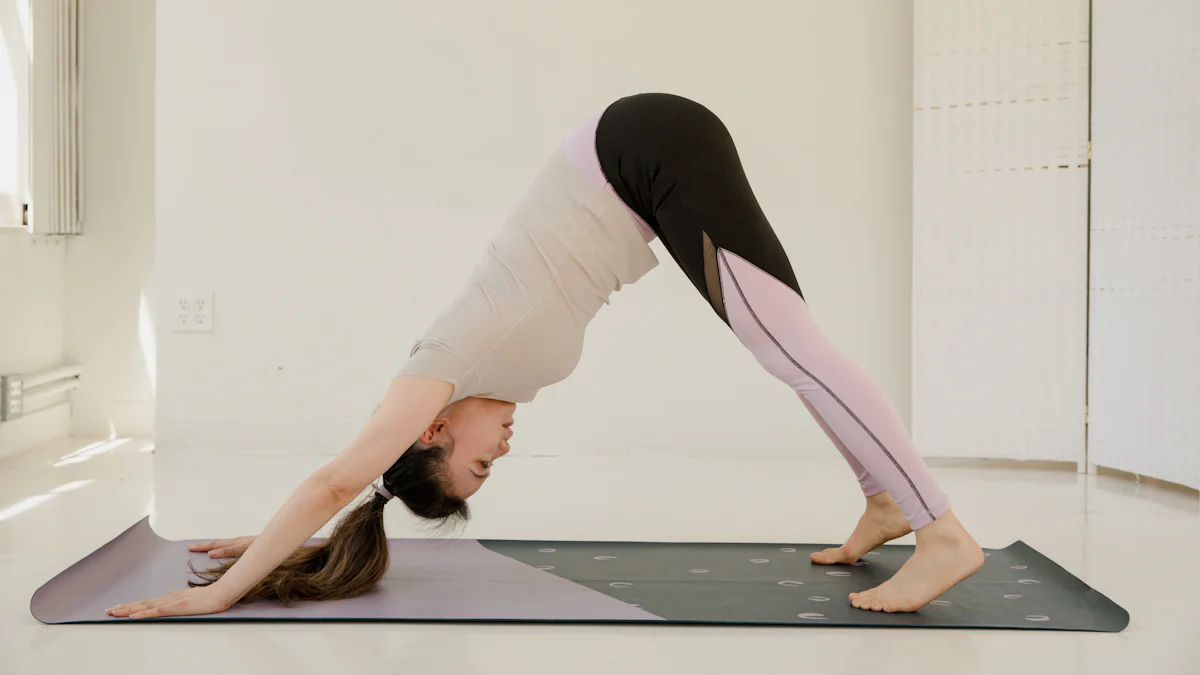
Mastering a yoga pose that involves a fold back over a bended knee can truly elevate your practice. These poses enhance flexibility, strengthen your core, and cultivate mindfulness. They also allow you to connect with your body on a deeper level. Maintaining proper alignment during a yoga pose fold back over bended knee is essential. It not only helps prevent injuries but also ensures you reap the full benefits of each movement. As yoga trainers at Bliss Flow emphasize, “Proper alignment maximizes benefits and reduces risks.” Approach these poses with patience and dedication. Progress may take time, but with consistency, you’ll gain strength, balance, and confidence.
Key Takeaways
Focus on proper alignment to maximize benefits and minimize injury risks during yoga poses.
Use props like blocks and straps to support your practice, making challenging poses more accessible.
Engage your core to protect your spine and avoid overarching during backbends.
Incorporate preparatory poses like Cat-Cow and Low Lunge to warm up and open your body before attempting deeper stretches.
Practice mindfulness and breath awareness to enhance emotional balance and reduce stress while performing backbends.
Celebrate small victories in your practice, as progress in yoga is a journey that builds confidence and self-awareness.
Remember to include counter poses like Child’s Pose to release tension and restore balance after backbending.
Step-by-Step Guide to Yoga Poses Folding Back Over a Bended Knee
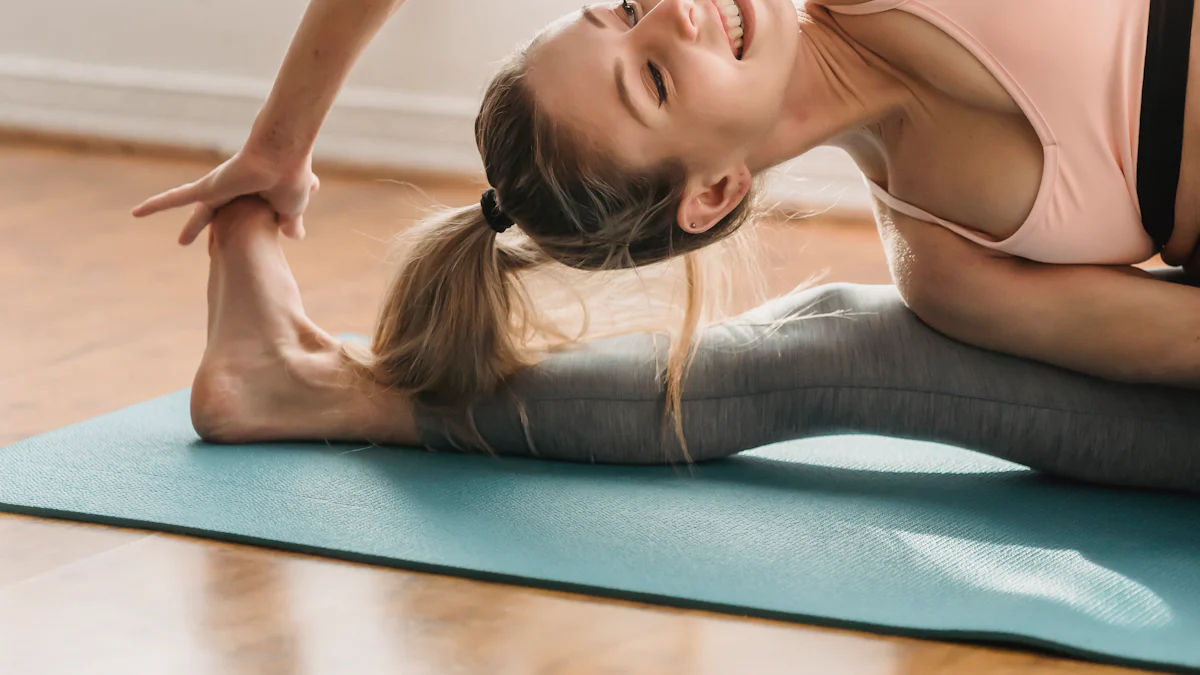
Camel Pose Variation (Ustrasana with a Bended Knee)
How to enter the pose safely
To begin this variation of Camel Pose, kneel on your mat with your knees hip-width apart. Place your hands on your lower back for support. Bend one knee and bring the foot forward, planting it firmly on the ground. Keep your other leg in the kneeling position. Slowly lift your chest and lengthen your spine. As you lean back, reach one hand toward your heel while keeping the other hand on your lower back for stability. Avoid rushing into the pose. Move with control to protect your spine and knees.
“Proper alignment maximizes benefits and reduces risks,” as yoga trainers often emphasize. This is especially true for backbends like this one.
Key alignment tips for the back, hips, and shoulders
Alignment is crucial in this pose. Keep your hips square and avoid letting them twist or tilt. Engage your core to support your lower back and prevent overarching. Roll your shoulders back and down to open your chest fully. Imagine lifting through your sternum rather than collapsing into your lower back. These adjustments help you maintain balance and avoid strain.
King Pigeon Pose (Eka Pada Rajakapotasana)
Step-by-step instructions for folding back over the bended knee
Start in a low lunge position with one leg forward and the other extended behind you. Lower your hips toward the mat and slide your back leg further until your front knee bends at a 90-degree angle. Square your hips to the front of the mat. Slowly lift your chest and begin folding back over your bended knee. Reach your arms overhead or place your hands on your hips for support. Focus on lengthening your spine as you fold back.
This pose activates the vagus nerve, which can promote feelings of calm and well-being. Studies on back-bending postures highlight their ability to enhance emotional balance and reduce stress.
How to use props for support
Props can make this pose more accessible. Place a block under your front hip if it doesn’t reach the ground. Use a strap around your back foot to help you deepen the fold without straining. A folded blanket under your back knee can provide extra cushioning. These modifications allow you to focus on alignment and gradually build flexibility.
Low Lunge Backbend (Anjaneyasana Variation)
How to transition into the pose
Begin in a low lunge with one foot forward and the other leg extended back. Rest your back knee on the mat. Place your hands on your front thigh for support. Inhale deeply and lift your arms overhead. As you exhale, gently arch your back and lean into the stretch. Keep your gaze forward or slightly upward. This transition should feel smooth and controlled.
Maintaining balance and stability
To stay balanced, press firmly into your front foot and engage your core. Keep your hips aligned and avoid letting them shift to one side. Focus on grounding through your back knee and shin. If you feel wobbly, place your hands on your hips or use a wall for support. Stability in this pose allows you to deepen the stretch safely.
Backbends like this one not only improve flexibility but also support cardiovascular health. According to findings from the Blue Point Yoga Center, these poses can enhance circulation and boost overall vitality.
Common Mistakes in Yoga Poses Folding Back Over a Bended Knee and Their Corrections
Overarching the lower back
How to engage the core to protect the spine
One of the most common mistakes in a yoga pose fold back over bended knee is overarching your lower back. This can lead to discomfort or even strain. To avoid this, focus on engaging your core muscles. Think of gently pulling your belly button toward your spine. This action supports your lower back and keeps it safe.
When you fold back, imagine lengthening your spine upward before arching. This helps distribute the bend evenly across your back instead of dumping all the pressure into your lower spine. If you feel any pinching or sharp pain, pause and reset your alignment. Remember, protecting your spine is more important than achieving a deeper backbend.
“By being aware of common sequencing mistakes, you can create safe and effective movements,” as yoga instructors often remind their students.
Misalignment of the hips
Tips for keeping the hips square and stable
Misaligned hips can throw off your balance and reduce the effectiveness of the pose. To keep your hips square, start by grounding through both legs evenly. Check that your front hip isn’t dipping or your back hip isn’t lifting. A simple way to ensure stability is to place your hands on your hips and feel for any unevenness.
Engage your glutes and thighs to stabilize your pelvis. Visualize your hips as headlights pointing straight ahead. If you’re struggling, use a mirror or ask a yoga partner to observe your alignment. Small adjustments can make a big difference in how the pose feels and benefits your body.
Straining the neck or shoulders
How to relax and elongate the upper body
Tension in the neck and shoulders is another frequent issue. When folding back, avoid scrunching your shoulders toward your ears. Instead, roll them down and back to open your chest. Keep your neck long by imagining a string gently pulling the crown of your head upward.
If you feel strain in your neck, adjust your gaze. Looking slightly forward or upward can help you maintain a neutral neck position. Avoid forcing your head back, as this can compress your cervical spine. Relax your jaw and breathe deeply to release any lingering tension. A relaxed upper body allows you to fully enjoy the stretch and benefits of the pose.
*It requires intention, attention, and compassion towards your body’s needs.* By addressing these common mistakes, you can practice safely and effectively.
Benefits of Yoga Poses Folding Back Over a Bended Knee
Physical Benefits
Improves spinal flexibility and strength
Folding back over a bended knee in yoga strengthens your spine while improving its flexibility. These poses encourage the lengthening of your back muscles, which helps you move more freely and reduces stiffness. Regular practice can also enhance your overall posture by aligning your spine properly. Studies show that yoga practitioners often experience increased lower back and hamstring flexibility, which contributes to better movement and reduced discomfort during daily activities.
Backbends, like those involved in this yoga pose, also promote blood flow throughout your body. This improved circulation supports spinal health and boosts energy levels. By practicing these poses consistently, you’ll notice a stronger and more resilient back, making it easier to handle physical challenges.
Opens the hips and chest for better posture
When you fold back over a bended knee, you open up your hips and chest, which directly impacts your posture. Tight hips and a closed chest often lead to slouching or rounded shoulders. These poses counteract that by stretching and releasing tension in these areas. As your hips open, your pelvis aligns better, reducing strain on your lower back.
Opening your chest also allows you to breathe more deeply and fully. This not only improves oxygen flow but also helps you feel more confident and upright. Over time, you’ll stand taller and move with greater ease, thanks to the balance and alignment these poses bring to your body.
Mental and Emotional Benefits
Encourages mindfulness and stress relief
Yoga poses that involve folding back over a bended knee encourage you to focus on your breath and body. This mindfulness helps you stay present, reducing mental clutter and stress. Backbends, in particular, stimulate the vagus nerve, which plays a key role in calming your nervous system. As a result, you may feel a sense of relaxation and emotional balance after practicing these poses.
The act of bending backward also symbolizes openness and vulnerability, which can help release pent-up emotions. Many people find that these poses leave them feeling lighter and more at peace. Incorporating them into your routine can create a calming ritual that supports your mental well-being.
Boosts confidence and self-awareness
Practicing a yoga pose fold back over bended knee can boost your confidence by challenging you to step out of your comfort zone. These poses require focus, strength, and patience, which build a sense of accomplishment as you improve. Each time you master a deeper fold or hold the pose longer, you reinforce your belief in your abilities.
Additionally, these poses heighten your body awareness. You become more attuned to how your muscles, joints, and breath work together. This awareness extends beyond the mat, helping you move through life with greater intention and self-assurance. The combination of physical and emotional growth makes these poses a powerful tool for personal development.
Tips for Beginners and Modifications for Yoga Poses Folding Back Over a Bended Knee
Beginner-Friendly Modifications
Using blocks, straps, or cushions for support
Starting your journey with a yoga pose fold back over bended knee can feel intimidating, but props make it much more approachable. Blocks, straps, and cushions are your best friends here. For example, if your hands can’t comfortably reach your heel in poses like Camel Pose, place a block beside your foot to bridge the gap. This small adjustment keeps your spine safe while allowing you to experience the stretch.
A strap can also help you deepen your backbend without forcing your body. Loop it around your back foot in King Pigeon Pose and gently pull it toward you. This method reduces strain and helps you maintain proper alignment. Cushions or folded blankets under your knees or hips provide extra support, especially if you’re dealing with tightness or discomfort. These tools let you focus on your breath and alignment rather than struggling to hold the pose.
“Yoga is about meeting your body where it is today,” as many instructors say. Props help you do just that.
Practicing partial backbends to build flexibility
If full backbends feel out of reach, partial backbends are a great way to ease into the practice. Instead of leaning all the way back in Low Lunge Backbend, try lifting your chest slightly and placing your hands on your hips for support. This modification allows you to engage your core and lengthen your spine without overextending.
Another option is to practice poses like Sphinx Pose or Baby Cobra. These gentle backbends strengthen your lower back and prepare your body for deeper stretches. Focus on small, controlled movements and consistent breathing. Over time, these partial backbends will improve your flexibility and confidence, making advanced variations more accessible.
Progressions for Advanced Practitioners
Deepening the backbend safely
Once you’ve mastered the basics, you can start exploring deeper backbends. In poses like Camel Pose, try reaching both hands toward your heels instead of keeping one hand on your lower back. To maintain safety, always engage your core and lengthen your spine before folding back. Think of lifting upward first, then arching back.
In King Pigeon Pose, work on bringing your back foot closer to your head. Use a strap initially, then gradually transition to holding your foot with your hands. Remember, deepening a backbend isn’t about forcing your body. It’s about finding balance between strength and flexibility. Listen to your body and progress at your own pace.
Adding arm variations for a greater challenge
For an extra challenge, incorporate arm variations into your practice. In Low Lunge Backbend, extend your arms overhead and clasp your hands together. This movement intensifies the stretch in your shoulders and chest. You can also try reaching one arm back to grab your heel while keeping the other arm extended forward. This variation tests your balance and coordination.
In King Pigeon Pose, advanced practitioners often aim for the full expression of the pose, where the back foot touches the crown of the head. This requires not only flexibility but also strength and control. Adding these arm variations pushes your limits while encouraging mindfulness and focus.
Advanced poses remind you that yoga is a journey, not a destination. Celebrate every small victory along the way.
Preparatory and Counter Poses for Yoga Poses Folding Back Over a Bended Knee
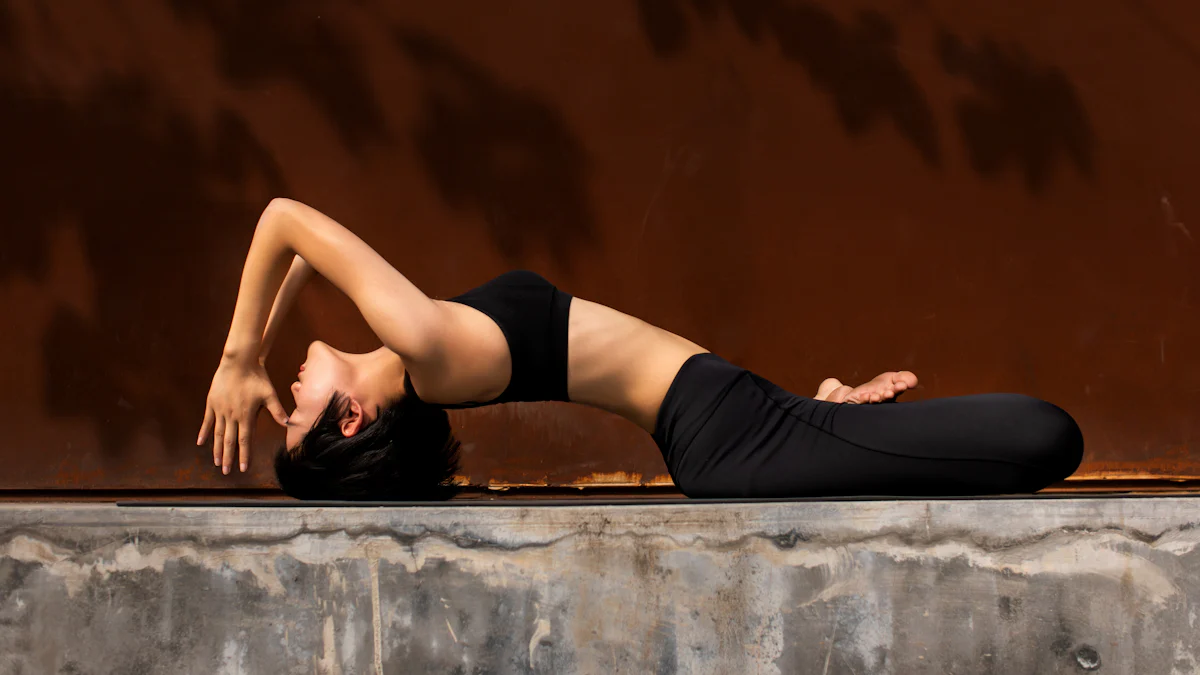
Preparing your body before attempting a yoga pose fold back over bended knee is essential. It ensures your muscles are warmed up and ready to move safely. Equally important are counter poses, which help release tension and restore balance after deep stretches. Let’s explore both preparatory and counter poses to support your practice.
Preparatory Poses
Cat-Cow Pose (Marjaryasana-Bitilasana) to warm up the spine
Cat-Cow Pose is a gentle way to awaken your spine and prepare it for deeper movements. Start on your hands and knees in a tabletop position. As you inhale, drop your belly, lift your chest, and gaze upward into Cow Pose. On the exhale, round your back, tuck your chin, and draw your belly button toward your spine for Cat Pose. Repeat this flow several times, moving with your breath.
This sequence increases spinal flexibility and promotes blood flow to your back muscles. It’s a simple yet effective way to ease stiffness and create space in your spine. By practicing Cat-Cow, you’ll feel more confident transitioning into backbends.
“Mild backbend prep poses offer new possibilities for practicing backbends,” as noted in yoga studies. Cat-Cow is a perfect example of this.
Low Lunge (Anjaneyasana) to open the hips
Low Lunge is another excellent preparatory pose. Begin in a lunge position with one foot forward and the other leg extended back. Lower your back knee to the mat and rest your hands on your front thigh. Sink your hips gently toward the floor while keeping your chest lifted. Hold the pose for a few breaths, then switch sides.
This pose stretches your hip flexors and strengthens your legs, creating the stability needed for poses like King Pigeon or Low Lunge Backbend. Open hips also allow for smoother transitions and better alignment in backbends. Practicing Low Lunge regularly can make folding back over a bended knee feel more accessible.
Counter Poses
Child’s Pose (Balasana) to release the back
After practicing backbends, Child’s Pose provides a soothing counterbalance. Kneel on your mat, sit back on your heels, and fold your torso forward. Extend your arms in front of you or rest them alongside your body. Let your forehead touch the mat and breathe deeply.
This pose gently stretches your lower back and helps release any tension built up during backbends. It also calms your nervous system, making it an ideal way to wind down after an intense practice. Child’s Pose reminds you to honor your body’s need for rest and recovery.
Seated Forward Fold (Paschimottanasana) to stretch the hamstrings
Seated Forward Fold complements backbends by stretching the opposite side of your body. Sit on the mat with your legs extended straight in front of you. Inhale to lengthen your spine, then exhale as you hinge forward from your hips. Reach for your feet, ankles, or shins, depending on your flexibility. Keep your back straight and avoid rounding your shoulders.
This pose targets your hamstrings and lower back, areas that often feel tight after backbends. It also encourages a sense of grounding and introspection, balancing the openness created by backbending poses. Incorporating Seated Forward Fold into your routine helps maintain flexibility and prevents muscle imbalances.
According to yoga experts, counter poses like these are vital for spinal health and longevity. They ensure your practice remains safe and sustainable.
By including these preparatory and counter poses in your routine, you’ll create a balanced practice that supports your body’s needs. Whether you’re warming up with Cat-Cow or releasing tension in Child’s Pose, these movements enhance your ability to perform a yoga pose fold back over bended knee with confidence and ease.
Mastering a yoga pose fold back over bended knee requires focus on proper alignment and technique. By paying attention to your body’s signals and practicing consistently, you can avoid injuries and build strength over time. These poses offer more than physical benefits—they nurture mindfulness and emotional balance, helping you feel grounded and confident. Remember, yoga is a journey, not a race. Progress comes with patience and dedication. Celebrate each small improvement and trust the process. Let these poses guide you toward a healthier, more centered version of yourself.
See Also
Essential Tips For Perfecting Camel Pose In Yoga
Achieving The Perfect Bridge Pose In Your Practice
Unlocking The Secrets Of Downward Facing Dog Pose
Hi my name is Lia and i am your host in this yoga journey in Portugal, Subscribe to our newsletter to receive every week the best of Yoga in Portugal.

We bring back the importance of initiation into womanhood by Roos-Veerle Krijnen & Ella-June Henrard
Welcome to the Women’s Initiation Retreat by Naked Truth Retreats, a transformative journey into the depths of your True Feminine Nature. This retreat invites you to remember the sacredness and wholeness of your being.
Roos-Veerle Krijnen & Ella-June Henrard