Yoga or Pilates: Which Enhances Flexibility More?

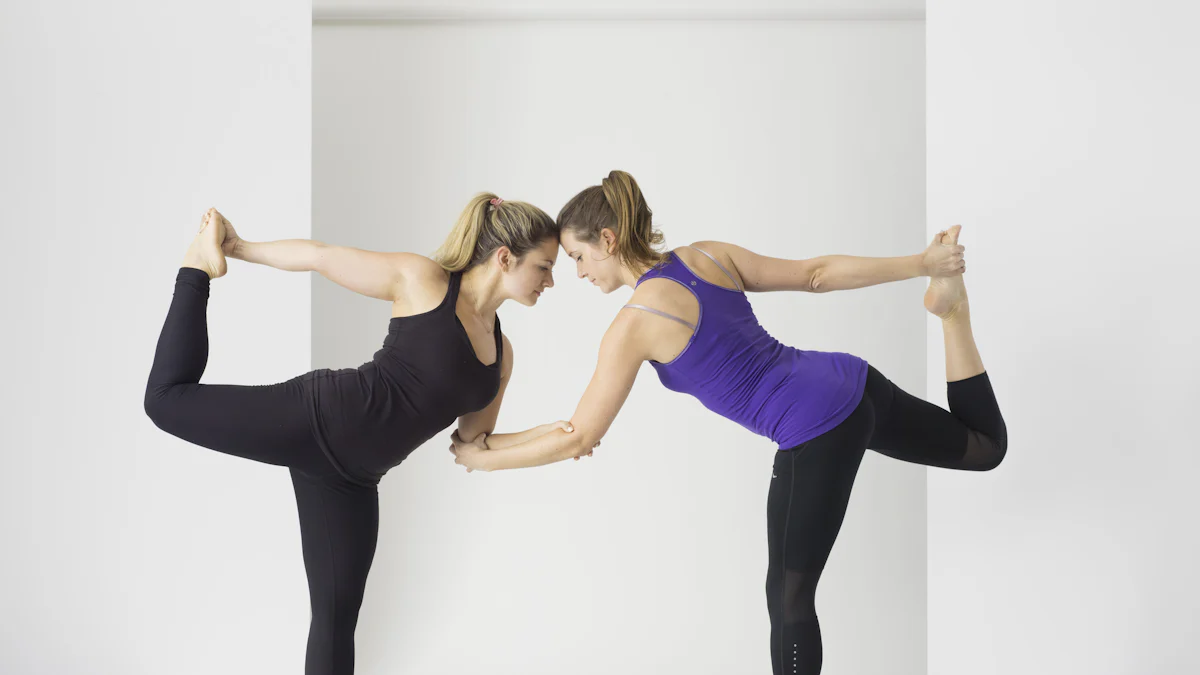
Flexibility is essential for maintaining physical health, as it allows for greater freedom of movement and reduces the risk of injuries. Among the various practices that enhance flexibility, Yoga and Pilates are particularly notable. Their popularity has surged over the years, with millions of individuals worldwide adopting these practices. In the U.S. alone, yoga practitioners numbered over 34.4 million by 2021. This blog seeks to explore the question: is yoga or pilates better for flexibility? By examining this, we aim to help you determine which practice best aligns with your flexibility goals.
Understanding Yoga and Pilates
Definition and Origins
What is Yoga?
Yoga is an ancient practice that originated in India over 5,000 years ago. It combines physical postures, breathing exercises, and meditation to promote overall well-being. Yoga focuses on the mind-body connection, encouraging you to find balance and harmony within yourself. Various styles of yoga exist, such as Hatha, Vinyasa, and Ashtanga, each offering unique benefits. Whether you're seeking flexibility, strength, or relaxation, yoga provides a holistic approach to achieving your goals.
What is Pilates?
Pilates is a more recent fitness system developed by Joseph Pilates in the early 20th century. It emphasizes core strength, stability, and controlled movements. Pilates exercises can be performed on a mat or using specialized equipment like the Reformer. This practice aims to improve posture, flexibility, and overall physical strength. Unlike yoga, Pilates does not have a spiritual component, but it does draw inspiration from various disciplines, including yoga, martial arts, and Greek and Roman exercises.
Historical Context
History of Yoga
Yoga's roots trace back thousands of years to ancient India. Initially, it was a spiritual practice focused on meditation and self-discovery. Over time, yoga evolved to include physical postures, known as asanas, which became more prominent in the 1900s. By the late 19th century, yoga began gaining attention in the West. Its popularity surged in the 1980s as people embraced its physical and mental benefits. Today, yoga is a global phenomenon, practiced by millions seeking flexibility, strength, and mindfulness.
History of Pilates
Joseph Pilates created his exercise system in the 1920s. He developed Pilates as a method to rehabilitate injured soldiers during World War I. His approach combined elements from yoga, martial arts, and Zen meditation, focusing on core strength and precise movements. Pilates quickly gained popularity as a standardized fitness program, appealing to dancers and athletes for its ability to enhance flexibility and strength. Over the years, Pilates has evolved into a widely recognized practice, offering a structured approach to improving physical health.
Flexibility Benefits of Yoga

Key Flexibility-Enhancing Poses
Forward Bend
The Forward Bend, or Uttanasana, is a classic yoga pose that stretches your hamstrings, calves, and hips. When you fold forward, you release tension in your back and shoulders. This pose encourages your spine to lengthen and your muscles to relax. Regular practice can significantly improve your flexibility. You might find that reaching your toes becomes easier over time.
Downward Dog
Downward Dog, or Adho Mukha Svanasana, is another staple in yoga routines. This pose stretches your entire body, focusing on your shoulders, hamstrings, calves, and arches. As you press your hands into the mat and lift your hips, you create a full-body stretch. This position not only enhances flexibility but also strengthens your arms and legs. Many practitioners notice increased range of motion after incorporating Downward Dog into their routine.
How Yoga Improves Flexibility
Stretching Techniques
Yoga incorporates a variety of stretching techniques that target different muscle groups. By holding poses like Forward Bend and Downward Dog, you engage in static stretching. This method helps elongate your muscles and improve flexibility. A study found that people increased their flexibility by up to 35% after just eight weeks of yoga practice. Consistent stretching in yoga can lead to noticeable improvements in your flexibility.
Breathing and Relaxation
Breathing plays a crucial role in yoga. As you focus on your breath, you help your body relax and release tension. Deep breathing allows you to sink deeper into stretches, enhancing your flexibility. The emphasis on relaxation in yoga can relieve tension in your back muscles, promoting a more flexible spine. By combining breathing with stretching, yoga offers a holistic approach to improving flexibility.
Flexibility Benefits of Pilates

Core Exercises for Flexibility
The Hundred
The Hundred is a classic Pilates exercise that targets your core muscles. You lie on your back, lift your legs, and pump your arms while engaging your abdominal muscles. This exercise not only strengthens your core but also enhances your flexibility. By maintaining a stable position, you improve your body's ability to stretch and lengthen. Regular practice of The Hundred can lead to increased flexibility in your hip flexors and lower back.
Leg Circles
Leg Circles are another effective Pilates exercise for boosting flexibility. You start by lying on your back with one leg extended toward the ceiling. Then, you draw circles in the air with your leg, keeping your core engaged. This movement helps to loosen tight hip joints and improve the range of motion. As you perform Leg Circles, you'll notice greater flexibility in your hips and thighs, which can enhance your overall mobility.
How Pilates Enhances Flexibility
Focus on Core Strength
Pilates places a strong emphasis on core strength, which plays a crucial role in flexibility. A strong core provides stability and support for your entire body, allowing you to move more freely. When your core muscles are engaged, you can achieve deeper stretches and maintain proper alignment. This focus on core strength not only improves flexibility but also reduces the risk of injury during physical activities.
Controlled Movements
In Pilates, controlled movements are key to enhancing flexibility. Each exercise requires precise and deliberate actions, which help to lengthen and stretch your muscles. By focusing on controlled movements, you can gradually increase your flexibility over time. A study published in the Journal of Strength and Conditioning Research found that a 12-week Pilates program significantly improved hamstring flexibility and trunk range of motion. This evidence highlights the effectiveness of Pilates in promoting flexibility through controlled and mindful exercises.
Is Yoga or Pilates Better for Flexibility?
When it comes to enhancing flexibility, both yoga and Pilates offer unique benefits. But you might wonder, is yoga or pilates better for flexibility? Let's dive into a comparative analysis to help you decide.
Comparative Analysis
Similarities in Flexibility Enhancement
Both yoga and Pilates focus on improving flexibility, but they do so in slightly different ways. Each practice involves stretching and lengthening muscles, which leads to increased flexibility. You'll find that both disciplines encourage better posture and balance, contributing to overall physical health. Whether you're holding a yoga pose or performing a Pilates exercise, your muscles get a good stretch, enhancing your range of motion.
Differences in Approach
Yoga emphasizes flexibility and stability through various poses and breathing techniques. It often involves holding positions for extended periods, allowing your muscles to stretch deeply. On the other hand, Pilates focuses more on core strength and stability. It uses controlled movements and sometimes equipment like the reformer to enhance flexibility. Pilates tends to be a bit more fast-paced than yoga, offering a dynamic approach to muscle stretching.
Personal Goals and Preferences
Flexibility Needs
Your personal flexibility goals can influence whether yoga or Pilates suits you better. If you aim to improve overall flexibility and enjoy a meditative practice, yoga might be your go-to. Yoga has shown to improve flexibility by up to 35% after just eight weeks. However, if you seek to enhance core strength while also gaining flexibility, Pilates could be more beneficial. Pilates participants have reported significant improvements in flexibility, especially in the hamstrings, after 12 weeks.
Lifestyle Considerations
Consider your lifestyle when choosing between yoga and Pilates. Yoga offers a spiritual component that might appeal to those seeking a mind-body connection. It can be practiced almost anywhere with minimal equipment. Pilates, while also accessible, often requires specific equipment for certain exercises. If you prefer a structured workout with a focus on core strength, Pilates might fit your lifestyle better. Ultimately, your choice depends on what aligns with your personal preferences and flexibility goals.
Expert Opinions and Studies
Research Findings
Studies on Yoga
Yoga has long been celebrated for its ability to enhance flexibility. Research consistently supports this claim. Regular yoga practice can significantly improve your flexibility, as it focuses on the progressive extension of connective tissues and muscles. A common measure of flexibility, the sit and reach test, often shows marked improvement after consistent yoga sessions. This is because yoga emphasizes holding poses, which stretches and strengthens your muscles over time.
In slower practices like Yin yoga, you hold postures for extended periods. This approach works on stretching and moving the fascia, the deeper connective tissue around muscles and joints. As a result, you gain more flexibility. Many studies highlight that yoga not only improves flexibility but also enhances balance and posture, making it a comprehensive practice for physical health.
Studies on Pilates
Pilates also offers significant benefits for flexibility. A 2010 study found that participants who engaged in Pilates exercises twice a week for 12 weeks experienced notable increases in hamstring flexibility. Pilates focuses on precise movements and controlled breathing, which build core strength and enhance flexibility.
The practice of Pilates serves as an effective pathway to achieving greater flexibility and strength. It emphasizes core stability, which supports your entire body and allows for more fluid movement. This focus on core strength not only improves flexibility but also reduces the risk of injury during physical activities.
Expert Recommendations
Insights from Yoga Instructors
McGee, a seasoned yoga instructor, emphasizes the complementary nature of yoga and Pilates. She notes, "The more flexibility you gain from a yoga practice, the more range of motion you have in Pilates. And the more core strength you have in Pilates, the easier it is to do certain poses in yoga." This insight highlights how both practices can work together to enhance your overall physical capabilities.
Yoga instructors often recommend incorporating yoga into your routine if you're looking to improve flexibility quickly. The static nature of yoga poses allows for deep stretching, which can lead to rapid improvements in flexibility. Additionally, yoga's focus on breathing and relaxation helps release tension, further promoting flexibility.
Insights from Pilates Instructors
Shipp, a fitness instructor, points out that both yoga and Pilates help increase flexibility and strength. He states, "In fact, a 2010 study found that people who completed one hour of Pilates exercises twice a week for 12 weeks had significant increases in hamstring flexibility." This underscores the effectiveness of Pilates in enhancing flexibility through its structured approach.
Pilates instructors often highlight the importance of core strength in achieving flexibility. By focusing on controlled movements and core stability, Pilates allows you to stretch and lengthen your muscles effectively. This method not only improves flexibility but also enhances your overall physical strength and posture.
In conclusion, both yoga and Pilates offer valuable benefits for flexibility. Whether you choose yoga for its deep stretching techniques or Pilates for its core-focused approach, both practices can significantly enhance your flexibility and overall physical health.
In your journey to enhance flexibility, both yoga and Pilates stand out as excellent choices. Each offers unique benefits. Yoga focuses on flexibility, balance, and strength through its poses and breathing techniques. Pilates, on the other hand, emphasizes core strength and posture improvement.
To choose the right practice for you, consider your personal goals. If you seek a meditative approach with deep stretching, yoga might be your best bet. For those aiming to boost core strength while gaining flexibility, Pilates could be more suitable.
Ultimately, trying both can provide a well-rounded experience, allowing you to enjoy their distinct advantages.
See Also
Lara Dutta Yoga: Embracing Prenatal Well-being
Insights from Iyengar Yoga Book for Novices
Kalpavriksha Yoga: Perfecting Your Practice Now

Hi my name is Lia and i am your host in this yoga journey in Portugal, Subscribe to our newsletter to receive every week the best of Yoga in Portugal.

We bring back the importance of initiation into womanhood by Roos-Veerle Krijnen & Ella-June Henrard
Welcome to the Women’s Initiation Retreat by Naked Truth Retreats, a transformative journey into the depths of your True Feminine Nature. This retreat invites you to remember the sacredness and wholeness of your being.
Roos-Veerle Krijnen & Ella-June Henrard