Yoga Novice Guide to Starting Your Practice

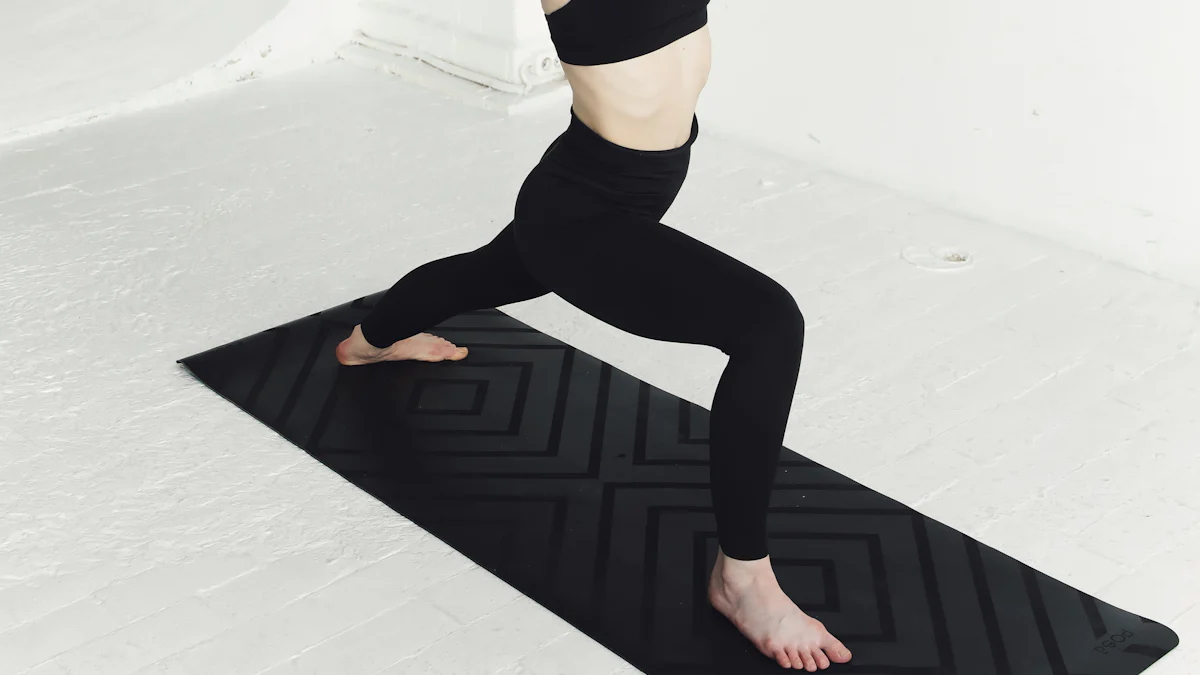
Starting your yoga journey as a yoga novice can feel overwhelming, but you can approach it with confidence and ease. Yoga is more than just physical poses; it’s a holistic practice that nurtures your mind, body, and spirit. Remember, there’s no rush. Embrace each step of your journey without pressure. Enjoy the process, and let your practice unfold naturally.
Key Takeaways
Yoga is a holistic practice that nurtures your mind, body, and spirit; embrace the journey without pressure.
Common misconceptions about yoga include the belief that it's only for the flexible or fit; yoga welcomes everyone, regardless of body type or age.
Mindfulness is essential in yoga; being present enhances your practice and helps manage stress effectively.
Explore different yoga styles to find what resonates with you, whether you seek intensity or relaxation.
Invest in essential equipment like a yoga mat, strap, and blocks to enhance your practice experience.
Create a dedicated space for yoga at home to foster a calm and inviting environment for your practice.
Establish a consistent routine and set achievable goals to stay motivated and committed to your yoga journey.
Understanding Yoga Basics
What is Yoga?
Yoga is a practice that combines physical postures, breathing techniques, and meditation. It aims to create harmony between your body, mind, and spirit. When you step onto the mat, you engage in a journey of self-discovery. You learn to listen to your body and cultivate awareness. This holistic approach helps you develop strength, flexibility, and mental clarity.
Common Misconceptions
Many people hold misconceptions about yoga. Some think it’s only for the flexible or fit. Others believe it requires a specific body type or age. In reality, yoga welcomes everyone. You don’t need to be a pretzel to start. Yoga is about progress, not perfection. It’s a personal journey where you can grow at your own pace.
Another common myth is that yoga is solely about physical exercise. While asanas (postures) play a significant role, yoga also emphasizes mindfulness and breath control. These elements help you manage stress and emotions effectively.
"Yoga teaches us to live in harmony with ourselves and the world around us."
This philosophy encourages compassion and gratitude. By understanding yoga’s deeper meanings, you can experience profound transformations in your life.
The Importance of Mindfulness
Mindfulness is a key component of yoga. It involves being present in the moment and fully engaging with your thoughts and feelings. When you practice mindfulness, you cultivate a sense of inner peace. This state of awareness allows you to connect with your true self.
Incorporating mindfulness into your practice can enhance your overall well-being. You’ll find it easier to manage stress and maintain balance in your life. As you breathe deeply and focus on your movements, you create a space for reflection and growth.
Starting your yoga journey as a yoga novice means embracing these principles. You’ll discover that yoga is not just about the poses; it’s about nurturing your entire being.
Choosing the Right Style
Overview of Popular Yoga Styles
When you start your yoga journey, choosing the right style can make a big difference. Each yoga style offers unique benefits and experiences. Here’s a quick overview of some popular options:
Vinyasa Yoga: This style focuses on fluid movements that connect breath with action. It feels more like an aerobic workout, making it great for those who enjoy a dynamic practice.
Restorative Yoga: If relaxation is what you seek, restorative yoga might be perfect for you. This style includes gentle poses that support deep relaxation, helping you unwind and recharge.
Yin Yoga: Yin yoga involves long-held, passive floor poses. It targets the lower body and helps release fascia, promoting flexibility and calmness.
Iyengar Yoga: This style emphasizes precision and proper alignment. Iyengar yoga often uses props to help you achieve the correct posture, making it suitable for beginners who want to focus on technique.
Finding What Resonates with You
As a yoga novice, exploring different styles can be exciting. Think about what you want from your practice. Do you crave intensity or relaxation? Are you looking to build strength or find peace?
Try attending a few classes in various styles. Pay attention to how each one makes you feel. You might find that one style resonates with you more than others.
Remember, yoga is a personal journey. What works for someone else may not work for you. Trust your instincts and choose a style that feels right. Enjoy the process of discovery, and let your practice evolve naturally.
Essential Equipment
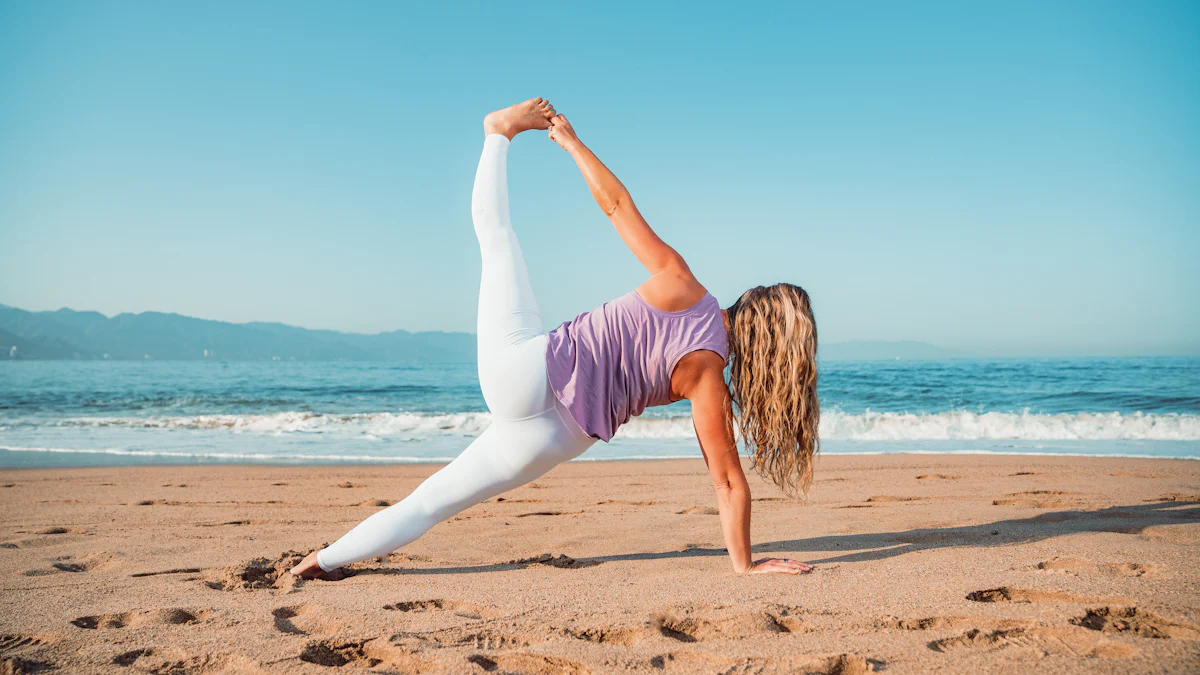
Must-Have Gear for Beginners
Starting your yoga practice doesn’t require a lot of fancy equipment. However, having the right gear can enhance your experience and make your journey more enjoyable. Here are some must-have items for beginners:
Yoga Mat: A good yoga mat provides cushioning and grip. It helps you maintain stability during poses. Look for a mat that feels comfortable under your feet and offers enough traction.
Yoga Strap: This handy tool assists you in reaching difficult poses. You can use it to stretch your arms or legs. The SANKUU Yoga Strap features multiple loops, making it perfect for various stretches. Plus, it comes with a small carrying bag for convenience.
Yoga Blocks: These blocks offer support and stability. They help you modify poses to suit your level. If you’re just starting, consider getting a set of yoga blocks. They can make challenging poses more accessible.
Comfortable Clothing: Wear clothes that allow you to move freely. Look for breathable fabrics that wick away sweat. You want to feel comfortable and unrestricted as you flow through your practice.
Knee Pad Cushion: If you find certain poses hard on your knees, a knee pad cushion can help. The SuhkaMat Yoga Knee Pad Cushion makes knee-oriented poses more comfortable. It’s a great addition to your gear.
Optional Accessories
Once you have the basics, you might want to explore some optional accessories. These can enhance your practice but aren’t necessary for beginners:
Yoga Wheel: This tool helps you deepen your stretches and improve flexibility. The Dharma Yoga Wheel is perfect for relaxing your spine and calming your muscles. It’s a great way to start your day fresh.
Meditation Cushion: If you plan to incorporate meditation into your practice, a cushion can provide comfort. It helps you maintain proper posture while sitting for longer periods.
Water Bottle: Staying hydrated is essential during your practice. Keep a water bottle nearby to sip on throughout your session.
Essential Oils: Some yogis enjoy using essential oils to enhance their practice. Scents like lavender or eucalyptus can create a calming atmosphere. Just a few drops on your mat can elevate your experience.
Investing in the right equipment can make your yoga journey more enjoyable. Start with the essentials, and as you grow in your practice, feel free to explore additional accessories that resonate with you. Remember, yoga is about finding what works best for you!
Finding Classes or Online Resources
Locating Local Yoga Studios
Finding a local yoga studio can enhance your practice. Many studios offer beginner classes designed just for you. These classes create a supportive environment where you can learn and grow. To locate a studio, start by searching online. Use terms like "yoga studios near me" or check community boards.
Once you find a few options, visit their websites. Look for class schedules, instructor bios, and reviews. You want to ensure the studio aligns with your goals. If possible, drop by for a trial class. This gives you a feel for the atmosphere and teaching style.
Many studios also host special events or workshops. These can deepen your understanding of yoga and introduce you to new practices. Engaging with the local yoga community can provide motivation and support as you embark on your journey.
Exploring Online Platforms
Online yoga classes have gained popularity, especially in recent years. In 2020, over 55.1 million Americans practiced yoga, marking a 53% increase from 2016. This growth reflects the convenience and accessibility of online platforms.
You can find a variety of online resources tailored to different styles and proficiency levels. Websites and apps offer everything from beginner tutorials to advanced sessions. Some popular platforms include:
Yoga with Adriene: Known for her friendly approach, Adriene offers a wide range of free videos suitable for all levels.
Glo: This subscription service provides access to thousands of classes, allowing you to explore various styles at your own pace.
Alo Moves: With a focus on high-quality production, Alo Moves features classes led by experienced instructors.
These platforms allow you to practice whenever and wherever you want. You can follow along with guided sessions or create your own routine. Online yoga makes it easy to stay consistent, even with a busy schedule.
As a yoga novice, exploring both local studios and online resources can help you find what works best for you. Embrace the flexibility of your options and enjoy the journey of discovering your practice.
Creating a Home Practice
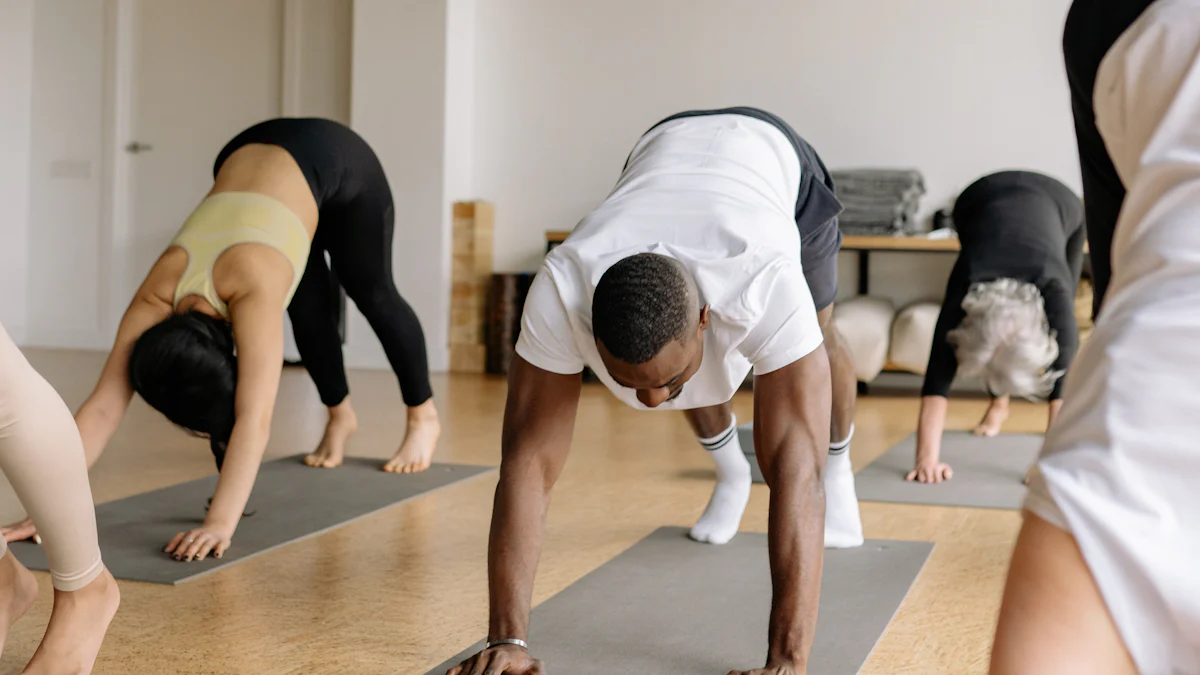
Setting Up Your Space
Creating a dedicated space for your yoga practice can make a big difference. Choose a quiet area in your home where you feel comfortable and relaxed. You want a spot that allows you to focus without distractions.
Consider these tips for setting up your space:
Clear the Clutter: Remove any items that might distract you. A clean space helps create a calm environment.
Add Personal Touches: Decorate with items that inspire you. This could be candles, plants, or artwork that resonates with your journey.
Ensure Comfort: Make sure your space feels cozy. You might want to add a soft rug or cushion for extra comfort during your practice.
Remember, your space doesn’t need to be large. Even a small corner can work wonders. The key is to create a place that feels inviting and encourages you to practice regularly.
Developing a Routine
Establishing a routine is crucial for maintaining your practice. Consistency helps you build strength and flexibility over time. Start by setting aside a specific time each day for your yoga practice. This could be in the morning to energize your day or in the evening to unwind.
Here are some tips to help you develop a routine:
Start Small: If you’re new to yoga, begin with just 10-15 minutes a day. Gradually increase the duration as you become more comfortable.
Mix It Up: Incorporate different styles and poses into your routine. This keeps things fresh and exciting.
Listen to Your Body: Pay attention to how you feel during your practice. Adjust your routine based on your energy levels and needs.
Stay Committed: Tiffany Coombs emphasizes the importance of commitment in yoga. She notes that even small, consistent practices can lead to significant changes over time.
By developing a routine, you create a sense of discipline and commitment to your practice. Enjoy the journey, and remember that every little bit counts.
Tips for Consistency
Establishing a Regular Schedule
Creating a regular schedule for your yoga practice helps you stay committed. Pick a specific time each day that works best for you. Whether it’s early morning or late evening, consistency builds a habit. Start with short sessions, around 10 to 15 minutes. Gradually increase the duration as you feel more comfortable.
Here are some tips to help you establish your schedule:
Set Reminders: Use your phone or calendar to remind you of your practice time. A gentle nudge can keep you on track.
Make It a Ritual: Pair your practice with another daily activity. For example, practice right after brushing your teeth or before your morning coffee. This connection reinforces your routine.
Be Flexible: Life can get busy. If you miss a session, don’t stress. Just get back on track the next day.
Remember, the goal is to create a routine that feels good for you.
Staying Motivated
Staying motivated can be challenging, especially when life gets hectic. However, you can find inspiration in various ways.
First, remind yourself of the benefits yoga brings. 86% of practitioners report a reduction in stress, while 69% notice a positive change in mood. These improvements can motivate you to roll out your mat.
Here are some strategies to keep your motivation high:
Set Goals: Define what you want to achieve with your practice. Whether it’s improving flexibility or reducing stress, having clear goals gives you something to work towards.
Track Your Progress: Keep a journal of your practice. Note how you feel before and after each session. This reflection can highlight your growth and encourage you to continue.
Join a Community: Connect with others who practice yoga. Many people report feeling a sense of closeness with their community. Sharing experiences can inspire you to stay committed.
Mix It Up: Explore different styles or classes. Trying something new can reignite your passion for yoga.
"Yoga is not about touching your toes. It’s about what you learn on the way down."
This quote reminds you that the journey matters more than the destination. Embrace the process, and let your practice evolve.
By establishing a regular schedule and finding ways to stay motivated, you can enjoy a fulfilling yoga journey. Remember, every little bit counts, and your practice is uniquely yours.
Starting your yoga journey involves a few key steps. First, understand the basics of yoga and explore different styles. Next, gather essential equipment and find classes or online resources that suit you. Create a comfortable home practice space and establish a routine that fits your lifestyle.
Take that first step—whether it’s joining a class or rolling out your mat at home. Remember, yoga is a personal journey. Enjoy every moment, and embrace the growth that comes with it. As you practice, you’ll discover the many benefits yoga brings to your life, from improved flexibility to reduced stress.
See Also
Essential Yoga Tips and Tutorials for New Practitioners
Starting Your Yoga Adventure: A Beginner's Approach
Kickstart Your Yoga Practice with a Simple Routine
Hi my name is Lia and i am your host in this yoga journey in Portugal, Subscribe to our newsletter to receive every week the best of Yoga in Portugal.

We bring back the importance of initiation into womanhood by Roos-Veerle Krijnen & Ella-June Henrard
Welcome to the Women’s Initiation Retreat by Naked Truth Retreats, a transformative journey into the depths of your True Feminine Nature. This retreat invites you to remember the sacredness and wholeness of your being.
Roos-Veerle Krijnen & Ella-June Henrard