Discover How Yoga Enhances Your Mental Well-Being

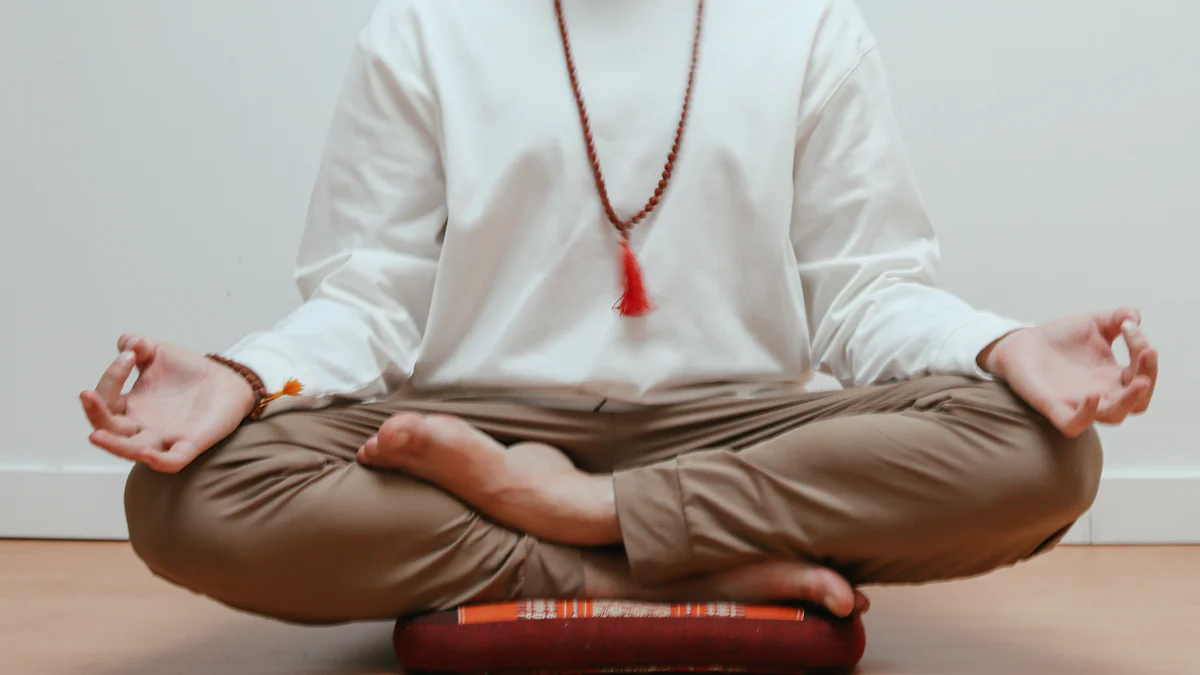
Yoga serves as a powerful tool for enhancing your mental health and well-being, as highlighted in this article on yoga. By practicing yoga, you can cultivate a more balanced and positive mindset. Research shows that yoga significantly reduces feelings of stress and anxiety, leading to improved emotional stability. Engaging in this practice not only promotes relaxation but also fosters connections with others who share similar goals. Embrace yoga as a pathway to a healthier, happier you.
Key Takeaways
Yoga significantly reduces anxiety and stress, promoting a calmer and more balanced emotional state.
Incorporate deep breathing exercises and gentle poses into your routine to enhance relaxation and emotional regulation.
Regular yoga practice boosts mood by increasing neurotransmitters like GABA and endorphins, leading to feelings of happiness.
Mindfulness practices in yoga, such as breath awareness and body scans, improve cognitive function and emotional resilience.
Building a sustainable yoga practice involves setting realistic goals, exploring different styles, and connecting with a supportive community.
Overcome common barriers to starting yoga by focusing on your personal journey and embracing the process, regardless of your fitness level.
Consistent practice, even in short sessions, can lead to significant improvements in mental well-being and overall happiness.
Reducing Anxiety Through Yoga
The Science Behind Yoga and Anxiety
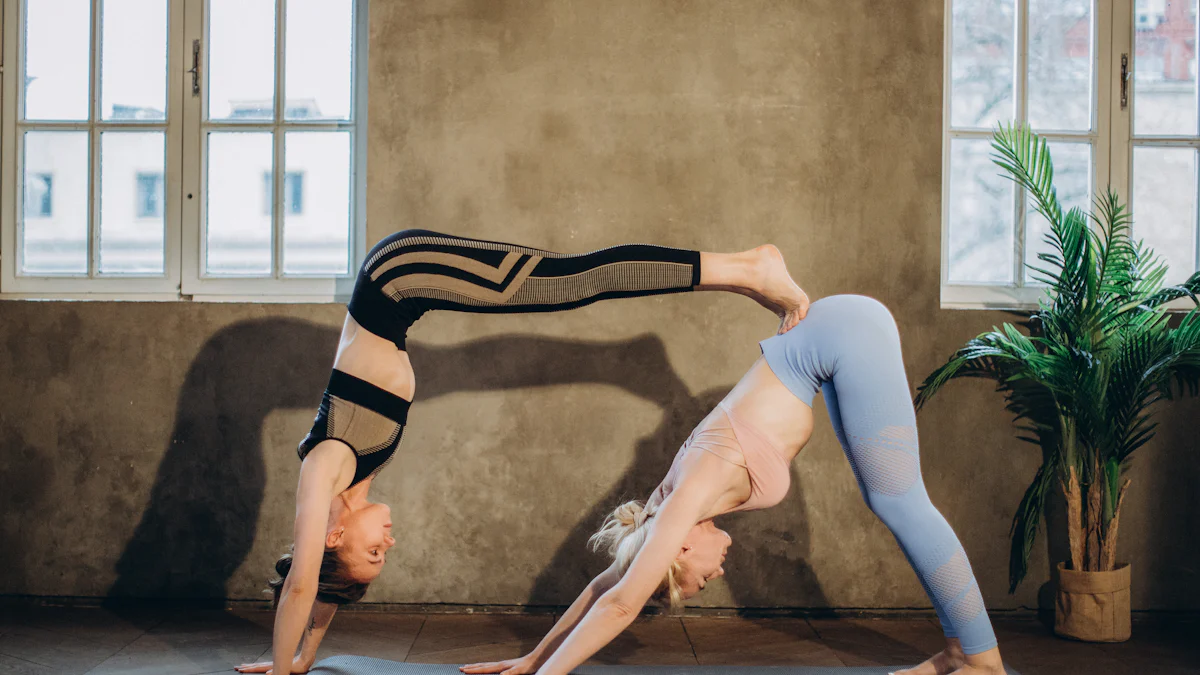
Yoga serves as a powerful ally in your battle against anxiety. Research shows that regular yoga practice activates the parasympathetic nervous system, which promotes relaxation. This activation helps you manage stress more effectively. A study published in Psychology Today highlights that yoga can significantly reduce symptoms of anxiety and depression. You can experience improved well-being and social connections through consistent practice.
Moreover, yoga enhances your awareness of thoughts and feelings. This heightened awareness allows you to recognize anxiety triggers and respond to them with calmness. The practice of yoga encourages mindfulness, which is crucial for emotional regulation. By focusing on your breath and movements, you create a mental space that fosters peace and clarity.
Practical Yoga Techniques for Anxiety Relief
You can incorporate several practical yoga techniques into your routine to alleviate anxiety. Here are some effective methods:
Deep Breathing Exercises: Start with simple deep breathing. Inhale deeply through your nose, allowing your abdomen to expand. Exhale slowly through your mouth. Repeat this for several minutes. This technique calms your nervous system and reduces anxiety.
Gentle Yoga Poses: Try poses like Child’s Pose, Cat-Cow, and Legs-Up-the-Wall. These poses promote relaxation and help release tension in your body. They also encourage a sense of grounding, which can be comforting during anxious moments.
Mindfulness Meditation: Set aside time for mindfulness meditation. Sit comfortably, close your eyes, and focus on your breath. If your mind wanders, gently bring your focus back to your breath. This practice enhances your ability to stay present and reduces anxious thoughts.
Guided Yoga Sessions: Consider joining a guided yoga class or using online resources. Instructors can lead you through sequences designed specifically for anxiety relief. Engaging with a community can also provide support and encouragement.
Regular Practice: Aim to practice yoga regularly. Consistency builds resilience against anxiety. Even short sessions can yield significant benefits. Research indicates that short-term yoga interventions can effectively reduce anxiety levels.
By integrating these techniques into your daily life, you can cultivate a more peaceful mindset. Embrace yoga as a valuable tool for managing anxiety and enhancing your overall mental well-being.
Improving Mood with Yoga
How Yoga Influences Neurotransmitters
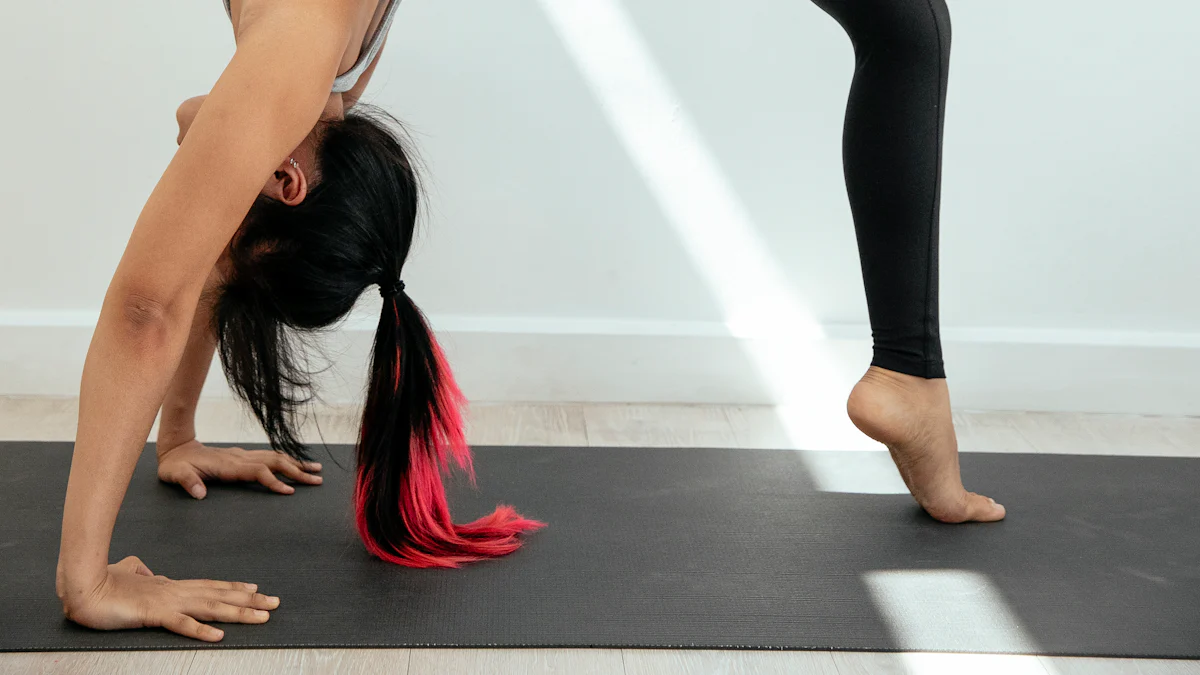
Yoga plays a significant role in enhancing your mood by influencing neurotransmitters in your brain. One key neurotransmitter, gamma-aminobutyric acid (GABA), helps regulate anxiety and mood. Research shows that practicing yoga increases GABA levels, leading to a calming effect. A study published in Psychology Today highlights that yoga can reduce symptoms of depression and anxiety while improving overall well-being.
When you engage in yoga, you stimulate the release of endorphins, the body's natural feel-good hormones. These hormones create feelings of happiness and euphoria. Regular practice not only boosts your mood but also enhances emotional regulation. You can experience a more stable emotional state, reducing negative emotional responses.
Yoga Poses That Boost Mood
Incorporating specific yoga poses into your routine can elevate your mood. Here are some effective poses to consider:
Downward-Facing Dog: This pose stretches your entire body and promotes blood flow to the brain. It helps release tension and invigorates your spirit.
Warrior II: This powerful pose builds strength and confidence. It opens your heart and encourages a sense of empowerment.
Bridge Pose: This pose lifts your chest and opens your heart. It stimulates the thyroid gland, which can help regulate mood and energy levels.
Child’s Pose: This restorative pose calms your mind and body. It provides a sense of safety and comfort, allowing you to release stress.
Corpse Pose: This final relaxation pose allows you to absorb the benefits of your practice. It promotes deep relaxation and helps clear your mind.
By practicing these poses regularly, you can cultivate a more positive mindset. Yoga not only enhances your mood but also fosters resilience against life's challenges. Embrace the power of yoga to uplift your spirits and improve your mental well-being.
Enhancing Cognitive Function
The Connection Between Yoga and Brain Health
Yoga significantly enhances your cognitive function. Research shows that yoga benefits the brain in ways similar to aerobic exercise. It strengthens key areas responsible for memory, attention, and emotional regulation. A study published in Brain Plasticity found that regular yoga practice leads to positive effects on memory and information processing. You can experience improved focus and clarity through consistent engagement in yoga.
Moreover, yoga promotes neuroplasticity, which refers to the brain's ability to adapt and change. Regular practice can counteract age-related declines in cognitive abilities. This means that you can maintain sharp mental skills as you age. Engaging in yoga not only boosts your cognitive skills but also contributes to structural changes in the brain. These changes enhance your overall mental health and well-being.
Mindfulness Practices in Yoga
Mindfulness practices in yoga play a crucial role in enhancing cognitive function. When you focus on your breath and movements, you cultivate awareness. This awareness helps you stay present and improves your attention span. Mindfulness also reduces distractions, allowing you to concentrate better on tasks.
Incorporating mindfulness into your yoga routine can lead to significant benefits. Here are some effective mindfulness practices to consider:
Breath Awareness: Pay attention to your breath during each pose. Notice the rhythm of your inhalations and exhalations. This practice grounds you in the present moment.
Body Scan: As you move through your practice, perform a body scan. Focus on each part of your body, noticing any sensations or tension. This technique enhances your connection to your body and promotes relaxation.
Meditative Poses: Include poses like Sukhasana (Easy Pose) or Padmasana (Lotus Pose) in your routine. These seated poses encourage stillness and deep reflection, fostering a meditative state.
Gratitude Practice: Conclude your yoga session with a moment of gratitude. Reflect on what you appreciate in your life. This practice enhances your mood and cognitive function.
By integrating these mindfulness practices into your yoga routine, you can sharpen your cognitive abilities. Embrace the power of yoga to enhance your mental clarity and emotional resilience.
Building Resilience and Coping Skills
Yoga as a Tool for Emotional Regulation
Yoga serves as an effective tool for emotional regulation. It helps you manage your emotions and respond to stressors with greater ease. Research shows that practicing yoga reduces cortisol levels, which is the hormone associated with stress. Lower cortisol levels lead to a calmer mind and a more balanced emotional state.
When you engage in yoga, you learn to observe your thoughts and feelings without judgment. This practice fosters self-awareness, allowing you to identify emotional triggers. You can then choose how to respond rather than react impulsively. Techniques such as deep breathing and mindfulness during yoga sessions enhance your ability to regulate emotions.
Incorporating yoga into your routine can lead to significant improvements in your emotional health. A study published in Psychology Today indicates that yoga can reduce symptoms of anxiety and depression. You can experience a profound shift in your emotional landscape through consistent practice.
Developing a Positive Mindset Through Practice
Developing a positive mindset becomes easier with regular yoga practice. Yoga encourages you to focus on the present moment, which helps you cultivate gratitude and appreciation for life. This shift in perspective can lead to increased happiness and fulfillment.
You can enhance your mindset by incorporating affirmations into your yoga routine. As you move through poses, repeat positive statements about yourself. This practice reinforces self-love and boosts your confidence.
Additionally, yoga promotes social connections. Joining a class or practicing with friends creates a supportive environment. These connections can uplift your spirits and provide encouragement on your journey toward mental well-being.
Research indicates that yoga not only improves emotional regulation but also enhances overall mental health. By embracing yoga, you can build resilience and develop coping skills that empower you to face life's challenges with a positive outlook.
Incorporating Yoga into Daily Life
Tips for Beginners
Starting your yoga journey can feel overwhelming, but you can make it enjoyable and fulfilling. Here are some tips to help you ease into your practice:
Start Small: Begin with short sessions. Even 10-15 minutes of yoga can make a difference. Gradually increase the duration as you become more comfortable.
Choose the Right Space: Find a quiet and comfortable spot in your home. A peaceful environment enhances your focus and relaxation.
Use Online Resources: Explore online classes or apps designed for beginners. Many platforms offer guided sessions that cater to various skill levels.
Listen to Your Body: Pay attention to how your body feels during each pose. If something doesn’t feel right, modify the pose or take a break. Yoga is about honoring your body.
Practice Regularly: Consistency is key. Aim for a few sessions each week. Regular practice helps you build strength and flexibility over time.
"People are turning to yoga for reasons beyond fitness; it can reduce stress, improve flexibility, and enhance mental well-being."
Creating a Sustainable Practice
Building a sustainable yoga practice requires commitment and mindfulness. Here are some strategies to help you maintain your routine:
Set Realistic Goals: Define what you want to achieve with your practice. Whether it’s reducing stress or improving flexibility, having clear goals keeps you motivated.
Incorporate Variety: Mix different styles of yoga to keep your practice fresh. Try Hatha, Vinyasa, or Yin yoga to explore various benefits.
Schedule Your Sessions: Treat your yoga practice like an important appointment. Block out time in your calendar to ensure you prioritize it.
Connect with Others: Join a local class or online community. Practicing with others can provide support and encouragement, making your journey more enjoyable.
Reflect on Your Progress: Take time to acknowledge your growth. Celebrate small victories, whether it’s mastering a new pose or feeling more relaxed after a session.
Practicing yoga breathing can improve the functioning of your brain’s cardiorespiratory center. This improvement impacts your mood, reduces stress, and enhances your overall well-being. By incorporating yoga into your daily life, you can create a positive ripple effect that extends beyond the mat. Embrace this journey, and watch how it transforms your mental health and happiness.
Addressing Common Concerns About Yoga
Overcoming Barriers to Starting Yoga
Many people hesitate to start yoga due to various barriers. You might worry about your flexibility, fitness level, or even the fear of not fitting in. These concerns are common, but they shouldn't hold you back. Remember, yoga welcomes everyone, regardless of their starting point.
Flexibility: You don’t need to be flexible to practice yoga. Yoga helps improve your flexibility over time. Start with gentle poses and gradually work your way up.
Fitness Level: Yoga suits all fitness levels. You can choose classes that match your current abilities. Many instructors offer modifications to help you feel comfortable.
Fear of Judgment: Everyone in a yoga class shares a common goal: to improve their well-being. Focus on your practice, not on what others think. You’ll find a supportive community that encourages growth.
Time Constraints: Busy schedules can make it hard to find time for yoga. Start with just a few minutes each day. Even short sessions can provide significant benefits.
Cost: If classes seem expensive, consider free online resources. Many platforms offer guided sessions at no cost. You can practice at home without financial pressure.
By addressing these barriers, you empower yourself to begin your yoga journey. Embrace the process, and remember that every small step counts.
Finding the Right Class or Style
Choosing the right class or style can enhance your yoga experience. With so many options available, you might feel overwhelmed. Here’s how to find what suits you best:
Explore Different Styles: Yoga comes in various styles, each offering unique benefits. Hatha yoga focuses on basic postures and breathing. Vinyasa yoga links breath with movement, creating a dynamic flow. Yin yoga emphasizes deep stretching and relaxation. Try different styles to see what resonates with you.
Consider Your Goals: Think about what you want to achieve through yoga. Do you seek relaxation, strength, or flexibility? Your goals can guide your choice of class.
Research Instructors: Look for instructors with experience and proper training. A qualified instructor can provide valuable guidance and ensure your safety. You might want to ask about their teaching philosophy and approach to yoga.
Attend Introductory Classes: Many studios offer introductory classes or workshops. These sessions allow you to experience different styles without commitment. You can also meet instructors and fellow students.
Listen to Your Body: Pay attention to how you feel during classes. If a class feels too intense or uncomfortable, don’t hesitate to try another one. Your comfort and enjoyment should always come first.
Finding the right class or style can transform your yoga practice. Stay open-minded and curious as you explore the many possibilities. Your journey toward mental well-being begins with the right fit.
Yoga offers numerous mental health benefits, including reduced anxiety and improved mood. Research shows that consistent practice can lower cortisol levels and alleviate symptoms of depression. You can start your yoga journey easily and find it rewarding. Embrace the opportunity to explore yoga as a means to enhance your mental well-being. Each session brings you closer to a more balanced and positive mindset. Take the first step today and discover the transformative power of yoga in your life.
FAQ
What are the mental health benefits of yoga?
Yoga positively impacts your overall mental health. It reduces depressive symptoms and enhances emotional well-being. You may find yourself feeling happier and more balanced as you practice regularly.
What are some specific mental health benefits of yoga?
Yoga increases feelings of relaxation and boosts self-confidence. You can improve your body image and interpersonal relationships. Additionally, it fosters resilience and promotes an optimistic outlook on life. Yoga also aids in stress management and encourages mindfulness.
How does yoga contribute to better mental health?
Yoga combines physical movement with mindful breathing and meditation. This holistic approach addresses both your body and mind. You can manage mental health challenges more effectively and reduce stress through consistent practice.
What are some lesser-known facts about how yoga boosts mental health?
Yoga helps manage stress and improves flexibility. Research shows that it has positive effects on mental health disorders, including depression, PTSD, anxiety, and OCD. You might discover new ways to cope with life's challenges through yoga.
What is the clinical usefulness of yoga for mental disorders?
Yoga serves as a promising complementary and alternative option for managing and preventing mental disorders. It remains free from stigma and is cost-effective. You can find community-based interventions that promote mental well-being through yoga.
How does yoga benefit mental health according to Harvard Health?
According to Harvard Health, yoga emphasizes breathing practices and meditation. These elements help calm and center your mind, leading to reduced anxiety and depression. You can also enhance your brain function through regular practice.
Can yoga help with stress management?
Absolutely! Yoga provides tools to manage stress effectively. The combination of physical activity and mindfulness allows you to respond to stressors with greater ease. You can cultivate a sense of calm and clarity in your daily life.
How often should I practice yoga for mental health benefits?
Aim for regular practice to experience the full benefits of yoga. Even short sessions several times a week can lead to significant improvements in your mental well-being. Consistency is key to building resilience and enhancing your mood.
Is yoga suitable for everyone?
Yes, yoga welcomes everyone, regardless of age or fitness level. You can start with gentle poses and gradually progress as you feel more comfortable. Focus on your own journey and enjoy the supportive community that yoga offers.
What if I feel intimidated to start yoga?
Feeling intimidated is common, but don't let it hold you back. Remember, everyone in a yoga class shares a common goal: to improve their well-being. Start small, listen to your body, and embrace the journey at your own pace.
See Also
Uncover The Wellness Advantages Of Practicing Yoga
Ways Yoga Alleviates Symptoms Of Anxiety Effectively
Exploring The Advantages Of Bikram Yoga Practice

Hi my name is Lia and i am your host in this yoga journey in Portugal, Subscribe to our newsletter to receive every week the best of Yoga in Portugal.

We bring back the importance of initiation into womanhood by Roos-Veerle Krijnen & Ella-June Henrard
Welcome to the Women’s Initiation Retreat by Naked Truth Retreats, a transformative journey into the depths of your True Feminine Nature. This retreat invites you to remember the sacredness and wholeness of your being.
Roos-Veerle Krijnen & Ella-June Henrard