How Yoga and Meditation Enhance Your Mental Well-Being


Yoga and meditation serve as powerful tools for enhancing your mental health. These practices offer effective strategies for reducing stress and regulating emotions. By engaging in yoga and meditation, you can experience a profound improvement in your overall well-being. Embrace these practices to unlock a calmer, more balanced state of mind, and discover the transformative advantages of yoga and meditation in your daily life.
Key Takeaways
Yoga and meditation significantly boost serotonin levels, enhancing mood and overall well-being.
Regular practice can lead to a 30% reduction in stress levels, promoting emotional stability and resilience.
Incorporating just 2-5 minutes of yoga or meditation daily can yield noticeable mental health benefits.
Mindfulness through meditation fosters self-awareness, helping you manage emotions and reduce anxiety.
Creating a dedicated practice space enhances your yoga and meditation experience, making it more enjoyable and effective.
Start with simple yoga poses and basic meditation techniques to build a strong foundation for your practice.
Setting realistic goals and tracking your progress can keep you motivated on your journey to improved mental health.
The Mechanisms Behind Yoga and Meditation
How Yoga Affects the Brain
Neurotransmitter Release
Yoga significantly impacts your brain by influencing neurotransmitter release. Engaging in yoga increases the production of serotonin, often called the "happy chemical." This boost in serotonin levels enhances your mood and promotes feelings of well-being. Additionally, yoga therapy has shown promising results in reducing symptoms of Major Depressive Disorder (MDD) by improving levels of Gamma aminobutyric acid (GABA), an important inhibitory neurotransmitter.
Regular practice of yoga also elevates endorphin levels, which can improve your overall mood and provide a sense of calm. As you flow through various poses, you stimulate your body’s natural ability to regulate stress responses. This regulation leads to a more balanced emotional state and a greater sense of control over your feelings.
Brain Wave Patterns
Yoga alters your brain wave patterns, promoting a state of relaxation and focus. When you practice yoga, you often enter a meditative state that encourages the production of alpha waves. These brain waves are associated with relaxation and calmness. Research indicates that this shift in brain activity can enhance your cognitive functions, such as memory and attention.
Moreover, yoga strengthens areas of the brain responsible for memory, awareness, and language. This improvement in brain structure and function can lead to better emotional resilience and cognitive skills. You may find that regular yoga practice not only calms your mind but also sharpens your mental clarity.
The Science of Meditation
Mindfulness and Awareness
Meditation fosters mindfulness and awareness, essential components for enhancing your mental well-being. By focusing on the present moment, you cultivate a deeper understanding of your thoughts and emotions. This self-awareness allows you to manage your feelings more effectively, reducing anxiety and stress.
Practicing mindfulness through meditation can lead to significant improvements in emotional health. You develop a greater capacity for self-compassion, which helps you navigate life's challenges with a positive mindset. As you become more aware of your thoughts, you can respond to them rather than react impulsively.
Cortisol Reduction
Meditation plays a crucial role in reducing cortisol, the primary stress hormone. High cortisol levels can lead to various mental health issues, including anxiety and depression. Engaging in regular meditation lowers cortisol levels, promoting a sense of calm and balance in your life.
Studies show that individuals who meditate consistently experience lower stress levels and improved emotional health. This reduction in cortisol not only enhances your mood but also contributes to better sleep quality and overall well-being. By incorporating meditation into your daily routine, you can create a more peaceful and centered life.
Advantages of Yoga and Meditation for Mental Health
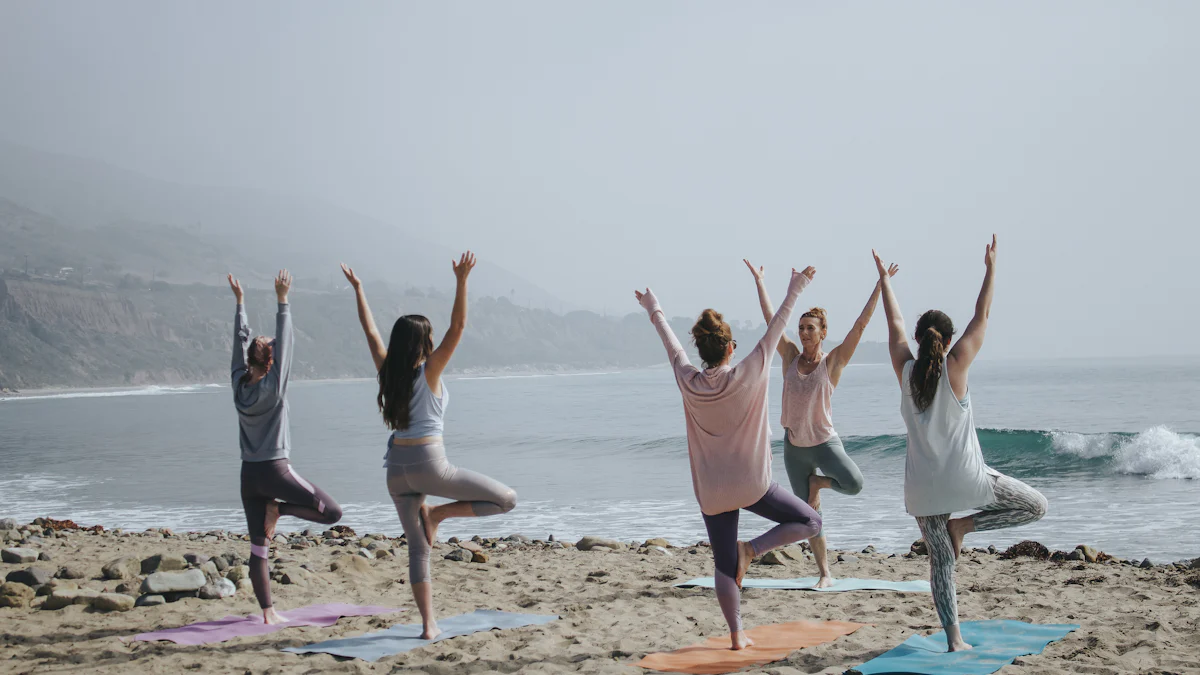
Stress Reduction Techniques
Breathing Exercises
Breathing exercises serve as a cornerstone of both yoga and meditation. These techniques help you calm your mind and body, reducing stress levels significantly. When you focus on your breath, you activate your body's relaxation response. This practice lowers cortisol levels, the hormone linked to stress.
Studies show that practicing meditation can lead to a 14% reduction in stress over just ten days. Incorporating simple breathing exercises into your daily routine can help you feel more centered and relaxed. Try inhaling deeply through your nose, holding for a moment, and exhaling slowly through your mouth. Repeat this several times, and notice how your stress begins to melt away.
Physical Postures
Physical postures in yoga also play a vital role in stress reduction. Engaging in yoga 2-3 times per week can help maintain a balanced mood and lower stress. Each pose encourages you to connect with your body, promoting awareness and relaxation.
As you move through various postures, you release tension stored in your muscles. This release not only alleviates physical discomfort but also calms your mind. Regular yoga practice can significantly reduce stress and promote mental clarity. You may find that after a session, your worries seem less overwhelming, and your mind feels clearer.
Enhancing Emotional Regulation
Mind-Body Connection
Yoga and meditation foster a strong mind-body connection. This connection allows you to become more aware of your emotions and reactions. By practicing mindfulness, you learn to observe your thoughts without judgment. This awareness helps you respond to situations more thoughtfully rather than reacting impulsively.
As you deepen your practice, you cultivate self-compassion. This quality enables you to treat yourself with kindness during difficult times. You develop resilience, which empowers you to navigate life's challenges with a positive mindset.
Increased Resilience
Both yoga and meditation enhance your emotional resilience. Regular practice equips you with tools to manage stress and anxiety effectively. You learn to face challenges with a sense of calm and confidence.
Research indicates that individuals who engage in yoga experience a significant decrease in state anxiety and improvements in sleep and quality of life. By incorporating these practices into your routine, you build a solid foundation for emotional well-being. You may find that you handle stressors more gracefully, leading to a more fulfilling life.
Benefits of Meditation for Mental Health
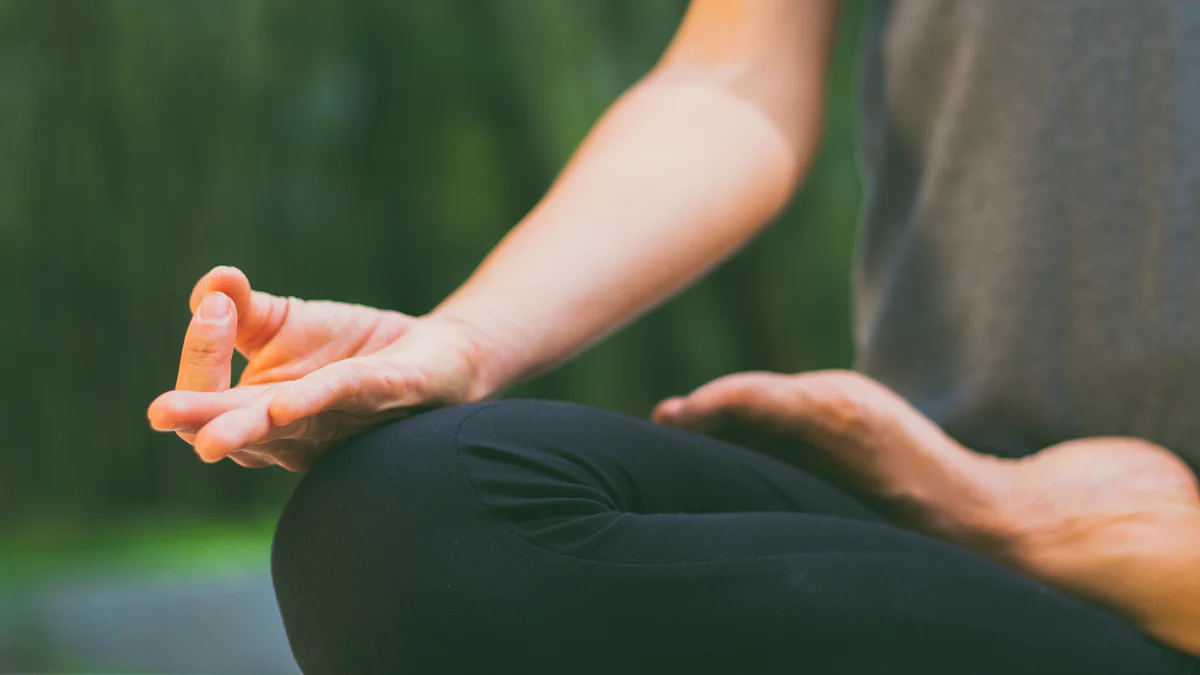
Improving Focus and Concentration
Attention Training
Meditation sharpens your focus and enhances your concentration. Regular practice trains your mind to stay present, which improves your ability to concentrate on tasks. Studies show that just 12 minutes of meditation, five days a week, can protect and strengthen your attention. This consistent practice helps you manage distractions effectively, allowing you to engage fully in your activities.
As you meditate, you develop a heightened awareness of your thoughts. This awareness enables you to redirect your focus when your mind wanders. Over time, you will notice a significant improvement in your ability to concentrate on work, studies, or any task at hand.
Cognitive Flexibility
Meditation also boosts your cognitive flexibility. This skill allows you to adapt your thinking and approach problems from different angles. Research indicates that mindfulness meditation positively changes brain structure, enhancing your mental and physical health. You become more adept at switching between tasks and adjusting to new information.
With improved cognitive flexibility, you can tackle challenges with creativity and resilience. You will find it easier to navigate complex situations, leading to better decision-making and problem-solving skills.
Promoting Emotional Well-Being
Self-Compassion
Meditation fosters self-compassion, a vital aspect of emotional well-being. As you practice mindfulness, you learn to treat yourself with kindness and understanding. This shift in perspective helps you manage negative emotions more effectively. You become less critical of yourself during tough times, allowing for a healthier emotional response.
Research highlights that meditation aids in emotional recovery and response. By cultivating self-compassion, you build a strong foundation for resilience. You will find it easier to bounce back from setbacks and maintain a positive outlook on life.
Reduced Anxiety
Meditation significantly reduces anxiety levels. Engaging in regular meditation practice lowers stress and promotes a sense of calm. Studies reveal that meditation has longer-lasting effects on reducing stress than a vacation. This practice reprograms your brain, increasing your capacity to manage stress effectively.
As you meditate, you create a mental space that allows you to process your emotions. This space helps you respond to anxiety triggers with a sense of calm rather than panic. Over time, you will notice a decrease in anxious thoughts and an increase in emotional stability.
Integrating Yoga and Meditation into Daily Life
Creating a Routine
Setting Aside Time
To reap the benefits of yoga and meditation, you must create a consistent routine. Start by setting aside a specific time each day for your practice. Even dedicating just 2-5 minutes can yield significant benefits if you do it regularly. Consider incorporating these practices into your morning routine. This approach can help you start your day with a clear mind and a positive attitude.
You might also find it helpful to schedule your sessions in your calendar. Treat this time as an important appointment. By prioritizing your practice, you signal to yourself that your mental well-being matters.
Finding the Right Space
Creating a peaceful environment enhances your yoga and meditation experience. Look for a quiet space in your home where you can practice without distractions. This space should feel comfortable and inviting. You can add personal touches, such as candles, cushions, or calming artwork, to make it your own.
If you prefer practicing outdoors, find a serene spot in nature. The fresh air and natural surroundings can deepen your connection to your practice. Remember, the goal is to create a space that promotes relaxation and focus.
Starting with Simple Practices
Beginner-Friendly Yoga Poses
As a beginner, you don’t need to master complex poses right away. Start with simple yoga poses that promote relaxation and mindfulness. Here are a few to consider:
Child’s Pose: This gentle pose helps you relax and release tension.
Cat-Cow Stretch: This flow between two poses warms up your spine and encourages breath awareness.
Downward-Facing Dog: This pose stretches your entire body and calms your mind.
These poses can help you build a strong foundation for your practice. Focus on your breath as you move through each pose. This connection between breath and movement enhances your overall experience.
Basic Meditation Techniques
Meditation can be simple and accessible. Begin with basic techniques that suit your lifestyle. Here are a couple of methods to try:
Mindful Breathing: Sit comfortably and focus on your breath. Inhale deeply through your nose, hold for a moment, and exhale slowly through your mouth. Repeat this for a few minutes, allowing your thoughts to come and go without judgment.
Guided Meditation: Use apps or online resources that offer guided sessions. These can provide structure and support as you develop your practice.
By starting with these simple techniques, you can gradually build your confidence and deepen your practice. Remember, consistency is key. As you integrate yoga and meditation into your daily life, you will likely notice improvements in your mental clarity, emotional stability, and overall well-being.
Overcoming Barriers to Practice
Common Misconceptions
Time Commitment
Many people believe that yoga and meditation require a significant time commitment. This misconception often prevents you from starting or maintaining a practice. In reality, you can benefit from just a few minutes each day. Even dedicating 2-5 minutes can lead to noticeable improvements in your mental well-being.
Consider this: 27.5% of participants in a recent survey practiced yoga or meditation. Many of them reported that they started with short sessions. You can easily fit these practices into your busy schedule.
Physical Limitations
Another common barrier involves physical limitations. Some individuals think they need to be flexible or fit to practice yoga. This belief can discourage you from trying. However, yoga welcomes all body types and abilities. You can modify poses to suit your comfort level.
Many practitioners find that yoga helps improve their flexibility and strength over time. Remember, the goal is not to achieve perfection but to connect with your body and mind.
Staying Motivated
Setting Realistic Goals
Setting realistic goals can keep you motivated on your journey. Start small and gradually increase your practice duration and complexity. For example, aim for two sessions per week initially. As you become more comfortable, you can add more days or longer sessions.
Celebrate your progress, no matter how small. Each step forward counts. You might find that tracking your achievements boosts your motivation.
Tracking Progress
Tracking your progress can provide valuable insights into your journey. Consider keeping a journal to note your experiences, feelings, and improvements. This practice allows you to reflect on your growth over time.
You can also use apps or online platforms to monitor your practice. Many of these tools offer reminders and progress tracking features. By seeing how far you’ve come, you’ll feel inspired to continue.
Incorporating yoga and meditation into your life can transform your mental well-being. Overcoming barriers takes time and effort, but the rewards are worth it. Embrace the journey, and remember that every small step leads to significant change.
Real-Life Success Stories
Personal Testimonials
Case Study 1
Sarah, a busy marketing executive, struggled with anxiety and stress. She felt overwhelmed by her daily responsibilities. One day, she decided to try yoga and meditation. After just a few weeks of consistent practice, Sarah noticed a significant change.
"Yoga gave me a sense of calm and peace that I never experienced before. Meditation helped me become more aware of my thoughts and emotions. I now handle stress much better," she shared.
Sarah's journey illustrates how these practices can transform your mental health. You can find that yoga and meditation not only reduce stress but also encourage positive thinking and self-awareness.
Case Study 2
James, a college student, faced challenges with anxiety and focus. He often felt distracted and struggled to keep up with his studies. After attending a yoga class, he decided to incorporate both yoga and meditation into his routine.
"I never thought I could feel this relaxed. Practicing yoga helped me focus better in class, and meditation calmed my racing thoughts," James explained.
His experience highlights the power of these practices in enhancing concentration and emotional well-being. You, too, can experience similar benefits by committing to a regular practice.
Research Findings
Study 1
Numerous studies support the mental health benefits of yoga and meditation. One study found that participants who practiced yoga regularly reported a 30% reduction in stress levels. This research emphasizes how engaging in these practices can lead to significant improvements in emotional health.
Study 2
Another study focused on meditation's impact on anxiety. Researchers discovered that individuals who meditated consistently experienced a 25% decrease in anxiety symptoms. This finding reinforces the idea that meditation can help you cultivate better emotions and manage stress effectively.
Incorporating yoga and meditation into your life can lead to remarkable changes. Real-life success stories and research findings show that you can enhance your mental well-being. Embrace these practices, and watch as they transform your life for the better.
Yoga and meditation are essential practices for enhancing your mental well-being. These techniques offer practical benefits for stress management and emotional health. You can experience reduced anxiety, improved mood, and greater resilience through regular practice. Incorporating yoga and meditation into your daily life leads to lasting positive changes. Embrace these powerful tools to unlock a calmer, more balanced state of mind. Your journey toward improved mental health starts today.
FAQ
What are the main benefits of yoga and meditation for mental health?
Yoga and meditation offer numerous benefits for your mental health. They help reduce stress, improve emotional regulation, and enhance overall well-being. Regular practice can lead to decreased anxiety and depression, allowing you to experience a more balanced state of mind.
How often should I practice yoga and meditation?
Aim for consistency in your practice. You can start with just 2-5 minutes of meditation or yoga each day. Gradually increase the duration as you become more comfortable. Many people find that practicing 2-3 times a week yields significant benefits.
Do I need to be flexible to practice yoga?
No, you do not need to be flexible to start yoga. Yoga welcomes all body types and abilities. You can modify poses to suit your comfort level. Over time, you may notice improvements in your flexibility and strength.
Can yoga and meditation help with anxiety?
Absolutely! Both yoga and meditation have shown effectiveness in reducing anxiety levels. Engaging in these practices helps calm your mind and promotes a sense of peace. Many individuals report feeling less anxious after incorporating yoga and meditation into their routines.
What if I don’t have time for long sessions?
You can still benefit from short sessions. Even dedicating 2-5 minutes daily can lead to noticeable improvements in your mental well-being. Consider integrating these practices into your morning routine or during breaks throughout the day.
Are there specific poses or techniques for beginners?
Yes! As a beginner, focus on simple yoga poses like Child’s Pose, Cat-Cow Stretch, and Downward-Facing Dog. For meditation, try mindful breathing or guided meditation. These techniques help you build a strong foundation for your practice.
How can I stay motivated to practice regularly?
Set realistic goals to keep yourself motivated. Start small and gradually increase your practice duration. Tracking your progress in a journal can also inspire you. Celebrate your achievements, no matter how minor they may seem.
Can I practice yoga and meditation at home?
Definitely! You can practice yoga and meditation in the comfort of your home. Create a peaceful space where you feel relaxed and focused. Personalize your environment with calming elements like candles or cushions to enhance your experience.
What should I do if I feel overwhelmed during practice?
If you feel overwhelmed, take a moment to pause. Focus on your breath and allow yourself to relax. Remember, yoga and meditation are about self-compassion. It’s okay to take breaks and return to your practice when you feel ready.
How do I know if yoga and meditation are right for me?
You can explore yoga and meditation to see how they resonate with you. Many people find these practices beneficial for their mental health. Listen to your body and mind, and notice how you feel after each session. Your journey is personal, and you deserve to find what works best for you.
See Also
Uncover The Wellness Advantages Of Practicing Yoga
Ways Yoga Alleviates Symptoms Of Anxiety Effectively
Exploring The Advantages Of Bikram Yoga Practice

Hi my name is Lia and i am your host in this yoga journey in Portugal, Subscribe to our newsletter to receive every week the best of Yoga in Portugal.

We bring back the importance of initiation into womanhood by Roos-Veerle Krijnen & Ella-June Henrard
Welcome to the Women’s Initiation Retreat by Naked Truth Retreats, a transformative journey into the depths of your True Feminine Nature. This retreat invites you to remember the sacredness and wholeness of your being.
Roos-Veerle Krijnen & Ella-June Henrard