Discover How Yoga Enhances Your Mental Well-Being

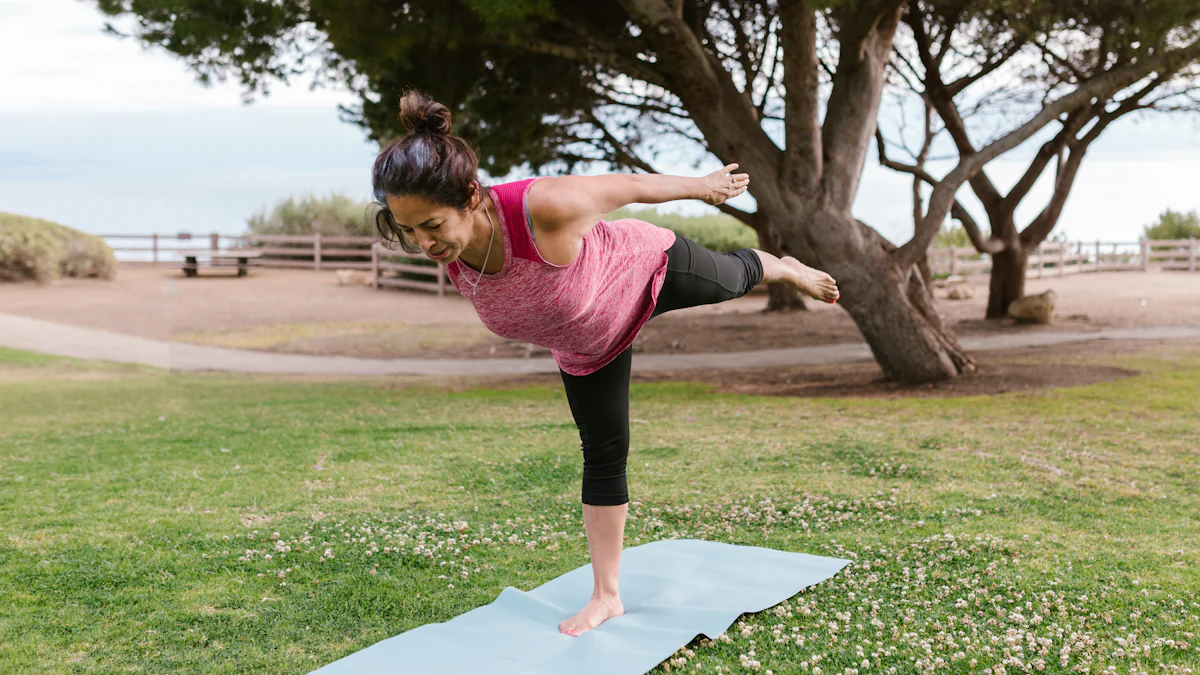
Yoga serves as a powerful tool for improving your mental health, showcasing various uses of yoga. It reduces stress, enhances your mood, and promotes emotional stability. Engaging in yoga practices leads to significant improvements in your mental well-being. You can experience various benefits through simple techniques like breath control and mindful movement. By incorporating yoga into your routine, you empower yourself to manage life's challenges more effectively and cultivate a positive mindset.
Key Takeaways
Incorporate breathing techniques like Pranayama into your routine to effectively reduce stress and promote relaxation.
Engage in specific yoga poses, such as Child's Pose and Forward Bend, to release tension and enhance your mood.
Practice mindfulness during yoga sessions to cultivate awareness and reduce anxiety, leading to a more balanced emotional state.
Establish a consistent yoga practice by setting realistic goals and creating a dedicated space for your sessions.
Explore different styles of yoga to find the best fit for your mental health needs, whether for relaxation or energy.
Utilize yoga as a tool for emotional regulation, helping you manage feelings and develop resilience against life's challenges.
Enhance your sleep quality by incorporating gentle yoga stretches and relaxation techniques into your evening routine.
Stress Reduction Through Yoga
The Role of Breathing Techniques
Breathing techniques play a crucial role in yoga. You can harness the power of your breath to reduce stress and promote relaxation. One effective method is Pranayama, which involves controlled breathing exercises. This practice helps you manage your stress response by activating the parasympathetic nervous system. As a result, your heart rate decreases, blood pressure lowers, and your mind begins to calm.
Benefits of Pranayama
Engaging in Pranayama offers numerous benefits. It enhances your self-awareness and encourages mindfulness. Studies show that regular practice of these breathing techniques significantly reduces stress levels. You may notice an improvement in your overall well-being as you incorporate Pranayama into your routine.
How Breath Control Calms the Mind
Breath control acts as a natural antidote to anxiety. When you focus on your breath, you shift your attention away from stressors. This simple act can lower cortisol levels, the hormone responsible for stress. By practicing breath control, you create a sense of peace within yourself. You can face challenges with a clearer mind and a more balanced emotional state.
Physical Postures and Their Impact
Physical postures, or asanas, also contribute to stress reduction. Each pose serves a purpose, helping you release tension and cultivate relaxation. You can experience immediate relief from stress by practicing specific asanas designed for this purpose.
Asanas for Stress Relief
Certain yoga poses are particularly effective for stress relief. For instance, Child's Pose and Forward Bend help stretch the spine and release tightness in the body. These poses encourage deep breathing, which further enhances relaxation. Incorporating these asanas into your practice can lead to a calmer mind and a more relaxed body.
The Connection Between Movement and Relaxation
Movement in yoga creates a powerful connection between your body and mind. As you flow through different poses, you engage in a mindful practice that promotes relaxation. Research indicates that physical activity, such as yoga, helps lower stress hormones while increasing beneficial brain chemicals like endorphins. This combination fosters a positive mood and enhances your overall mental well-being.
Mood Enhancement with Yoga

The Science Behind Yoga and Happiness
Yoga acts as a powerful catalyst for happiness. When you practice yoga, your body releases endorphins, the natural mood elevators. These chemicals create feelings of joy and euphoria. Engaging in yoga regularly can lead to a significant boost in your overall mood.
Release of Endorphins
Research shows that physical activity, including yoga, stimulates the release of endorphins. This release helps combat feelings of sadness and anxiety. You may find that after a yoga session, you feel lighter and more positive. The connection between movement and mood is profound.
Impact on Neurotransmitters
Yoga also influences neurotransmitters in your brain. It elevates levels of gamma-aminobutyric acid (GABA), a chemical linked to improved mood and reduced anxiety. Higher GABA levels can lead to a calmer state of mind. Studies indicate that yoga can effectively reduce symptoms of depression and anxiety. You can experience these benefits through consistent practice.
Mindfulness and Its Effects
Mindfulness plays a crucial role in enhancing your mood. Practicing presence during your yoga sessions allows you to connect deeply with your thoughts and feelings. This connection fosters a sense of peace and clarity.
Practicing Presence
When you focus on the present moment, you cultivate awareness. This practice helps you step away from worries about the past or future. You learn to appreciate the here and now. Mindfulness encourages you to embrace your emotions without judgment. This acceptance can lead to a more balanced emotional state.
Reducing Anxiety Through Mindfulness
Mindfulness techniques in yoga can significantly reduce anxiety. By concentrating on your breath and movements, you shift your focus away from stressors. This shift helps lower cortisol levels, the hormone responsible for stress. You may find that regular mindfulness practice enhances your resilience against anxiety.
Incorporating these elements into your yoga routine can lead to profound improvements in your mental well-being. You empower yourself to face life's challenges with a positive outlook.
Cognitive Enhancement Through Yoga
Improved Focus and Concentration
Yoga sharpens your focus and concentration. You can enhance your mental clarity through specific techniques that engage both your body and mind. For instance, practicing Trataka, or candle gazing, trains your eyes and mind to maintain focus. This technique helps you develop a deeper sense of awareness.
Techniques to Sharpen the Mind
Incorporate various techniques into your yoga routine to boost cognitive function. Here are some effective methods:
Mindful Breathing: Concentrate on your breath during yoga. This practice calms your mind and enhances your ability to focus.
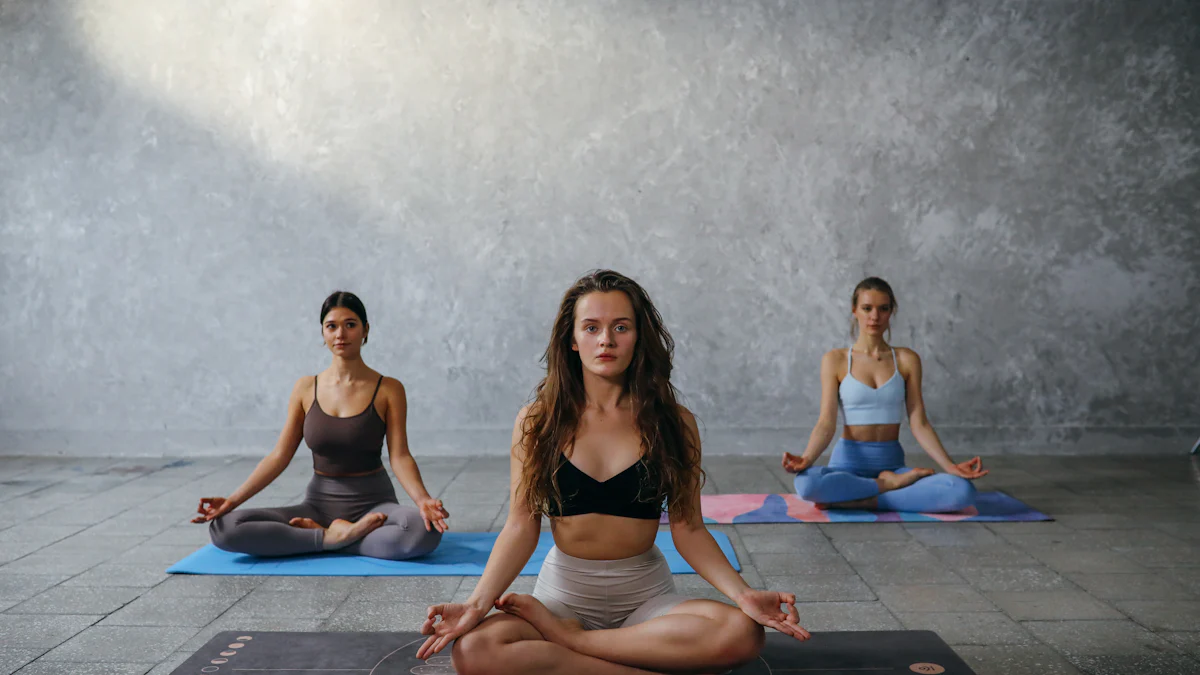
Meditative Asanas: Poses like Lotus or Sukhasana encourage stillness and promote mental clarity.
Visualization: Picture your goals or intentions during your practice. This technique strengthens your mental imagery skills.
Research indicates that engaging in yoga can improve memory, speed, and accuracy. A study found that participants showed significant cognitive enhancements after just a 20-minute yoga session. You can experience these benefits by committing to regular practice.
Yoga's Effect on Cognitive Function
Yoga positively impacts cognitive function. Studies using MRI scans reveal that regular practitioners have a thicker cerebral cortex and hippocampus compared to nonpractitioners. These areas of the brain play crucial roles in memory and learning. Engaging in yoga may counteract age-related declines in cognitive skills.
Memory Benefits
Yoga not only enhances focus but also supports memory retention. You can strengthen your memory through consistent practice.
How Yoga Supports Memory Retention
Yoga promotes neuroplasticity, the brain's ability to adapt and grow. This adaptability is essential for memory retention. A recent study highlighted that yoga practice enhances levels of brain-derived neurotrophic factor (BDNF), a protein crucial for learning and memory. By incorporating yoga into your routine, you can boost your brain's capacity to retain information.
The Role of Meditation in Memory
Meditation, an integral part of yoga, significantly improves memory. Mindfulness meditation encourages you to focus on the present moment. This practice enhances your ability to recall information and improves overall cognitive function. Engaging in meditation regularly can lead to better decision-making and learning performance.
Better Sleep Quality with Yoga
Yoga Practices for Sleep Improvement
Sleep plays a vital role in your overall well-being. You can enhance your sleep quality through specific yoga practices. Establishing evening routines and relaxation techniques can help you unwind and prepare for restful sleep.
Evening Routines and Relaxation Techniques
Creating a calming evening routine sets the stage for better sleep. Consider incorporating gentle yoga stretches into your nightly ritual. Poses like Legs-Up-The-Wall and Reclining Bound Angle Pose promote relaxation and signal your body that it’s time to wind down.
You might also explore relaxation techniques such as:
Meditation: Spend a few minutes focusing on your breath. This practice calms your mind and eases tension.
Gentle Music: Listen to soothing sounds or soft music while practicing yoga. This can enhance your relaxation experience.
Aromatherapy: Use calming essential oils like lavender to create a peaceful atmosphere.
Establishing these habits can significantly improve your sleep quality. Research shows that interventions like yoga can reduce insomnia severity and enhance sleep quality for many individuals.
The Importance of Sleep Hygiene
Good sleep hygiene is essential for achieving restful sleep. You can create an environment conducive to sleep by following these tips:
Maintain a Consistent Sleep Schedule: Go to bed and wake up at the same time every day. This helps regulate your body's internal clock.
Limit Screen Time: Reduce exposure to screens at least an hour before bedtime. The blue light emitted by devices can interfere with your ability to fall asleep.
Create a Comfortable Sleep Environment: Ensure your bedroom is dark, quiet, and cool. A comfortable mattress and pillows also contribute to better sleep.
By prioritizing sleep hygiene, you set yourself up for a more restorative night’s sleep.
Reducing Insomnia Symptoms
Yoga can effectively reduce insomnia symptoms. Specific poses and breathing exercises can help calm your mind and body, making it easier to drift off to sleep.
Yoga Poses for Better Sleep
Certain yoga poses are particularly beneficial for inducing sleep. Incorporate these into your evening routine:
Child's Pose: This gentle stretch relaxes the back and calms the mind.
Seated Forward Bend: This pose helps release tension in the spine and promotes relaxation.
Corpse Pose: Lying flat on your back allows your body to relax completely, preparing you for sleep.
Studies indicate that these specific yoga routines can address the root causes of insomnia, such as stress and anxiety. Regular practice can lead to improved sleep quality and efficiency.
Breathing Exercises Before Bed
Breathing exercises can further enhance your ability to fall asleep. Try these techniques before bedtime:
4-7-8 Breathing: Inhale for four counts, hold for seven counts, and exhale for eight counts. This technique calms your nervous system and prepares your body for sleep.
Diaphragmatic Breathing: Focus on deep belly breaths. This practice reduces stress and promotes relaxation.
Incorporating these breathing exercises into your nightly routine can significantly improve your sleep quality. Research shows that yoga's relaxation techniques can lower blood pressure and reduce insomnia symptoms, leading to a more restful night.
By embracing yoga as part of your sleep routine, you empower yourself to achieve better sleep quality. You can wake up feeling refreshed and ready to tackle the day ahead.
Building Emotional Resilience Through Yoga
Coping with Life's Challenges
Life presents challenges that can test your emotional strength. Yoga serves as a powerful tool for emotional regulation. You can learn to manage your feelings and reactions through consistent practice. This practice helps you develop coping strategies that empower you to face difficulties with confidence.
Yoga as a Tool for Emotional Regulation
Yoga encourages self-awareness and mindfulness. These qualities allow you to recognize your emotions without judgment. When you practice yoga, you create a safe space to explore your feelings. This exploration leads to better emotional regulation. Research shows that yoga can reduce symptoms of anxiety and depression. By incorporating yoga into your routine, you can cultivate a more balanced emotional state.
Developing a Positive Mindset
A positive mindset transforms your outlook on life. Yoga fosters optimism by promoting self-acceptance and gratitude. As you flow through poses, you connect with your body and mind. This connection encourages you to appreciate your journey. Studies indicate that yoga enhances subjective well-being. You can experience increased happiness and resilience by focusing on the present moment.
Community and Support
Building connections with others enhances your emotional resilience. Yoga creates a sense of community that supports your growth. Participating in group classes fosters relationships that uplift and inspire you.
The Role of Group Classes
Group classes provide a unique environment for learning and sharing. You can connect with like-minded individuals who share similar goals. This connection fosters a supportive atmosphere. Research highlights that social connections improve mental health. Engaging in group yoga sessions can lead to lasting friendships and a sense of belonging.
Building Connections Through Yoga
Yoga encourages you to build connections beyond the mat. You can share your experiences and challenges with others. This sharing creates a network of support that helps you navigate life's ups and downs. As you practice together, you inspire one another to grow. Embracing this community aspect of yoga enriches your practice and enhances your emotional resilience.
Practical Tips for Incorporating Yoga into Daily Life
Creating a Consistent Practice
Establishing a consistent yoga practice can transform your mental well-being. You can start by setting realistic goals that fit your lifestyle.
Setting Realistic Goals
Begin with small, achievable targets. Aim for a few minutes of yoga each day rather than an hour-long session. Gradually increase your practice time as you become more comfortable. This approach helps you stay motivated and prevents burnout. Remember, consistency matters more than duration.
Finding the Right Time and Space
Identify a time that works best for you. Whether it's early morning or late evening, choose a moment when you feel most relaxed. Create a dedicated space for your practice. A quiet corner with minimal distractions can enhance your experience. You can use a yoga mat, cushions, or even a blanket to make your space inviting.
Exploring Different Styles of Yoga
Yoga offers various styles, each with unique benefits. Exploring these can help you find the right fit for your mental health.
Choosing the Right Type for Mental Health
Consider styles like Hatha or Yin yoga for relaxation and stress relief. These practices focus on gentle movements and deep breathing. If you seek more energy, try Vinyasa or Power yoga. These styles incorporate dynamic flows that can elevate your mood. Research shows that yoga significantly reduces symptoms of anxiety and depression, making it a valuable tool for mental health management.
Resources for Beginners
Numerous resources exist to help you start your yoga journey. Online platforms offer classes tailored for beginners. You can find instructional videos, apps, and even local studios that provide beginner-friendly sessions. Joining a community can also enhance your experience. Engaging with others who share your interests fosters motivation and support.
By incorporating these practical tips into your daily life, you can enjoy the numerous uses of yoga. You empower yourself to cultivate a consistent practice that enhances your mental well-being.
Yoga offers a holistic approach to enhancing your mental well-being. You gain valuable tools for stress reduction, mood enhancement, and emotional resilience. By incorporating yoga into your daily routine, you can experience profound benefits for your mental health.
Consider these key advantages:
Reduced symptoms of anxiety and depression
Improved sleep quality
Increased self-awareness and mindfulness
Embrace yoga as a powerful ally in your journey toward better mental health. You hold the key to transforming your life through this practice. Start today and unlock your potential for a happier, healthier you!
See Also
Yoga Practices That Improve Your Focus And Attention
The Role Of Yoga In Promoting Student Wellness
Yoga Techniques For Better Sleep And Restfulness
The Impact Of Yoga On Men's Health And Vitality
Yoga's Influence On Improving Sexual Enjoyment And Connection

Hi my name is Lia and i am your host in this yoga journey in Portugal, Subscribe to our newsletter to receive every week the best of Yoga in Portugal.

We bring back the importance of initiation into womanhood by Roos-Veerle Krijnen & Ella-June Henrard
Welcome to the Women’s Initiation Retreat by Naked Truth Retreats, a transformative journey into the depths of your True Feminine Nature. This retreat invites you to remember the sacredness and wholeness of your being.
Roos-Veerle Krijnen & Ella-June Henrard