Why Yoga's Essence is Lost in Adult Content


Yoga's essence often gets lost in xxx with yoga, leading to a skewed perception of its true purpose. You might see yoga portrayed as merely a physical exercise or even sexualized, overshadowing its spiritual and cultural roots. This misrepresentation concerns both practitioners and those who value cultural preservation. Yoga, deeply rooted in Hindu traditions, offers more than just physical fitness; it promotes self-development and mindfulness. Understanding yoga's true significance helps you appreciate its holistic benefits and respect its cultural heritage.
Understanding the True Essence of Yoga

The Spiritual and Cultural Roots of Yoga
Historical Background and Origins
Yoga's origins trace back to ancient India, deeply intertwined with the spiritual and philosophical traditions of the region. The earliest mentions of yoga appear in the Vedas, ancient texts that discuss the control of the mind and senses. These texts highlight yoga's role in achieving spiritual enlightenment and self-discipline. Some scholars debate whether yoga's roots extend even further to the Indus Valley Civilization, suggesting that archaeological artifacts might support this theory. Regardless of its precise beginnings, yoga has always been more than just physical exercise. It embodies a rich tapestry of spiritual practices aimed at personal growth and self-awareness.
Core Philosophies and Practices
At its core, yoga encompasses a variety of philosophies and practices designed to unite the mind, body, and spirit. The practice encourages you to cultivate mindfulness and inner peace through meditation, breath control, and physical postures. These elements work together to help you achieve a balanced state of being. Yoga's teachings emphasize the importance of self-reflection and the pursuit of harmony within oneself and with the world. By understanding these core philosophies, you can appreciate yoga as a holistic discipline that transcends mere physical activity.
The Holistic Benefits of Yoga
Physical Health and Well-being
Yoga offers numerous benefits for your physical health and well-being. Regular practice can improve flexibility, strength, and posture. It also enhances respiratory function and cardiovascular health. Unlike xxx with yoga, which often focuses on superficial aspects, true yoga practice promotes overall physical wellness. By engaging in authentic yoga, you can experience increased energy levels and a greater sense of vitality.
Mental and Emotional Balance
Beyond physical benefits, yoga plays a crucial role in fostering mental and emotional balance. The practice encourages mindfulness, helping you manage stress and anxiety more effectively. Through meditation and focused breathing, yoga cultivates a sense of calm and clarity. This mental discipline allows you to navigate life's challenges with resilience and composure. Unlike the distorted portrayal of xxx with yoga, which may emphasize external appearances, genuine yoga practice nurtures inner peace and emotional stability.
How Yoga is Misrepresented in Adult Content
Yoga, a practice with deep spiritual and cultural roots, often faces misrepresentation in adult content. This misrepresentation distorts its true essence and purpose, leading to misconceptions and stereotypes.
Common Misconceptions and Stereotypes
Sexualization of Yoga Poses
Many people mistakenly associate yoga with sexualized imagery. This perception arises from the portrayal of yoga poses in adult content, where they are often depicted in a suggestive manner. Such portrayals overshadow yoga's primary aim of promoting mental and physical well-being. The focus shifts from self-awareness and mindfulness to superficial aspects, which can mislead individuals about yoga's true purpose.
Misuse of Yoga Terminology
The misuse of yoga terminology further contributes to its misrepresentation. Terms like "chakra" and "karma" are often used inaccurately in adult content, stripping them of their original meanings. This not only confuses practitioners but also diminishes the cultural significance of these concepts. When you encounter such misuse, it becomes challenging to appreciate the depth and richness of yoga's teachings.
The Impact of Misrepresentation
Cultural Appropriation Concerns
Cultural appropriation poses a significant concern when yoga is misrepresented. South Asian communities have preserved yoga through resilience, despite historical challenges. However, the commercialization and repackaging of yoga for entertainment and profit often ignore its cultural essence. This appropriation dilutes yoga's spiritual aspects and reduces it to a mere commodity, disrespecting its origins.
Misleading Public Perception
Misrepresentation in adult content leads to a misleading public perception of yoga. Many people view yoga as a trend or a quick fix rather than a holistic discipline. This perception undermines its value as a lifelong journey of self-discovery and growth. False claims about yoga's benefits can also harm individuals' health, as they may rely on inaccurate information. By understanding the true essence of yoga, you can avoid falling into these misconceptions and appreciate its genuine benefits.
The Importance of Preserving Yoga's Essence
Preserving the essence of yoga is crucial for maintaining its integrity and honoring its rich cultural heritage. As yoga becomes more commercialized, it risks losing its spiritual and philosophical roots. By understanding and respecting these roots, you can engage with yoga in a way that honors its true purpose.
Respecting Yoga's Cultural Heritage
Acknowledging Its Origins
Yoga's origins lie in ancient India, where it developed as a spiritual and philosophical practice. Recognizing this history is essential for appreciating yoga's depth and significance. When you acknowledge yoga's origins, you show respect for the cultures that have nurtured and preserved it over centuries. This respect helps prevent the reduction of yoga to a mere exercise trend or fashion statement.
Promoting Authentic Practices
To preserve yoga's essence, you should promote authentic practices that reflect its true nature. Authentic yoga involves more than just physical postures; it encompasses meditation, breath control, and self-reflection. By engaging in these practices, you can experience yoga as a holistic discipline that unites the mind, body, and spirit. Promoting authentic practices ensures that yoga remains connected to its spiritual and cultural roots.
Encouraging Mindful and Respectful Practice
Educating Practitioners and Instructors
Education plays a vital role in preserving yoga's essence. As a practitioner or instructor, you should seek to understand yoga's philosophies and teachings. This understanding allows you to practice and teach yoga with integrity and respect. By educating yourself and others, you contribute to a community that values yoga's cultural heritage and spiritual depth.
Supporting Ethical Yoga Communities
Supporting ethical yoga communities is another way to preserve yoga's essence. These communities prioritize authenticity and respect for yoga's origins. By participating in such communities, you can engage with yoga in a mindful and respectful manner. Ethical yoga communities also provide a space for practitioners to learn from each other and grow together, fostering a deeper appreciation for yoga's true essence.
How to Engage with Yoga Respectfully
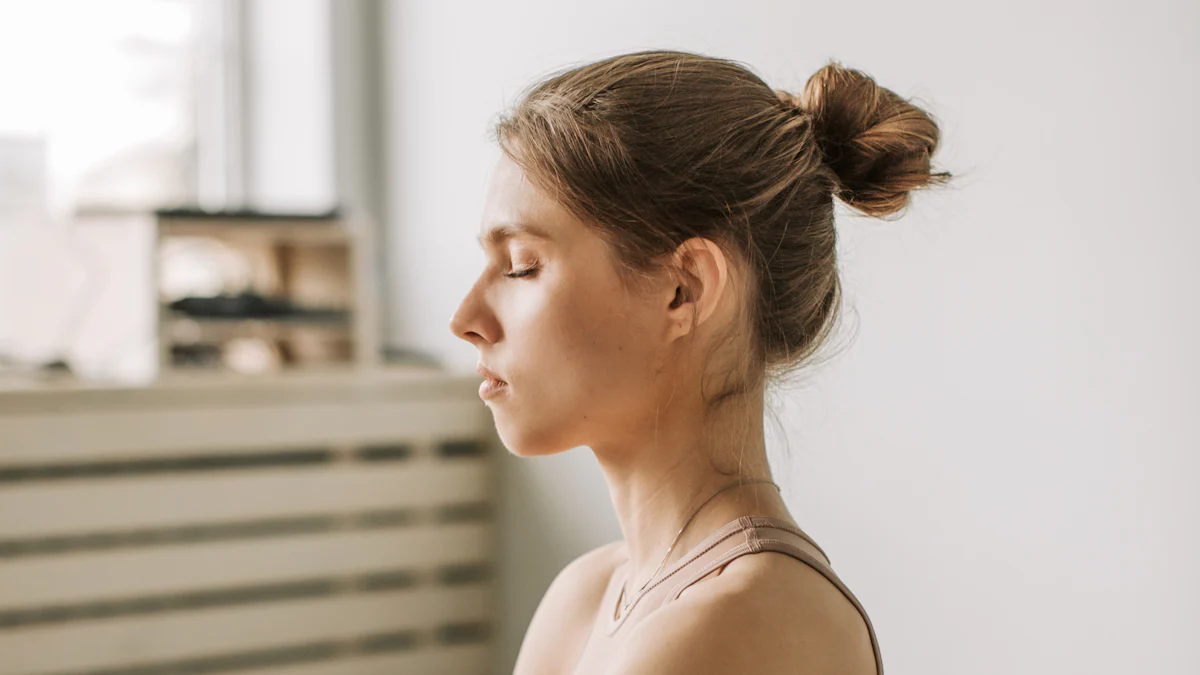
Engaging with yoga respectfully involves understanding its true essence and practicing it with integrity. By choosing authentic classes and resources, and focusing on personal growth, you can honor yoga's rich cultural heritage.
Choosing Authentic Yoga Classes and Resources
Identifying Qualified Instructors
To practice yoga authentically, you must find qualified instructors who respect its cultural roots. Look for teachers with extensive training and a deep understanding of yoga's philosophies. Ravi Dixit, a yoga expert, emphasizes the importance of mastering the basics, such as the Sutras of Patanjali and the Eight Limbs of Yoga. He questions the effectiveness of short online courses that claim to make you a yoga teacher in just three weeks. Instead, he advocates for years of study to truly grasp yoga's depth. When selecting an instructor, prioritize those who have dedicated time to learning and embodying yoga's principles.
Seeking Culturally Informed Materials
Accessing culturally informed materials enhances your understanding of yoga's origins and practices. Choose resources that delve into yoga's history and philosophies, rather than those that focus solely on physical postures. Books, documentaries, and articles by respected scholars and practitioners can provide valuable insights. By immersing yourself in these materials, you gain a deeper appreciation for yoga's spiritual and cultural significance.
Practicing Yoga with Integrity
Focusing on Personal Growth
Yoga is a journey of personal growth and self-discovery. Focus on your own development rather than comparing yourself to others. Embrace yoga as a tool for enhancing your mental, physical, and spiritual well-being. Avoid the superficial aspects often associated with xxx with yoga, which can distract from its true purpose. Instead, cultivate mindfulness and self-awareness through regular practice.
Embracing Yoga's True Values
Embrace yoga's true values by integrating its teachings into your daily life. Practice compassion, patience, and humility, both on and off the mat. Yoga encourages you to live in harmony with yourself and the world around you. By embodying these values, you contribute to a respectful and authentic yoga community. Remember, yoga is not just a physical exercise; it is a holistic discipline that unites the mind, body, and spirit.
Expert Opinions on Yoga's Misrepresentation
Insights from Yoga Practitioners
Personal Experiences and Observations
Yoga practitioners often express concern about the misrepresentation of yoga, especially in contexts like xxx with yoga. This portrayal can overshadow the true essence of yoga, which focuses on spiritual growth and self-awareness. Practitioners note that such misrepresentations can lead to misunderstandings about yoga's purpose. They emphasize the importance of returning to yoga's roots, which prioritize mental and physical well-being over superficial aspects.
Recommendations for Change
To address these issues, practitioners recommend several changes. First, they suggest promoting education about yoga's true philosophies and practices. This involves teaching the historical and cultural significance of yoga, ensuring that practitioners understand its depth beyond physical postures. Practitioners also advocate for creating spaces where authentic yoga can thrive, free from commercial influences that distort its essence. By fostering a community that values yoga's spiritual heritage, you can help preserve its integrity.
Perspectives from Cultural Experts
The Importance of Cultural Sensitivity
Cultural experts highlight the need for sensitivity when engaging with yoga. Loriliai Biernacki, an expert in cultural studies, points out that many Hindu concepts, including karma and meditation, have become part of American culture. This integration requires a respectful approach that acknowledges yoga's origins. Muhammad Waseem, a specialist in yoga philosophy, emphasizes that cultural appreciation involves approaching yoga with humility and respect. Recognizing yoga's cultural roots helps maintain its spiritual heritage.
"Cultural appreciation associates approaching yoga with humility, respect, and a willingness to master. It recognizes and honors the cultural origins and spiritual heritage from which yoga developed." — Muhammad Waseem
Strategies for Preserving Yoga's Integrity
Experts propose several strategies to preserve yoga's integrity. Puravi Joshi, offering a British Indian perspective, notes that subtle forms of cultural appropriation often glamorize yoga without understanding its significance. To counter this, experts recommend promoting authentic practices that honor yoga's origins. This includes supporting instructors and communities that prioritize cultural sensitivity and authenticity. By doing so, you contribute to a respectful and informed yoga practice that values its rich heritage.
"Many forms of yoga cultural appropriation are subtle; they involve knowingly glamorizing a cultural practice, and rationalizing doing so as harmless and fun." — Puravi Joshi
A Call to Action for Respectful Yoga Practice
Encouraging Community Engagement
Supporting Local Yoga Initiatives
Engaging with local yoga initiatives strengthens your connection to the community and supports authentic practices. By participating in local yoga classes or workshops, you help sustain instructors who respect yoga's cultural roots. These initiatives often focus on traditional teachings, providing a space for genuine learning and growth. Supporting local yoga not only benefits you but also contributes to preserving yoga's essence within your community.
Participating in Cultural Awareness Events
Cultural awareness events offer opportunities to deepen your understanding of yoga's origins and significance. By attending these events, you learn about the rich history and philosophies that underpin yoga. Such participation fosters respect for the cultures that have nurtured yoga over centuries. Engaging in cultural awareness activities helps you appreciate yoga beyond its physical aspects, encouraging a more holistic practice.
Advocating for Accurate Representation
Raising Awareness Through Social Media
Social media serves as a powerful tool for advocating accurate representation of yoga. By sharing peaceful and inspiring content, you can enhance your online presence and attract more students. Create posts about yoga poses, mindfulness tips, and personal anecdotes to build an engaging community. Sharing wellness advice and behind-the-scenes glimpses of your yoga journey guides potential yogis to explore authentic practices. Your efforts on social media can counteract the misleading portrayals often associated with xxx with yoga, promoting a true understanding of yoga's values.
"Sharing peaceful and inspiring content on social media can significantly enhance your presence as a yoga instructor and startup founder."
Collaborating with Cultural Organizations
Collaborating with cultural organizations strengthens your advocacy for yoga's accurate representation. These organizations often focus on preserving cultural heritage and can provide valuable resources and support. By working together, you can promote authentic yoga practices and raise awareness about its true essence. Collaboration ensures that yoga remains connected to its spiritual and cultural roots, fostering a respectful and informed community.
Yoga's misrepresentation in adult content distorts its true essence, overshadowing its spiritual and cultural roots. Understanding yoga's authentic purpose helps you appreciate its holistic benefits and respect its heritage. Engage with yoga by honoring its origins and practicing it with integrity. By doing so, you contribute to a more conscious and caring world. Embrace yoga's ethical principles in your daily life, fostering a collective movement towards authenticity. Support initiatives that promote accurate representation, ensuring yoga remains a profound discipline that enlightens the mind, body, and spirit.
See Also
The Allure of Yoga in Adult Entertainment Today
Uncovering New Trends in Yoga-Inspired Adult Media
The Growing Popularity of Yoga Pants in Adult Films

Hi my name is Lia and i am your host in this yoga journey in Portugal, Subscribe to our newsletter to receive every week the best of Yoga in Portugal.

We bring back the importance of initiation into womanhood by Roos-Veerle Krijnen & Ella-June Henrard
Welcome to the Women’s Initiation Retreat by Naked Truth Retreats, a transformative journey into the depths of your True Feminine Nature. This retreat invites you to remember the sacredness and wholeness of your being.
Roos-Veerle Krijnen & Ella-June Henrard