Yoga Débutant: Easy Poses for Starters

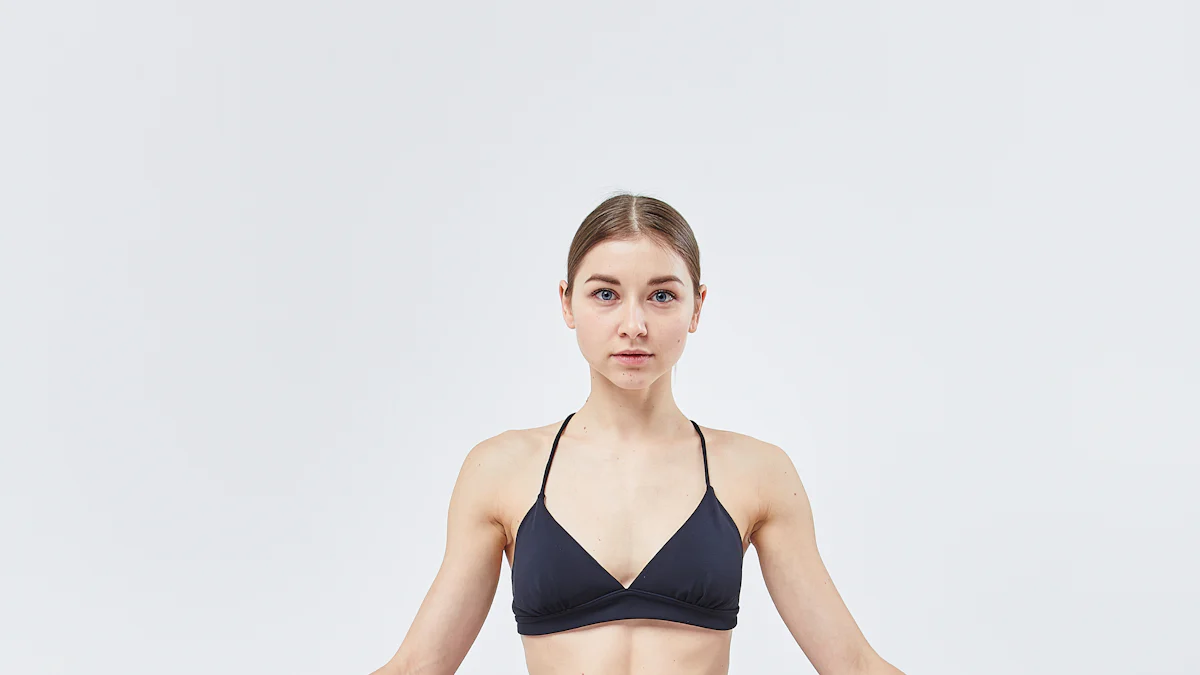
Embarking on your yoga débutant journey can be a transformative experience. You'll find that beginner-friendly poses not only enhance your well-being but also lay a strong foundation for future practice. Yoga offers numerous benefits, including improved flexibility and strength. It also plays a significant role in mental health, with 98.4% of practitioners reporting reduced stress symptoms. As you explore these poses, you'll discover how they can positively impact both your body and mind, helping you feel more balanced and centered in everyday life.
Benefits of Yoga for Beginners
Starting your yoga débutant journey brings a host of benefits that can transform both your body and mind. Let's dive into the physical and mental advantages you can expect as a beginner.
Physical Benefits
Improved Flexibility
Yoga is renowned for enhancing flexibility. As you practice regularly, you'll notice your muscles becoming more pliable. This increased flexibility helps prevent injuries and makes everyday movements easier. Imagine reaching for something on a high shelf or bending down to tie your shoes with ease. Over time, poses like the Mountain Pose and Downward Dog gently stretch your muscles, leading to greater flexibility.
Enhanced Strength
Yoga isn't just about stretching; it also builds strength. Many poses require you to support your body weight in new ways, which strengthens your muscles. For instance, holding the Plank Pose engages your core, arms, and legs, building endurance and power. As you progress, you'll find that your overall strength improves, making daily tasks feel less strenuous.
Mental Benefits
Stress Reduction
One of the most celebrated benefits of yoga is its ability to reduce stress. Studies have shown that yoga can lower cortisol levels, the hormone associated with stress. When you engage in mindful breathing and focus on the present moment during your practice, you create a sense of calm and relaxation. This stress reduction can lead to improved mood and a greater sense of well-being.
Increased Focus
Yoga also enhances your mental clarity and focus. The practice encourages you to concentrate on your breath and movements, which sharpens your attention. As you become more adept at maintaining this focus on the mat, you'll find it easier to concentrate in other areas of your life. Whether you're studying for a test or working on a project, yoga can help you stay centered and attentive.
Scientific Research Findings: A study by Kuru, Alici, and colleagues highlights yoga's positive contributions to physical, social, and spiritual aspects, improving mood and reducing stress. Another research emphasizes yoga's effectiveness in managing stress, anxiety, and depression, further supporting its role in enhancing quality of life.
Embarking on your yoga débutant path offers these incredible benefits and more. As you continue to practice, you'll likely experience a profound transformation in both your physical and mental health.
Basic Yoga Poses
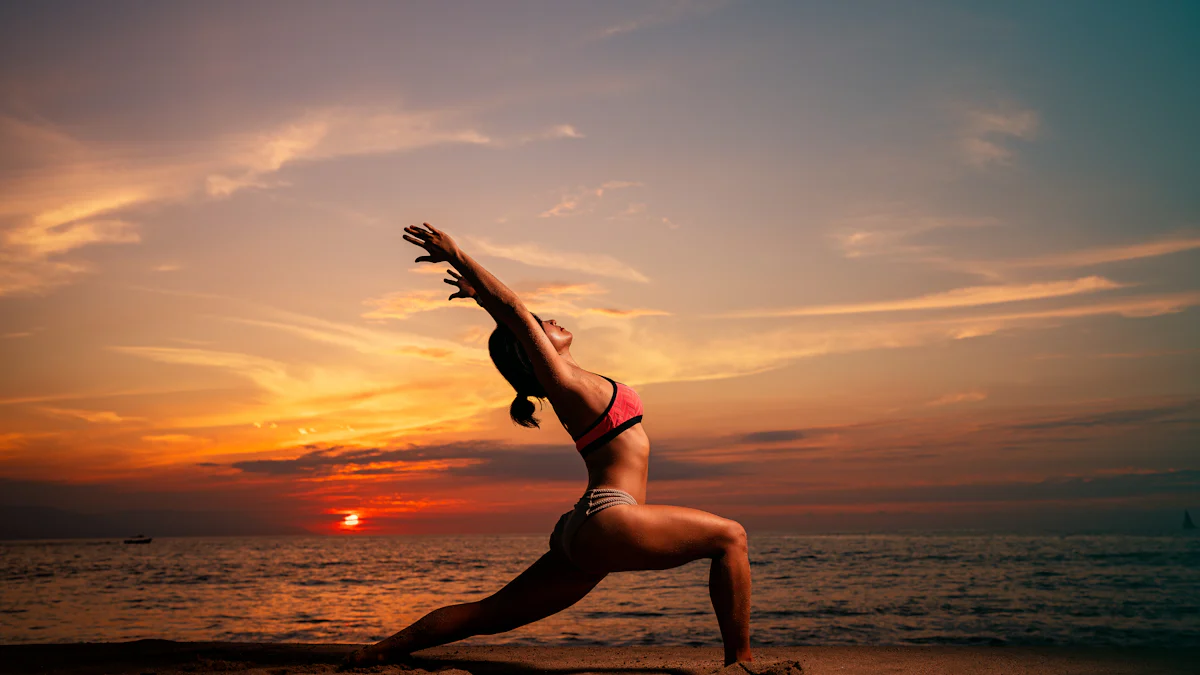
Starting your yoga débutant journey involves learning some foundational poses. These poses help you build strength, flexibility, and balance. Let's explore a few easy poses that are perfect for beginners.
Mountain Pose (Tadasana)
Description and Benefits
Mountain Pose, or Tadasana, is the foundation for all standing poses. It might look simple, but it helps improve posture and balance. By practicing this pose, you align your body and become more aware of your breathing. This awareness can enhance your focus and concentration.
Step-by-Step Instructions
Stand with your feet together, big toes touching.
Distribute your weight evenly across both feet.
Engage your thighs and lift your kneecaps.
Lengthen your spine and lift your chest.
Relax your shoulders away from your ears.
Keep your arms at your sides, palms facing forward.
Breathe deeply and hold the pose for several breaths.
Tips for Proper Alignment
Keep your gaze forward to maintain balance.
Imagine a string pulling you upward from the top of your head.
Ensure your weight is evenly distributed on both feet.
Downward Dog (Adho Mukha Svanasana)
Description and Benefits
Downward Dog is a classic yoga pose that stretches the entire body. It strengthens your arms and legs while also improving flexibility. This pose is great for relieving tension in the back and shoulders.
Step-by-Step Instructions
Start on your hands and knees, with wrists under shoulders and knees under hips.
Spread your fingers wide and press into your palms.
Tuck your toes and lift your hips up and back.
Straighten your legs and press your heels toward the floor.
Keep your head between your arms, ears aligned with your upper arms.
Hold the pose for several breaths, focusing on your breathing.
Tips for Proper Alignment
Keep your spine long and straight.
Bend your knees slightly if your hamstrings are tight.
Press your chest toward your thighs for a deeper stretch.
Child's Pose (Balasana)
Description and Benefits
Child's Pose, or Balasana, is a restorative pose that provides a gentle stretch for the back. It helps calm the mind and relieve stress. This pose is perfect for taking a break during your yoga practice.
Step-by-Step Instructions
Kneel on the floor with your big toes touching and knees apart.
Sit back on your heels and extend your arms forward.
Lower your forehead to the mat.
Relax your shoulders and breathe deeply.
Hold the pose for several breaths, allowing your body to relax.
Tips for Proper Alignment
Keep your arms extended for a deeper stretch.
Rest your forehead on a block if it doesn't reach the mat.
Focus on your breath to enhance relaxation.
Expert Testimony: Gwen Lawrence, a yoga coach, highlights the importance of Child's Pose for beginners. She says, "This is a great pose for beginners to use as an assessment. Just sitting on the floor gives you a perfect way to see and feel the external rotation on the legs."
These basic yoga poses are ideal for anyone starting their yoga débutant journey. They offer a mix of stretching, strengthening, and relaxation. As you practice regularly, you'll notice improvements in your physical and mental well-being. Remember, yoga is about progress, not perfection. Enjoy the journey!
Cat-Cow Pose (Marjaryasana-Bitilasana)
Description and Benefits
The Cat-Cow Pose, known as Marjaryasana-Bitilasana in Sanskrit, is a gentle flow between two poses that warms up the spine and eases back pain. This dynamic movement increases flexibility in your spine, neck, chest, and shoulders. It also helps relieve stress and tension. Leah Cullis, a certified yoga teacher, emphasizes that this pose "stretches and awakens the spine," making it an excellent choice for beginners. Practicing Cat-Cow regularly can improve your posture and enhance your overall sense of well-being.
Step-by-Step Instructions
Start on all fours: Position your hands directly under your shoulders and your knees under your hips. Spread your fingers wide for stability.
Inhale into Cow Pose: Drop your belly towards the mat while lifting your chin and chest. Gaze up towards the ceiling. This movement creates a gentle arch in your back.
Exhale into Cat Pose: Draw your belly to your spine and round your back towards the ceiling. Tuck your chin to your chest and let your head relax.
Flow between the two poses: Continue to alternate between Cat and Cow, coordinating your breath with each movement. Inhale as you move into Cow Pose and exhale as you transition into Cat Pose.
Repeat 5 to 10 times: Move at your own pace, focusing on the fluidity of your spine and the rhythm of your breath.
Tips for Proper Alignment
Keep your movements slow and controlled to maximize the stretch.
Ensure your wrists are aligned under your shoulders and your knees under your hips.
Focus on the sensation in your spine rather than how far you can move.
Use a yoga mat for comfort and to prevent slipping.
Expert Testimony: Gwen Lawrence, a yoga coach, highlights the importance of Cat-Cow for beginners. She notes, "This is a great pose for beginners to use as an assessment." It allows you to feel the external rotation of your legs and boosts back flexibility.
Incorporating Cat-Cow Pose into your routine can significantly enhance your yoga practice. It not only prepares your body for more challenging poses but also promotes relaxation and mindfulness. Enjoy the gentle flow and the benefits it brings to your body and mind.
Simple Yoga Routine for Beginners
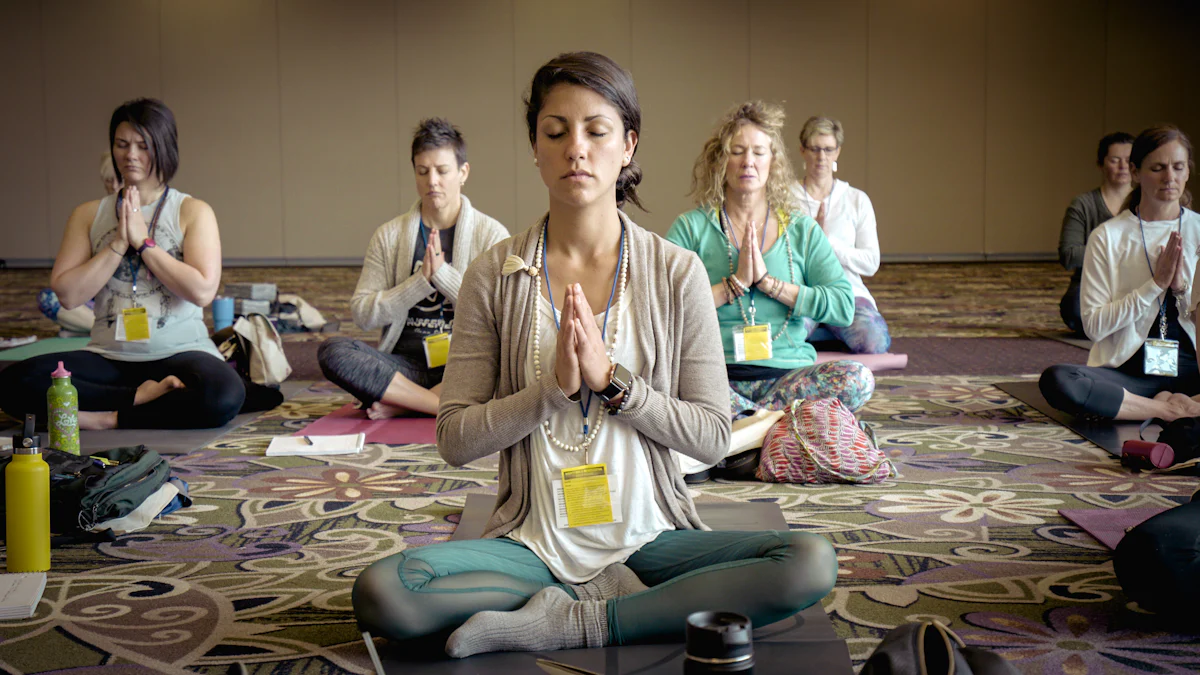
Starting your yoga débutant journey with a simple routine can set you up for success. By combining basic poses, you create a flow that enhances your practice and helps you build confidence.
Combining the Poses
Suggested Sequence
Creating a sequence with the poses you've learned can make your practice more effective. Here's a suggested sequence to get you started:
Mountain Pose (Tadasana): Begin by grounding yourself and focusing on your breath.
Cat-Cow Pose (Marjaryasana-Bitilasana): Warm up your spine and ease into movement.
Downward Dog (Adho Mukha Svanasana): Stretch your body and strengthen your arms and legs.
Child's Pose (Balasana): Take a moment to relax and center yourself.
This sequence provides a balanced mix of stretching, strengthening, and relaxation. It prepares your body for more advanced poses as you progress.
Duration and Repetitions
For each pose, aim to hold it for 5 to 10 breaths. This duration allows you to settle into the pose and experience its benefits. Repeat the entire sequence 2 to 3 times, depending on your comfort level and time availability. As you become more familiar with the routine, you can adjust the duration and repetitions to suit your needs.
Tips for a Successful Practice
To make the most of your yoga débutant routine, consider these tips for a successful practice.
Creating a Comfortable Space
Your environment plays a crucial role in your yoga practice. Choose a quiet, clutter-free space where you feel relaxed. Use a yoga mat for comfort and stability. If possible, practice near a window to enjoy natural light and fresh air. A comfortable space enhances your focus and helps you connect with your practice.
Listening to Your Body
Yoga is a personal journey, and it's essential to listen to your body. Pay attention to how each pose feels and adjust as needed. If a pose feels uncomfortable or causes pain, modify it or take a break. Remember, yoga is about progress, not perfection. By tuning into your body's signals, you ensure a safe and enjoyable practice.
Di Hickman, a yoga enthusiast, emphasizes the importance of breathing technique while performing poses like Cat-Cow. She shares her personal experience of introducing it to her husband, highlighting how mindful breathing enhances the benefits of the practice.
Incorporating these tips into your routine can make your yoga débutant journey more rewarding. Enjoy the process, and remember that consistency is key. With regular practice, you'll experience the transformative benefits of yoga in both your body and mind.
Regular practice is your gateway to unlocking the full benefits of yoga. Consistency is key. Progress may seem slow at first, but with time, you'll notice significant changes. Danielle, who began yoga two months ago, now finds it an integral part of her daily life. Like her, you can experience a journey of body, mind, and spirit awareness. Embrace the process with confidence. Remember, every pose you master builds your foundation. As you continue exploring yoga, you'll find yourself more grounded and in tune with life's natural rhythms. Keep practicing, and enjoy the transformation!
See Also
Essential Yoga Poses Every Beginner Should Learn
Top 10 Yoga Videos Every Newbie Should See
Getting Started with Chair Yoga for New Practitioners

Hi my name is Lia and i am your host in this yoga journey in Portugal, Subscribe to our newsletter to receive every week the best of Yoga in Portugal.

We bring back the importance of initiation into womanhood by Roos-Veerle Krijnen & Ella-June Henrard
Welcome to the Women’s Initiation Retreat by Naked Truth Retreats, a transformative journey into the depths of your True Feminine Nature. This retreat invites you to remember the sacredness and wholeness of your being.
Roos-Veerle Krijnen & Ella-June Henrard