Discover How Yoga Enhances Your Mental Health

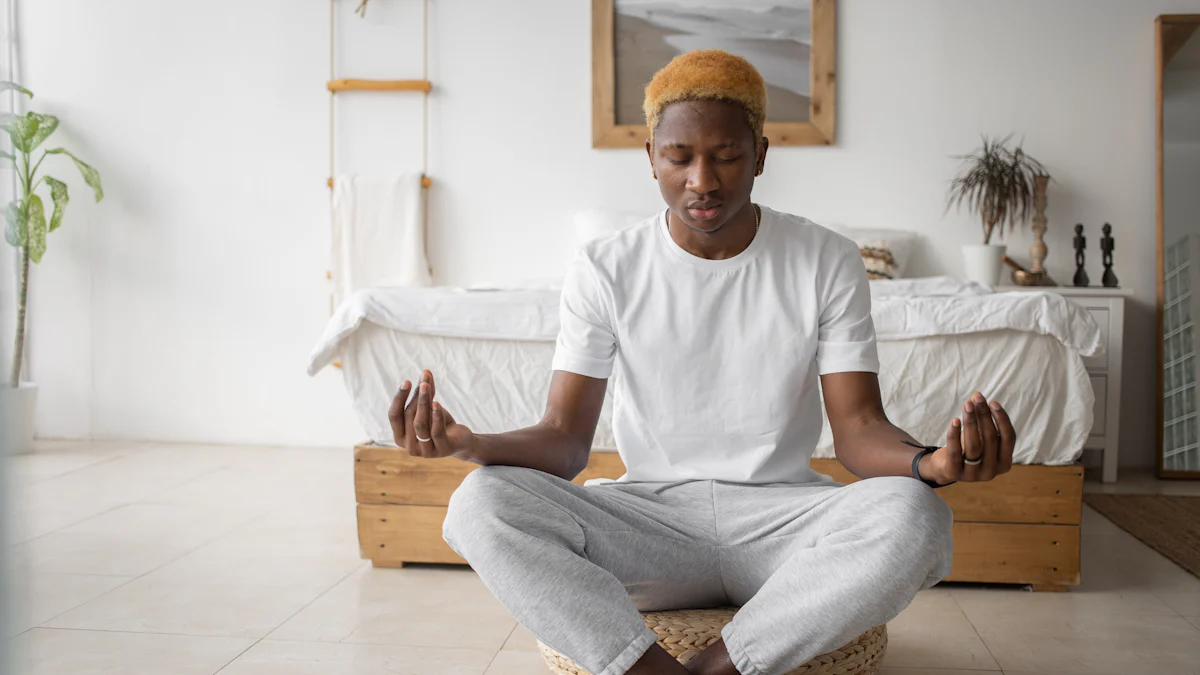
Yoga acts as a powerful ally in your journey toward better mental health, as highlighted in various benefits of yoga articles. It helps you reduce stress, elevate your mood, and enhance your overall well-being. By practicing yoga regularly, you can tap into its numerous benefits, such as improved focus and emotional balance. Engaging in mindful breathing and physical postures allows you to cultivate awareness of your thoughts and feelings. This practice not only promotes relaxation but also strengthens your resilience against life's challenges. Embrace yoga as a transformative tool for nurturing your mental wellness, as supported by the insights found in benefits of yoga articles.
Key Takeaways
Yoga significantly reduces stress through controlled breathing techniques, helping you manage your emotions and achieve a balanced state of mind.
Practicing yoga regularly boosts your mood by releasing natural feel-good chemicals, making it an effective way to combat anxiety and depression.
Incorporating relaxation techniques from yoga into your bedtime routine can enhance sleep quality, allowing you to wake up refreshed and ready to face the day.
Mindfulness, a key component of yoga, fosters self-awareness and emotional resilience, enabling you to respond thoughtfully to life's challenges.
Joining group yoga classes creates a supportive community that can alleviate feelings of loneliness and enhance your overall mental health journey.
Establishing a consistent yoga practice empowers you to build resilience, helping you navigate stress and adversity with greater ease.
Even a single yoga session can uplift your spirits and reduce tension, making it a valuable tool for immediate and long-term mental wellness.
Stress Reduction Through Yoga
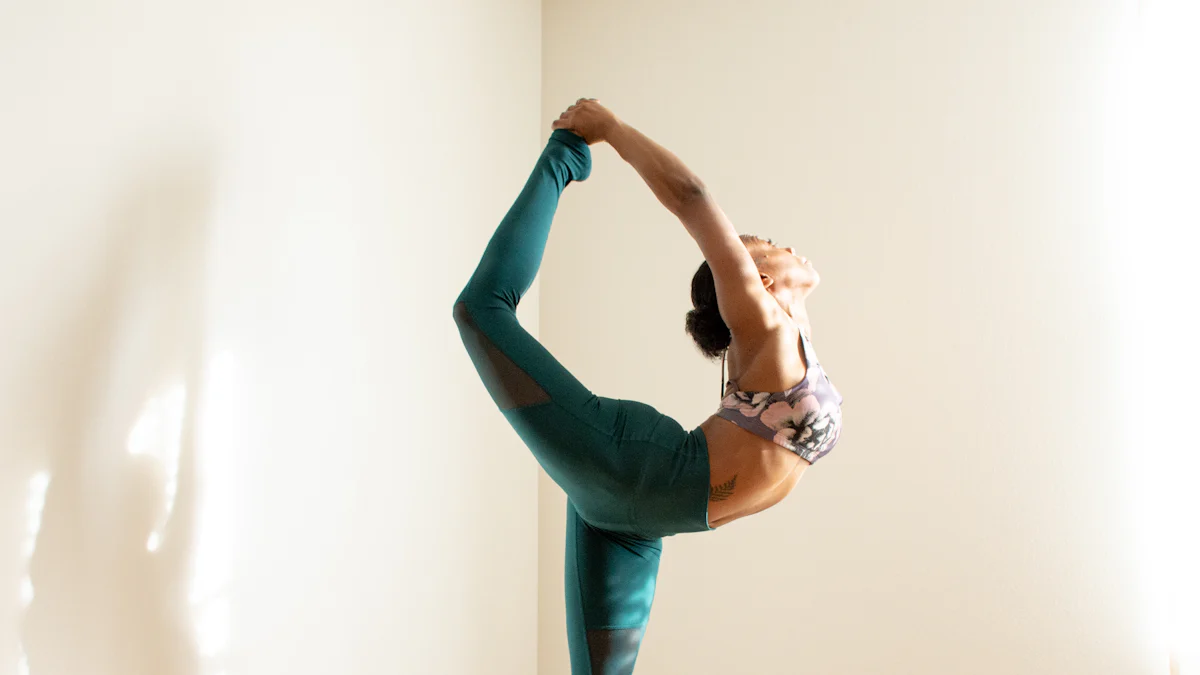
The Role of Breathing Techniques
Breathing techniques play a crucial role in yoga. You can harness the power of your breath to calm your mind and reduce stress. Controlled breathing, or pranayama, helps shift your body into a state of relaxation. This practice activates the parasympathetic nervous system, which counters stress responses. As you inhale deeply and exhale slowly, you lower cortisol levels, the hormone linked to stress.
Research shows that yoga combines breathing, relaxation, and movement. This combination effectively reduces hyperactivity in the amygdala, the brain's emotional center. When you practice these techniques, you train your body to respond calmly to stressors. You gain a sense of control over your emotions, leading to a more balanced state of mind.
Mindfulness and Present Moment Awareness
Mindfulness is another essential aspect of yoga. It encourages you to focus on the present moment. By practicing mindfulness, you learn to observe your thoughts and feelings without judgment. This awareness helps you detach from stress and anxiety.
Engaging in mindfulness during yoga allows you to experience each pose fully. You become aware of your body, breath, and surroundings. This heightened awareness fosters a sense of peace and clarity. Studies indicate that regular yoga practice enhances emotional well-being. You can cultivate resilience against life's challenges through mindfulness.
Incorporating these practices into your daily routine can lead to significant improvements in your mental health. You will find that yoga not only reduces stress but also empowers you to face life's ups and downs with confidence.
Mood Enhancement and Emotional Balance
The Impact of Physical Activity on Mood
Engaging in physical activity, such as yoga, significantly boosts your mood. When you practice yoga, you activate your body's natural feel-good chemicals. These include endorphins, which help alleviate feelings of sadness and anxiety. Research shows that yoga participants report a greater decrease in depression and anxiety scores compared to those who do not practice.
You can experience immediate benefits from just one session of yoga. A single class can lift your spirits and reduce tension. Regular practice enhances these effects, leading to long-term improvements in emotional well-being. By incorporating yoga into your routine, you empower yourself to make healthier lifestyle choices that positively impact your mood.
Neurotransmitters and Yoga Practice
Yoga not only improves your mood through physical activity but also influences your brain chemistry. It enhances the levels of neurotransmitters like GABA (gamma-aminobutyric acid), which promotes relaxation and calmness. Studies indicate that yoga increases thalamic GABA levels in both healthy individuals and those with major depressive disorders.
Additionally, yoga reduces cortisol levels, the hormone associated with stress. Lower cortisol levels contribute to a more balanced emotional state. You can find that practicing yoga regularly helps you manage anxiety and depression effectively. This practice serves as a complementary treatment for mental health conditions, showing promising results in reducing symptoms.
Improved Sleep Quality
Relaxation Techniques in Yoga
Yoga offers powerful relaxation techniques that can significantly enhance your sleep quality. You can incorporate various practices into your routine to calm your mind and prepare your body for rest. Techniques such as deep breathing, progressive muscle relaxation, and gentle stretches help release tension and promote a sense of tranquility.
Engaging in these relaxation methods activates your body's natural relaxation response. Research indicates that yoga reduces stress and promotes mental calmness, which directly contributes to better sleep. For instance, a study published in Frontiers in Psychology found that yoga facilitates relaxation among youth, counteracting stress and improving sleep quality.
You might find that practicing these techniques before bedtime helps you unwind. Consider dedicating a few minutes each evening to gentle yoga poses or breathing exercises. This simple practice can ease your mind and prepare you for a restful night.
Establishing a Bedtime Routine with Yoga
Creating a bedtime routine that includes yoga can transform your sleep experience. Consistency is key. By practicing yoga at the same time each night, you signal to your body that it’s time to wind down.
Start with calming poses like Child's Pose or Legs-Up-the-Wall Pose. These positions promote relaxation and help reduce insomnia severity. A study in Cambridge Core highlights that yoga interventions significantly improve sleep quality and reduce insomnia in both healthy individuals and those struggling with sleep issues.
Incorporate a few minutes of meditation or mindfulness at the end of your routine. This practice allows you to reflect on your day and release any lingering thoughts. You will find that establishing this routine not only enhances your sleep quality but also improves your overall mental health.
By embracing yoga as part of your nightly ritual, you cultivate a peaceful environment conducive to restful sleep. You empower yourself to face each day with renewed energy and clarity.
Alleviating Anxiety and Depression
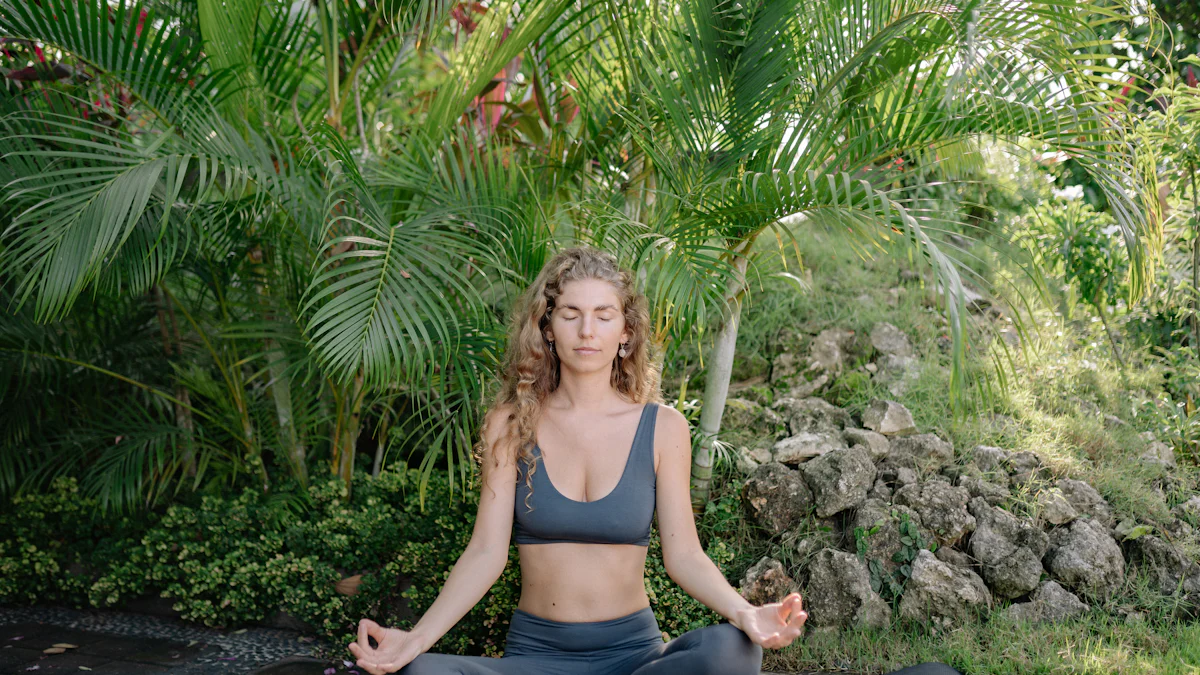
Yoga as a Complementary Therapy
Yoga serves as a powerful complementary therapy for anxiety and depression. You can experience significant relief from symptoms through regular practice. Research shows that yoga can effectively reduce stress, anxiety, and depressive symptoms. It enhances your somatic awareness, mood, and overall well-being.
Many studies indicate that yoga compares favorably with traditional treatments like psychotherapy and medications. It offers an economical option without side effects. For instance, yoga has shown promising results in addressing symptoms of post-traumatic stress disorder (PTSD) among active-duty military personnel and veterans. This holistic approach allows you to manage your mental health actively.
Incorporating yoga into your routine can lead to a more balanced emotional state. You may find that practicing yoga lowers cortisol levels, the hormone linked to stress. As you engage in yoga, you promote relaxation and calmness, which helps alleviate feelings of anxiety and depression.
Building Resilience Through Practice
Building resilience is essential for navigating life's challenges. Yoga empowers you to develop this resilience through consistent practice. Each session strengthens your ability to cope with stress and adversity. You learn to face difficulties with a sense of calm and clarity.
Regular yoga practice fosters self-acceptance and self-actualization. You become more aware of your thoughts and feelings, allowing you to respond rather than react to stressors. This awareness enhances your cognitive functions and social adjustment.
Moreover, studies reveal a dose-response relationship between the number of yoga sessions per week and a reduction in depressive symptoms. The more you practice, the greater the benefits you experience. By committing to yoga, you cultivate a supportive environment for your mental health.
Embrace yoga as a transformative tool in your life. You will find that it not only alleviates anxiety and depression but also builds a foundation of resilience that empowers you to thrive.
Enhancing Self-Awareness and Mindfulness
The Connection Between Mindfulness and Mental Health
Mindfulness plays a vital role in enhancing your mental health. It encourages you to focus on the present moment, allowing you to observe your thoughts and feelings without judgment. This practice fosters self-awareness, which helps you understand your emotional responses better.
Research shows that mindfulness can significantly reduce symptoms of anxiety and depression. By practicing mindfulness through yoga, you activate your body's natural relaxation response. This activation lowers cortisol levels, the hormone linked to stress. As you cultivate mindfulness, you create a buffer against life's challenges, promoting emotional resilience.
You can also experience improved mood and reduced stress by integrating mindfulness into your daily routine. Engaging in mindful practices helps you develop a deeper connection with yourself. This connection empowers you to respond thoughtfully to stressors rather than react impulsively.
Practical Mindfulness Exercises in Yoga
Incorporating mindfulness exercises into your yoga practice can enhance your overall experience. Here are some practical techniques to help you cultivate mindfulness:
Body Scan: Begin your practice by lying down comfortably. Close your eyes and take a few deep breaths. Gradually bring your awareness to each part of your body, starting from your toes and moving up to your head. Notice any sensations, tension, or relaxation. This exercise promotes body awareness and helps you connect with your physical self.
Mindful Breathing: Focus on your breath as you move through your yoga poses. Inhale deeply through your nose, allowing your abdomen to rise. Exhale slowly through your mouth, releasing any tension. This practice centers your mind and calms your thoughts, enhancing your overall sense of well-being.
Meditative Movement: As you flow through your yoga sequence, pay attention to each movement. Feel the stretch in your muscles and the grounding of your feet. Allow your breath to guide your movements. This practice encourages you to stay present and fully engage with your body.
Gratitude Reflection: At the end of your practice, take a moment to reflect on what you are grateful for. Acknowledge the positive aspects of your life, no matter how small. This exercise shifts your focus from negativity to appreciation, fostering a positive mindset.
By incorporating these mindfulness exercises into your yoga routine, you can enhance your self-awareness and improve your mental health. You will find that these practices not only promote relaxation but also empower you to navigate life's challenges with grace and confidence.
Community and Support Through Yoga
Group Classes and Social Interaction
Joining group yoga classes can transform your practice. You step into a space filled with like-minded individuals who share your journey toward better mental health. This environment fosters a sense of connection and openness among participants. You can feel the energy in the room as everyone moves together, breathing in unison.
Vicky Fox, a yoga instructor, emphasizes the importance of community in yoga. She notes that online classes can create a real sense of intimacy and support. You might find that sharing your experiences with others enhances your practice. The friendships you build in these classes can provide encouragement and motivation.
Participating in group classes also helps ease feelings of loneliness. You connect with others who understand your struggles and triumphs. This shared experience can lead to group healing and support, making your yoga journey even more rewarding.
Building a Supportive Network
Creating a supportive network around your yoga practice can significantly impact your mental health. Liza Bertini, a yoga business owner, highlights how yoga and community cannot be separated. She believes that a strong community contributes to personal growth and well-being.
Consider reaching out to fellow yogis after class. You can exchange contact information or join social media groups dedicated to yoga. These connections can lead to friendships that extend beyond the mat. You may find yourself participating in workshops, retreats, or even casual meet-ups.
Here are some ways to build your supportive network:
Attend Local Events: Participate in yoga workshops or community events. These gatherings allow you to meet new people and deepen your practice.
Join Online Communities: Engage in online forums or social media groups focused on yoga. You can share your experiences and learn from others.
Create Accountability Partners: Find a yoga buddy to practice with regularly. This partnership can motivate you to stay committed to your practice.
As you build your network, remember that support goes both ways. Offer encouragement to others, and you will strengthen your connections. You will discover that the community you create around yoga can uplift you and enhance your overall mental health. Embrace this journey together, and watch how it transforms your life.
Yoga offers you a multitude of benefits for mental health. You can reduce stress, enhance your mood, and improve your sleep quality through regular practice. By incorporating yoga into your daily routine, you foster a greater sense of well-being and resilience. Embrace yoga as a valuable tool for mental wellness and personal growth. Remember, even a single session can uplift your spirits and ease tension. Start your journey today and discover how yoga can transform your life.
See Also
Uncover The Wellness Advantages Of Practicing Yoga
Ways Yoga Alleviates Symptoms Of Anxiety Effectively
Explore The Health Advantages Of Danda Yoga

Hi my name is Lia and i am your host in this yoga journey in Portugal, Subscribe to our newsletter to receive every week the best of Yoga in Portugal.

We bring back the importance of initiation into womanhood by Roos-Veerle Krijnen & Ella-June Henrard
Welcome to the Women’s Initiation Retreat by Naked Truth Retreats, a transformative journey into the depths of your True Feminine Nature. This retreat invites you to remember the sacredness and wholeness of your being.
Roos-Veerle Krijnen & Ella-June Henrard