Yoga Anatomie Basics for Beginners

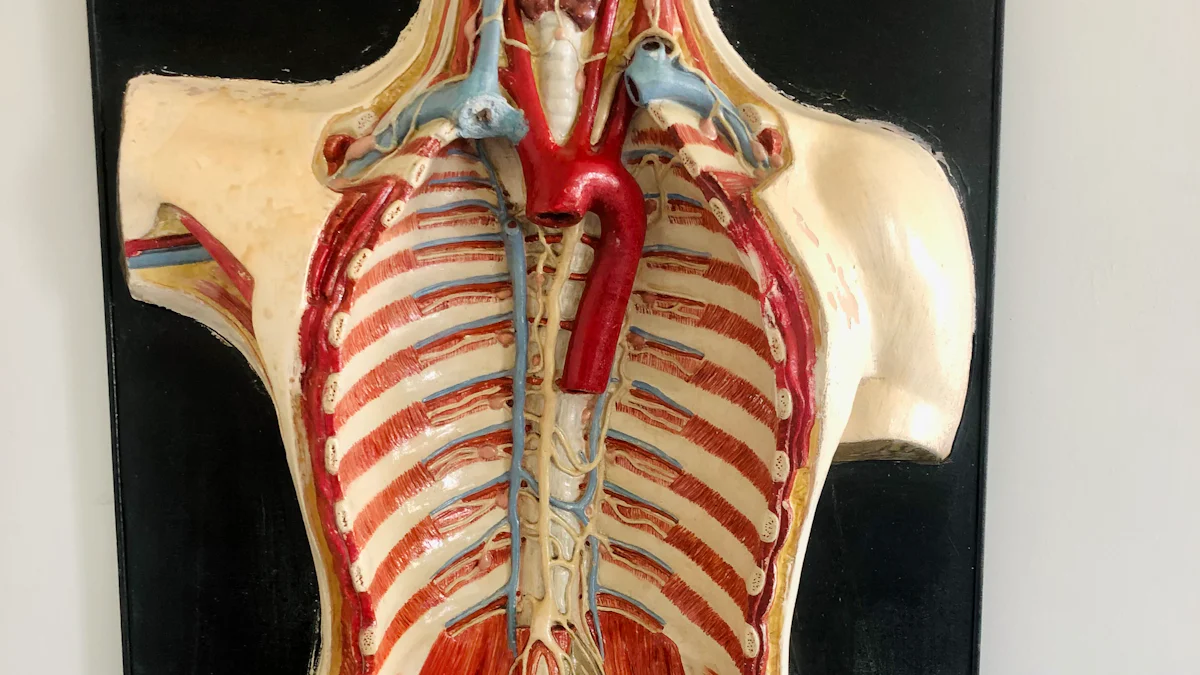
Understanding yoga anatomie is crucial for beginners. It helps you enhance your practice and avoid injuries. Many yoga practitioners experience strains or sprains, often due to a lack of anatomical awareness. In 2019, over 34,000 yoga-related injuries were treated, highlighting the importance of knowing how your body works. By learning about bones, joints, and muscles, you can perform poses safely and effectively. This knowledge empowers you to listen to your body and make informed adjustments, ensuring a safer and more rewarding yoga journey.
Understanding Basic Anatomical Terms
Bones
Role of bones in yoga
Bones provide the structure and support needed for yoga poses. They act as levers, allowing you to move and balance. Understanding how bones work helps you maintain proper alignment, reducing the risk of injury. Yoga strengthens bones, which is especially beneficial for conditions like osteoporosis.
Common bones engaged in yoga poses
In yoga, you often engage bones like the spine, pelvis, and femur. The spine supports your posture in poses like Downward Dog. The pelvis stabilizes your body in standing poses. Knowing these bones helps you focus on alignment and improve your practice.
Joints
Function of joints in movement
Joints connect bones and allow movement. They play a crucial role in yoga by enabling flexibility and stability. Proper joint function ensures smooth transitions between poses. Yoga enhances joint mobility and stability, reducing the risk of injuries.
Key joints used in yoga
Key joints in yoga include the shoulders, hips, and knees. The shoulder joint allows arm movements in poses like Warrior Pose. The hip joint provides flexibility for poses like Pigeon Pose. Understanding these joints helps you perform poses safely and effectively.
Muscles
Importance of muscle engagement
Muscles support and move your body during yoga. Engaging muscles correctly improves strength and balance. This engagement prevents strain and enhances your overall yoga experience. Yoga helps maintain muscle flexibility, reducing the risk of tightness and injury.
Major muscle groups in yoga
Yoga engages major muscle groups such as the core, legs, and back. The core stabilizes your body in various poses. Strong leg muscles support standing poses. Back muscles maintain posture and alignment. Knowing these groups helps you focus on muscle activation and improve your practice.
Anatomy in Common Yoga Poses

Downward Dog
Anatomical focus areas
In the Downward Dog pose, you engage several key anatomical areas. Your hands and feet form the foundation, supporting your body weight. The spine elongates, creating a stretch from the neck to the tailbone. This pose also involves the shoulders, which stabilize and support the upper body. The hamstrings and calves stretch as you press your heels toward the ground. Understanding these focus areas helps you maintain proper alignment and maximize the benefits of this pose.
Benefits of proper alignment
Proper alignment in Downward Dog enhances both physical and psychological well-being. Physically, it reduces the risk of strain on the wrists and shoulders. Aligning your body correctly ensures even weight distribution, preventing injuries. Psychologically, maintaining alignment can boost your self-esteem and sense of empowerment. Studies show that performing yoga poses like Downward Dog can improve your state self-esteem and subjective sense of empowerment. This alignment fosters a sense of balance and calm, contributing to a more fulfilling yoga practice.
Warrior Pose
Engaged muscles and joints
Warrior Pose is a powerful stance that engages multiple muscles and joints. The legs, particularly the quadriceps and hamstrings, provide strength and stability. The hip joints open, allowing for a deeper stretch and greater flexibility. The core muscles engage to support the spine and maintain balance. The arms extend, activating the shoulder joints and muscles. By understanding the anatomy involved, you can focus on engaging the right muscles and joints, enhancing your practice.
Tips for safe practice
Practicing Warrior Pose safely requires attention to detail. Start by grounding your feet firmly to create a stable base. Align your knee over your ankle to protect the joint. Engage your core to support your spine and maintain balance. Keep your shoulders relaxed and away from your ears to avoid tension. Listening to your body is crucial. If you feel discomfort, adjust your stance or use props for support. These tips ensure a safe and effective practice, allowing you to reap the full benefits of this empowering pose.
Practical Tips for Applying Anatomy Knowledge
Enhancing Flexibility
Safe stretching techniques
To enhance flexibility, focus on safe stretching techniques. Begin with a gentle warm-up to prepare your muscles. This increases blood flow and reduces the risk of injury. When stretching, hold each pose for 15-30 seconds. Breathe deeply to relax your muscles. Avoid bouncing or forcing your body into a stretch. Instead, ease into each position gradually. This approach aligns with yoga anatomy principles, ensuring that you stretch safely and effectively.
Understanding muscle limits
Recognizing your muscle limits is crucial. Pay attention to how your body feels during each pose. If you experience pain, ease back to prevent strain. Yoga anatomy teaches you to listen to your body. This awareness helps you identify when a muscle is overstretched. By respecting your limits, you can gradually increase flexibility without risking injury.
Building Strength
Muscle activation in poses
Activating muscles correctly enhances strength. Focus on engaging specific muscle groups during each pose. For example, in a plank pose, engage your core and leg muscles. This activation supports your body and builds strength. Understanding yoga anatomy helps you identify which muscles to engage. This knowledge ensures that you perform poses with proper form, maximizing strength gains.
Progressive strength training
Progressive strength training involves gradually increasing the intensity of your practice. Start with basic poses and slowly incorporate more challenging variations. This method allows your muscles to adapt and grow stronger over time. Yoga anatomy guides you in selecting poses that target different muscle groups. By following a structured progression, you build strength safely and effectively.
"Confidence in anatomy knowledge was significantly higher after sessions focusing on the back, upper extremity, head and neck, and abdomen and pelvis."
This confidence translates into a more informed and empowered yoga practice. By applying these practical tips, you enhance both flexibility and strength, leading to a more fulfilling yoga journey.
Preventing Injuries through Anatomical Awareness

Understanding yoga anatomy plays a vital role in preventing injuries. By being aware of how your body moves and functions, you can practice yoga safely and effectively. Many yoga instructors emphasize the importance of anatomical awareness to avoid common injuries.
Common Yoga Injuries
Causes and prevention
Yoga injuries often occur due to improper alignment or overexertion. You might experience strains, sprains, or even joint issues if you push your body beyond its limits. To prevent these injuries, focus on maintaining proper alignment in each pose. Align your body correctly to distribute weight evenly and reduce stress on joints and muscles. Practicing with mindfulness and patience allows your body to adapt and grow stronger over time.
Importance of alignment
Alignment is crucial in yoga anatomy. Proper alignment ensures that your body moves efficiently and safely. When you align your body correctly, you minimize the risk of injury and enhance the benefits of each pose. Pay attention to your body's position and make necessary adjustments to maintain alignment. This practice not only prevents injuries but also improves your overall yoga experience.
Listening to Your Body
Recognizing signs of strain
Listening to your body is essential in yoga practice. Recognize signs of strain, such as discomfort or pain, as indicators that you need to adjust your practice. If you feel any sharp or persistent pain, stop and reassess your posture. Understanding yoga anatomy helps you identify when a muscle or joint is under stress. By being attentive to these signals, you can prevent injuries and ensure a safe practice.
Modifying poses for safety
Modifying poses is a key aspect of practicing yoga safely. Use props or adjust your stance to accommodate your body's needs. For example, if a pose feels too intense, use a block or strap to ease the strain. Yoga anatomy knowledge empowers you to make informed modifications, ensuring that you practice within your limits. This approach not only prevents injuries but also enhances your confidence and enjoyment in yoga.
"Yoga instructors often highlight the importance of anatomical awareness in preventing injuries. They encourage students to listen to their bodies and make necessary adjustments for a safe practice."
By integrating these principles into your yoga routine, you create a safer and more fulfilling practice. Embrace the knowledge of yoga anatomy to enhance your awareness and prevent injuries, leading to a more rewarding yoga journey.
Resources for Further Learning
Expanding your knowledge of yoga anatomy can significantly enhance your practice. By delving deeper into the subject, you gain a better understanding of how your body works during yoga. Here are some valuable resources to guide your learning journey.
Recommended Books
Titles and authors
Yoga Anatomy by Leslie Kaminoff: This book is a must-read for anyone interested in understanding the anatomical aspects of yoga. Kaminoff provides detailed insights into how yoga affects the body, focusing on breathing dynamics and spinal health. The book includes photographs that demonstrate joint actions in various poses, making it an excellent resource for visual learners.
The Key Muscles of Yoga by Ray Long: This book offers a comprehensive look at the muscles involved in yoga practice. Long's clear explanations and illustrations help you understand how different muscle groups work together during poses. It's a great reference for both beginners and experienced practitioners.
Anatomy of Hatha Yoga by H. David Coulter: This book provides an in-depth exploration of the anatomy and physiology of yoga. Coulter's work is highly regarded for its scientific approach, making it ideal for those who want a deeper understanding of the body's mechanics during yoga.
Key takeaways
Yoga Anatomy by Leslie Kaminoff emphasizes the importance of understanding breathing and spinal health in yoga. It serves as a practical guide for improving your practice through anatomical awareness.
The Key Muscles of Yoga by Ray Long helps you identify and engage the right muscles during poses, enhancing strength and flexibility.
Anatomy of Hatha Yoga by H. David Coulter offers a scientific perspective on yoga anatomy, providing valuable insights into the body's functions during practice.
Online Courses and Workshops
Platforms and instructors
Yoga International: This platform offers a variety of courses focused on yoga anatomy. Instructors like Judith Hanson Lasater provide expert guidance on understanding the body's structure and function in yoga.
Udemy: With courses like "Yoga Anatomy: Essentials for Yoga Teachers," Udemy provides accessible online learning opportunities. These courses cover essential anatomical concepts and their application in yoga practice.
Yoga Journal: Known for its comprehensive resources, Yoga Journal offers workshops and articles on yoga anatomy. Instructors such as Leslie Kaminoff contribute their expertise, making it a reliable source for continued education.
Benefits of continued education
Enhanced Practice: Understanding yoga anatomy allows you to perform poses with greater precision and safety. This knowledge helps you avoid injuries and improve your overall practice.
Increased Confidence: As you learn more about the body's mechanics, you gain confidence in your ability to execute poses correctly. This confidence translates into a more fulfilling yoga experience.
Professional Development: For those teaching yoga, continued education in anatomy is crucial. It equips you with the knowledge to guide students safely and effectively, enhancing your credibility as an instructor.
By exploring these resources, you deepen your understanding of yoga anatomy and enrich your practice. Whether through books or online courses, continued learning empowers you to approach yoga with greater awareness and skill.
Understanding yoga anatomy is essential for beginners. It empowers you to practice safely and confidently. By knowing how your body works, you can make informed adjustments and avoid injuries. This knowledge enhances your ability to visualize your body during asanas, leading to less pain and more gain.
"Yoga teachers should study and continue to study yoga anatomy to be informed, helpful, articulate, and compassionate teachers."
As you continue your yoga journey, embrace the opportunity to learn more about anatomy. This ongoing education will enrich your practice and ensure a fulfilling and safe experience.

Hi my name is Lia and i am your host in this yoga journey in Portugal, Subscribe to our newsletter to receive every week the best of Yoga in Portugal.

We bring back the importance of initiation into womanhood by Roos-Veerle Krijnen & Ella-June Henrard
Welcome to the Women’s Initiation Retreat by Naked Truth Retreats, a transformative journey into the depths of your True Feminine Nature. This retreat invites you to remember the sacredness and wholeness of your being.
Roos-Veerle Krijnen & Ella-June Henrard