Yoga After Dinner: Easy Poses for Better Digestion

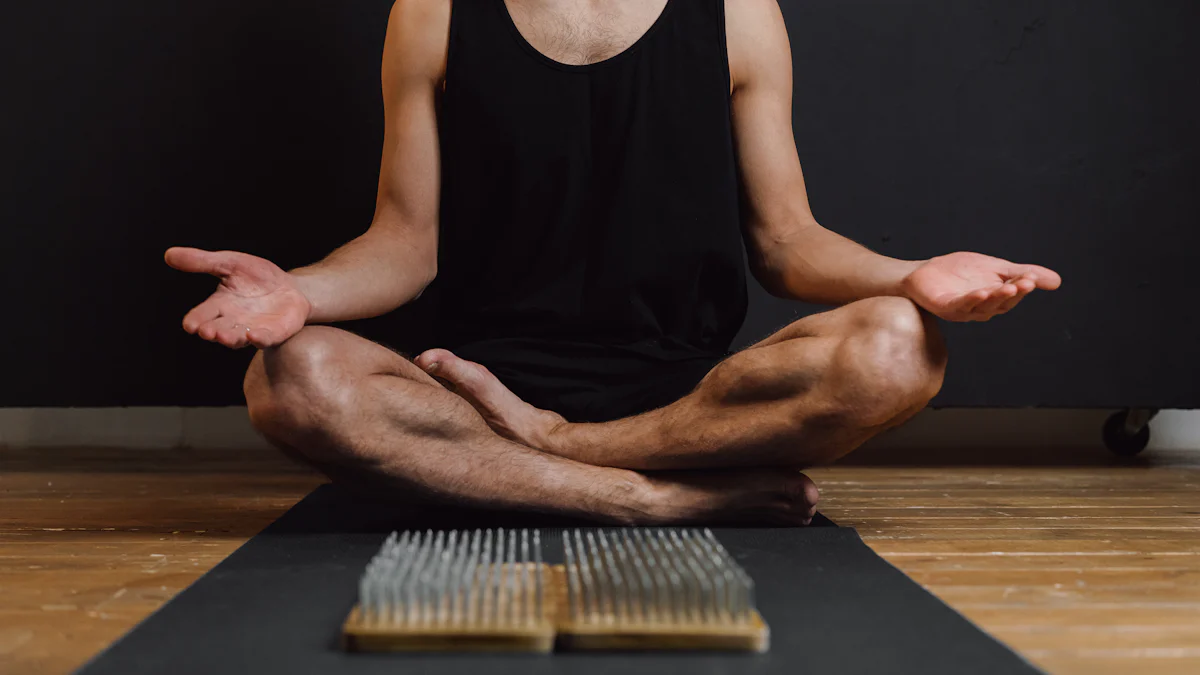
Have you ever considered practicing yoga after dinner? This ancient practice not only harmonizes your body and mind but also significantly enhances digestion. By incorporating gentle stretches and conscious breathing, yoga stimulates your digestive organs, promoting efficient digestion. It can alleviate bloating and encourage regular bowel movements. Moreover, yoga helps reduce stress, which positively impacts your digestive health. So, why not try some yoga poses after your next meal? You might find it a delightful way to support your digestive system and overall well-being.
Understanding Yoga After Dinner
Yoga after dinner can be a game-changer for your digestive health. By practicing yoga in the evening, you not only aid digestion but also promote relaxation and better sleep. Let's dive into the benefits and best practices for incorporating yoga into your post-dinner routine.
Benefits of Practicing Yoga After Dinner
Physical Benefits for Digestion
Yoga after dinner offers numerous physical benefits for digestion. Certain poses stimulate your abdominal organs, enhancing their function. Twists, for example, can invigorate your digestive system, while forward bends compress the abdomen, aiding in the elimination of waste and toxins. This gentle stimulation helps alleviate bloating and promotes regular bowel movements. By engaging in these movements, you encourage your body to process food more efficiently, making your stomach feel lighter and more comfortable.
Mental Relaxation and Stress Relief
Beyond the physical advantages, yoga after dinner provides mental relaxation and stress relief. The practice of yoga encourages conscious breathing and mindfulness, which can significantly reduce stress levels. Lower stress means a happier digestive system, as stress often disrupts digestion. By calming your mind, you create a peaceful environment for your body to digest food effectively. This relaxation not only benefits your digestion but also enhances your overall well-being, setting the stage for a restful night's sleep.
Best Practices for Yoga After Dinner
Ideal Timing for Practice
Timing is crucial when it comes to yoga after dinner. You should wait at least 30 minutes to an hour after eating before starting your practice. This allows your body to begin the initial stages of digestion without interference. Practicing too soon after a meal might lead to discomfort or indigestion. By giving your body some time, you ensure that your yoga session complements your digestive process rather than hindering it.
Recommended Frequency
Consistency is key to reaping the benefits of yoga after dinner. Aim to practice at least three to four times a week. Regular practice helps your body adapt to the routine, enhancing its effectiveness over time. You don't need to spend hours on the mat; even a short 15 to 20-minute session can make a significant difference. By making yoga a regular part of your evening routine, you support your digestive health and cultivate a habit that contributes to your overall wellness.
Incorporating yoga after dinner into your lifestyle can transform your evenings. By understanding the benefits and following best practices, you set yourself up for improved digestion and a more relaxed state of mind. So, why not give it a try? Your body will thank you for it.
Easy Yoga Poses for Better Digestion
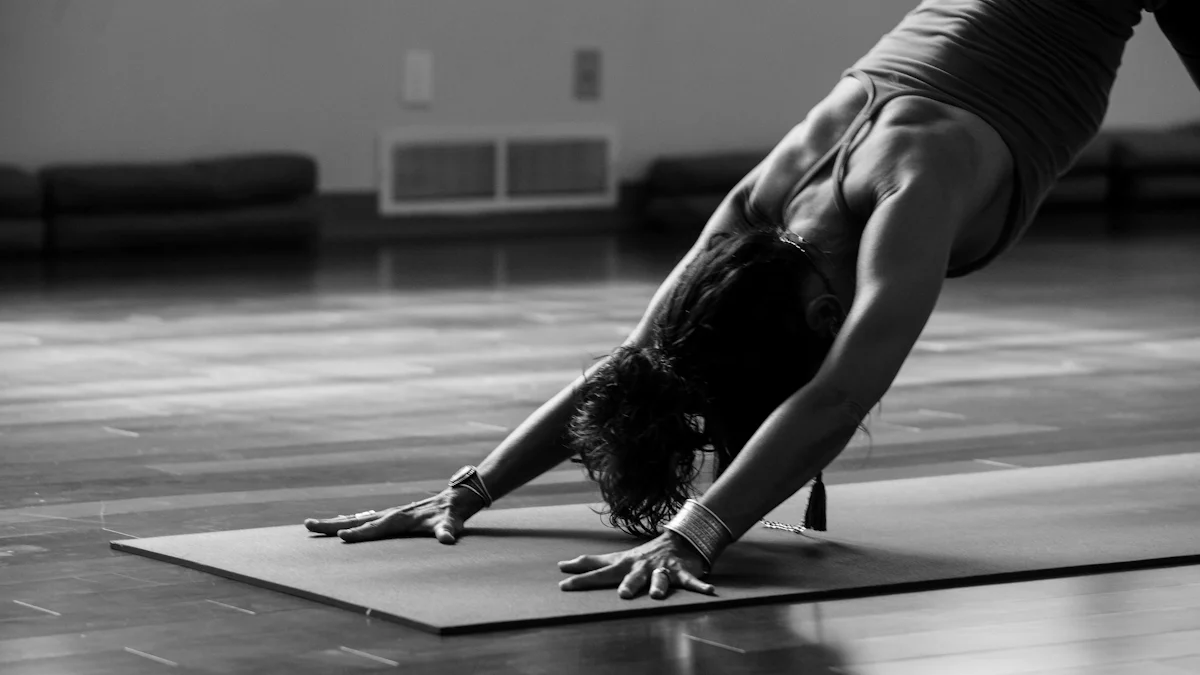
Beginner-Friendly Poses
Starting with yoga can feel overwhelming, but these beginner-friendly poses make it easy to get started. They gently stimulate your digestive system and help you unwind after a meal.
Seated Forward Bend
The Seated Forward Bend, or Paschimottanasana, is a simple pose that stretches your spine and massages your abdominal organs. Sit on the floor with your legs extended in front of you. Inhale deeply, then exhale as you reach forward, trying to touch your toes. If you can't reach your toes, rest your hands on your shins or knees. This pose helps compress the abdomen, promoting digestion and relieving bloating.
Cat-Cow Stretch
The Cat-Cow Stretch, known as Marjaryasana-Bitilasana, provides a gentle massage to your stomach and intestines. Start on your hands and knees in a tabletop position. Inhale as you arch your back, lifting your head and tailbone towards the ceiling (Cow Pose). Exhale as you round your spine, tucking your chin to your chest (Cat Pose). This rhythmic movement enhances blood flow to your digestive organs, easing discomfort and promoting relaxation.
Poses for Enhanced Digestive Benefits
Once you're comfortable with the basics, try these poses to further enhance your digestive health. They offer deeper stimulation to your digestive organs.
Supine Spinal Twist
The Supine Spinal Twist, or Supta Matsyendrasana, is excellent for detoxifying your body and improving digestion. Lie on your back and bring your knees to your chest. Extend your arms out to the sides, then gently lower your knees to one side while keeping your shoulders grounded. Hold for a few breaths, then switch sides. This twist helps stimulate your digestive organs and encourages the elimination of toxins.
Wind-Relieving Pose
The Wind-Relieving Pose, or Pawanmuktasana, is specifically designed to release gas and improve digestion. Lie on your back and bring one knee to your chest, holding it with both hands. Press your thigh into your abdomen and hold for a few breaths. Repeat with the other leg, then bring both knees to your chest. This pose helps relieve bloating and promotes a healthy digestive system.
Advanced Poses for Optimal Digestion
For those ready to take their practice to the next level, these advanced poses offer optimal digestive benefits. They require more strength and flexibility but provide significant rewards.
Bow Pose
The Bow Pose, or Dhanurasana, is a powerful pose that stretches your entire front body and stimulates your digestive organs. Lie on your stomach and bend your knees, reaching back to hold your ankles. Inhale as you lift your chest and thighs off the ground, creating a bow shape with your body. This pose enhances blood circulation to your abdominal area, aiding digestion and relieving constipation.
Plow Pose
The Plow Pose, or Halasana, is an advanced pose that deeply stimulates your digestive system. Lie on your back and lift your legs over your head, bringing your toes to the floor behind you. Keep your hands on your lower back for support. This inversion helps improve digestion by increasing blood flow to your abdominal organs and relieving stress.
Expert Testimony: Yoga, an ancient practice that harmonizes physical postures, breath control, and meditation, can remarkably enhance digestion. By incorporating these poses into your routine, you not only support your digestive health but also enjoy a more relaxed and balanced state of mind.
Tips for Beginners
Starting Your Yoga Journey
Embarking on your yoga journey can feel exciting and a bit daunting. But don't worry, you're not alone. Here are some tips to help you get started on the right foot.
Creating a Comfortable Environment
Your environment plays a crucial role in your yoga practice. Find a quiet space where you can focus without distractions. A soft mat or a carpeted area can provide comfort and support. Dim the lights or light a candle to create a calming atmosphere. You might also enjoy playing soft music to enhance your practice. Remember, this is your time to relax and connect with yourself.
Being Attuned to Your Body's Needs
Listening to your body is essential in yoga. Pay attention to how each pose feels. If something doesn't feel right, modify the pose or take a break. Yoga is not about pushing yourself to the limit; it's about finding balance and harmony. As you practice, you'll become more attuned to your body's signals, helping you make adjustments that suit your needs.
Further Learning and Resources
To deepen your understanding and practice of yoga, explore various resources available to beginners. These can provide valuable insights and guidance as you continue your journey.
Suggested Reading Materials
Books can be a great way to learn more about yoga. Consider starting with beginner-friendly titles like "The Heart of Yoga" by T.K.V. Desikachar or "Yoga Anatomy" by Leslie Kaminoff. These books offer insights into the philosophy and physical aspects of yoga, helping you build a solid foundation.
Online Classes and Tutorials
The internet is a treasure trove of yoga resources. Websites like Yoga Journal offer articles and videos tailored for beginners. YouTube channels such as Yoga with Adriene provide free classes that you can follow at your own pace. Online platforms like Glo or Alo Moves offer structured courses if you prefer a more guided approach. These resources can help you practice yoga safely and effectively from the comfort of your home.
Expert Insight: *Routine participation in yoga can address stress, weight, and other health indicators.* By exploring these resources, you not only enhance your practice but also improve your mental and physical well-being.
Yoga offers a remarkable boost to your digestion. By incorporating these poses into your routine, you can enjoy benefits like stress relief, improved circulation, and enhanced muscle tone. Why not make yoga a part of your evening ritual? You'll find it not only aids digestion but also brings a sense of calm and balance to your life.
Mrunal Pawar: Yoga harmonizes physical postures, breath control, and meditation, significantly enhancing digestion.
For beginners, start small. Focus on creating a comfortable environment and listening to your body. Remember, every pose is a step towards better health.
See Also
Best Foods for Enhancing Your Yoga Routine Pre and Post
Best 8 Yoga Poses for Successful Weight Management
Beginning Yoga Practice at Home: An Easy-to-Follow Manual

Hi my name is Lia and i am your host in this yoga journey in Portugal, Subscribe to our newsletter to receive every week the best of Yoga in Portugal.

We bring back the importance of initiation into womanhood by Roos-Veerle Krijnen & Ella-June Henrard
Welcome to the Women’s Initiation Retreat by Naked Truth Retreats, a transformative journey into the depths of your True Feminine Nature. This retreat invites you to remember the sacredness and wholeness of your being.
Roos-Veerle Krijnen & Ella-June Henrard