Discover the Transformative Benefits of Yin Yoga

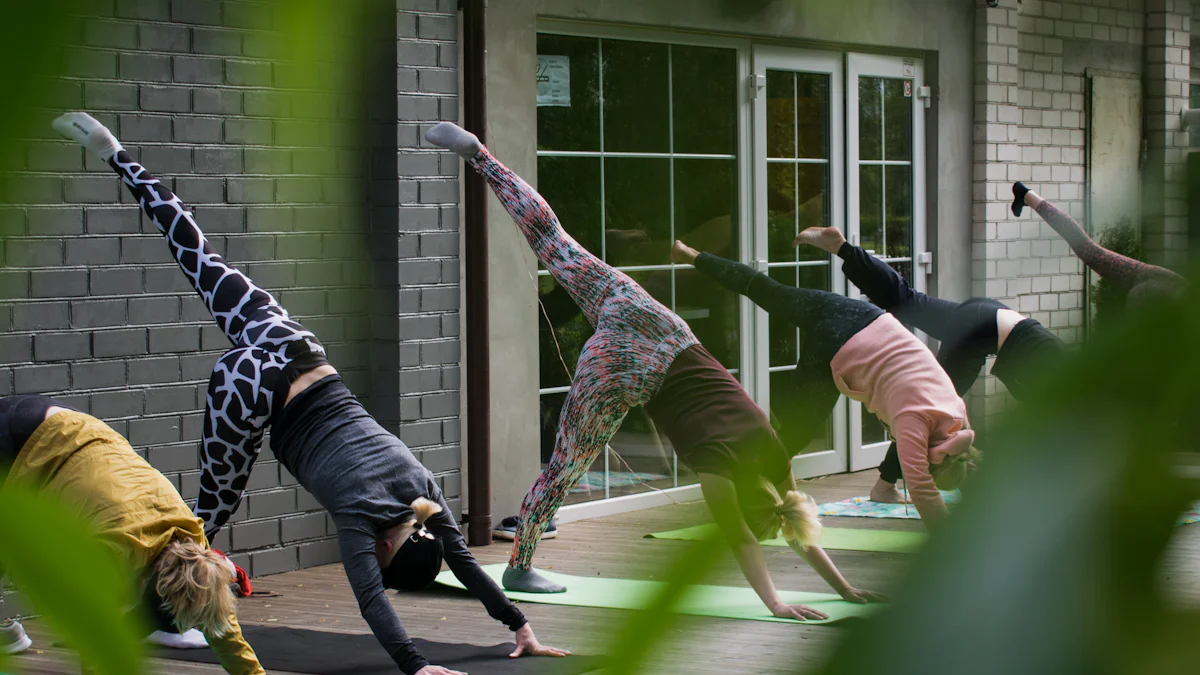
Yin yin yoga offers a unique approach to yoga that emphasizes stillness and deep stretching. Unlike more dynamic styles, yin yin yoga focuses on holding poses for extended periods, allowing you to target the deep connective tissues and joints. This practice not only enhances your physical flexibility but also nurtures your mental well-being. As you immerse yourself in the tranquility of yin yin yoga, you may find a profound sense of relaxation and mindfulness. With its growing popularity, many people are discovering the transformative benefits of yin yin yoga for both body and mind.
Understanding Yin Yoga
What is Yin Yoga?
Yin yin yoga offers a unique journey into the depths of your body and mind. Rooted in the ancient practices of Taoist yoga and traditional Chinese medicine, this style emphasizes stillness and deep stretching. Unlike more dynamic forms, yin yin yoga encourages you to hold poses for extended periods. This approach allows you to target the deep connective tissues, such as ligaments and fascia, which are often neglected in other yoga styles.
Origins and Philosophy
The origins of yin yin yoga trace back to the teachings of Paulie Zink, who integrated elements of Taoist yoga with traditional Chinese medicine. This practice aims to open energy pathways by stretching and deepening into poses. The philosophy behind yin yin yoga complements yang practices, encouraging the flow of Prana, or life force, throughout your body. By embracing stillness, you create space for inner experience, focusing on the mind, body, and soul.
Key Principles and Practices
Yin yin yoga revolves around several key principles. It targets deep connective tissues, promoting relaxation and stress reduction. The practice involves long postural holds, allowing you to move deeply into body and breath awareness. This meditative nature helps you reconnect with your breath and find peace of mind. As you hold poses for longer periods, you utilize the power of your breath to enhance flexibility and restore balance.
How Yin Yoga Differs from Other Styles
Yin yin yoga stands apart from other styles like Hatha and Vinyasa. While Hatha and Vinyasa focus on building strength and stamina through dynamic movements, yin yin yoga emphasizes rest and relaxation. This practice creates a sanctuary of stillness, offering a therapeutic space for recovery and building resilience.
Comparison with Hatha and Vinyasa
In contrast to Hatha and Vinyasa, which involve continuous movement and flow, yin yin yoga invites you to slow down. You hold poses for two to five minutes, allowing your body to drop into the parasympathetic nervous system. This grounding and calming effect fosters a contemplative and calming practice, enhancing mental clarity and focus.
Focus on Connective Tissues and Joints
Yin yin yoga's primary focus lies in the connective tissues and joints. By holding poses for extended durations, you stretch and strengthen these areas, promoting overall flexibility. This practice revitalizes your body's tissues, similar to how soaking an old sponge can restore its flexibility. As you immerse yourself in yin yin yoga, you nurture your joint health and mobility, creating a foundation for continued gains in flexibility.
Physical Benefits of Yin Yoga
Enhancing Flexibility
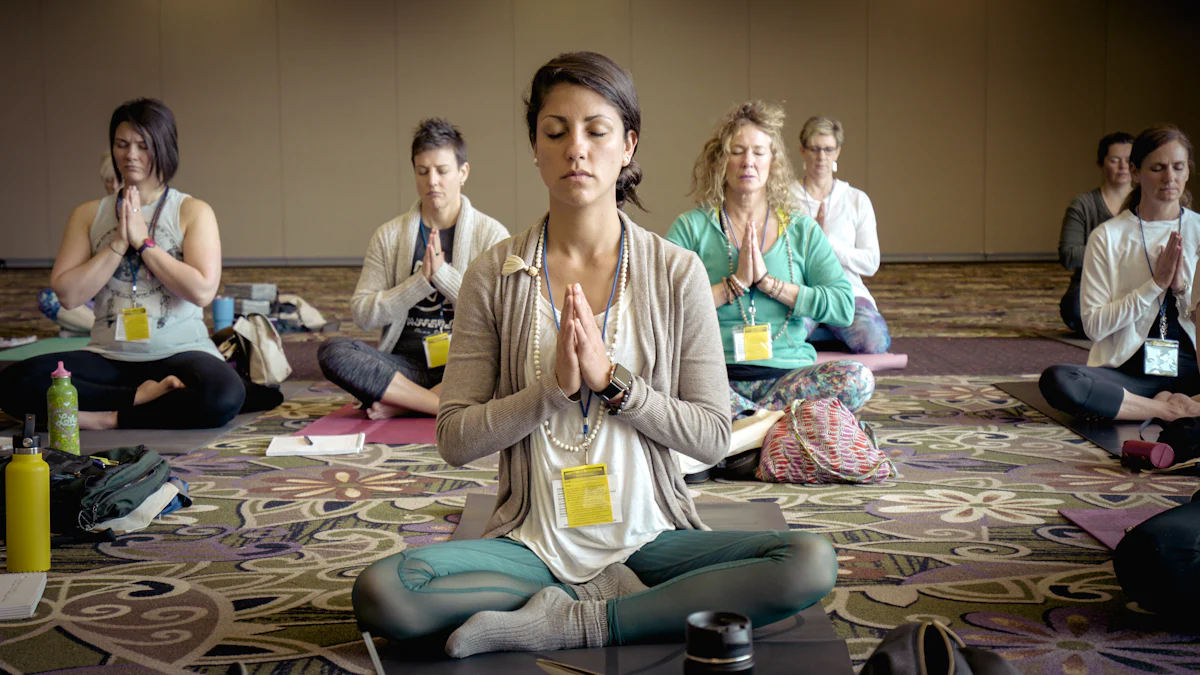
Yin yin yoga offers a profound way to enhance your flexibility. By targeting deep connective tissues, you can experience a significant transformation in your body's range of motion. This practice focuses on the ligaments, fascia, and other connective tissues that often remain untouched in more dynamic yoga styles. As you hold each pose, you allow these tissues to stretch and release, which can reduce tight spots and inflammation. This process not only makes your body more resilient but also helps prevent pain.
Targeting Deep Connective Tissues
In yin yin yoga, the emphasis lies on reaching the deeper layers of your body. When you hold poses for extended periods, you give your connective tissues the time they need to stretch and adapt. This approach can lead to a noticeable improvement in your flexibility. The gentle yet effective stretch introduced to your ligaments preserves and enhances your joints' range of motion. As a result, you may find yourself moving with greater ease and comfort in your daily activities.
Improving Range of Motion
Regular practice of yin yin yoga can significantly improve your range of motion. By consistently stretching and nourishing your connective tissues, you create a more flexible and agile body. This improvement extends beyond the yoga mat, allowing you to perform everyday tasks with greater ease. Whether you're reaching for something on a high shelf or bending down to tie your shoes, you'll notice the difference in your body's ability to move freely and comfortably.
Joint Health and Mobility
Yin yin yoga plays a crucial role in maintaining and enhancing joint health and mobility. By focusing on the joints and surrounding tissues, this practice helps you build a strong foundation for long-term well-being. As you engage in yin yin yoga, you strengthen your ligaments and tendons, promoting overall joint stability and function.
Strengthening Ligaments and Tendons
The slow, deliberate poses of yin yin yoga provide a gentle yet effective way to strengthen your ligaments and tendons. This strengthening process supports your joints, reducing the risk of injury and enhancing your overall mobility. As you continue to practice, you'll notice an increase in your body's ability to move smoothly and efficiently.
Promoting Joint Lubrication
Yin yin yoga also promotes joint lubrication, which is essential for maintaining healthy and functional joints. By holding poses for longer durations, you encourage the production of synovial fluid, which lubricates and nourishes your joints. This increased lubrication helps reduce stiffness and allows for a free flow of energy, particularly in areas like the hips and spine. As a result, you can enjoy greater comfort and ease in your movements, both on and off the mat.
Mental and Emotional Benefits
Yin yin yoga offers a sanctuary for your mind and emotions. As you engage in this practice, you may discover a profound sense of peace and clarity. The slow-paced nature of yin yin yoga allows you to connect deeply with your inner self, fostering mental resilience and emotional well-being.
Stress Reduction
Calming the Nervous System
In today's fast-paced world, stress often feels like an unwelcome companion. Yin yin yoga provides a soothing balm for your nervous system. By holding poses for extended periods, you allow your body to shift into the parasympathetic nervous system, which is responsible for rest and digestion. This shift promotes a state of calmness and relaxation, helping you release tension and stress. As you breathe deeply and mindfully, you create a space where your mind can unwind and your body can heal.
Encouraging Relaxation and Release
Yin yin yoga encourages you to let go of the burdens that weigh you down. Each pose becomes an opportunity to release physical and emotional tension. As you settle into stillness, you may find that your mind begins to quiet, allowing you to experience a sense of release and relief. This practice invites you to embrace relaxation, offering a gentle reminder that it's okay to slow down and nurture yourself.
Cultivating Mindfulness
Fostering Present-Moment Awareness
Mindfulness lies at the heart of yin yin yoga. As you hold each pose, you become acutely aware of your breath and body sensations. This awareness anchors you in the present moment, allowing you to let go of worries about the past or future. By focusing on the here and now, you cultivate a sense of presence that extends beyond the yoga mat. This practice teaches you to appreciate the beauty of each moment, fostering a deeper connection with yourself and the world around you.
Enhancing Mental Clarity and Focus
Yin yin yoga sharpens your mental clarity and focus. The meditative nature of this practice encourages you to clear away mental clutter and distractions. As you immerse yourself in the stillness of each pose, you create space for introspection and reflection. This process enhances your ability to concentrate and make thoughtful decisions. With regular practice, you may find that your mind becomes more agile and resilient, better equipped to navigate life's challenges.
Experts on Yin Yoga and Emotional Health highlight that yin yin yoga stands as a soothing balm, particularly effective for those battling anxiety. Its emphasis on mindfulness and slow-paced nature leads to significant improvements in mental health.
Incorporating yin yin yoga into your routine can transform your mental and emotional landscape. By embracing this practice, you open the door to a more peaceful and mindful existence. Allow yourself to experience the profound benefits of yin yin yoga, and watch as it nurtures your mind and soul.
What to Expect in a Yin Yoga Class
Typical Class Structure
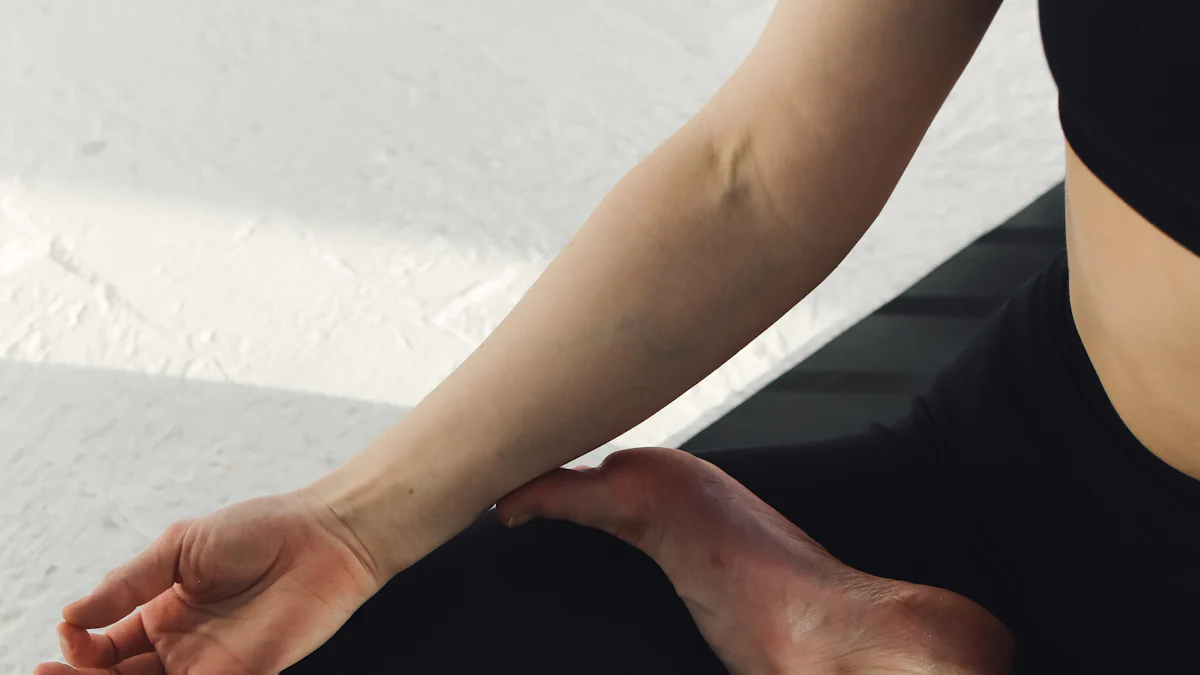
When you step into a yin yin yoga class, you embark on a journey of tranquility and introspection. The class typically begins with a gentle warm-up to prepare your body for the deep stretches ahead. You will then move into a series of poses, each held for an extended period, usually ranging from two to five minutes. This duration allows you to sink deeply into the pose, targeting the connective tissues and promoting relaxation.
Duration and Sequence of Poses
In yin yin yoga, the sequence of poses follows a thoughtful progression. Each pose builds upon the previous one, gradually opening up different areas of your body. The long holds encourage you to explore the sensations within each pose, fostering a deeper connection with your body. As you hold these poses, you may notice a release of tension and a sense of calm washing over you.
Use of Props and Modifications
Props play a crucial role in yin yin yoga, providing support and enhancing your experience. You might use blocks, bolsters, or blankets to help you settle into poses comfortably. These props allow you to relax fully, enabling the body to stretch without strain. Modifications are also encouraged, ensuring that each pose suits your unique needs and abilities. This adaptability makes yin yin yoga accessible to everyone, regardless of experience level.
Common Misconceptions
Despite its gentle nature, yin yin yoga often faces misconceptions. Some people believe it lacks intensity or challenge, but this couldn't be further from the truth. The practice offers a different kind of intensity, one that challenges your mind and patience rather than your muscles.
Addressing Concerns About Intensity
Yin yin yoga invites you to embrace stillness and introspection. While it may not involve vigorous movements, the long-held poses require mental focus and resilience. This practice teaches you to breathe through discomfort and find ease in stillness. As you hold each pose, you cultivate inner strength and patience, qualities that extend beyond the yoga mat.
Clarifying the Role of Discomfort
Discomfort in yin yin yoga serves as a teacher, guiding you to explore your limits and grow. It's important to distinguish between discomfort and pain. Discomfort encourages you to breathe deeply and remain present, while pain signals the need to adjust or modify a pose. By learning to sit with discomfort, you build resilience and develop a greater understanding of your body.
Yin yin yoga offers a sanctuary where you can slow down, reflect, and nurture your well-being. As you immerse yourself in this practice, you discover the profound benefits it brings to both body and mind. Embrace the journey, and let yin yin yoga transform your life.
Incorporating Yin Yoga into Your Routine
Integrating yin yin yoga into your daily life can bring profound changes to your physical and mental well-being. Whether you're a beginner or looking to deepen your practice, these tips will guide you on your journey.
Practical Tips for Beginners
Starting with yin yin yoga can feel overwhelming, but with the right approach, you can ease into this transformative practice.
Finding the Right Class or Instructor
Choosing the right class or instructor is crucial. Look for instructors who emphasize the meditative and restorative aspects of yin yin yoga. Attend a few trial classes to find a teaching style that resonates with you. Tammy Holstein, a seasoned yin yin yoga practitioner, suggests, "Seek out instructors who create a welcoming environment and encourage personal growth." This supportive atmosphere will help you feel comfortable and motivated.
Setting Realistic Goals and Expectations
Set achievable goals to maintain motivation. Begin with short sessions and gradually increase the duration as you become more comfortable. Remember, yin yin yoga is about progress, not perfection. Celebrate small victories and remain patient with yourself. As you continue, you'll notice improvements in flexibility and mental clarity.
Creating a Home Practice
Developing a home practice allows you to experience the benefits of yin yin yoga at your own pace. With the right setup, you can create a peaceful sanctuary for your practice.
Essential Equipment and Space Setup
To start your home practice, gather essential equipment like a yoga mat, blocks, bolsters, and blankets. These props support your body and enhance your experience. Designate a quiet space in your home where you can practice without distractions. Ensure the area is clean and inviting, with soft lighting and calming music if desired.
Recommended Resources and Guides
Utilize resources to guide your home practice. Online platforms offer a wealth of yin yin yoga classes and tutorials. Books and videos by experienced instructors provide valuable insights and techniques. Tammy Holstein recommends exploring various resources to find what resonates with you. "Experiment with different guides until you discover the ones that inspire and motivate you," she advises.
By incorporating yin yin yoga into your routine, you open the door to a more balanced and mindful life. Embrace this journey with an open heart and watch as it transforms your body and mind.
Yin Yoga offers a wealth of benefits that can transform your physical and mental well-being. By focusing on deep stretches and mindfulness, you enhance flexibility, improve joint health, and cultivate inner peace. This practice provides a calming counterbalance to the fast-paced world, helping you manage stress and anxiety effectively.
"Yin Yoga is not just a practice; it's a journey towards balance and tranquility."
I encourage you to explore Yin Yoga's potential impact on your life. Consider attending local classes or accessing online resources to begin your journey. Embrace the transformative power of Yin Yoga and discover a more mindful and balanced existence.
See Also
Uncover The Advantages Of Practicing Yoga Bare
Ways Yoga Enhances Your Intimate Life
Yoga's Role In Your Weight Loss Transformation

Hi my name is Lia and i am your host in this yoga journey in Portugal, Subscribe to our newsletter to receive every week the best of Yoga in Portugal.

We bring back the importance of initiation into womanhood by Roos-Veerle Krijnen & Ella-June Henrard
Welcome to the Women’s Initiation Retreat by Naked Truth Retreats, a transformative journey into the depths of your True Feminine Nature. This retreat invites you to remember the sacredness and wholeness of your being.
Roos-Veerle Krijnen & Ella-June Henrard