Why Do Accidental Slips Happen in Yoga?

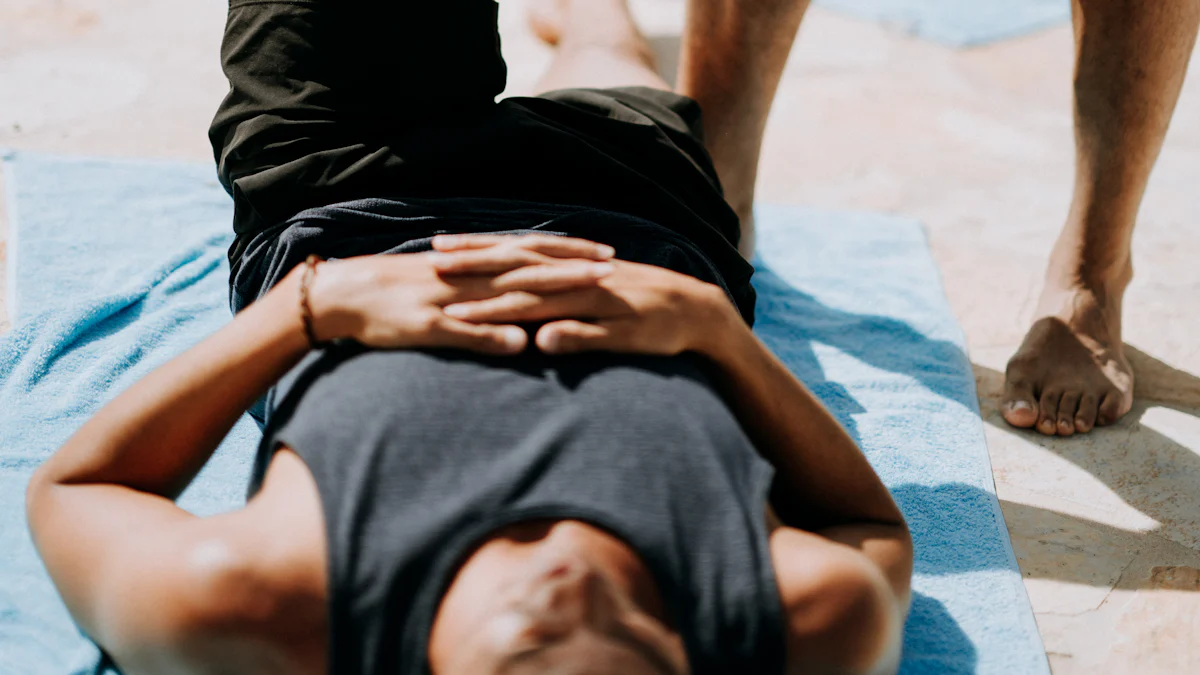
Yoga offers numerous benefits, but safety remains crucial in your practice. Accidental slips, like the infamous yoga pussyslip, occur more often than you might think. In fact, studies show that 22.7% of practitioners experience adverse events during classes. Understanding why these slips happen can help you prevent them. By focusing on safety, you ensure a more enjoyable and injury-free yoga experience. Let's explore how you can maintain balance and stability in your practice.
Understanding Accidental Slips in Yoga
Definition and Examples
What constitutes an accidental slip?
Accidental slips in yoga often catch you off guard. They happen when your body loses balance or grip during a pose. This can occur due to various reasons, such as improper alignment or a slippery surface. Imagine you're in a downward dog position, and suddenly, your hands slide forward. That's a classic example of a yoga pussyslip. These slips might seem minor, but they can disrupt your practice and even lead to injuries.
Common scenarios where slips occur
Slips can happen in many situations. You might experience them during transitions between poses or when holding a challenging position. For instance, in hot yoga classes, sweat can make your mat slick, increasing the risk of a yoga pussyslip. Practicing on a new mat without enough traction can also lead to slips. Additionally, sudden movements or shifts in weight can throw you off balance. Even moisturizing your hands or feet before class can create a slippery surface, making it hard to maintain your grip.
Importance of Addressing Slips
Impact on physical health
Addressing slips is crucial for your physical well-being. A yoga pussyslip can lead to strains, sprains, or even more severe injuries. When you slip, your body might twist or fall unexpectedly, putting stress on your muscles and joints. Over time, repeated slips can cause chronic pain or discomfort. By understanding and preventing these slips, you protect your body and ensure a safer practice.
Psychological effects on practitioners
Slips don't just affect your body; they can also impact your mind. Experiencing a yoga pussyslip might shake your confidence and make you hesitant to try certain poses again. You might feel embarrassed or frustrated, especially if it happens in a class setting. This can lead to anxiety or fear during practice, hindering your progress. By addressing the causes of slips, you can build confidence and enjoy a more fulfilling yoga experience.
Physical Factors Contributing to Slips
Body Alignment and Posture
Importance of correct alignment
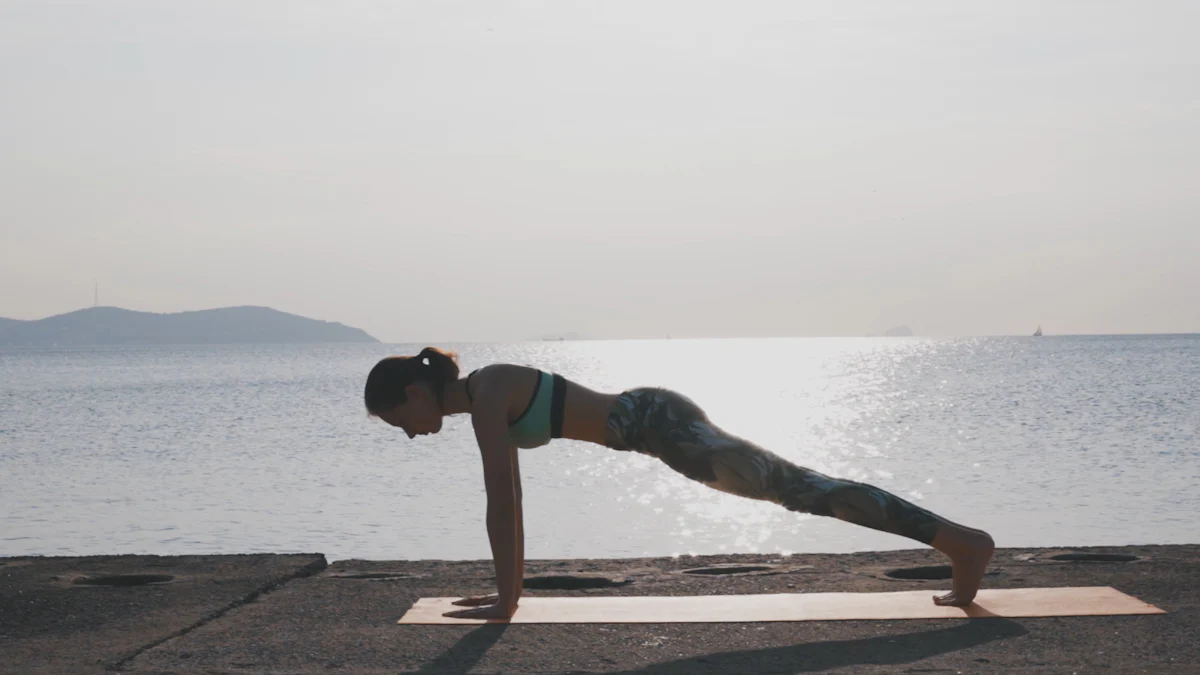
In yoga, maintaining the right body alignment is crucial. It helps you achieve balance and stability in each pose. When your body aligns correctly, you distribute weight evenly, reducing the risk of slipping. Iyengar yoga, for instance, emphasizes standing poses to develop strength and stability. This focus on alignment not only enhances your practice but also prevents injuries. By paying attention to how you position your body, you can enjoy a safer and more effective yoga session.
Common misalignments leading to slips
Misalignments often lead to accidental slips. You might find yourself leaning too far forward or backward, which can throw off your balance. For example, in poses like the warrior or tree pose, incorrect foot placement can cause instability. Even a slight shift in your hips or shoulders might result in a slip. Props, such as blocks or straps, can assist in achieving proper alignment. They help you hold poses longer and with more ease, allowing you to focus on your form.
Muscle Strength and Flexibility
Role of muscle strength in stability
Muscle strength plays a vital role in maintaining stability during yoga. Strong muscles support your joints and help you hold poses without wobbling. When your muscles are weak, you might struggle to maintain balance, increasing the likelihood of slipping. Incorporating strength-building exercises into your routine can enhance your yoga practice. Focus on strengthening your core, legs, and arms to provide a solid foundation for various poses.
Flexibility issues that may cause slips
Flexibility is another key factor in preventing slips. Limited flexibility can restrict your range of motion, making it difficult to achieve certain poses. For instance, tight hamstrings might prevent you from fully extending your legs in a forward bend, causing you to lose balance. Yoga enhances postural balance by increasing flexibility and hip range of motion. Regular practice can gradually improve your flexibility, allowing you to move more freely and confidently. Remember, it's important to listen to your body and avoid pushing beyond your limits.
Environmental Factors Leading to Slips
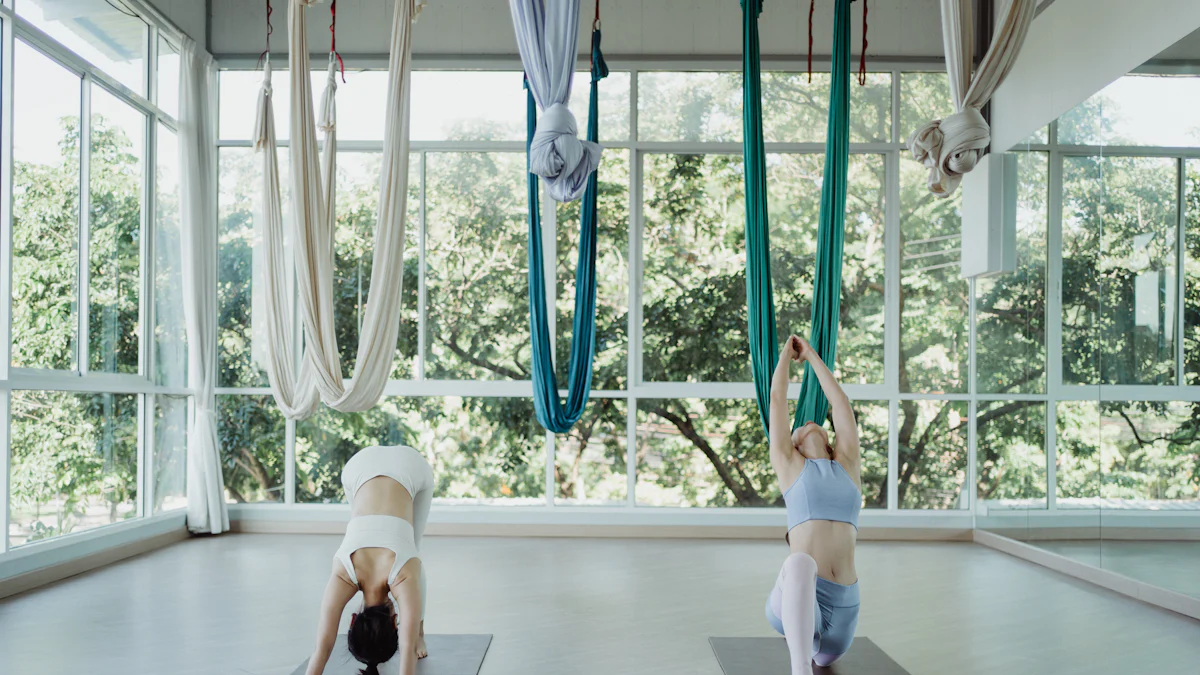
When practicing yoga, the environment plays a significant role in your stability and safety. Let's dive into how different surfaces and accessories can impact your practice.
Surface and Flooring
Types of surfaces used in yoga
Yoga can be practiced on various surfaces, each offering unique benefits and challenges. You might find yourself on hardwood floors, carpeted areas, or even outdoors on grass or sand. Each surface affects your balance and grip differently. For instance, hardwood floors provide a firm base but can be slippery without a mat. Carpet offers cushioning but might not provide the stability you need for certain poses. Outdoor surfaces like grass or sand introduce natural elements that can enhance your connection to nature but may also present uneven footing.
How flooring affects grip and balance
The type of flooring you choose can significantly influence your grip and balance during yoga. A smooth, hard surface might cause your hands and feet to slide, leading to a yoga pussyslip. This is where yoga mats come into play. They offer a textured surface that enhances grip, reducing the risk of slipping. Different materials like PVC, rubber, and TPE provide varying levels of traction. For example, rubber mats are known for their excellent grip, while TPE mats are lightweight and slip-resistant. Choosing the right mat for your practice environment can make a big difference in preventing slips.
Footwear and Accessories
Impact of footwear on stability
While yoga is typically practiced barefoot, some practitioners prefer wearing yoga socks or shoes for added grip. These accessories can enhance stability, especially if you're practicing on a slippery surface. However, it's essential to ensure that any footwear you use doesn't restrict your movement or alter your natural alignment. The goal is to maintain a firm connection with the ground, allowing you to move freely and confidently without the fear of a yoga pussyslip.
Use of yoga mats and their role in preventing slips
Yoga mats are your best friend when it comes to preventing slips. They provide a stable, non-slip surface that supports your practice. The material of your mat can affect its performance. For instance, PVC mats are durable and easy to clean, but they might not be as eco-friendly. Natural rubber mats offer excellent grip and are biodegradable, though they may have a strong smell initially. TPE mats are non-toxic and lightweight, making them a popular choice for many yogis. Additionally, using a yoga towel can further enhance traction, especially in hot yoga classes where sweat can make your mat slick. By selecting the right mat and accessories, you can create a safer and more enjoyable yoga experience.
Preventive Measures and Solutions
To enjoy a safe and fulfilling yoga practice, you need to take proactive steps to prevent accidental slips. Let's explore some effective strategies to enhance your physical preparedness and optimize your environment.
Improving Physical Preparedness
Exercises to enhance strength and flexibility
Building strength and flexibility is crucial for maintaining stability in yoga. Incorporate exercises that target your core, legs, and arms. These areas provide the foundation for many poses. Try planks, lunges, and squats to strengthen your muscles. For flexibility, include stretches like hamstring stretches and hip openers. Regular practice of these exercises will help you hold poses with confidence and reduce the risk of a yoga pussyslip.
Techniques for better body alignment
Proper body alignment is key to preventing slips. Focus on distributing your weight evenly in each pose. Pay attention to your stance and adjust as needed. This conscious adjustment can significantly improve your grip and stability. Use props like blocks or straps to assist in achieving correct alignment. They help you maintain poses longer and with more ease. By prioritizing alignment, you create a safer and more effective yoga practice.
Optimizing the Environment
Choosing the right surface and mat
The surface you practice on plays a big role in your stability. Choose a yoga mat with good grip to prevent slipping. Mats made of rubber or TPE offer excellent traction. Regularly clean your mat to maintain its grip. In hot yoga classes, consider using a towel to absorb sweat and enhance traction. By selecting the right mat, you create a stable foundation for your practice and minimize the chances of a yoga pussyslip.
Recommendations for safe yoga accessories
Accessories can enhance your yoga experience. Yoga socks or shoes provide extra grip, especially on slippery surfaces. However, ensure they don't restrict your movement. A yoga towel can be a great addition, especially in sweaty sessions. It helps maintain grip and prevents slipping. Remember, the goal is to maintain a firm connection with the ground. With the right accessories, you can enjoy a safe and slip-free yoga practice.
"By consciously adjusting your stance in each pose, you can significantly improve your grip and prevent slipping, leading to a safer and more effective yoga practice."
Practical Tips for Safe Yoga Practice
Mindfulness and Focus
Importance of staying present during practice
Staying present during your yoga practice is crucial. It helps you maintain balance and avoid accidental slips. When you focus on the present moment, you become more aware of your body's movements and alignment. This awareness reduces the risk of a yoga pussyslip. Practicing mindfulness also enhances your overall experience, allowing you to connect deeply with each pose.
Techniques to enhance concentration
To boost your concentration, try incorporating simple techniques into your routine. Start by setting an intention at the beginning of your practice. This intention acts as a guide, keeping your mind focused. Breathing exercises can also help. Take deep, steady breaths to calm your mind and center your thoughts. Visualization is another powerful tool. Picture yourself moving gracefully through each pose, maintaining balance and stability. These techniques not only improve your focus but also enrich your yoga practice.
Listening to Your Body
Recognizing signs of fatigue or imbalance
Listening to your body is essential for a safe yoga practice. Pay attention to signs of fatigue or imbalance. If you feel tired or unsteady, it's okay to take a break. Pushing through fatigue increases the risk of a yoga pussyslip. Notice any discomfort or strain in your muscles. These signals indicate that you might need to adjust your pose or take a rest. By tuning into your body's cues, you can prevent injuries and enjoy a more fulfilling practice.
Adjusting practice to individual needs
Every yoga practitioner is unique. What works for one person might not work for another. Adjust your practice to suit your individual needs. Modify poses if necessary. Use props like blocks or straps to support your body. Don't hesitate to skip poses that feel uncomfortable or challenging. Remember, yoga is a personal journey. By honoring your body's limitations, you create a safe and enjoyable practice environment.
"Regular yoga practice leads to more mobility, less pain, and steadier energy levels," says Allison English, a yoga instructor. Consistent practice builds strength and clarity over time. By incorporating mindfulness and listening to your body, you can achieve a strong, centered body and mind.
Understanding and preventing slips in yoga is essential for a safe and enjoyable practice. By focusing on proper alignment and engaging your muscles, you can create a stable foundation that minimizes the risk of slipping. Remember to apply preventive measures like choosing the right mat and practicing mindfulness. These steps not only enhance your grip but also ensure a more effective yoga session. Stay present, listen to your body, and adjust your practice as needed. With these strategies, you can maintain a mindful and safe yoga routine, allowing you to fully enjoy the benefits of your practice.
See Also
Elevate Your Yoga Practice with 10 Inspirational Quotes

Hi my name is Lia and i am your host in this yoga journey in Portugal, Subscribe to our newsletter to receive every week the best of Yoga in Portugal.

We bring back the importance of initiation into womanhood by Roos-Veerle Krijnen & Ella-June Henrard
Welcome to the Women’s Initiation Retreat by Naked Truth Retreats, a transformative journey into the depths of your True Feminine Nature. This retreat invites you to remember the sacredness and wholeness of your being.
Roos-Veerle Krijnen & Ella-June Henrard