Tracing the Roots of Yoga: A Journey Through Time


Yoga's ancient origins captivate your curiosity. You might wonder who started yoga and how it transformed over time. This practice, rooted in mystery, has evolved into a global phenomenon. Its appeal transcends cultures and borders, offering physical and mental benefits. As you explore yoga's history, you uncover a journey that connects past traditions with modern practices. The question of who started yoga invites you to delve deeper into its rich heritage and discover its timeless relevance in today's world.
Ancient Beginnings: The Indus-Saraswati Civilization
Early Evidence of Yoga Practices
Archaeological Findings
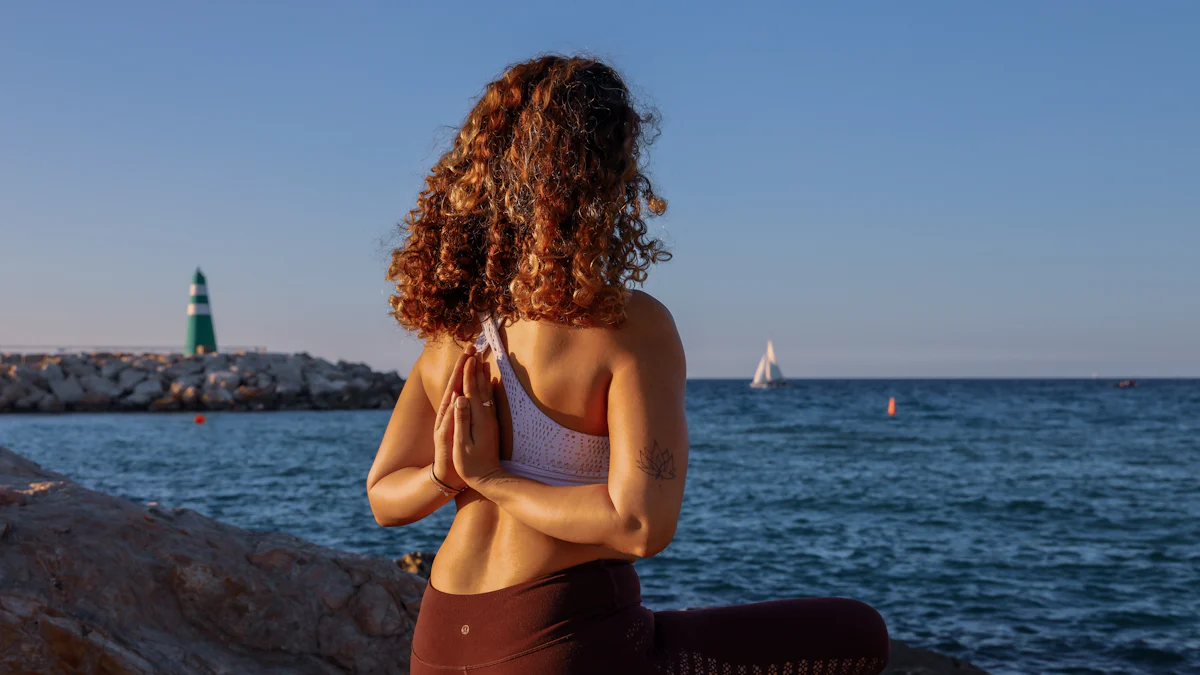
You might find it fascinating that the roots of yoga trace back to the Indus-Saraswati Civilization, which thrived around 2700 BCE. Archaeologists have uncovered artifacts that suggest early yoga practices. Seals depicting figures in meditative postures provide evidence of yoga's ancient origins. These findings raise questions about who started yoga and how these practices began. The artifacts reveal that yoga was not just a physical exercise but a spiritual discipline even in ancient times.
Cultural Context and Significance
In this civilization, yoga held significant cultural value. It wasn't merely a set of exercises; it was a way of life. The people of the Indus-Saraswati Civilization integrated yoga into their daily routines. This integration highlights the importance of yoga in their spiritual and cultural practices. You can see how yoga's early practitioners valued balance and harmony, principles that continue to resonate today.
Influence on Later Traditions
Transition to Vedic Period
As you explore further, you discover that yoga's influence extended into the Vedic Period. During this time, the practice began to evolve. The transition from the Indus-Saraswati Civilization to the Vedic Period marked a shift in how yoga was perceived and practiced. The Vedas, ancient sacred texts, began to incorporate yoga concepts, indicating its growing significance. This period raises the question of who started yoga and how it continued to develop.
Integration into Spiritual Practices
Yoga became deeply embedded in spiritual practices during the Vedic Period. It wasn't just about physical postures; it was about connecting with the divine. The integration of yoga into spiritual rituals shows its importance in achieving spiritual enlightenment. You can see how yoga's early practitioners used it as a tool for self-discovery and spiritual growth. This integration laid the foundation for yoga's enduring relevance in spiritual traditions.
The Vedic and Upanishadic Periods
The Role of the Vedas
Philosophical Foundations
You find the Vedas, ancient Indian scriptures, as a cornerstone in the development of yoga. These texts, composed around 1500 BCE, lay the philosophical groundwork for yoga practices. They introduce concepts like the interconnectedness of the universe and the importance of self-awareness. As you delve into these teachings, you see how they emphasize the pursuit of knowledge and understanding of the self. The Vedas encourage you to explore your inner world, fostering a deeper connection with the cosmos.
Ritualistic Practices
In the Vedic period, rituals played a crucial role in daily life. You notice that these rituals often incorporated elements of yoga. Chanting, meditation, and breath control became integral parts of spiritual ceremonies. These practices aimed to harmonize the mind and body, preparing individuals for spiritual enlightenment. By participating in these rituals, you engage in a transformative process that aligns you with the divine. The Vedic rituals highlight yoga's significance in achieving spiritual balance and harmony.
Insights from the Upanishads
Spiritual and Metaphysical Concepts
The Upanishads, a collection of philosophical texts, offer profound insights into yoga's spiritual dimensions. You encounter teachings that explore the nature of reality and the self. These texts introduce the concept of Brahman, the ultimate reality, and Atman, the individual soul. As you study these ideas, you gain a deeper understanding of your place in the universe. The Upanishads guide you on a journey of self-discovery, encouraging you to seek unity with the divine.
Development of Meditation Techniques
Meditation emerges as a key practice in the Upanishads. You learn about various techniques designed to quiet the mind and focus inward. These methods help you cultivate mindfulness and awareness, essential components of yoga. Through meditation, you develop the ability to observe your thoughts without judgment, fostering inner peace. The Upanishads emphasize the transformative power of meditation, guiding you toward spiritual awakening and enlightenment.
Classical Yoga: Patanjali's Contribution
Overview of Patanjali's Yoga Sutras
Systematization of Yoga Practices
You encounter a pivotal moment in yoga's history with Patanjali's Yoga Sutras. Patanjali, an ancient sage, organized yoga practices into a coherent system. This systematization made yoga more accessible and understandable. You find that the Yoga Sutras serve as a guide, outlining the principles and practices of yoga. Patanjali's work provides a framework that helps you navigate the path of yoga with clarity and purpose.
Eight Limbs of Yoga
Patanjali introduces you to the Eight Limbs of Yoga, a comprehensive approach to achieving spiritual growth. These limbs include:
Yama: Ethical standards and moral conduct.
Niyama: Personal observances and self-discipline.
Asana: Physical postures for health and stability.
Pranayama: Breath control to enhance life force.
Pratyahara: Withdrawal of senses to focus inward.
Dharana: Concentration and mental focus.
Dhyana: Meditation and contemplation.
Samadhi: Union with the divine and ultimate bliss.
By following these limbs, you embark on a transformative journey that nurtures your body, mind, and spirit.
Impact on Yoga Philosophy
Ethical and Moral Guidelines
Patanjali's Yoga Sutras emphasize the importance of ethical and moral guidelines. You learn that these guidelines, known as Yamas and Niyamas, form the foundation of yoga practice. They encourage you to cultivate virtues such as non-violence, truthfulness, and contentment. By adhering to these principles, you develop a strong moral compass that guides your actions and interactions with others.
Influence on Later Yoga Schools
The influence of Patanjali's teachings extends beyond his time. You discover that his Yoga Sutras have shaped the development of various yoga schools. These schools draw inspiration from Patanjali's work, adapting his teachings to suit different needs and contexts. As you explore these diverse traditions, you see how Patanjali's contribution continues to resonate, offering timeless wisdom that enriches your yoga practice.
Medieval Developments: The Rise of Hatha Yoga
Emergence of Hatha Yoga Practices
Focus on Physical Postures
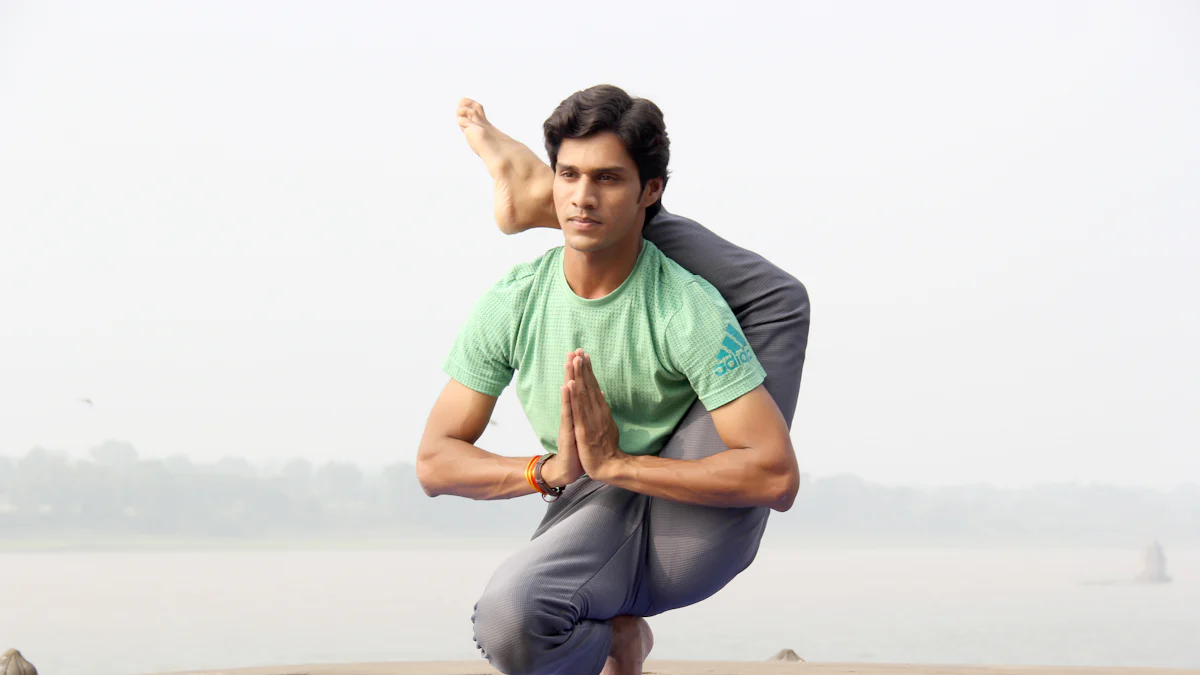
During the medieval period, you witness the emergence of Hatha Yoga, a practice that emphasizes physical postures. This form of yoga focuses on the body as a means to achieve spiritual enlightenment. You engage in various asanas, or postures, designed to enhance flexibility, strength, and balance. These physical exercises prepare your body for deeper meditation and spiritual practices. By mastering these postures, you cultivate discipline and awareness, essential qualities for your spiritual journey.
Integration of Breath Control
Breath control, or pranayama, becomes a vital component of Hatha Yoga. You learn to regulate your breath, enhancing your life force and energy flow. This practice helps you achieve mental clarity and emotional stability. By focusing on your breath, you connect your mind and body, creating a harmonious balance. Pranayama techniques enable you to calm your mind, reduce stress, and improve concentration. Through breath control, you unlock the potential for greater self-awareness and spiritual growth.
Key Texts and Teachers
Hatha Yoga Pradipika
The Hatha Yoga Pradipika serves as a foundational text for Hatha Yoga practitioners. Written by Swami Swatmarama in the 15th century, this text provides detailed instructions on yoga postures, breath control, and meditation techniques. You explore its teachings to deepen your understanding of Hatha Yoga. The Hatha Yoga Pradipika guides you through the physical and spiritual aspects of the practice, offering insights into achieving balance and harmony. By studying this text, you gain valuable knowledge that enriches your yoga journey.
Influence of Nath Yogis
The Nath Yogis, a group of wandering ascetics, play a significant role in the development of Hatha Yoga. You learn about their contributions to the practice, including the integration of physical postures and breath control. The Nath Yogis emphasize the importance of discipline and self-mastery in achieving spiritual enlightenment. Their teachings inspire you to explore the depths of your own practice, encouraging you to push beyond your limits. By following the path of the Nath Yogis, you embark on a transformative journey that leads to greater self-discovery and spiritual awakening.
Modern Era: Global Spread and Adaptation
Introduction to the West
Key Figures in the 19th and 20th Centuries
You might find it intriguing that yoga's journey to the West began in the late 19th century. Pioneers like Swami Vivekananda played a crucial role in introducing yoga to Western audiences. Vivekananda's speeches at the Parliament of the World's Religions in 1893 sparked interest in Eastern philosophies. His teachings emphasized the spiritual aspects of yoga, captivating Western minds.
In the 20th century, other influential figures emerged. Teachers like Paramahansa Yogananda and B.K.S. Iyengar further popularized yoga. Yogananda's book, "Autobiography of a Yogi," inspired many to explore yoga's spiritual dimensions. Iyengar's focus on precise alignment and physical postures attracted those seeking physical well-being. These key figures laid the foundation for yoga's widespread acceptance in the West.
Popularization in Western Culture
Yoga's appeal grew rapidly in Western culture. You notice that by the mid-20th century, yoga studios began to appear in major cities. People sought yoga for its physical benefits, such as flexibility and stress relief. The practice became a popular form of exercise, attracting diverse groups of individuals.
Media played a significant role in yoga's popularization. Television programs and magazines featured yoga, making it accessible to a broader audience. Celebrities embraced yoga, further boosting its popularity. As you explore this era, you see how yoga transformed from a niche practice to a mainstream phenomenon. Its integration into Western culture marked a significant milestone in yoga's global journey.
Contemporary Yoga Practices
Diverse Styles and Schools
Today, you encounter a wide variety of yoga styles and schools. Each offers unique approaches to the practice. Some styles, like Vinyasa and Ashtanga, focus on dynamic sequences and breath synchronization. Others, such as Yin and Restorative yoga, emphasize relaxation and deep stretching.
You might explore Bikram Yoga, known for its heated environment, or Kundalini Yoga, which combines movement, breath, and chanting. These diverse styles cater to different preferences and goals. Whether you seek physical fitness, mental clarity, or spiritual growth, there's a yoga style for you. This diversity reflects yoga's adaptability and its ability to meet the needs of practitioners worldwide.
Yoga as a Global Phenomenon
Yoga has become a global phenomenon, transcending cultural and geographical boundaries. You observe that people from all walks of life embrace yoga for its holistic benefits. It promotes physical health, mental well-being, and spiritual connection.
International events, such as International Yoga Day, celebrate yoga's global impact. These gatherings unite practitioners from various backgrounds, fostering a sense of community. As you participate in these events, you experience the universal appeal of yoga. Its ability to bring people together highlights its enduring relevance in today's interconnected world.
Cultural Significance and Transformation
Yoga's Role in Health and Wellness
Physical and Mental Benefits
Yoga offers numerous physical and mental benefits. You engage in yoga to improve flexibility, strength, and balance. Regular practice enhances your physical health, reducing the risk of injury and chronic conditions. Yoga also supports mental well-being. It helps you manage stress and anxiety through mindfulness and relaxation techniques. By focusing on your breath and movements, you cultivate a sense of calm and clarity. This holistic approach promotes overall wellness, making yoga a valuable tool for maintaining a healthy lifestyle.
Integration into Modern Lifestyles
Incorporating yoga into your daily routine can transform your lifestyle. You find that yoga fits seamlessly into modern life, offering a flexible practice that adapts to your schedule. Whether you attend a class or practice at home, yoga provides a convenient way to prioritize self-care. Many people integrate yoga into their fitness regimen, using it as a complement to other forms of exercise. You might also explore yoga as a means of personal growth, using its principles to guide your actions and decisions. By embracing yoga, you enhance your quality of life, fostering a balanced and mindful existence.
Yoga as a Cultural Bridge
Cross-Cultural Exchange
Yoga serves as a cultural bridge, connecting people from diverse backgrounds. You participate in yoga classes and workshops that bring together individuals from different cultures and traditions. This exchange fosters mutual understanding and respect, enriching your practice with new perspectives. As you learn from others, you gain insights into different approaches to yoga, broadening your knowledge and appreciation of the practice. Yoga's universal appeal transcends cultural boundaries, creating a global community united by a shared passion for health and wellness.
Preservation of Traditional Practices
While yoga evolves and adapts, preserving its traditional practices remains essential. You explore the roots of yoga to honor its rich heritage and maintain its authenticity. By studying ancient texts and teachings, you connect with the wisdom of past practitioners. This preservation ensures that yoga's spiritual and philosophical dimensions continue to thrive. As you delve into traditional practices, you deepen your understanding of yoga's core principles, enriching your journey and inspiring future generations to embrace this timeless discipline.
Yoga's journey through time reveals its enduring relevance in today's world. You see how it evolved from ancient practices to a global phenomenon. This transformation highlights yoga's cultural and spiritual significance across centuries. By exploring who started yoga, you connect with its rich history and diverse practices. Yoga offers a path to physical health, mental clarity, and spiritual growth. As you delve into its past, you gain insights that enrich your practice. Embrace yoga's timeless wisdom and let it guide you on your journey of self-discovery and well-being.

Hi my name is Lia and i am your host in this yoga journey in Portugal, Subscribe to our newsletter to receive every week the best of Yoga in Portugal.

We bring back the importance of initiation into womanhood by Roos-Veerle Krijnen & Ella-June Henrard
Welcome to the Women’s Initiation Retreat by Naked Truth Retreats, a transformative journey into the depths of your True Feminine Nature. This retreat invites you to remember the sacredness and wholeness of your being.
Roos-Veerle Krijnen & Ella-June Henrard