Tracing the Roots of Yoga: An Ancient Practice


Yoga's origins trace back to the ancient Indus Valley Civilization, making it a practice steeped in history. You might wonder who started yoga. Sage Patanjali played a pivotal role by creating a systematic version of yoga around 2,500 years ago. This made yoga accessible to many. Over time, yoga's appeal has grown globally. In the late 19th century, Swami Vivekananda introduced yoga to the West, sparking interest in Eastern spirituality. Today, millions practice yoga worldwide, with over 38.4 million Americans engaging in this holistic discipline.
Ancient Roots of Yoga
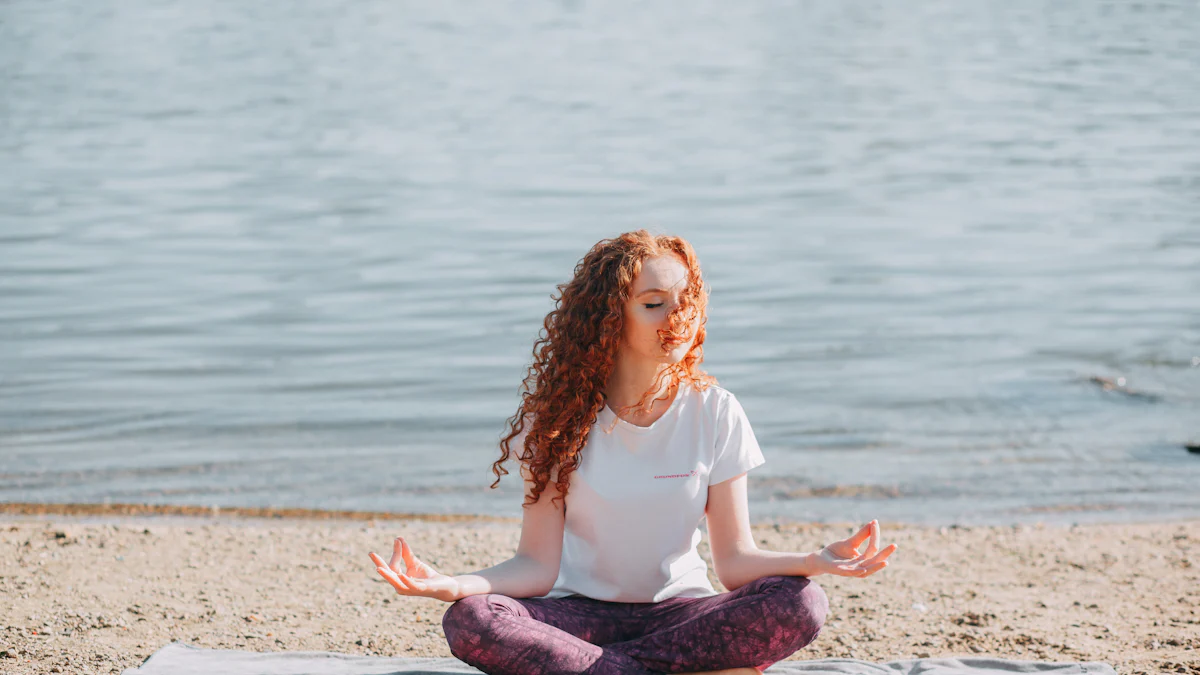
Yoga's history stretches back thousands of years, deeply rooted in ancient Indian culture. You can trace its origins to sacred texts that have shaped spiritual practices over millennia.
Early Mentions in Texts
The Vedas
The Vedas are among the oldest sacred texts in the world, dating back to around 1500 B.C. These texts contain hymns and rituals that laid the groundwork for early yogic practices. In the Vedic period, yoga was intertwined with rituals performed by Brahmin priests. These rituals aimed to connect people with the divine through sacrifices and ceremonies. The Vedas introduced the concept of yoga as a means to achieve spiritual connection and cosmic harmony.
The Upanishads
The Upanishads, composed later, expanded on the philosophical aspects of yoga. They emphasized the unity of all life and the pursuit of self-realization. In these texts, yoga evolved from ritualistic practices to a more introspective discipline. The Upanishads introduced meditation as a key component of yoga, encouraging individuals to seek inner peace and enlightenment. This shift marked a significant development in understanding who started yoga as a spiritual journey.
Early Practices and Beliefs
Meditation and Rituals
In ancient times, meditation played a crucial role in yoga. You would find practitioners engaging in deep contemplation to attain higher states of consciousness. Rituals, often performed in conjunction with meditation, were designed to purify the mind and body. These practices aimed to align individuals with the natural rhythms of the universe, fostering a sense of balance and tranquility.
Spiritual Goals
The spiritual goals of early yoga practitioners focused on achieving liberation and self-awareness. Yoga was seen as a path to transcend the limitations of the physical world and connect with the divine essence within. By practicing yoga, individuals sought to overcome ignorance and attain a state of enlightenment. This pursuit of spiritual growth remains a central theme in yoga today, reflecting its enduring significance.
Philosophical and Religious Influences
Yoga's rich tapestry is woven with threads from various philosophical and religious traditions. These influences have shaped yoga into a holistic practice that encompasses ethical, spiritual, and physical dimensions.
Contributions from Hinduism
Concepts of Dharma and Moksha
In Hinduism, yoga is deeply intertwined with the concepts of Dharma and Moksha. Dharma refers to the moral and ethical duties that guide your actions. Practicing yoga helps you align with these duties, fostering a life of righteousness and balance. Moksha, on the other hand, represents liberation from the cycle of birth and rebirth. Through yoga, you can pursue this ultimate spiritual goal, seeking freedom from worldly attachments and realizing your true self. The teachings of Hinduism emphasize that yoga is not just a physical practice but a path to spiritual enlightenment.
Influence of Buddhism
Mindfulness and Meditation
Buddhism has significantly influenced yoga, particularly through the practices of mindfulness and meditation. In Buddhism, meditation is a core practice aimed at achieving mental clarity and insight. Yoga incorporates these elements, encouraging you to cultivate awareness and presence in each moment. Mindfulness, a key Buddhist principle, teaches you to observe your thoughts and emotions without judgment. By integrating mindfulness into your yoga practice, you can develop a deeper connection with yourself and the world around you. This influence highlights yoga's adaptability and its ability to incorporate diverse spiritual teachings.
Jainism's Impact
Non-violence and Asceticism
Jainism contributes to yoga through its principles of non-violence and asceticism. The practice of Ahimsa, or non-violence, is central to Jain philosophy and is embraced in yoga as a fundamental ethical guideline. By practicing Ahimsa, you learn to cultivate compassion and kindness towards all living beings. Asceticism, another Jain principle, involves self-discipline and simplicity. In yoga, this translates to a focus on inner growth and detachment from material desires. These influences from Jainism enrich yoga's ethical framework, guiding you towards a life of harmony and self-awareness.
The Classical Period
Patanjali's Yoga Sutras
The classical period of yoga is marked by the significant contributions of Sage Patanjali, who played a crucial role in shaping the practice as we know it today. You might wonder who started yoga in its organized form. Patanjali's Yoga Sutras, composed around 2,000 years ago, serve as the earliest organized representation of yoga. This text has become one of the most translated works from ancient India, offering timeless guidance for achieving peace and fulfillment.
Overview of the Sutras
Patanjali's Yoga Sutras consist of 196 aphorisms that provide a comprehensive framework for understanding and practicing yoga. These sutras distill the vast body of yoga philosophy into a concise treatise, making it accessible to practitioners seeking harmony between mind, body, and soul. The text outlines yoga primarily as a system of meditation, emphasizing the importance of mental discipline and self-awareness. Although the sutras fell into obscurity for nearly 700 years, they resurfaced in the late 19th century, reigniting interest in classical yoga.
The Eight Limbs of Yoga
Central to Patanjali's teachings is the concept of the Eight Limbs of Yoga, which offers a path to spiritual growth and self-realization. These limbs provide a step-by-step guide to achieving a balanced and fulfilling life:
Yama: Ethical guidelines that promote moral conduct and integrity.
Niyama: Personal observances that encourage self-discipline and spiritual growth.
Asana: Physical postures that enhance strength, flexibility, and balance.
Pranayama: Breath control techniques that calm the mind and energize the body.
Pratyahara: Withdrawal of the senses to foster inner focus and concentration.
Dharana: Concentration practices that cultivate mental clarity and focus.
Dhyana: Meditation techniques that deepen awareness and insight.
Samadhi: A state of blissful union with the divine, representing the ultimate goal of yoga.
By following these eight limbs, you can embark on a transformative journey that nurtures both your physical and spiritual well-being. Patanjali's Yoga Sutras continue to inspire countless individuals worldwide, highlighting the enduring relevance of this ancient practice.
The Post-Classical Period
Development of Hatha Yoga
Hatha Yoga emerged during the post-classical period as a transformative practice focusing on physical techniques. You engage in Hatha Yoga to balance the body and mind through a series of postures, known as asanas, and breathing exercises, called pranayama. This form of yoga emphasizes the importance of physical health as a foundation for spiritual growth.
Physical Practices and Techniques
In Hatha Yoga, you perform various poses that enhance flexibility, strength, and balance. These physical practices aim to prepare your body for meditation by promoting relaxation and reducing tension. Studies have shown that a single 40-minute session of Hatha Yoga can alleviate acute physiological stress responses and improve mood states. Regular practice can also boost cognitive skills, especially in older adults, by decreasing anxiety and stress. By engaging in these techniques, you cultivate a sense of calm and focus, which enhances your overall well-being.
Spread to the West
Yoga's journey to the West marked a significant cultural exchange, introducing this ancient practice to a new audience. You might be curious about how yoga gained popularity outside of India. The late 19th and early 20th centuries saw the arrival of Indian yogis and spiritual teachers in Western countries, sparking interest in Eastern philosophies.
Early Western Adopters
Pioneers like Swami Vivekananda played a crucial role in introducing yoga to the Western world. You would find his lectures on yoga and spirituality captivating, as they emphasized the universal appeal of these teachings. Early adopters in the West embraced yoga for its holistic approach to health and wellness. They appreciated its ability to harmonize the mind, body, and spirit, offering a path to personal growth and self-discovery.
Cultural Exchange
The spread of yoga to the West facilitated a rich cultural exchange, blending Eastern and Western philosophies. You can see this influence in the diverse styles of yoga practiced today, each incorporating elements from different traditions. This exchange has enriched yoga, making it accessible to people from all walks of life. As you explore yoga's history, you'll discover how this ancient practice continues to evolve, adapting to the needs of modern society while retaining its core principles.
The Modern Period
Global Evolution of Yoga
Yoga's journey into the modern era has been remarkable. You can see its global evolution, especially during the 20th century, when it gained widespread popularity. This ancient practice, rooted in the cultural and spiritual fabric of India, found new life as it spread across continents.
Popularization in the 20th Century
In the 20th century, yoga experienced a surge in popularity. You might wonder how this ancient practice became so widespread. The answer lies in the efforts of Indian yogis and spiritual leaders who traveled to the West. They introduced yoga as a holistic approach to health and well-being. Their teachings resonated with people seeking balance in their hectic lives. As a result, yoga studios began to appear in cities worldwide, making the practice accessible to millions.
Current Practices and Trends
Today, yoga continues to evolve, adapting to the needs of modern practitioners. You can explore a wide range of styles and approaches, each offering unique benefits.
Diverse Styles and Approaches
Yoga now encompasses diverse styles, catering to different preferences and goals. You might enjoy the dynamic flow of Vinyasa yoga, which synchronizes movement with breath. Alternatively, you could find peace in the gentle stretches of Yin yoga, which focuses on deep relaxation. Other popular styles include Ashtanga, Bikram, and Kundalini yoga. Each style offers a distinct experience, allowing you to choose the one that best suits your needs.
Yoga in Popular Culture
Yoga's influence extends beyond the studio. You can see its impact in popular culture, where it has become a symbol of health and mindfulness. Celebrities and influencers often share their yoga journeys, inspiring others to embrace the practice. Yoga-themed products, from clothing to accessories, have become mainstream. This cultural presence highlights yoga's enduring appeal and its ability to adapt to contemporary lifestyles.
As you explore yoga's modern landscape, you'll discover a practice that remains deeply rooted in its ancient origins while continually evolving to meet the needs of today's world.
Who Started Yoga: Historical Figures and Influences
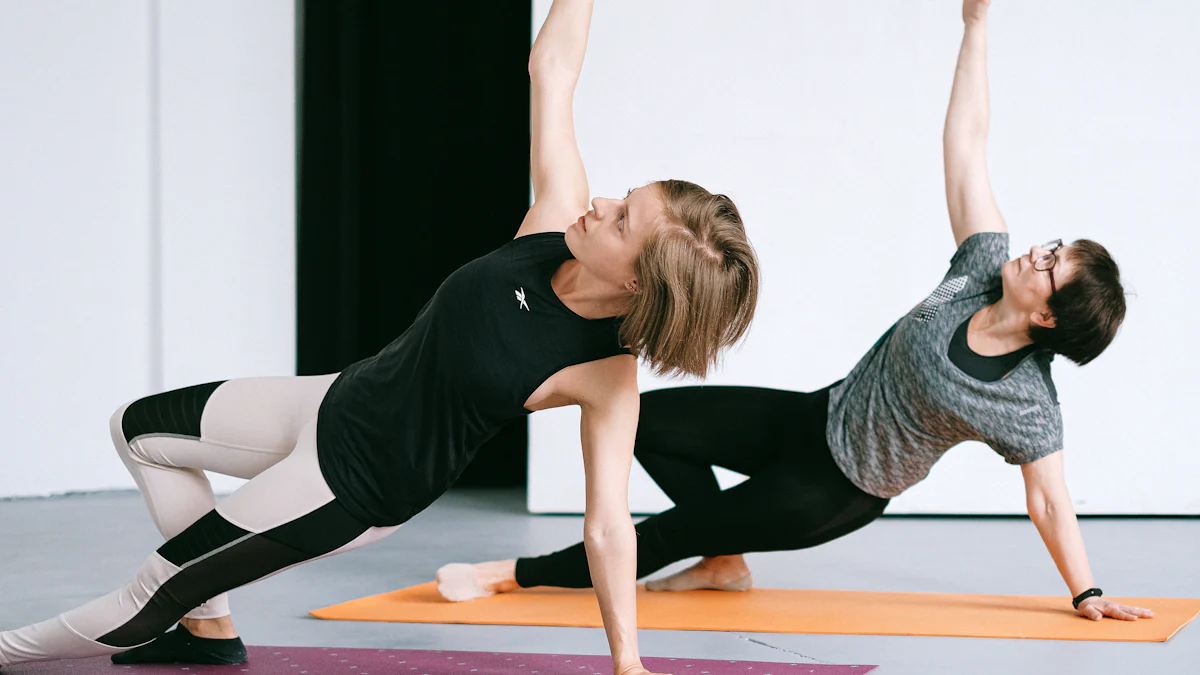
Ancient Sages and Teachers
When you explore the origins of yoga, you encounter a rich tapestry of ancient sages and teachers who laid the foundation for this profound practice. These early figures played a crucial role in shaping yoga's philosophy and techniques. Among them, Sage Patanjali stands out as a pivotal figure. He compiled the Yoga Sutras, a seminal text that systematized yoga practices and philosophies. His work provided a structured approach to achieving mental clarity and spiritual enlightenment.
Other notable figures include the sages mentioned in the Vedas and Upanishads. These texts, some of the oldest known, contain hymns and philosophical discussions that introduced early concepts of yoga. The sages of these times viewed yoga as a means to connect with the divine and achieve inner peace. Their teachings emphasized meditation, self-discipline, and the pursuit of spiritual goals.
Modern Pioneers and Influencers
In the modern era, several pioneers have played a significant role in bringing yoga to a global audience. You might wonder who started yoga's journey to the West. One key figure is Swami Vivekananda, who introduced yoga to the Western world in the late 19th century. His lectures and writings captivated audiences, highlighting yoga's universal appeal and its potential to transform lives.
In the 20th century, other influential teachers emerged, such as B.K.S. Iyengar and Pattabhi Jois, who developed distinct styles of yoga that focused on physical postures and breath control. Their teachings emphasized the importance of alignment and precision in yoga practice, making it accessible to people of all ages and abilities.
Today, yoga continues to evolve, influenced by a diverse array of teachers and practitioners. You can find inspiration in the stories of these modern pioneers, who have expanded the practice beyond its traditional roots, adapting it to meet the needs of contemporary society. Their contributions have ensured that yoga remains a dynamic and inclusive practice, welcoming individuals from all walks of life.
Yoga's journey from ancient India to a global phenomenon highlights its adaptability and enduring relevance. Over 5,000 years, yoga has evolved through various cultural and philosophical traditions, enriching its practices and teachings. This evolution reflects yoga's ability to meet diverse needs, offering physical, mental, and spiritual benefits. As you explore yoga's rich history, you'll discover a practice that continues to thrive across cultures. Embrace this ancient tradition and its diverse practices to enhance your well-being and connect with a global community of practitioners.
See Also
Uncovering Yoga's Ancient Heritage and Its Significance
Discovering Yoga's Historical Beginnings in India
A Timeless Exploration of Yoga's Historical Journey
Hi my name is Lia and i am your host in this yoga journey in Portugal, Subscribe to our newsletter to receive every week the best of Yoga in Portugal.

We bring back the importance of initiation into womanhood by Roos-Veerle Krijnen & Ella-June Henrard
Welcome to the Women’s Initiation Retreat by Naked Truth Retreats, a transformative journey into the depths of your True Feminine Nature. This retreat invites you to remember the sacredness and wholeness of your being.
Roos-Veerle Krijnen & Ella-June Henrard