Tracing the Origins and Founders of Yoga

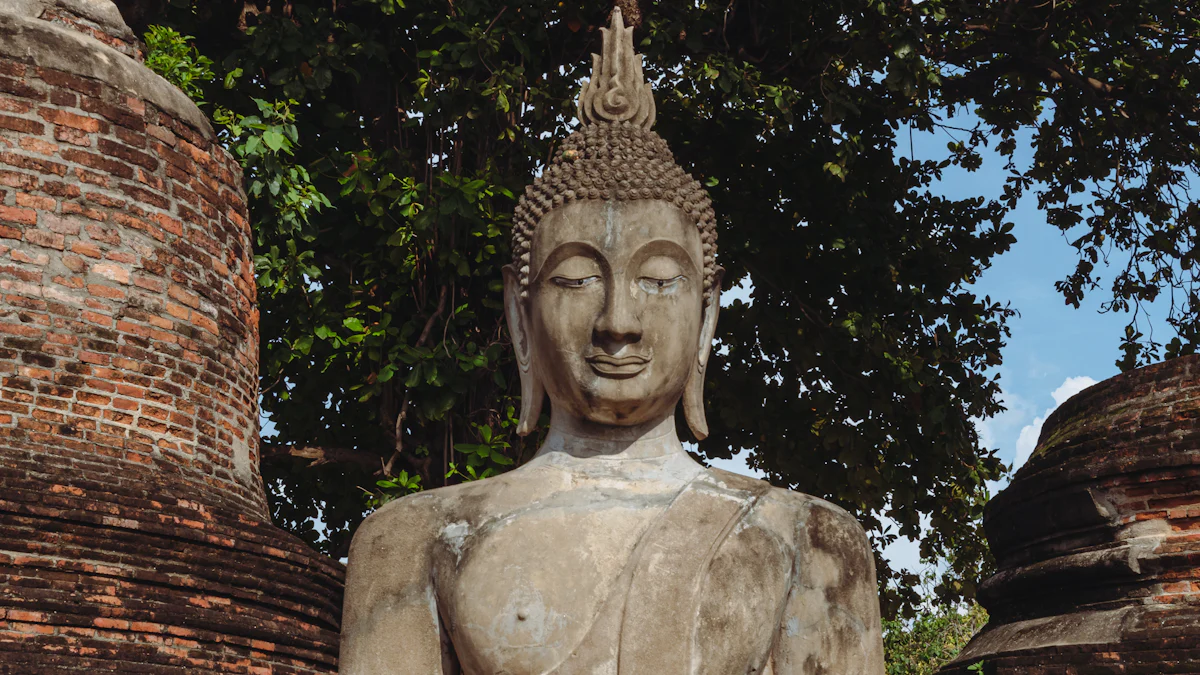
Yoga began over 5,000 years ago in ancient India, deeply rooted in its culture and spirituality. It emerged as a practice to harmonize the mind and body, blending physical, mental, and spiritual disciplines. The question of "who is the founder of yoga" often arises, but yoga's origins are not tied to a single individual. Instead, it evolved through contributions from various periods and traditions. Today, yoga has grown into a global phenomenon, with over 300 million people practicing worldwide, bridging ancient wisdom with modern lifestyles.
Key Takeaways
Yoga has roots that date back over 5,000 years, originating in the ancient Indus Valley Civilization, where it was practiced as a means of achieving harmony between the mind and body.
The term 'yoga' comes from the Sanskrit word 'yuj,' meaning 'to unite,' emphasizing its role in connecting the individual self with universal consciousness.
The Yoga Sutras by Patanjali introduced the Eight-Limbed Path, providing a structured approach to yoga that encompasses ethical principles, physical practices, and mental disciplines.
Modern yoga has evolved significantly, with figures like Swami Vivekananda playing a crucial role in introducing its philosophical depth to the West, making it accessible to a global audience.
Today, yoga is recognized not just as a physical practice but as a holistic approach to wellness, promoting physical health, mental clarity, and spiritual growth.
Exploring yoga's origins enhances your understanding of its practices and philosophies, allowing you to appreciate its timeless relevance in contemporary life.
Embrace yoga as a way of life, integrating its principles into your daily routine to foster balance, self-awareness, and personal growth.
The Pre-Vedic Period: Yoga's Earliest Roots

The Indus Valley Civilization and Proto-Yoga Practices
The origins of yoga stretch back over 5,000 years to the ancient Indus Valley Civilization, also known as the Sindhu-Saraswati Civilization. Archaeological discoveries from this period provide fascinating insights into the early roots of yoga. Seals and artifacts unearthed from sites like Harappa and Mohenjo-Daro depict figures seated in postures resembling modern yoga poses. One of the most notable findings is the Pashupati seal, which shows a figure seated in Mulabandhasana (a yogic posture), surrounded by animals. This artifact, dating back to around 3300 BCE, suggests that yoga-like practices were already an integral part of spiritual and ritualistic life.
These ancient seals and fossils reflect the deep connection between yoga and the cultural fabric of the Indus Valley. The presence of symbols associated with meditation and physical discipline indicates that early inhabitants practiced forms of yoga to achieve harmony between the mind and body. This civilization laid the foundation for what would later evolve into the structured systems of yoga.
Early Spiritual Practices and Their Connection to Yoga
In the Pre-Vedic period, spiritual practices were deeply intertwined with daily life. The people of the Indus Valley engaged in rituals and meditative practices that emphasized self-awareness and inner balance. Many artifacts from this era, including idols and symbols, suggest a focus on physical and mental discipline. Some of these artifacts even hint at the early development of Tantra Yoga, as they feature symbols of the Mother Goddess, representing energy and transformation.
Yoga during this time was not just a physical practice. It was a holistic approach to life, blending physical postures, breath control, and meditation. These practices aimed to connect individuals with their inner selves and the natural world around them. The emphasis on mindfulness and spiritual growth in the Indus Valley civilization highlights the profound roots of yoga as a tool for self-discovery and harmony.
"The earliest evidence of yoga is recorded on the Harappan seals of the Indus Valley," noted archaeologist John Marshall. His findings underscore the ancient origins of yoga, proving its existence as far back as 2700 BCE.
By exploring the practices of the Indus Valley Civilization, you can see how yoga began as a way to unite the physical, mental, and spiritual aspects of life. These early traditions set the stage for the evolution of yoga into the structured philosophies and practices we recognize today.
The Vedic Period: Philosophical Foundations of Yoga
The Meaning of "Yoga" in the Rigveda
The Rigveda, one of the oldest known texts in human history, holds the first recorded mention of yoga. Composed over 3,000 years ago, this ancient scripture describes yoga as a means to unite the physical and spiritual realms. The word "yoga" originates from the Sanskrit root yuj, meaning "to yoke" or "to unite." In the Rigveda, this concept often refers to the union of the individual self with the universal consciousness.
You can find references to yoga in hymns that emphasize discipline, meditation, and self-realization. These hymns portray yoga as a tool for achieving harmony between the mind and the divine. For example, the Rigveda speaks of sages who practiced meditation to connect with higher powers and gain wisdom. This early understanding of yoga laid the groundwork for its evolution into a structured practice.
"Yoga is the harnessing of the mind and senses," as interpreted from the Rigveda, highlights its role in fostering inner balance and spiritual growth.
The Rigveda's emphasis on rituals and meditation reflects the early stages of yoga as a spiritual discipline. It encouraged individuals to explore their inner selves and seek a deeper connection with the cosmos. This foundational philosophy continues to influence modern yoga practices.
The Role of Vedic Rituals and Ascetic Traditions
During the Vedic period, rituals played a central role in daily life. These rituals, known as yajnas, involved offerings to deities through fire ceremonies. While these practices may seem distinct from modern yoga, they share a common goal: achieving harmony between the individual and the universe. You can think of these rituals as an early form of mindfulness, where focus and intention were key.
Ascetic traditions also emerged during this time, shaping the philosophical foundations of yoga. Ascetics, or rishis, renounced material possessions and devoted their lives to spiritual pursuits. They practiced self-discipline, meditation, and breath control to transcend worldly desires and attain enlightenment. These practices closely align with the principles of yoga, particularly the focus on mental and physical discipline.
The Vedas, including the Rigveda, highlight the importance of controlling the mind and senses. This idea became a cornerstone of yogic philosophy. By mastering your thoughts and actions, you could achieve a state of inner peace and spiritual awakening. These teachings inspired later texts, such as the Upanishads and the Bhagavad Gita, which expanded on the concepts introduced in the Vedic period.
The Upanishadic Period: Key Concepts of Yoga Philosophy
The Upanishads and the Inner Journey
The Upanishads, composed between 800 BCE and 200 BCE, mark a transformative period in the history of yoga. These ancient texts shifted the focus from external rituals to internal exploration. They introduced profound concepts like Brahman (universal consciousness) and Atman (individual soul), emphasizing the connection between the two. You can think of this as the foundation of self-realization, where understanding your inner self leads to a deeper connection with the universe.
The Upanishads encouraged practices like meditation and breath control to quiet the mind and explore the nature of existence. These texts taught that by turning inward, you could transcend the distractions of the material world and uncover your true essence. This inner journey became a cornerstone of yoga philosophy, shaping its spiritual and meditative aspects.
"When the mind is silent, the self is revealed," states one of the Upanishads, highlighting the importance of stillness and introspection in yoga.
The teachings of the Upanishads laid the groundwork for many modern yoga practices. They emphasized mindfulness, self-awareness, and the pursuit of inner peace. By studying these texts, you can gain a deeper appreciation for yoga's philosophical roots and its timeless relevance.
The Bhagavad Gita and the Paths of Yoga
The Bhagavad Gita, written around 500 BCE, is one of the most revered texts in yoga's history. It presents yoga as a way of life, offering practical guidance for achieving harmony and purpose. The Gita outlines three primary paths of yoga:
Karma Yoga – the path of selfless action.
Jnana Yoga – the path of knowledge and wisdom.
Bhakti Yoga – the path of devotion and love.
Each path provides a unique approach to spiritual growth, allowing you to choose the one that resonates most with your nature and goals. For example, Karma Yoga teaches you to act without attachment to the results, fostering a sense of duty and humility. Jnana Yoga encourages intellectual inquiry and self-reflection, while Bhakti Yoga focuses on cultivating love and devotion toward a higher power.
The Gita also emphasizes the importance of concentration and discipline in yoga. A particular Sanskrit shloka states, "Yoga is the journey of the self, through the self, to the self." This profound insight underscores the transformative power of yoga when practiced with dedication and focus.
"Set thy heart upon thy work, but never on its reward," advises the Gita, illustrating the essence of Karma Yoga and the importance of detachment.
The Bhagavad Gita continues to inspire yoga practitioners worldwide. Its teachings offer timeless wisdom, guiding you toward a balanced and meaningful life. By exploring the Gita, you can deepen your understanding of yoga's purpose and its role in personal and spiritual growth.
The Classical Period: Patanjali and the Systematization of Yoga
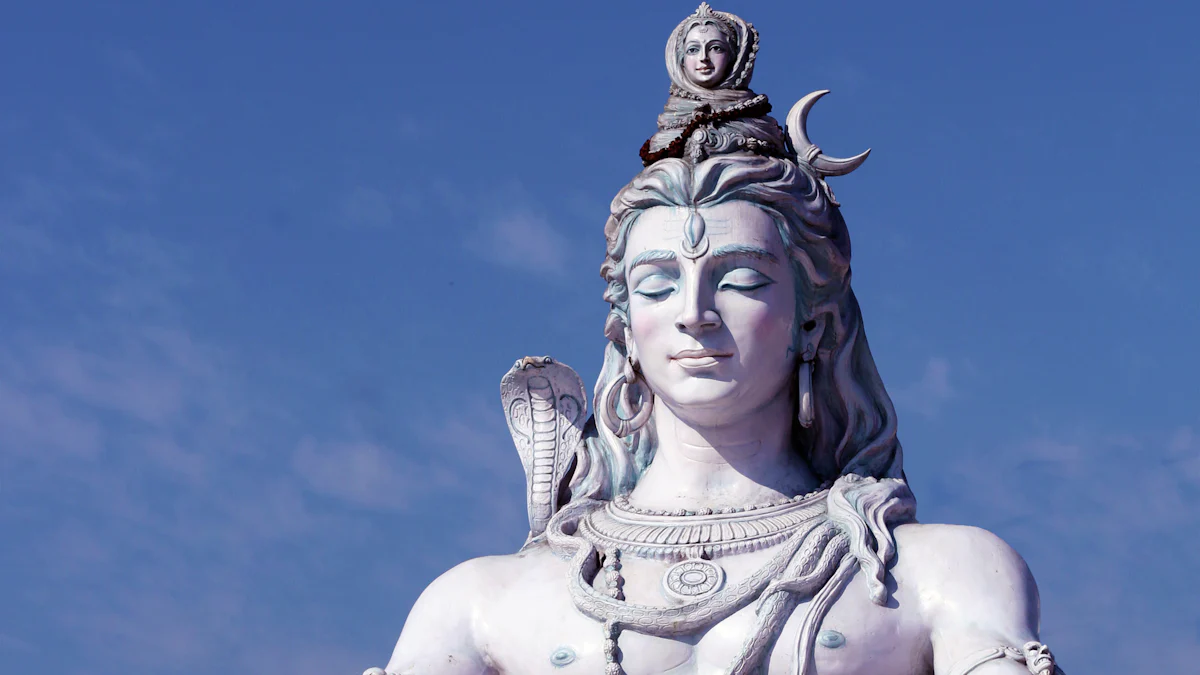
Patanjali's Yoga Sutras and the Eight-Limbed Path
The sage Patanjali holds a pivotal place in the history of yoga. He systematized and codified the practice of yoga through his renowned work, the Yoga Sutras. This ancient text, composed around 200 BCE, serves as a cornerstone of classical yoga philosophy. In the Yoga Sutras, Patanjali introduced the concept of the Eight-Limbed Path, or Ashtanga Yoga, which provides a structured framework for achieving spiritual enlightenment.
The Eight Limbs of Yoga outline a step-by-step guide to self-discipline and inner transformation. These limbs encompass ethical principles, physical practices, and mental disciplines. They are:
Yama – Ethical restraints, such as non-violence (ahimsa) and truthfulness (satya).
Niyama – Personal observances, including cleanliness (shaucha) and contentment (santosha).
Asana – Physical postures that prepare the body for meditation.
Pranayama – Breath control to regulate energy and focus the mind.
Pratyahara – Withdrawal of the senses to turn attention inward.
Dharana – Concentration on a single point or object.
Dhyana – Meditation to achieve a state of uninterrupted focus.
Samadhi – Ultimate absorption or union with universal consciousness.
Each limb builds upon the previous one, guiding you toward a harmonious balance of body, mind, and spirit. For example, practicing asana strengthens your body and prepares it for the stillness required in meditation. Similarly, pranayama helps you control your breath, which calms the mind and enhances concentration.
"Yoga is the cessation of the fluctuations of the mind," Patanjali states in the Yoga Sutras. This profound insight highlights the ultimate goal of yoga: achieving mental clarity and spiritual liberation.
By following the Eight-Limbed Path, you can cultivate a disciplined and purposeful life. Patanjali's teachings continue to influence modern yoga practices, offering timeless wisdom for personal growth and self-realization.
The Rise of Raja Yoga and Mental Discipline
Patanjali's Yoga Sutras also laid the foundation for Raja Yoga, often referred to as the "royal path" of yoga. This branch of yoga emphasizes mental discipline and meditation as the primary means to achieve self-mastery. Raja Yoga focuses on controlling the mind and senses, enabling you to transcend the distractions of the material world.
The practice of Raja Yoga aligns closely with the last three limbs of Patanjali's Eight-Limbed Path: Dharana (concentration), Dhyana (meditation), and Samadhi (absorption). These stages guide you toward a deeper connection with your inner self and the universe. For instance, Dharana trains your mind to focus on a single object, such as a mantra or a candle flame. This practice sharpens your concentration and prepares you for the meditative state of Dhyana.
In Raja Yoga, meditation plays a central role. By meditating regularly, you can quiet your thoughts and access a state of inner stillness. This mental discipline helps you overcome negative emotions and develop a sense of peace and clarity. Ultimately, the goal of Raja Yoga is to reach Samadhi, where you experience unity with the universal consciousness.
"When the mind becomes still, the soul shines in its true essence," Patanjali explains in the Yoga Sutras. This statement underscores the transformative power of mental discipline in yoga.
Raja Yoga offers a profound path for those seeking spiritual growth and self-awareness. Its emphasis on meditation and mental focus makes it a valuable practice for navigating the challenges of modern life. By embracing the principles of Raja Yoga, you can cultivate a calm and centered mind, unlocking your full potential.
The Post-Classical Period: Hatha Yoga and Tantra
The Development of Hatha Yoga and Key Texts
Hatha Yoga emerged as a transformative practice during the post-classical period, focusing on physical techniques to prepare the body for deeper meditation. Unlike earlier forms of yoga, which emphasized philosophical and spiritual exploration, Hatha Yoga introduced a more practical approach. It aimed to balance the body and mind through physical postures (asanas), breath control (pranayama), and cleansing techniques (shatkarmas).
The Hatha Yoga Pradipika, written by Swatmarama in the 15th century, became one of the most influential texts of this tradition. This text provided detailed instructions on various practices, including asanas, pranayama, mudras (gestures), and bandhas (energy locks). For the first time, it introduced poses beyond simple seated postures, marking a significant evolution in yoga's history. The Hatha Yoga Pradipika also emphasized the importance of Mitahara (moderate eating) and internal purification as essential components of the practice.
"Hatha Yoga is the stairway to the heights of Raja Yoga," states the Hatha Yoga Pradipika. This quote highlights how physical discipline serves as a foundation for mental and spiritual growth.
Hatha Yoga's structured approach made it accessible to a broader audience. By focusing on the physical body, it allowed practitioners to build strength, flexibility, and endurance. These qualities prepared them for the stillness required in meditation. The text also outlined techniques to control the breath and energy flow, helping you achieve a state of inner balance and focus.
The Influence of Tantra on Yoga Practices
Tantra played a pivotal role in shaping the evolution of Hatha Yoga. Originating around the 9th century, Tantra introduced a holistic view of the universe, emphasizing the interconnectedness of the physical and spiritual realms. This philosophy influenced yoga by encouraging practitioners to embrace the body as a sacred vessel for spiritual transformation.
Tantric practices often involved rituals, mantras, and visualization techniques to awaken the kundalini energy, believed to reside at the base of the spine. Hatha Yoga adopted these ideas, incorporating methods to activate and channel this energy through the body's energy centers (chakras). Techniques like pranayama and bandhas became essential tools for controlling and directing this energy.
The integration of Tantra into yoga also led to the development of more dynamic and diverse practices. For example, mudras and asanas were designed not only to strengthen the body but also to influence the flow of energy within. This approach reflected Tantra's belief that physical and spiritual practices could coexist and complement each other.
"The body is the temple of the divine," a central tenet of Tantra, underscores the importance of honoring and nurturing the physical self in your spiritual journey.
By blending the physical rigor of Hatha Yoga with the spiritual depth of Tantra, post-classical yoga created a comprehensive system for personal growth. This period laid the groundwork for many modern yoga practices, offering you a path to harmonize your body, mind, and spirit.
The Modern Period: Who Is the Founder of Yoga in the Modern Era?
Swami Vivekananda and Yoga's Introduction to the West
Swami Vivekananda played a transformative role in bringing yoga to the global stage. In 1893, he delivered a groundbreaking speech at the Parliament of Religions in Chicago. His eloquence and profound knowledge captivated the audience, sparking widespread interest in Eastern spirituality. Vivekananda, a disciple of Sri Ramakrishna, introduced yoga as more than just physical postures. He emphasized its philosophical depth and spiritual essence, presenting it as a path to self-realization and universal harmony.
"Yoga is the science of the mind," Vivekananda declared during his lectures, highlighting its relevance beyond cultural boundaries.
Through his tours across Europe and the United States, Vivekananda shared the teachings of yoga and the Yoga Sutras. His efforts laid the foundation for yoga's acceptance in the West. By framing yoga as a universal practice, he bridged the gap between Eastern traditions and Western curiosity. His work answered the question of "who is the founder of yoga in the modern era" by positioning himself as a key figure in its global dissemination.
The Evolution of Modern Yoga Practices
Modern yoga has evolved significantly from its ancient roots. Early 20th-century pioneers like T. Krishnamacharya and his students, including B.K.S. Iyengar and Pattabhi Jois, developed practices that combined traditional techniques with innovative approaches. These teachers emphasized physical postures (asanas) and breath control (pranayama), making yoga accessible to a broader audience.
The rise of Hatha Yoga in the West marked a turning point. Teachers adapted yoga to suit contemporary lifestyles, focusing on health and wellness. Studios began offering classes that prioritized flexibility, strength, and stress relief. This shift transformed yoga into a practical tool for physical and mental well-being.
Today, you can find diverse styles of yoga, from Vinyasa and Ashtanga to Yin and Restorative. Each style caters to different needs, whether you seek relaxation, fitness, or spiritual growth. This adaptability has solidified yoga's place in modern culture, answering the question of "who is the founder of yoga" by showcasing its collective evolution through time.
Yoga's Role in Contemporary Culture and Wellness
Yoga has become a cornerstone of contemporary wellness. Millions of people worldwide practice yoga to improve their physical health, reduce stress, and enhance mental clarity. Its integration into daily routines reflects its versatility and universal appeal. You might notice yoga's influence in workplaces, schools, and even healthcare settings, where it supports mindfulness and emotional resilience.
The global popularity of yoga has also fostered a deeper appreciation for its spiritual roots. Many practitioners explore meditation, chanting, and philosophical teachings alongside physical postures. This holistic approach aligns with yoga's original purpose: uniting the body, mind, and spirit.
"Yoga is not just exercise; it is a way of life," modern teachers often remind their students, emphasizing its transformative potential.
In today's fast-paced world, yoga offers a sanctuary of balance and self-awareness. Its enduring relevance proves that while the question of "who is the founder of yoga" may not have a single answer, its legacy continues to inspire and uplift individuals across generations.
Yoga's journey from ancient spiritual practices to a global phenomenon highlights its timeless relevance. By exploring its origins, you gain a deeper appreciation for the wisdom it offers. Figures like Swami Vivekananda and T. Krishnamacharya played pivotal roles in bringing yoga to the modern world, ensuring its survival and growth. Today, yoga continues to transform lives by promoting physical health, mental clarity, and spiritual growth. It serves as a bridge between ancient traditions and contemporary needs, guiding you toward self-discovery and inner harmony. Yoga remains a profound gift to humanity, inspiring generations to embrace balance and well-being.
See Also
Uncovering Yoga's Historical Development and Ancient Roots
Discovering Yoga's Historical Foundations in Indian Culture
Exploring Yoga's Historical Journey Across the Ages
Examining Yoga's Ancient Practices and Historical Significance

Hi my name is Lia and i am your host in this yoga journey in Portugal, Subscribe to our newsletter to receive every week the best of Yoga in Portugal.

We bring back the importance of initiation into womanhood by Roos-Veerle Krijnen & Ella-June Henrard
Welcome to the Women’s Initiation Retreat by Naked Truth Retreats, a transformative journey into the depths of your True Feminine Nature. This retreat invites you to remember the sacredness and wholeness of your being.
Roos-Veerle Krijnen & Ella-June Henrard