Tracing the Origins of Yoga Through History

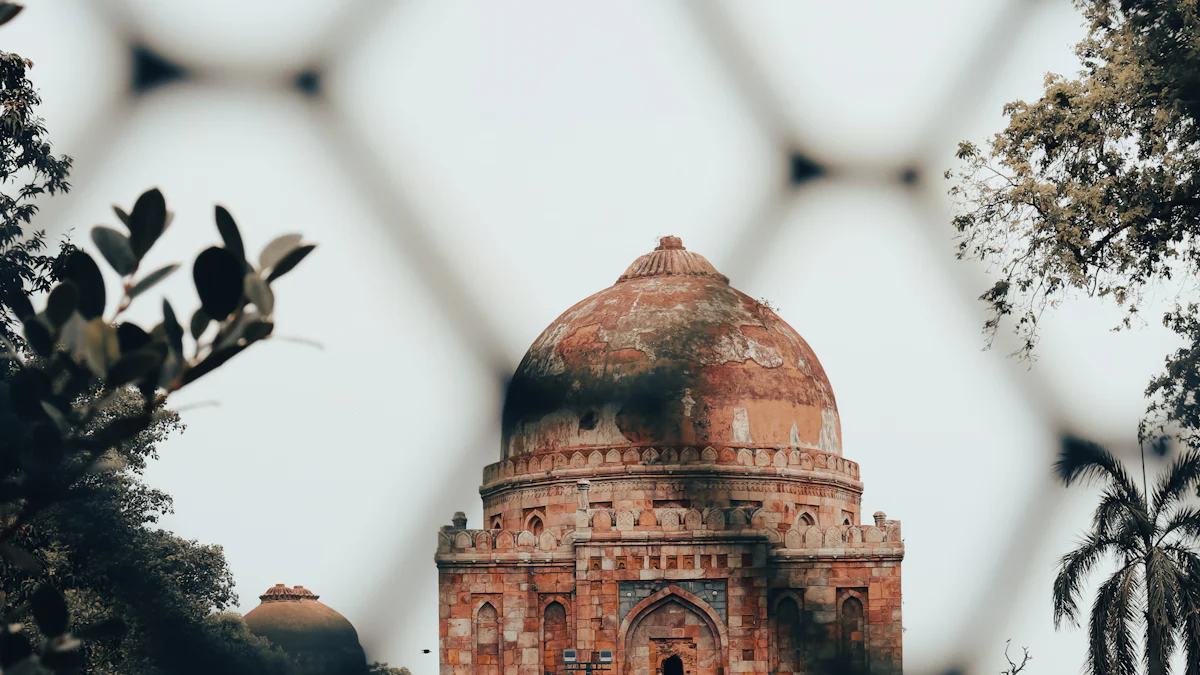
Yoga began over 5,000 years ago in ancient India as a profound spiritual practice. The Indus-Saraswati civilization left behind archaeological evidence, including seals depicting figures in meditative postures, hinting at early yoga traditions. Ancient texts like the Rigveda first referenced yoga, emphasizing rituals and self-realization. While many wonder who created yoga, it is widely recognized that its development was influenced by various sages and traditions over centuries. Today, yoga has transformed into a global phenomenon, with over 38 million practitioners in the United States alone. Its worldwide market value, estimated at $107.1 billion in 2023, reflects its immense popularity. Understanding yoga’s origins helps you connect with its deeper cultural and spiritual significance.
Key Takeaways
Yoga has ancient roots, originating over 5,000 years ago in the Indus-Saraswati civilization, where it was practiced as a means of achieving physical and mental harmony.
The Rigveda, one of the oldest sacred texts, highlights early yoga's focus on meditation and self-discipline, laying the groundwork for its spiritual significance.
Maharishi Patanjali's Yoga Sutras systematized yoga practices into a cohesive framework, introducing the Eight Limbs of Yoga as a guide for personal growth and spiritual enlightenment.
Hatha Yoga emerged as a practical branch of yoga, emphasizing physical postures and breath control to prepare the body for higher states of consciousness.
Modern yoga offers diverse styles catering to various needs, from intense practices like Ashtanga to gentle options like Yin Yoga, making it accessible to everyone.
Yoga promotes holistic health, enhancing physical fitness, mental clarity, and emotional well-being, while fostering mindfulness and resilience in daily life.
Respecting yoga's cultural and spiritual origins enriches your practice, ensuring it remains a meaningful journey of self-discovery and connection.
The Beginnings of Yoga
Roots in the Indus-Saraswati Civilization
Archaeological evidence of early yoga-like practices
The origins of yoga trace back to the ancient Indus-Saraswati Civilization, which flourished over 5,000 years ago in what is now modern-day India and Pakistan. Archaeologists have uncovered seals and artifacts from this period that depict figures seated in meditative postures. These postures resemble the lotus position, a hallmark of yoga practice today. These findings suggest that yoga-like practices were already an integral part of life during this era.
One notable artifact, the Pashupati Seal, portrays a figure surrounded by animals, seated in a posture that resembles a yogic asana. This seal not only highlights the spiritual significance of yoga but also connects it to early meditation and self-discipline practices. Such discoveries provide a glimpse into how yoga may have been used for physical and mental harmony even in ancient times.
The cultural and spiritual context of the Indus Valley
The Indus-Saraswati Civilization thrived on a deep connection with nature and spirituality. The people of this civilization likely viewed yoga as a means to align themselves with the rhythms of the universe. Their practices reflected a balance between the physical and the spiritual, emphasizing inner peace and self-awareness.
Yoga during this time was not just a physical activity. It was a way to explore the connection between the body, mind, and spirit. The emphasis on meditation and mindfulness in these early practices laid the foundation for yoga’s evolution into a holistic discipline. By understanding these roots, you can appreciate how yoga emerged as a tool for self-discovery and spiritual growth.
Early Vedic Traditions and Yoga
The role of the Rigveda in shaping early yoga philosophy
The Rigveda, one of the oldest sacred texts of India, marks the next significant phase in yoga’s history. Composed around 1,500 BCE, it contains hymns and verses that reference meditation, self-discipline, and the pursuit of higher knowledge. These early mentions of yoga highlight its role in fostering a deeper connection with the divine.
The sages of the Vedic period used yoga as a means to achieve spiritual enlightenment. They believed that through meditation and focused breathing, you could transcend the material world and connect with the eternal. This philosophy became the cornerstone of yoga, influencing its development for centuries to come.
“When the five senses and the mind are still, and reason itself rests in silence, then begins the highest path.” – Rigveda
This quote reflects the essence of early yoga philosophy, emphasizing stillness and introspection as pathways to self-realization.
Meditation, rituals, and the spiritual essence of Vedic practices
During the Vedic period, yoga intertwined with rituals and meditation. These practices aimed to harmonize the individual with the cosmos. Rituals often included chanting mantras, performing fire sacrifices, and engaging in meditative states. These elements were not merely religious acts; they were tools to cultivate mindfulness and inner focus.
Meditation played a central role in Vedic yoga. It encouraged practitioners to quiet their minds and seek clarity. This focus on mental discipline and spiritual growth remains a core aspect of yoga today. By practicing these techniques, you can experience the same sense of balance and tranquility that ancient yogis sought thousands of years ago.
The Classical Period
Who Created Yoga? Patanjali and the Yoga Sutras
Maharishi Patanjali’s contributions to yoga philosophy
When you explore the question of who created yoga, the name Maharishi Patanjali often stands out. Living between the 4th and 2nd century BCE, Patanjali played a pivotal role in shaping yoga as we know it today. He compiled the Yoga Sutras, a foundational text that systematized the scattered practices and philosophies of yoga into a cohesive framework. This work marked a turning point in yoga’s history, transforming it from a loosely defined spiritual practice into a structured discipline.
Patanjali’s Yoga Sutras consist of 195 aphorisms, or concise statements, that outline the philosophy and methods of yoga. These aphorisms were designed for easy memorization, ensuring their transmission across generations. Through this text, Patanjali provided a roadmap for achieving harmony between the mind, body, and soul. His contributions continue to influence modern yoga, offering timeless wisdom for both beginners and advanced practitioners.
“Yoga is the cessation of the fluctuations of the mind.” – Yoga Sutras of Patanjali
This quote encapsulates Patanjali’s vision of yoga as a tool for mental stillness and self-realization. By following his teachings, you can cultivate inner peace and clarity in your daily life.
The Yoga Sutras and the Eight Limbs of Yoga
The Yoga Sutras introduced the concept of the Eight Limbs of Yoga, a step-by-step guide to achieving spiritual enlightenment. These limbs include:
Yama: Ethical principles like non-violence and truthfulness.
Niyama: Personal disciplines such as cleanliness and self-study.
Asana: Physical postures that prepare the body for meditation.
Pranayama: Breath control to regulate energy.
Pratyahara: Withdrawal of the senses to focus inward.
Dharana: Concentration on a single point or object.
Dhyana: Meditation for deep contemplation.
Samadhi: A state of blissful union with the divine.
These Eight Limbs serve as a comprehensive framework for personal growth. They emphasize not just physical fitness but also ethical living, mental discipline, and spiritual awakening. By integrating these principles into your practice, you can experience the holistic benefits of yoga.
Systematization of Yoga Practices
The shift from ritualistic to introspective practices
During the classical period, yoga underwent a significant transformation. Earlier practices focused heavily on rituals and external ceremonies. However, Patanjali shifted the emphasis toward introspection and self-discipline. He encouraged practitioners to look inward, using meditation and breath control as tools for self-discovery.
This shift marked a departure from the ritualistic traditions of the Vedic period. Instead of relying on external rituals, you could now focus on mastering your mind and body. This introspective approach made yoga more accessible, allowing individuals to practice it regardless of their religious or cultural background.
The influence of classical Indian philosophy on yoga
Classical Indian philosophies like Sankhya deeply influenced yoga during this period. Sankhya introduced concepts such as Purusha (the eternal self) and Prakriti (the material world), which became integral to yogic thought. While Sankhya denied the existence of a creator god, yoga expanded on its ideas by incorporating both knowledge (Jnana) and meditation (Dhyana).
Patanjali’s work also reflected these philosophical influences. He blended the analytical approach of Sankhya with practical techniques for achieving spiritual liberation. This synthesis created a balanced system that addressed both the intellectual and experiential aspects of yoga.
By understanding these philosophical roots, you can appreciate the depth and richness of yoga as a discipline. It’s not just a physical practice; it’s a profound journey toward self-awareness and inner peace.
The Post-Classical Period
The Development of Hatha Yoga
Focus on physical postures, breath control, and energy
Hatha Yoga emerged during the post-classical period as a transformative branch of yoga. It shifted the focus toward physical postures (asanas), breath control (pranayama), and the management of energy within the body. Unlike earlier forms of yoga that emphasized meditation and spiritual enlightenment, Hatha Yoga introduced a more practical approach. It aimed to prepare the body for higher states of consciousness by strengthening it and balancing its energies.
This form of yoga teaches you how to harmonize your physical and mental states. Through controlled breathing and deliberate movements, you can cultivate inner strength and clarity. Hatha Yoga also emphasizes the importance of channeling energy through the body’s subtle pathways, known as nadis. This practice helps you achieve a state of balance and vitality, making it a cornerstone of modern yoga.
Key texts like the Hatha Yoga Pradipika and their impact
The Hatha Yoga Pradipika, written by Swami Svatmarama in the 15th century, stands as one of the most influential texts on Hatha Yoga. This seminal work outlines the principles and practices of Hatha Yoga in a systematic way. It provides detailed instructions on physical postures, breathing techniques, and energy control, offering a comprehensive guide for practitioners.
The text highlights the importance of mastering specific postures to purify the body and mind. It also introduces techniques like shatkarma (cleansing practices) and bandhas (energy locks) to enhance physical and spiritual well-being. By following these teachings, you can experience a deeper connection between your body and mind.
“When the body is healthy and the mind is calm, the path to self-realization becomes clear.” – Hatha Yoga Pradipika
This quote reflects the essence of Hatha Yoga, emphasizing the role of physical discipline in achieving spiritual growth. The Hatha Yoga Pradipika continues to inspire yoga practitioners worldwide, bridging ancient wisdom with modern practices.
Bhakti Yoga and Devotional Practices
The integration of devotion and spirituality into yoga
Bhakti Yoga, often referred to as the yoga of devotion, emerged as a powerful spiritual practice during the post-classical period. It focuses on cultivating love and devotion toward a higher power or divine presence. Unlike other forms of yoga that emphasize physical or mental discipline, Bhakti Yoga encourages you to open your heart and surrender to the divine.
This practice integrates chanting, prayer, and devotional rituals into yoga. Through these acts, you can foster a sense of connection and unity with the universe. Bhakti Yoga teaches that devotion transcends the ego, allowing you to experience unconditional love and spiritual fulfillment.
The role of spiritual teachers in spreading Bhakti Yoga
Spiritual teachers, or gurus, played a pivotal role in spreading Bhakti Yoga. Figures like Ramakrishna and Mirabai inspired countless followers through their unwavering devotion and teachings. These teachers emphasized the importance of love and surrender in achieving spiritual liberation.
Bhakti Yoga also gained prominence through devotional songs and poetry. Compositions by saints like Kabir and Tulsidas continue to resonate with practitioners, offering timeless lessons on faith and devotion. By embracing Bhakti Yoga, you can explore a path that nurtures both your heart and soul.
“Love is the bridge between you and everything.” – Rumi
This quote beautifully captures the spirit of Bhakti Yoga, reminding you that devotion can lead to profound spiritual transformation. Through this practice, you can discover a deeper sense of purpose and connection in your yoga journey.
Yoga in the Modern Era
The Global Spread of Yoga
Swami Vivekananda and the Parliament of Religions
Swami Vivekananda played a pivotal role in introducing yoga to the Western world. In 1893, he delivered a groundbreaking speech at the Parliament of Religions in Chicago. His words captivated the audience, offering them a glimpse into the depth of Hindu philosophy and yoga. Known as the "cyclonic monk" by the American media, Vivekananda’s charisma and wisdom left a lasting impression.
Following this historic event, Vivekananda traveled extensively across the United States, the United Kingdom, and Europe. He delivered lectures that emphasized yoga as a path to self-realization and holistic well-being. In 1894, he established the Vedanta Society of New York, which became a hub for spreading Indian spiritual teachings. Two years later, he published Raja Yoga, a commentary on Patanjali’s Yoga Sutras. This book introduced Western audiences to the philosophical and practical aspects of yoga, shaping their understanding of this ancient practice.
“Yoga is not merely a physical exercise but a comprehensive approach to achieving optimal health and well-being.” – Swami Vivekananda
Through his efforts, Vivekananda built a bridge between Eastern and Western cultures. His teachings inspired countless individuals to explore yoga as a means of connecting the mind, body, and soul.
Western interest in Indian spirituality and yoga
The late 19th and early 20th centuries saw a surge of interest in Indian spirituality among Western audiences. Yoga, with its promise of inner peace and self-discovery, resonated deeply with those seeking alternatives to materialism. Vivekananda’s lectures and writings sparked curiosity, leading many to explore the philosophical roots of yoga.
Western scholars and practitioners began studying ancient texts like the Upanishads and the Yoga Sutras. They sought to understand the spiritual essence of yoga beyond its physical postures. This intellectual engagement laid the groundwork for yoga’s global spread, transforming it into a universal practice.
Key Figures in Modern Yoga
Krishnamacharya’s revival of physical yoga practices
Tirumalai Krishnamacharya, often regarded as the father of modern yoga, revolutionized the way yoga is practiced today. Born in 1888, he dedicated his life to reviving traditional yoga and adapting it to contemporary needs. Krishnamacharya emphasized the importance of physical postures (asanas) and breath control (pranayama) as tools for achieving mental clarity and spiritual growth.
Krishnamacharya’s teachings combined ancient wisdom with innovative methods. He believed that yoga should be tailored to suit individual needs, making it accessible to people of all ages and abilities. His approach laid the foundation for many modern yoga styles, including Vinyasa and Ashtanga.
Krishnamacharya also trained some of the most influential yoga teachers of the 20th century. His students, such as B.K.S. Iyengar and Pattabhi Jois, carried his legacy forward, spreading yoga to every corner of the globe.
Contributions of B.K.S. Iyengar, Indra Devi, and others
B.K.S. Iyengar, one of Krishnamacharya’s most famous students, played a crucial role in popularizing yoga worldwide. He developed Iyengar Yoga, a style that focuses on precision and alignment in postures. Iyengar’s use of props, such as blocks and straps, made yoga accessible to beginners and individuals with physical limitations. His book Light on Yoga became a global bestseller, inspiring millions to embrace yoga as a way of life.
Indra Devi, another prominent figure, broke barriers as one of the first women to teach yoga in the West. Born in Latvia, she studied under Krishnamacharya and later introduced yoga to Hollywood in the 1940s. Her teachings attracted celebrities and ordinary individuals alike, making yoga a mainstream practice in the United States.
Other influential figures, such as Pattabhi Jois and Swami Sivananda, contributed to the evolution of modern yoga. Jois developed Ashtanga Yoga, a dynamic and physically demanding style, while Sivananda emphasized the integration of physical, mental, and spiritual practices.
These pioneers transformed yoga from a niche spiritual discipline into a global phenomenon. Their contributions continue to shape the way you experience yoga today, whether through a studio class or a personal practice at home.
Yoga Today
Contemporary Yoga Practices
The diversity of yoga styles in the modern world
Yoga today offers a wide variety of styles, each catering to different needs and preferences. You can explore physically intense practices like Ashtanga Yoga or Power Yoga, which focus on building strength and endurance. If you prefer a slower pace, Yin Yoga emphasizes deep stretches and relaxation. For those seeking a balance between movement and mindfulness, Vinyasa Yoga provides a flowing sequence of poses synchronized with breath.
Modern yoga also includes specialized styles that address specific goals. Prenatal Yoga supports expectant mothers, while Chair Yoga makes the practice accessible to individuals with limited mobility. These adaptations ensure that yoga remains inclusive and relevant in today’s world.
“Yoga is not one-size-fits-all. It evolves to meet the needs of every individual.” – Anonymous
This diversity reflects yoga’s adaptability. Whether you seek physical fitness, mental clarity, or spiritual growth, there is a style that aligns with your goals. By exploring these options, you can find a practice that resonates with your unique journey.
Yoga’s role in health, wellness, and mindfulness
Yoga has become a cornerstone of health and wellness in modern life. Its physical benefits include improved flexibility, strength, and posture. Regular practice can also enhance your cardiovascular health and reduce chronic pain. Beyond the physical, yoga promotes mental well-being by reducing stress and anxiety.
Mindfulness plays a central role in yoga. Through focused breathing and meditation, you learn to stay present and cultivate inner peace. This practice helps you manage daily challenges with greater resilience and clarity. Studies have shown that yoga can improve sleep quality, boost mood, and even enhance cognitive function.
“Yoga teaches you how to listen to your body and mind, fostering a deeper connection with yourself.” – Anonymous
By integrating yoga into your routine, you can experience a holistic approach to wellness. It empowers you to take charge of your physical and mental health, creating a balanced and fulfilling life.
Honoring Yoga’s Cultural and Spiritual Roots
Yoga as a bridge between ancient wisdom and modern life
Yoga serves as a bridge that connects ancient traditions with contemporary living. Its roots lie in spiritual practices that aimed to harmonize the body, mind, and soul. Today, yoga continues to offer timeless wisdom that helps you navigate the complexities of modern life.
Traditional yoga emphasized self-awareness and inner peace. Modern yoga builds on this foundation, offering practical tools for managing stress and improving well-being. While traditional yoga focused on spiritual enlightenment, modern yoga often prioritizes physical health and mental clarity. Both approaches complement each other, creating a practice that is both meaningful and accessible.
“Yoga is the journey of the self, through the self, to the self.” – Bhagavad Gita
This quote reminds you that yoga transcends time and culture. By embracing its ancient teachings, you can enrich your modern practice and deepen your understanding of life.
The importance of respecting yoga’s origins in its global practice
As yoga continues to grow globally, it is essential to honor its cultural and spiritual origins. Yoga originated in ancient India as a sacred practice rooted in Hindu philosophy. Understanding its history helps you appreciate its depth and significance.
When practicing yoga, you can show respect by learning about its traditions and values. Acknowledge the contributions of ancient sages and texts like the Yoga Sutras and the Bhagavad Gita. Avoid reducing yoga to mere physical exercise. Instead, embrace its holistic nature, which integrates ethics, mindfulness, and spirituality.
“Respecting yoga’s roots enriches your practice and fosters a deeper connection with its essence.” – Anonymous
By honoring yoga’s origins, you contribute to preserving its authenticity. This respect ensures that yoga remains a meaningful and transformative practice for generations to come.
Yoga’s journey from an ancient spiritual practice to a global phenomenon reflects its profound adaptability and timeless relevance. Figures like Patanjali, who created yoga’s foundational framework through the Yoga Sutras, have shaped its philosophy and practice. Today, yoga continues to promote physical vitality, mental clarity, and spiritual growth, offering a holistic approach to well-being. By honoring yoga’s cultural and historical roots, you deepen your connection to its essence. This respect ensures that your practice remains authentic, bridging ancient wisdom with modern life.
See Also
Uncovering Yoga's Ancient Beginnings and Evolution
Exploring Yoga's Historical Journey Through the Ages
Investigating Yoga's Historical Foundations in India
Hi my name is Lia and i am your host in this yoga journey in Portugal, Subscribe to our newsletter to receive every week the best of Yoga in Portugal.

We bring back the importance of initiation into womanhood by Roos-Veerle Krijnen & Ella-June Henrard
Welcome to the Women’s Initiation Retreat by Naked Truth Retreats, a transformative journey into the depths of your True Feminine Nature. This retreat invites you to remember the sacredness and wholeness of your being.
Roos-Veerle Krijnen & Ella-June Henrard