Understanding What Yoga Nidra Means and Its Purpose

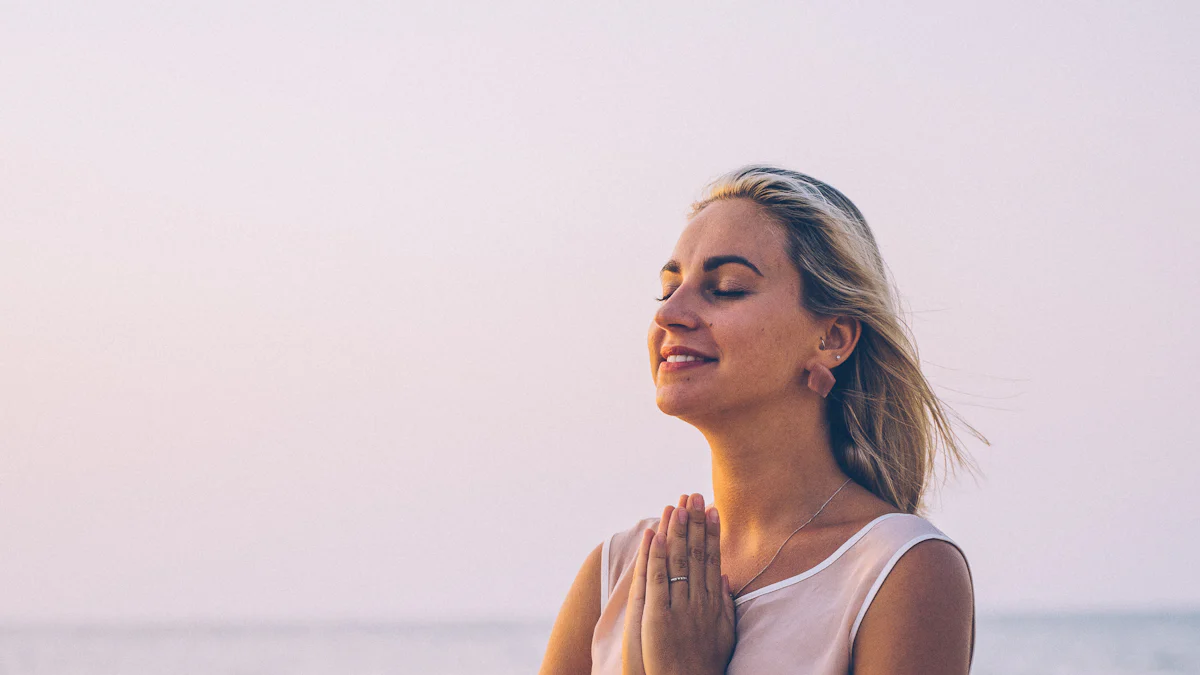
Yoga Nidra invites you into a state of conscious relaxation, where your body rests deeply while your mind remains aware. But what is Yoga Nidra? Unlike ordinary sleep, this practice allows you to experience profound rest and rejuvenation. It serves as a gateway to self-awareness, helping you connect with your inner self. Studies reveal that Yoga Nidra reduces stress, enhances emotional balance, and improves overall well-being. By practicing it regularly, you can unlock a sense of calm and clarity that transforms your daily life. This ancient technique offers a simple yet powerful way to nurture your mind, body, and spirit.
Key Takeaways
Yoga Nidra is a unique practice that combines deep relaxation with conscious awareness, allowing for profound rest and rejuvenation.
Regular practice of Yoga Nidra can significantly reduce stress, anxiety, and insomnia, promoting overall emotional balance and well-being.
This practice is accessible to everyone, requiring no special skills or physical strength, making it ideal for beginners and those with limited mobility.
Incorporating Yoga Nidra into your routine can enhance sleep quality, helping you wake up refreshed and ready to face the day.
Yoga Nidra fosters self-awareness and personal growth by connecting you with your inner self and subconscious mind.
To maximize the benefits, practice Yoga Nidra consistently, create a calming environment, and set a positive intention before each session.
Combining Yoga Nidra with meditation can provide a holistic approach to well-being, addressing both relaxation and mindfulness.
What Is Yoga Nidra?
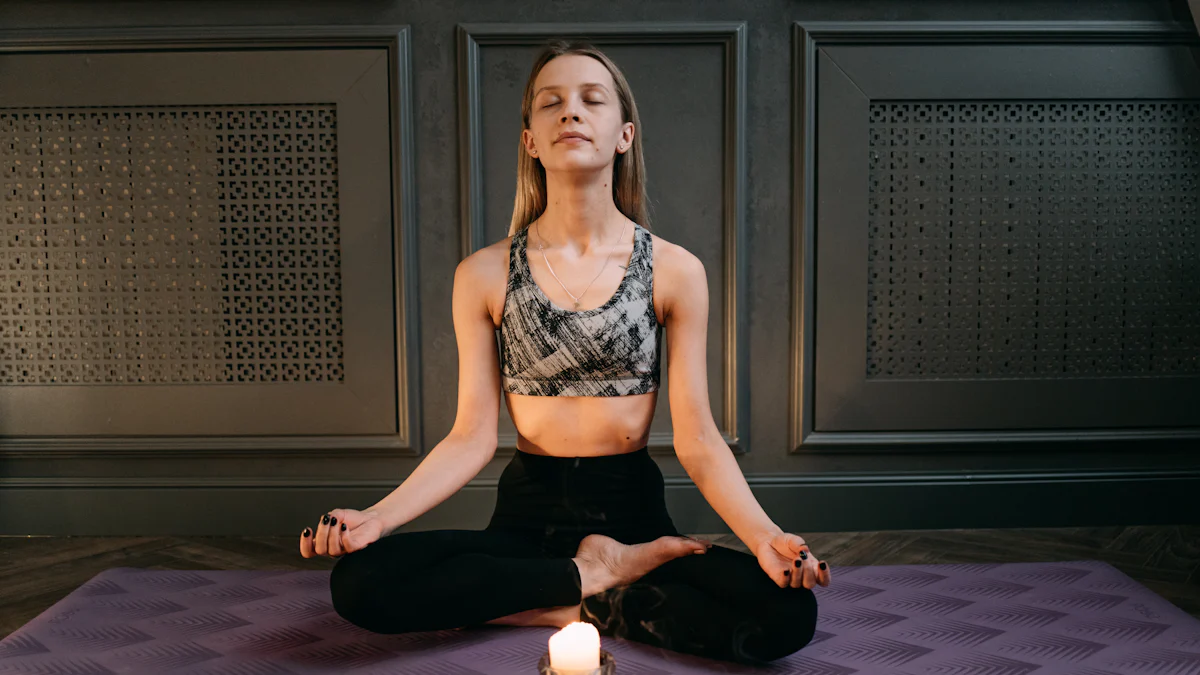
Yoga Nidra, often referred to as "yogic sleep," is a transformative practice that bridges the gap between wakefulness and deep sleep. It invites you to rest your body while keeping your mind consciously aware. Unlike traditional sleep, this state allows you to experience profound relaxation and heightened self-awareness simultaneously. Through guided instructions, you enter a serene mental space where your senses withdraw, and your body begins to heal and restore itself.
This practice is typically performed in a supine position, often in Shavasana or "corpse pose." You follow a systematic process of focusing on different parts of your body, which helps you release tension and achieve a state of deep calm. Yoga Nidra is not just about relaxation; it is a journey inward, offering you the opportunity to connect with your subconscious mind and unlock its potential.
The Meaning of Yoga Nidra
The term "Yoga Nidra" comes from the Sanskrit words "yoga," meaning union, and "nidra," meaning sleep. However, this is not ordinary sleep. It is a conscious state where your mind remains active while your body rests deeply. This unique combination creates a powerful tool for self-discovery and healing.
Yoga Nidra allows you to access a state of awareness that lies between being awake and asleep. In this state, your brain waves slow down, mimicking the patterns of deep sleep. This process helps you release stress, calm your nervous system, and rejuvenate your mind and body. By practicing Yoga Nidra, you can cultivate a sense of inner peace and clarity that extends into your daily life.
The Purpose of Yoga Nidra
The primary purpose of Yoga Nidra is to guide you toward holistic well-being. It serves as a therapeutic tool for addressing both mental and physical challenges. Research highlights its effectiveness in reducing stress, anxiety, and insomnia. It also supports the management of chronic conditions like hypertension, diabetes, and cardiovascular diseases.
Yoga Nidra empowers you to take control of your mental and emotional health. It helps you break free from the cycle of overthinking and stress by creating a space for deep relaxation. This practice also enhances your self-awareness, enabling you to understand your thoughts and emotions better. Over time, it fosters a sense of balance and harmony within you.
By incorporating Yoga Nidra into your routine, you can experience its transformative effects. It offers you a simple yet profound way to nurture your mind, body, and spirit. Whether you seek relief from stress or a deeper connection with yourself, Yoga Nidra provides a pathway to achieve your goals.
A Brief History of Yoga Nidra
Origins in Ancient Yogic Traditions
Yoga Nidra traces its roots back thousands of years to ancient India, where it emerged as a profound practice within yogic and spiritual traditions. Its foundation lies in the Sankhya philosophy, one of the oldest schools of Indian thought, which emphasizes the duality of consciousness and matter. Over time, this practice evolved through the teachings of Advaita Vedanta and the Tantric philosophies of Kashmir Shaivism. These traditions enriched Yoga Nidra, shaping it into a tool for self-realization and inner transformation.
Ancient texts on Tantra Yoga describe Yoga Nidra as a method for achieving deep relaxation and heightened awareness. Practitioners used it to explore the subconscious mind and connect with their higher selves. Even Hindu epics reference this practice, associating it with Lord Vishnu’s meditative sleep, symbolizing cosmic balance and renewal. This connection highlights the spiritual significance of Yoga Nidra in ancient times.
Yoga Nidra was not merely a relaxation technique; it was a gateway to profound self-awareness. It allowed practitioners to transcend the physical realm and access deeper states of consciousness. This ancient wisdom continues to inspire modern practices, offering you a timeless path to inner peace and clarity.
Its Evolution Over Time
The journey of Yoga Nidra from ancient India to the modern world reflects its adaptability and enduring relevance. While its origins remain deeply rooted in spiritual traditions, its evolution has made it accessible to people across cultures. In the mid-20th century, Swami Satyananda Saraswati played a pivotal role in formalizing and popularizing Yoga Nidra. He systematized the practice, creating a structured approach that combined ancient techniques with modern insights.
Other influential figures, such as Swami Sivananda and Swami Veda Bharati, further expanded its reach. They emphasized its therapeutic benefits, showcasing how Yoga Nidra could address stress, anxiety, and other challenges of modern life. Their efforts transformed Yoga Nidra from a little-known practice into a widely recognized form of meditation and mind-body therapy.
Today, Yoga Nidra continues to evolve. It has been adapted to suit the needs of diverse audiences, from spiritual seekers to individuals looking for stress relief. Despite these adaptations, its essence remains unchanged. It still serves as a bridge between wakefulness and sleep, guiding you toward holistic well-being. By practicing Yoga Nidra, you connect with an ancient tradition that has stood the test of time, offering you a powerful tool for relaxation and self-discovery.
How Yoga Nidra Differs from Meditation
Yoga Nidra and meditation share similarities, but they serve distinct purposes and follow different approaches. Understanding these differences can help you choose the practice that aligns with your needs and goals.
Key Differences Between Yoga Nidra and Meditation
Yoga Nidra invites you into a state of deep relaxation, often described as "yogic sleep." During this practice, you lie down in a comfortable position, usually Shavasana, and follow guided instructions. Your senses withdraw, and your body enters a state of profound rest. Unlike meditation, which often requires focus on a single point or thought, Yoga Nidra encourages you to let go of focus entirely. This process allows your mind and body to relax deeply while maintaining a level of awareness.
Meditation, on the other hand, typically involves sitting upright and concentrating on a specific object, mantra, or breath. It aims to quiet the mind and cultivate mindfulness. While meditation requires active engagement and mental effort, Yoga Nidra takes you on a passive journey inward. You simply follow the guidance, allowing your mind to drift into a state between wakefulness and sleep.
Another key difference lies in their effects on the brain. Yoga Nidra slows down your brain waves, mimicking the patterns of deep sleep. This shift promotes healing and rejuvenation. Meditation, however, often focuses on enhancing concentration and awareness by maintaining a steady flow of thought. Both practices offer unique benefits, but their methods and outcomes differ significantly.
How Yoga Nidra and Meditation Complement Each Other
Yoga Nidra and meditation are not mutually exclusive. In fact, they complement each other beautifully. Yoga Nidra provides a foundation of relaxation, preparing your mind and body for deeper meditation. By releasing tension and calming your nervous system, it creates an ideal state for mindfulness practices.
Meditation, in turn, enhances the benefits of Yoga Nidra by sharpening your focus and awareness. While Yoga Nidra helps you connect with your subconscious mind, meditation strengthens your ability to stay present in the moment. Together, these practices form a holistic approach to well-being, addressing both relaxation and mindfulness.
You can incorporate both into your routine to experience their combined effects. Start with Yoga Nidra to unwind and release stress, then transition into meditation to cultivate clarity and focus. This combination allows you to nurture your mind, body, and spirit in a balanced way.
"Yoga Nidra teaches you how to relax deeply, while meditation shows you how to live mindfully. Together, they guide you toward a state of harmony and inner peace."
By understanding the differences and synergies between Yoga Nidra and meditation, you can make informed choices about your practice. Whether you seek relaxation, mindfulness, or both, these ancient techniques offer powerful tools for personal growth and well-being.
Benefits of Yoga Nidra

Physical Benefits
Yoga Nidra offers profound physical benefits that can transform your well-being. This practice promotes deep relaxation, which helps your body recover from daily stress. By slowing down your brain waves, Yoga Nidra activates the parasympathetic nervous system, often referred to as the "rest and digest" mode. This activation reduces cortisol levels, alleviating stress-related symptoms like fatigue and muscle tension.
Studies reveal that Yoga Nidra can help manage chronic pain by increasing the release of endorphins and oxytocin. These natural chemicals act as pain relievers, soothing discomfort and promoting a sense of ease. Additionally, Yoga Nidra supports hormonal balance, which can improve conditions like diabetes and thyroid disorders. It also enhances sleep quality, making it an effective tool for managing insomnia and other sleep disturbances.
"Yoga Nidra allows your body to heal and restore itself, offering you a pathway to physical vitality and resilience."
By practicing Yoga Nidra regularly, you can experience improved energy levels, better sleep, and relief from physical ailments. This simple yet powerful technique nurtures your body, helping you feel rejuvenated and strong.
Mental Benefits
Yoga Nidra is a sanctuary for your mind, offering relief from the mental chaos of daily life. It has been scientifically proven to reduce anxiety and stress more effectively than traditional seated meditation. Research involving college professors demonstrated that Yoga Nidra significantly lowered anxiety levels, providing a sense of calm and clarity.
This practice also enhances cognitive functions like learning and memory. By guiding you into a state of deep relaxation, Yoga Nidra allows your brain to process and retain information more efficiently. University students who practiced Yoga Nidra reported a noticeable boost in self-esteem and a dramatic reduction in life stress intensity.
Yoga Nidra helps you break free from overthinking by creating a mental space for stillness and reflection. It fosters emotional balance, enabling you to manage your thoughts and feelings with greater ease. Over time, this practice cultivates a sense of inner peace that extends into your daily interactions.
"Yoga Nidra empowers your mind, helping you navigate life's challenges with clarity and confidence."
By incorporating Yoga Nidra into your routine, you can unlock its mental health benefits. It offers you a chance to reset your mind, leaving you feeling refreshed and focused.
Spiritual Benefits
Yoga Nidra goes beyond the physical and mental realms, offering profound spiritual benefits. This practice connects you with your inner self, guiding you toward self-awareness and personal growth. By accessing the subconscious mind, Yoga Nidra helps you uncover hidden truths about yourself, fostering a deeper understanding of your purpose and potential.
In ancient traditions, Yoga Nidra was considered a gateway to higher states of consciousness. It allows you to transcend the limitations of the physical world, offering a glimpse into the infinite possibilities of your spirit. This connection can inspire a sense of unity and harmony, both within yourself and with the world around you.
Regular practice of Yoga Nidra can also deepen your meditation experience. It prepares your mind and body for spiritual exploration, creating a foundation for mindfulness and introspection. As you journey inward, you may discover a profound sense of peace and fulfillment that transforms your perspective on life.
"Yoga Nidra invites you to explore the depths of your being, unlocking a sense of purpose and spiritual clarity."
By embracing Yoga Nidra, you can nurture your spirit and embark on a journey of self-discovery. This practice offers you a unique opportunity to connect with your true self, enriching your life in ways you never imagined.
How to Practice Yoga Nidra
Preparing for the Practice
Preparation is key to experiencing the full benefits of Yoga Nidra. Begin by choosing a quiet and comfortable space where you won’t face interruptions. Dim the lights or use soft lighting to create a calming atmosphere. If possible, practice at the end of the day when your body and mind are ready to unwind.
Wear loose, comfortable clothing that allows your body to relax fully. Gather props like a yoga mat, blanket, or cushion to support your body. A blanket can keep you warm, while a cushion under your knees or head can enhance comfort. Lie down in Shavasana, the corpse pose, with your arms relaxed by your sides and palms facing upward.
Set an intention, or Sankalpa, before starting. This intention acts as a guiding force for your practice. It could be something simple like “I am calm” or “I embrace inner peace.” Keep this intention short and positive, as it will anchor your mind during the session.
"Your preparation sets the tone for your Yoga Nidra journey. A peaceful environment and a clear intention create the foundation for deep relaxation."
Steps to Perform Yoga Nidra
Yoga Nidra follows a structured process that guides you into a state of deep relaxation. Here’s how you can perform it step by step:
Settle into Position: Lie down in Shavasana. Close your eyes and take a few deep breaths to center yourself. Allow your body to sink into the surface beneath you.
Body Awareness: Begin with a systematic rotation of consciousness. Focus on different parts of your body, starting from your toes and moving upward. Bring your attention to each area, releasing tension as you go.
Breath Awareness: Shift your focus to your breath. Observe its natural rhythm without trying to control it. Feel the rise and fall of your abdomen with each inhale and exhale.
Visualization: Engage your mind with guided imagery. Picture serene landscapes, such as a peaceful forest or a calm ocean. This visualization helps deepen your relaxation and quiets mental chatter.
Affirmations and Intention: Recall your Sankalpa. Repeat it silently to yourself with conviction. This step reinforces your intention and aligns your subconscious mind with your goals.
Return to Awareness: Gradually bring your awareness back to your body and surroundings. Wiggle your fingers and toes, then slowly open your eyes. Take a moment to reflect on your experience before getting up.
"Yoga Nidra is a journey inward. Each step guides you closer to a state of profound relaxation and self-awareness."
Tips for Success
To make the most of your Yoga Nidra practice, consider these practical tips:
Consistency Matters: Practice regularly to experience lasting benefits. Even 20 minutes a day can make a difference.
Use Guided Sessions: Beginners may find it helpful to follow a guided Yoga Nidra recording or work with an experienced teacher. This ensures you stay on track and fully immerse yourself in the process.
Experiment with Timing: While evenings are ideal, you can also practice Yoga Nidra during the day to recharge. Find a time that works best for your schedule and energy levels.
Be Patient: Results may not appear overnight. Approach each session with an open mind and allow the practice to unfold naturally.
Keep a Journal: After each session, jot down your thoughts and feelings. This helps you track your progress and deepen your self-awareness.
"Yoga Nidra is a practice of patience and self-compassion. Trust the process, and you’ll uncover its transformative power."
By preparing thoughtfully, following the steps, and applying these tips, you can unlock the full potential of Yoga Nidra. This practice offers you a sanctuary of peace and a pathway to holistic well-being.
Why You Should Try Yoga Nidra
Its Accessibility for Everyone
Yoga Nidra welcomes everyone, regardless of age, fitness level, or experience. You don’t need to twist into complex poses or maintain intense focus. Instead, you simply lie down, close your eyes, and follow guided instructions. This simplicity makes it an ideal practice for beginners and seasoned practitioners alike.
Unlike other forms of yoga or meditation, Yoga Nidra doesn’t demand physical strength or flexibility. It’s perfect for those with limited mobility or chronic pain. Even if you’ve never tried yoga before, you can easily embrace this practice. All you need is a quiet space and a willingness to relax.
“Yoga Nidra meets you where you are. It doesn’t ask for perfection; it invites you to rest and reconnect with yourself.”
This practice also fits seamlessly into your daily routine. Whether you have 10 minutes or an hour, you can adjust the session to suit your schedule. You can practice it in the morning to set a calm tone for your day or in the evening to unwind and prepare for restful sleep. Its adaptability ensures that anyone can benefit from its transformative effects.
Yoga Nidra’s accessibility extends beyond physical ease. It requires no special equipment or prior knowledge. You can start with a guided recording or attend a class, making it a cost-effective and approachable way to nurture your well-being.
Its Potential to Transform Your Well-Being
Yoga Nidra holds the power to transform your life by addressing your mind, body, and spirit. Regular practice helps you release stress and tension, creating space for peace and clarity. It calms your nervous system, which improves your ability to handle daily challenges with resilience.
One of its most remarkable benefits lies in its ability to improve sleep quality. If you struggle with insomnia or restless nights, Yoga Nidra can guide you into a state of deep relaxation. By balancing your nervous system, it makes it easier for you to transition into restful sleep. According to BetterSleep.com, this practice has shown significant success in alleviating sleep-related issues.
“Yoga Nidra doesn’t just help you sleep better; it helps you wake up feeling refreshed and ready to embrace the day.”
Beyond physical relaxation, Yoga Nidra fosters emotional balance. It allows you to explore your thoughts and feelings without judgment, helping you process emotions and gain self-awareness. Over time, this practice cultivates a sense of inner harmony that radiates into every aspect of your life.
Spiritually, Yoga Nidra connects you with your deeper self. It encourages introspection and personal growth, guiding you toward a greater understanding of your purpose. This connection inspires a sense of fulfillment and joy that transforms how you experience the world.
By trying Yoga Nidra, you open the door to a practice that nurtures your entire being. It’s more than relaxation—it’s a journey toward a healthier, happier, and more balanced life.
Yoga Nidra offers you a pathway to profound relaxation and self-discovery. By guiding your body into deep rest while keeping your mind aware, it promotes healing, reduces stress, and enhances emotional balance. Its simplicity and accessibility make it suitable for everyone, regardless of experience or physical ability.
This practice empowers you to break free from stress patterns, improve sleep, and nurture your overall well-being. Whether you seek calm, clarity, or personal growth, Yoga Nidra provides a gentle yet transformative approach. Embrace this practice today and take a step toward a more balanced and harmonious life.
See Also
Unveiling The Research Behind Yoga Nidra Advantages
Examining The Focus Of Yoga Day 2021 And Its Effects
Recognizing The Significance Of Yoga In Modern Society

Hi my name is Lia and i am your host in this yoga journey in Portugal, Subscribe to our newsletter to receive every week the best of Yoga in Portugal.

We bring back the importance of initiation into womanhood by Roos-Veerle Krijnen & Ella-June Henrard
Welcome to the Women’s Initiation Retreat by Naked Truth Retreats, a transformative journey into the depths of your True Feminine Nature. This retreat invites you to remember the sacredness and wholeness of your being.
Roos-Veerle Krijnen & Ella-June Henrard