What Yoga Nidra Means and Why It Matters

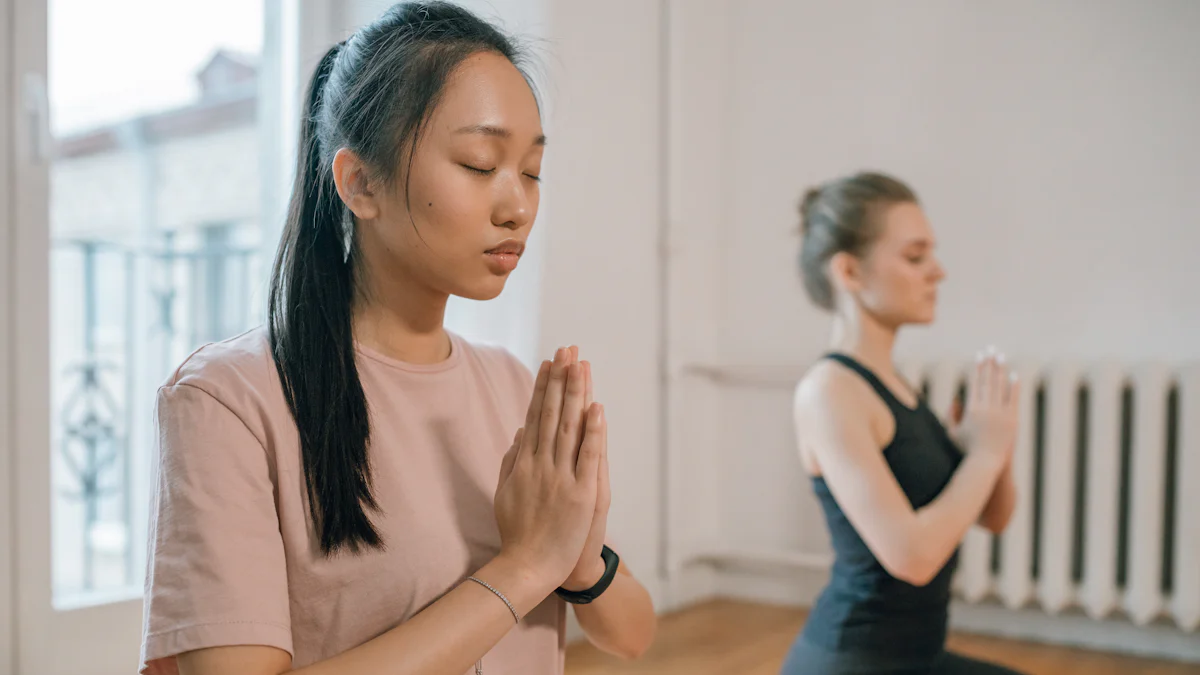
What is yoga nidra? Yoga nidra, often referred to as "yogic sleep," is a profound state of conscious relaxation. Unlike regular sleep, it allows your body to rest deeply while your mind stays aware. This practice bridges the gap between wakefulness and sleep, offering a unique opportunity to rejuvenate both body and mind. Studies have shown that yoga nidra promotes deep relaxation, reduces stress, and enhances self-awareness. By tapping into this state, you can experience holistic well-being, improved emotional balance, and a sense of inner peace. Its simplicity and accessibility make it a powerful tool for anyone seeking rest and renewal.
Key Takeaways
Yoga Nidra, or 'yogic sleep,' is a unique practice that promotes deep relaxation while keeping the mind aware, bridging the gap between wakefulness and sleep.
Regular practice of Yoga Nidra can significantly reduce stress and improve sleep quality by lowering cortisol levels and calming the nervous system.
This practice enhances mental clarity and emotional resilience, providing a safe space for healing and self-discovery.
Yoga Nidra is accessible to everyone, regardless of age or physical ability, making it an ideal tool for managing stress and anxiety.
Incorporating Yoga Nidra into your daily routine can foster mindfulness, balance, and overall well-being, transforming your approach to life's challenges.
Setting a clear intention before each session can enhance the effectiveness of your practice, guiding your mind and body toward your desired outcomes.
Reflecting on your experiences after each session can deepen your understanding of Yoga Nidra's impact and help track your progress over time.
What Is Yoga Nidra?
The Meaning and Concept of Yoga Nidra
Yoga nidra, often called "yogic sleep," translates directly to "yoga" meaning union and "nidra" meaning sleep. This practice is not about falling asleep but about entering a state of conscious relaxation. You lie down comfortably, close your eyes, and follow guided instructions. Your body rests deeply while your mind stays aware, creating a unique balance between wakefulness and sleep.
This state allows you to explore your inner self with clarity. Unlike regular sleep, yoga nidra helps you maintain awareness as you relax. It encourages you to focus on your breath, sensations, and thoughts without judgment. This conscious relaxation fosters a sense of calm and helps you connect with your subconscious mind. Through this process, you can achieve profound rest and self-awareness.
The Origins and Evolution of Yoga Nidra
Yoga nidra has ancient roots in India. Its origins trace back to the teachings of Tantra and the practice of Nyasa, which emphasized visualization and spiritual liberation. Early references to yoga nidra appear in the Upanishads, ancient texts that explore the philosophy of life and consciousness. These texts describe states of deep relaxation and awareness, forming the foundation of what we now know as yoga nidra.
The practice also connects to Sankhya philosophy, written around 700 BC, which delves into the nature of existence and the mind. Over centuries, practitioners like Patanjali and the Buddha expanded upon these teachings. Yoga nidra evolved from these traditions into a structured method for relaxation and meditation.
In modern times, yoga nidra has become a widely recognized technique for stress relief and mental clarity. Teachers have adapted it into guided practices that are accessible to everyone. Today, it serves as a bridge between ancient wisdom and contemporary needs, offering a practical tool for achieving balance and well-being.
How Yoga Nidra Differs from Meditation
Key Differences Between Yoga Nidra and Meditation
Yoga nidra and meditation share similarities, but their approaches and goals set them apart. One key difference lies in how each practice engages your mind. In yoga nidra, you follow a guided process that encourages deep relaxation. This guidance helps you explore your subconscious mind, uncovering patterns and beliefs that may influence your thoughts and actions. Meditation, on the other hand, often requires self-direction. You focus your attention on a specific point, such as your breath or a mantra, to quiet your mind and cultivate mindfulness.
Another distinction is the state each practice aims to achieve. Yoga nidra invites you to let go of focus and sink into a profound state of mental, physical, and emotional relaxation. It resembles Western relaxation techniques in its ability to calm your entire being. Meditation, however, emphasizes mindfulness and awareness. It encourages you to stay present and attuned to your surroundings or inner sensations. While both practices promote inner peace, their methods and outcomes differ significantly.
"Yoga nidra distinguishes itself from meditation in yet another way: it shares many of its characteristics with Western relaxation methods."
The Benefits of Yoga Nidra
Physical Benefits of Yoga Nidra
Stress reduction and improved sleep quality.
Yoga nidra offers a powerful way to reduce stress and improve your sleep. Studies have shown that regular practice lowers cortisol levels, the hormone responsible for stress. A 2013 study published in the International Journal of Yoga Therapy revealed that participants experienced significant stress relief after practicing yoga nidra. This reduction in stress not only helps you feel calmer but also supports your overall physical health.
When it comes to sleep, yoga nidra can be transformative. Research from the Journal of Ayurveda and Integrative Medicine in 2013 found that individuals practicing yoga nidra reported better sleep patterns and fewer symptoms of insomnia. By guiding your body into a state of deep relaxation, yoga nidra prepares your mind for restful and rejuvenating sleep.
Relaxation of the nervous system and physical restoration.
Yoga nidra deeply relaxes your nervous system, which plays a critical role in your body's ability to heal and restore itself. During the practice, your body enters a parasympathetic state, often called the "rest and digest" mode. This state allows your muscles to release tension, your heart rate to slow, and your breathing to become steady. Over time, this relaxation promotes physical restoration and helps your body recover from daily wear and tear.
Mental and Emotional Benefits of Yoga Nidra
Enhanced focus, mental clarity, and emotional healing.
Yoga nidra sharpens your focus and clears mental clutter. By guiding you through a process of conscious relaxation, it helps you connect with your thoughts and emotions without judgment. This clarity can enhance your ability to concentrate and make decisions. A 2018 study in the International Journal of Science and Consciousness highlighted how yoga nidra significantly improved emotional stability among participants. It provides a safe space for emotional healing, allowing you to process and release negative feelings.
Reduced anxiety and improved emotional resilience.
If you struggle with anxiety, yoga nidra can offer relief. Research published in the Journal of Clinical Psychology in 2018 found that yoga nidra effectively reduced symptoms of anxiety and depression. Unlike other practices, yoga nidra works on both cognitive and physiological levels, calming your mind while relaxing your body. This dual effect builds emotional resilience, helping you face challenges with greater ease and confidence.
Spiritual Benefits of Yoga Nidra
Connection to the inner self and higher awareness.
Yoga nidra goes beyond physical and mental benefits by fostering a deeper connection to your inner self. As you enter a state of conscious relaxation, you gain access to your subconscious mind. This connection allows you to explore your true nature and develop a sense of higher awareness. Many practitioners describe this experience as a journey inward, where they discover insights about themselves and their purpose.
Cultivating a sense of peace, purpose, and balance.
Through regular practice, yoga nidra helps you cultivate a profound sense of peace. By quieting your mind and relaxing your body, it creates a harmonious balance between your inner and outer worlds. This balance fosters a sense of purpose and alignment in your life. Whether you're seeking spiritual growth or simply a way to feel more centered, yoga nidra provides a pathway to lasting well-being.
How to Practice Yoga Nidra
Preparing for a Yoga Nidra Session
Choosing a quiet, comfortable space and setting an intention.
To begin your yoga nidra practice, select a calm and distraction-free environment. A quiet room with dim lighting works best. This setting allows your mind to relax and your body to settle into stillness. Lie down on a yoga mat or a soft surface, ensuring your comfort. Before starting, set a clear intention for your session. This intention, known as a Sankalpa in yogic tradition, acts as a guiding focus. It could be as simple as "I want to feel calm" or "I seek clarity." By defining this purpose, you align your mind and body for the practice.
Using props like blankets or pillows for added comfort.
Props enhance your comfort during yoga nidra. Place a pillow under your head or knees to support your posture. A blanket can keep you warm as your body temperature may drop during deep relaxation. These small adjustments ensure that physical discomfort does not distract you. Swami Satyananda, a pioneer in yoga nidra, emphasized the importance of physical ease to achieve mental and emotional relaxation. By creating a cozy setup, you allow yourself to fully immerse in the experience.
The Step-by-Step Process of Yoga Nidra
Techniques like body scanning, breath awareness, and guided imagery.
Yoga nidra follows a systematic approach to guide you into deep relaxation. Start with a body scan, where you bring awareness to each part of your body, from head to toe. This technique releases tension and prepares your mind for the next steps. Breath awareness comes next. Focus on the natural rhythm of your breathing without trying to control it. This practice calms your nervous system and deepens your relaxation.
Guided imagery often forms the core of yoga nidra. Visualize serene scenes or follow specific instructions provided by a teacher or recording. These mental images help you access your subconscious mind. According to Swami Satyananda, this structured process promotes physical, mental, and emotional well-being. Each stage builds upon the previous one, leading you to a state of profound rest.
Following a guided session to achieve deep relaxation.
For beginners, guided sessions offer the easiest way to practice yoga nidra. Many teachers and apps provide recordings that walk you through each step. Simply lie down, close your eyes, and listen to the instructions. These sessions often last 20 to 40 minutes, making them accessible even for busy schedules. At the Yoga Community in Sonoma, California, yoga nidra classes have grown in popularity due to their simplicity and effectiveness. Regular attendance has shown participants how guided sessions can transform stress into relaxation.
Post-Session Tips for Yoga Nidra
Reflecting on the experience and its impact.
After completing your session, take a few moments to reflect. Notice how your body feels and observe any changes in your thoughts or emotions. Journaling can help you capture these insights. Reflecting on your experience deepens your understanding of yoga nidra's effects. It also helps you track your progress over time. This practice encourages mindfulness and strengthens your connection to your inner self.
Integrating the practice into daily routines for long-term benefits.
Consistency is key to reaping the full benefits of yoga nidra. Incorporate it into your daily or weekly routine. Practicing before bed can improve sleep quality, while a midday session can reduce stress. Over time, this habit fosters a sense of balance and well-being. At the Yoga Community in Sonoma, regular yoga nidra sessions have become the best-attended classes. This growing interest highlights how integrating yoga nidra into daily life can transform your overall health.
Why Yoga Nidra Matters in Modern Life
Addressing Stress, Anxiety, and Burnout
The role of yoga nidra in managing modern stressors.
In today’s fast-paced world, stress has become a constant companion for many. Yoga nidra offers a powerful solution by helping you manage these modern stressors effectively. This practice calms your sympathetic nervous system, which is responsible for the "fight or flight" response. By shifting your body into a relaxation mode, yoga nidra reduces your heart rate and breathing rate, fostering a deep sense of calm.
Through guided meditation and conscious relaxation, yoga nidra allows you to release tension and anxiety. It creates a sanctuary where your mind and body can let go of daily worries. As you practice regularly, you train your mind to regulate stress better, preventing the physical and mental health problems associated with chronic stress. This makes yoga nidra not just a tool for relaxation but also a pathway to long-term resilience.
"Yoga nidra is a fantastic tool for stress management. It helps you navigate daily challenges while offering profound healing and personal growth."
Its accessibility for people of all ages and abilities.
One of the most remarkable aspects of yoga nidra is its inclusivity. Unlike other forms of yoga that may require physical flexibility or strength, yoga nidra is accessible to everyone. Whether you are young or old, fit or dealing with physical limitations, you can practice yoga nidra. All it requires is a quiet space and a willingness to relax.
This accessibility makes yoga nidra an ideal practice for individuals with insomnia, anxiety, or other stress-related conditions. You can practice it as a standalone activity or integrate it into your existing yoga or meditation routine. Its simplicity ensures that anyone, regardless of their background or experience, can benefit from its profound effects.
Promoting Mindfulness, Balance, and Well-Being
How yoga nidra fosters a sense of calm and presence.
Yoga nidra goes beyond relaxation by fostering mindfulness and presence. As you follow the guided instructions, you become more aware of your breath, body, and thoughts. This awareness helps you stay grounded in the present moment, reducing mental clutter and distractions.
By cultivating this sense of presence, yoga nidra allows you to experience a calm that transcends the chaos of daily life. It creates a mental space where you can connect with your inner self and find clarity. This practice not only soothes your mind but also nurtures your emotional well-being, helping you approach life with greater focus and composure.
"Yoga nidra invites you to explore your inner world, offering a sense of peace that transcends the chaos of the outside world."
Its contribution to overall mental, emotional, and physical health.
The benefits of yoga nidra extend to every aspect of your well-being. Mentally, it sharpens your focus and enhances clarity. Emotionally, it provides a safe space for healing and resilience. Physically, it promotes deep rest and rejuvenation by relaxing your nervous system.
Regular practice can improve your sleep quality, reduce symptoms of anxiety, and even alleviate chronic stress. Studies have shown that yoga nidra helps lower cortisol levels, the hormone linked to stress. This reduction not only improves your mood but also supports your overall health. By integrating yoga nidra into your routine, you create a foundation for a balanced and harmonious life.
Yoga nidra is more than a relaxation technique; it is a holistic practice that nurtures your mind, body, and spirit. Its timeless essence continues to resonate in modern life, offering a pathway to mindfulness, balance, and well-being.
Yoga Nidra offers you a simple yet transformative way to enhance your well-being. By practicing this ancient technique, you can experience deep relaxation, reduced stress, and improved sleep. It also nurtures emotional resilience and sharpens mental clarity. In today’s fast-paced world, Yoga Nidra provides a powerful tool to combat stress and burnout while fostering self-awareness and inner peace.
"Yoga Nidra is more than relaxation; it’s a journey toward holistic well-being."
Explore this practice to unlock its profound benefits and integrate it into your life for lasting balance and renewal.
See Also
Decoding The Meaning And Purpose Of Yoga Nidra
Investigating The Scientific Support For Yoga Nidra Advantages
Defining Yoga And Its Simple Meaning Explained

Hi my name is Lia and i am your host in this yoga journey in Portugal, Subscribe to our newsletter to receive every week the best of Yoga in Portugal.

We bring back the importance of initiation into womanhood by Roos-Veerle Krijnen & Ella-June Henrard
Welcome to the Women’s Initiation Retreat by Naked Truth Retreats, a transformative journey into the depths of your True Feminine Nature. This retreat invites you to remember the sacredness and wholeness of your being.
Roos-Veerle Krijnen & Ella-June Henrard