What is Yoga and Its Meaning in Simple Terms

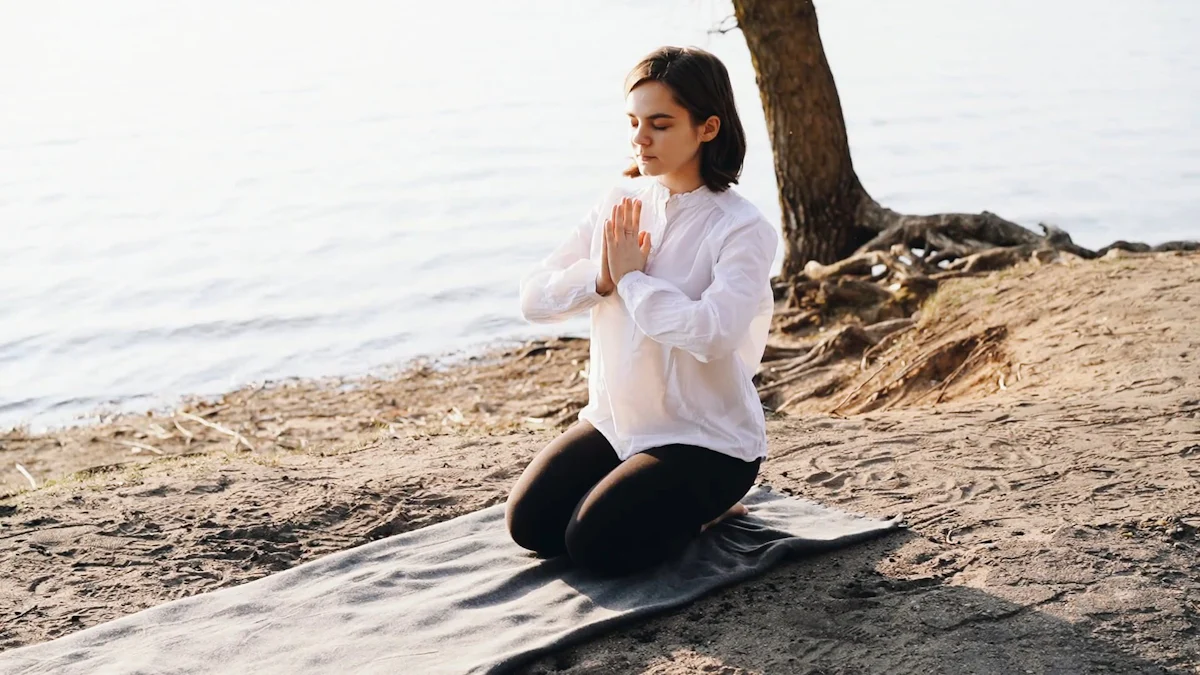
Yoga is a practice that brings your mind, body, and spirit into harmony, and when we ask, "what is yoga in English," we find that it goes beyond physical movements, offering a path to inner peace and balance. By combining postures, breathing techniques, and meditation, yoga helps you connect with yourself on a deeper level. In fact, millions of people worldwide embrace yoga for its transformative benefits. In the United States alone, 1 in 7 adults has practiced yoga in the past year. This holistic approach not only strengthens your body but also nurtures your mental and emotional well-being.
Key Takeaways
Yoga is a holistic practice that harmonizes the mind, body, and spirit, promoting overall well-being.
Start your yoga journey with simple poses and focus on your breath to build confidence and relaxation.
Consistency is key; even short daily practices can lead to significant improvements in strength and mindfulness.
Yoga fosters self-awareness, helping you navigate life's challenges with greater clarity and emotional resilience.
Embrace yoga as a lifelong journey that evolves with you, adapting to your changing needs and goals.
Explore various resources, such as online classes or local studios, to find the right support for your practice.
Remember, yoga is for everyone—regardless of age or experience—so take the first step and enjoy the transformative benefits.
What is Yoga in English? A Simple Definition
Yoga, in its simplest form, is a practice that unites your mind, body, and spirit. The word "yoga" comes from the Sanskrit root "yuj," which means to join or unite. This union reflects the essence of yoga—bringing together different aspects of yourself to create harmony and balance. When you ask, "what is yoga in English," it’s not just about translating a word. It’s about understanding a concept that goes beyond language. Yoga is a journey toward self-discovery, inner peace, and a healthier life.
The Meaning of Yoga
At its core, yoga is more than just physical postures or exercises. It’s a way to connect with yourself on a deeper level. The ancient practice of yoga teaches you how to calm your mind, strengthen your body, and nurture your spirit. As Shayla Quinn, a yoga instructor, beautifully puts it:
"Yoga is SO MUCH more than just a physical practice. Yoga is a deeply healing and transformative practice that unifies the mind, spirit, body, breath, all while yielding presence, purpose, fulfillment, challenge, curiosity, expansion… the list goes on and on!"
This definition highlights the richness of yoga. It’s not just about flexibility or fitness. It’s about finding purpose, embracing challenges, and expanding your potential. Yoga invites you to explore who you are and what you can achieve when your mind and body work together.
Yoga as a Practice for Mind, Body, and Spirit
Yoga offers a holistic approach to well-being. It combines physical movements, breathing techniques, and mindfulness to create a sense of balance. Each yoga pose strengthens your body while teaching you focus and discipline. Breathing exercises, or pranayama, help you control your breath, which calms your mind and reduces stress. Meditation, another key element of yoga, allows you to connect with your inner self and find peace.
When you practice yoga, you’re not just working on your body. You’re nurturing your mental and emotional health too. This practice helps you stay present, let go of distractions, and embrace a sense of calm. Over time, yoga becomes more than a routine. It becomes a way of life—a tool to help you navigate challenges and celebrate growth.
Millions of people around the world have embraced yoga for its transformative power. Whether you’re looking to improve your physical health, reduce stress, or find inner peace, yoga offers something for everyone. It’s a practice that meets you where you are and grows with you as you evolve.
The Origin and History of Yoga
Yoga has a rich history that spans thousands of years. Its roots lie in ancient India, where it emerged as a profound spiritual and philosophical practice. By understanding its origins, you can appreciate how yoga evolved into the transformative discipline it is today.
The Sanskrit Roots of the Word "Yoga"
The word "yoga" comes from the ancient Sanskrit language. It originates from the root word yuj, which means "to join," "to yoke," or "to unite." This definition reflects the essence of yoga—bringing together your mind, body, and spirit into harmony. In its earliest context, yoga symbolized the union of individual consciousness with universal consciousness, a concept deeply rooted in Indian spirituality.
Ancient Hindu sages developed yoga as a psycho-somatic discipline over 5,000 years ago. They believed that by uniting the physical and spiritual aspects of life, you could achieve balance and self-realization. These early practices focused on meditation, breath control, and ethical principles, laying the foundation for the yoga we know today.
Yoga’s connection to Sanskrit highlights its spiritual depth. It reminds you that yoga is more than just physical movements. It’s a practice that encourages you to explore your inner self and connect with something greater.
Yoga’s Journey from Ancient India to the Modern World
Yoga’s journey began in ancient India, where it was deeply intertwined with spiritual traditions. Between 500 B.C. and 800 A.D., yoga evolved as a system of practices designed to promote physical health, mental clarity, and spiritual growth. Texts like the Yoga Sutras of Patanjali provided guidance on how to control the mind and achieve inner peace.
Over time, yoga expanded beyond its spiritual roots. It became a holistic approach to well-being, incorporating physical postures, breathing exercises, and meditation. This evolution made yoga accessible to people from all walks of life.
In the late 19th century, yoga began to gain recognition in the West. Influential teachers like Swami Vivekananda introduced yoga to Western audiences, emphasizing its philosophical and meditative aspects. By the mid-20th century, yoga had transformed into a global phenomenon. It adapted to contemporary lifestyles, focusing on preventive health and stress relief.
Today, yoga continues to evolve. It blends ancient wisdom with modern practices, offering you a path to physical vitality and inner peace. Whether you practice yoga for fitness, relaxation, or spiritual growth, you are part of a tradition that has inspired humanity for millennia.
The Deeper Meaning and Purpose of Yoga
Yoga as a Union of Mind, Body, and Spirit
Yoga represents more than just a series of physical movements. It is a profound practice that unites your mind, body, and spirit into a harmonious whole. This union allows you to connect with your inner self and the world around you in a meaningful way. The Sanskrit root of the word "yoga," yuj, meaning "to join" or "to unite," reflects this deeper purpose. Through yoga, you create a bridge between your physical existence and your higher consciousness.
When you practice yoga, you engage in more than just exercise. Each pose, breath, and moment of mindfulness strengthens the connection between your thoughts, emotions, and physical body. This integration fosters balance and clarity, helping you navigate life with greater ease. Yoga philosophy teaches that this union is essential for achieving a state of wholeness and self-awareness. By embracing yoga, you align your actions, thoughts, and intentions, creating a life filled with purpose and harmony.
"Yoga is the journey of the self, through the self, to the self."
— The Bhagavad Gita
This timeless wisdom reminds you that yoga is not just about external achievements. It is an inward journey that helps you discover your true essence. As you practice, you begin to see how the union of mind, body, and spirit transforms your perspective, enabling you to live with greater authenticity and joy.
Yoga as a Path to Inner Peace and Self-Awareness
Yoga offers a powerful path to inner peace and self-awareness. In a world filled with distractions and stress, yoga provides a sanctuary where you can reconnect with yourself. Through meditation, breathwork, and mindful movement, yoga helps you quiet the noise of daily life and tune into your inner voice. This practice encourages you to explore your thoughts, emotions, and beliefs, fostering a deeper understanding of who you are.
Self-awareness is a cornerstone of yoga. By observing your mind and body during practice, you develop a heightened sense of presence. This awareness extends beyond the yoga mat, influencing how you approach challenges, relationships, and decisions. Yoga philosophy emphasizes that true peace comes from within. When you cultivate self-awareness, you gain the tools to respond to life’s ups and downs with grace and resilience.
Yoga also serves as a guide for self-discovery. It invites you to reflect on your values, purpose, and aspirations. As you delve deeper into your practice, you may find that yoga transforms not only your body but also your mindset and outlook on life. This transformation is not about perfection. It is about progress—about becoming the best version of yourself.
"Yoga does not just change the way we see things; it transforms the person who sees."
— B.K.S. Iyengar
This quote beautifully captures the essence of yoga as a path to inner peace and self-awareness. Yoga encourages you to look inward, embrace your strengths and imperfections, and grow into a more centered and compassionate individual. By practicing yoga, you embark on a lifelong journey of self-discovery and personal growth.
The Benefits of Yoga for Everyday Life
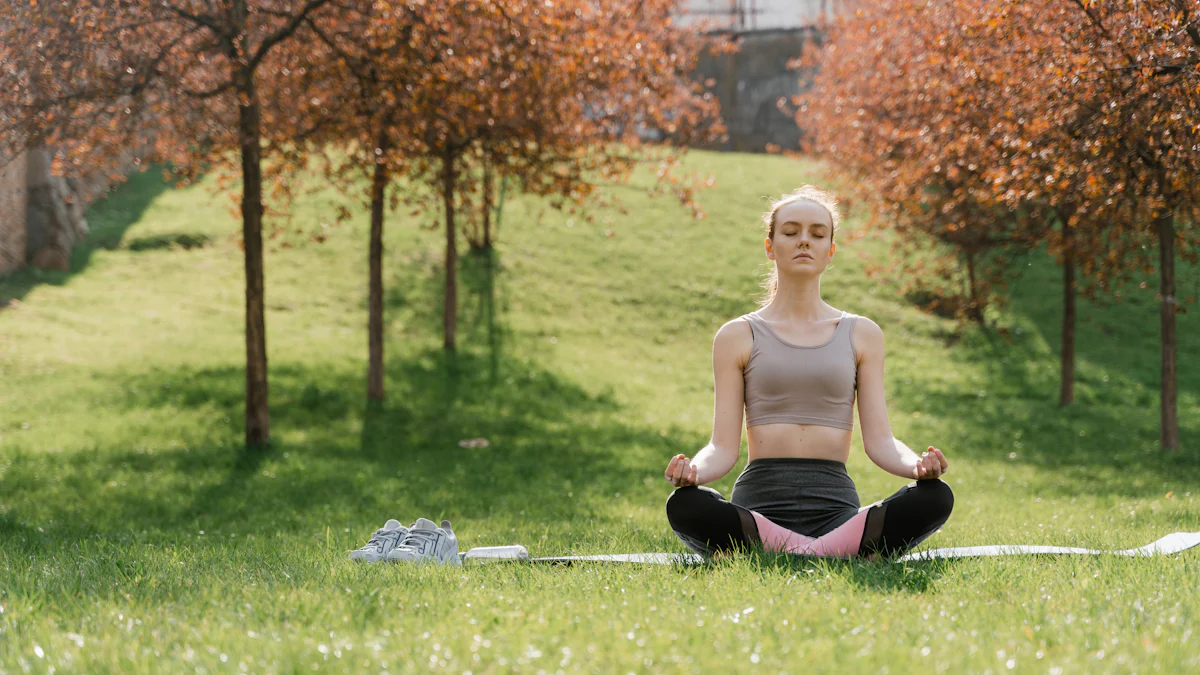
Yoga offers a wealth of benefits that can transform your daily life. By incorporating yoga into your routine, you can experience improvements in both your physical health and mental well-being. Whether you are seeking to enhance your fitness, reduce stress, or find emotional balance, yoga provides tools to help you thrive.
Physical Benefits of Yoga
Yoga strengthens your body while improving flexibility and balance. Each pose engages different muscle groups, helping you build strength and endurance. Over time, this practice enhances your posture and reduces the risk of injuries. For example, poses like Downward Dog and Warrior II target your core, legs, and arms, creating a strong foundation for overall fitness.
Regular yoga practice also supports joint health and mobility. It increases blood flow to your muscles and tissues, which promotes healing and reduces stiffness. This makes yoga especially beneficial if you experience chronic pain or conditions like arthritis. Studies have shown that yoga can alleviate discomfort and improve mobility, particularly for individuals over 50.
Yoga also boosts cardiovascular health. Poses combined with controlled breathing improve circulation and lower blood pressure. This can reduce the risk of heart disease and enhance your overall vitality. Additionally, yoga aids in weight management by increasing mindfulness around eating habits and encouraging an active lifestyle.
"Yoga is the fountain of youth. You’re only as young as your spine is flexible."
— Bob Harper
This quote highlights the importance of maintaining physical health through yoga. By practicing regularly, you can keep your body strong, agile, and resilient.
Mental and Emotional Benefits of Yoga
Yoga nurtures your mind and emotions, offering a sanctuary from the stresses of daily life. Through mindful breathing and meditation, yoga calms your nervous system and reduces anxiety. Research published in the British Journal of Sports Medicine reveals that attending more yoga sessions per week significantly decreases symptoms of depression and anxiety.
Practicing yoga also enhances your focus and mental clarity. By staying present during each pose, you train your mind to let go of distractions. This mental discipline carries over into your daily life, helping you approach challenges with a clear and calm mindset.
Yoga fosters emotional resilience by encouraging self-awareness. As you connect with your breath and body, you gain insight into your thoughts and feelings. This awareness helps you process emotions and respond to situations with greater compassion and understanding. Over time, yoga cultivates a sense of inner peace and emotional stability.
"Yoga teaches you how to listen to your body and quiet your mind."
— Unknown
This wisdom reflects the transformative power of yoga for mental and emotional well-being. By practicing regularly, you can create a balanced and harmonious state of mind.
Incorporating yoga into your life can lead to profound changes. It strengthens your body, sharpens your mind, and nurtures your spirit. Whether you are new to yoga or a seasoned practitioner, this practice meets you where you are and helps you grow into the best version of yourself.
How to Start Practicing Yoga

Tips for Beginners
Starting yoga can feel exciting yet overwhelming. With so many styles and techniques, you might wonder where to begin. The key is to take small, intentional steps that set you up for success. Here are some practical tips to help you start your yoga journey:
Begin with Simple Poses
Start with basic poses like Child’s Pose, Cat-Cow, or Mountain Pose. These foundational movements help you build confidence and understand your body’s capabilities. Avoid pushing yourself too hard. Yoga is about progress, not perfection.Focus on Your Breath
Breathing is the heart of yoga. Pay attention to your breath as you move through poses. Deep, steady breaths calm your mind and enhance your practice. Try inhaling deeply through your nose and exhaling slowly to create a sense of relaxation.Go Slow and Steady
Take your time to learn each pose. Rushing can lead to frustration or injury. Yoga is a journey, not a race. Allow yourself to grow at your own pace. As Mayo Clinic suggests, exploring different types of yoga can help you find what resonates with you.Practice Consistently
Consistency matters more than duration. Even 10–15 minutes a day can make a difference. Set aside a specific time for yoga, whether it’s morning, afternoon, or evening. Regular practice helps you build strength, flexibility, and mindfulness.Listen to Your Body
Pay attention to how your body feels during practice. If a pose feels uncomfortable or painful, modify it or take a break. Yoga is about honoring your body’s needs, not forcing it into positions.Consider Joining a Class
Practicing with others can boost your motivation and provide guidance. Yoga studios often offer beginner-friendly classes led by experienced instructors. These classes create a supportive environment where you can learn and grow.
“Yoga is not about touching your toes. It is what you learn on the way down.”
— Jigar Gor
This quote reminds you to embrace the process and enjoy the journey. Yoga is about self-discovery, not achieving perfect poses.
Finding the Right Resources and Support
Having the right resources and support can make your yoga journey smoother and more enjoyable. Here’s how you can find what works best for you:
Explore Online Platforms
Many online platforms offer beginner-friendly yoga videos and tutorials. Websites like Yoga Journal or YouTube channels dedicated to yoga provide step-by-step guidance. These resources allow you to practice at your own pace and in the comfort of your home.Visit a Yoga Studio
Yoga studios offer expert instruction and a welcoming atmosphere. Highly trained instructors guide you through poses, ensuring safety and effectiveness. Studios also provide a sense of community, which can be motivating and uplifting.Try a Class with a Friend
Attending a yoga class with a friend can make the experience more enjoyable. Practicing together adds an element of fun and support. As Yoga Journal suggests, group classes often create a positive and encouraging environment for beginners.Invest in Basic Equipment
A yoga mat, comfortable clothing, and a water bottle are all you need to get started. Blocks and straps can also help you modify poses and improve alignment. These tools make your practice more accessible and enjoyable.Seek Guidance from Instructors
Learning from an experienced yoga instructor can transform your practice. Instructors provide personalized feedback and help you refine your technique. They also introduce you to different styles of yoga, allowing you to discover what suits you best.Join Online Communities
Online forums and social media groups connect you with fellow yoga enthusiasts. These communities share tips, experiences, and encouragement. Engaging with others can inspire you to stay committed to your practice.
“The journey of a thousand miles begins with a single step.”
— Lao Tzu
Taking that first step into yoga opens the door to a lifetime of growth and transformation. With the right resources and support, you’ll find joy and fulfillment in your practice.
Yoga as a Lifelong Journey
How Yoga Evolves Over Time
Your yoga journey is not a destination but a continuous path of growth and transformation. As you practice, yoga evolves with you, adapting to your changing needs, goals, and life circumstances. What begins as a physical practice may deepen into a spiritual exploration or a tool for emotional resilience.
In the early stages, you might focus on mastering poses and building strength. Over time, your practice may shift toward mindfulness and self-awareness. For example, one practitioner shared how they initially turned to yoga to relax enough to fall asleep. Eventually, it became their daily "me time," offering peace and clarity in a busy life. This evolution reflects how yoga grows alongside you, meeting you where you are.
Yoga also changes as you age. Your body’s needs and abilities transform, and yoga adapts to support you. Gentle poses and restorative practices can replace more vigorous routines, ensuring that yoga remains accessible and beneficial. The flexibility of yoga allows it to serve you at every stage of life.
"Yoga philosophy has brought me comfort, inspiration, motivation, joy, and has expanded my consciousness in ways I could never have imagined possible."
— Anonymous
This quote highlights the profound impact yoga can have over time. It becomes more than a practice; it becomes a source of wisdom and a guide for living a meaningful life. As you continue your journey, yoga teaches you to embrace change, honor your growth, and find beauty in every phase of life.
Embracing Yoga as a Personal and Spiritual Practice
Yoga is deeply personal. It invites you to connect with your inner self and explore your unique path. Through consistent practice, you can uncover your purpose, align with your values, and experience a sense of fulfillment. One practitioner shared how yoga helped them connect to their purpose in life and tap into their ability to experience bliss. This connection to your true self is one of yoga’s greatest gifts.
Yoga also nurtures your spiritual growth. It encourages you to look inward, reflect on your thoughts and actions, and cultivate a deeper understanding of yourself and the world around you. For some, this journey begins during challenging times. One individual shared how they discovered yoga in India during a low point in their life. Through practice, they found happiness and even pursued becoming a certified yoga instructor. Their story illustrates how yoga can transform struggles into opportunities for growth.
"Yoga does not just change the way we see things; it transforms the person who sees."
— B.K.S. Iyengar
This wisdom reminds you that yoga is not about external achievements. It is about inner transformation. By embracing yoga as a personal and spiritual practice, you open yourself to a journey of self-discovery and growth. You learn to see challenges as lessons, celebrate progress, and live with greater authenticity.
Yoga becomes a lifelong companion, guiding you through life’s ups and downs. It evolves with you, supports you, and inspires you to become the best version of yourself. Whether you practice for physical health, emotional balance, or spiritual insight, yoga offers a path to a richer, more fulfilling life.
Yoga is a holistic practice that unites your mind, body, and spirit, offering countless benefits for your physical and mental well-being. It improves flexibility, strength, posture, and balance while reducing stress and enhancing emotional resilience. By embracing yoga, you can create a healthier, more harmonious life.
Take your time to explore yoga at your own pace. Whether you seek physical fitness, inner peace, or self-discovery, yoga meets you where you are and grows with you. Remember, yoga is for everyone—regardless of age or experience. Begin your journey today and unlock its transformative potential.
See Also
Exploring the Definition of Yoga in English Language
Recognizing Yoga's Significance in Modern Society Today
Discovering the Meaning and Purpose of Yoga Nidra

Hi my name is Lia and i am your host in this yoga journey in Portugal, Subscribe to our newsletter to receive every week the best of Yoga in Portugal.

We bring back the importance of initiation into womanhood by Roos-Veerle Krijnen & Ella-June Henrard
Welcome to the Women’s Initiation Retreat by Naked Truth Retreats, a transformative journey into the depths of your True Feminine Nature. This retreat invites you to remember the sacredness and wholeness of your being.
Roos-Veerle Krijnen & Ella-June Henrard