What is Yoga and Its True Meaning


Yoga is a practice that brings your mind, body, and spirit into harmony, and when asking what is yoga in English, it is important to note that it goes beyond physical exercise, offering a holistic approach to well-being. The word "yoga" comes from the Sanskrit root "Yuj," which means "to join" or "to unite." This union reflects its deeper purpose—connecting you with yourself and the world around you. Through yoga, you can cultivate self-awareness, achieve balance, and foster a sense of connection that enhances your overall quality of life.
Key Takeaways
Yoga is a holistic practice that unites the mind, body, and spirit, promoting overall well-being beyond just physical exercise.
Understanding the etymology of 'yoga' as 'to join' highlights its purpose of fostering self-awareness and connection with the world.
The Eight Limbs of Yoga provide a structured path for personal and spiritual development, guiding practitioners toward a balanced life.
Incorporating yoga into your daily routine, even for a few minutes, can significantly enhance your physical health, mental clarity, and emotional resilience.
Yoga's benefits extend to stress reduction and improved focus, making it a powerful tool for navigating modern life's challenges.
Practicing mindfulness through yoga can transform everyday activities, helping you stay present and engaged in the moment.
Yoga fosters a sense of unity and compassion, connecting individuals across cultures and generations in their pursuit of self-discovery.
What is Yoga in English: Origins and Historical Context
The Etymology of the Word 'Yoga'
The word "yoga" originates from the ancient Sanskrit root "Yuj," which means "to join" or "to unite." This definition reflects yoga's essence as a practice that brings together the mind, body, and spirit. In English, yoga represents more than just physical postures. It symbolizes a journey toward harmony and balance within yourself and with the world around you. By understanding this etymology, you can appreciate how yoga serves as a bridge between the physical and spiritual realms.
Historical Roots in Ancient Indian Philosophy
Yoga's roots trace back thousands of years to the sacred texts of ancient India. The Rig Veda, one of the oldest known scriptures, first mentioned yoga as a spiritual discipline. Over time, sages and scholars, known as rishis and brahmans, refined these practices. They documented their insights in the Upanishads, which explored yoga as a means to connect the earthly self with the divine. These early texts laid the foundation for yoga as both a philosophy and a practice, emphasizing its role in achieving spiritual enlightenment.
"Yoga is the journey of the self, through the self, to the self." – Bhagavad Gita
This quote from the Bhagavad Gita, another ancient text, highlights yoga's purpose as a path to self-discovery and inner peace.
Evolution of Yoga from Ancient Texts to Modern Practices
The evolution of yoga spans centuries, adapting to the needs of each era. Around 200 BCE, Patanjali compiled the Yoga Sutras, a foundational text that systematized yoga into a cohesive philosophy. Patanjali described yoga as "Yogah cittavrtti nirodhah," meaning the cessation of mental fluctuations. This definition emphasized yoga's role in calming the mind and achieving focus.
In modern times, yoga has expanded beyond its spiritual origins. It now includes physical postures (asanas), breathing techniques (pranayama), and meditation. These practices make yoga accessible to people worldwide, offering benefits that range from improved physical health to enhanced mental clarity. Despite its evolution, yoga's core purpose remains unchanged: to unite the mind, body, and spirit.
The Deeper Meaning of Yoga
Yoga as a Path to Self-Awareness and Inner Peace
Yoga offers you a journey inward, helping you discover your true self. It encourages you to quiet the noise of daily life and focus on your inner world. By practicing yoga, you can develop self-awareness, which allows you to understand your thoughts, emotions, and actions more clearly. This understanding fosters inner peace, as you learn to let go of stress and negativity.
Through techniques like meditation and breath control, yoga teaches you to calm your mind. When your mind becomes still, you can experience a sense of clarity and balance. This state of mindfulness helps you respond to challenges with patience and wisdom. Yoga, therefore, becomes a tool for personal growth, guiding you toward a more peaceful and centered life.
"Yoga is the journey of the self, through the self, to the self." – Bhagavad Gita
This quote beautifully captures yoga's essence as a path to self-discovery and tranquility.
The Philosophical Foundations of Yoga: The Eight Limbs
The Yoga Sutras of Patanjali outline the Eight Limbs of Yoga, which provide a structured approach to spiritual and personal development. These limbs serve as a guide for living a meaningful and ethical life. They include:
Yamas: Ethical principles like non-violence and truthfulness.
Niyamas: Personal disciplines such as cleanliness and contentment.
Asanas: Physical postures that strengthen your body and prepare it for meditation.
Pranayama: Breath control to enhance energy and focus.
Pratyahara: Withdrawal of the senses to turn your attention inward.
Dharana: Concentration to develop mental clarity.
Dhyana: Meditation to achieve a state of deep awareness.
Samadhi: Oneness with all, the ultimate goal of yoga.
These eight steps guide you from external practices, like ethical behavior and physical postures, to internal practices, such as meditation and self-realization. By following this path, you can cultivate discipline, focus, and harmony in your life.
The Concept of Union: Mind, Body, and Spirit
At its core, yoga represents the union of your mind, body, and spirit. This idea stems from the Sanskrit root "Yuj," meaning "to join" or "to unite." Yoga helps you connect these three aspects of your being, creating a sense of wholeness and balance.
Physical postures (asanas) strengthen your body and improve flexibility. Breathing exercises (pranayama) enhance your energy and calm your mind. Meditation fosters spiritual awareness and inner peace. Together, these practices create a holistic approach to well-being.
When you practice yoga, you align your physical, mental, and spiritual selves. This alignment allows you to live more authentically and harmoniously. Yoga becomes more than just a practice—it becomes a way of life, helping you navigate the world with grace and purpose.
The Practical Aspects of Yoga
Yoga as a Physical Practice: Asanas and Their Role
Yoga's physical practice, known as asanas, forms the foundation for building strength, flexibility, and balance. These postures are not just exercises; they prepare your body for deeper mental and spiritual practices. Each asana engages specific muscle groups, improving posture and enhancing physical endurance. For example, poses like Downward Dog and Warrior II strengthen your core and legs, while Child’s Pose promotes relaxation.
Scientific studies highlight the benefits of asanas. Research published in the Journal of Alternative and Complementary Medicine found that consistent yoga practice improves physical health by reducing oxidative stress and enhancing cardiovascular function. Additionally, yoga enhances muscular strength and flexibility, as noted in a review on its therapeutic effects. By practicing asanas regularly, you can experience improved mobility, reduced pain, and better overall physical health.
Asanas also play a role in calming your mind. The focus required to hold each pose helps you stay present, reducing distractions and promoting mindfulness. This connection between movement and awareness makes yoga a unique physical practice that nurtures both your body and mind.
Yoga as a Mental and Emotional Practice: Pranayama and Meditation
Yoga extends beyond physical postures to include practices that nurture your mental and emotional well-being. Pranayama, or breath control, teaches you to regulate your breathing, which directly impacts your nervous system. Techniques like Nadi Shodhana (alternate nostril breathing) and Kapalabhati (cleansing breath) help reduce stress and increase focus. Controlled breathing calms your mind, lowers your heart rate, and promotes relaxation.
Meditation, another key aspect of yoga, allows you to quiet your thoughts and connect with your inner self. By practicing meditation, you can develop greater self-awareness and emotional resilience. A study published in the British Journal of Sports Medicine revealed that regular yoga sessions, including meditation, significantly reduce symptoms of anxiety and depression. Furthermore, findings from Johns Hopkins University show that yoga improves sleep quality and reduces symptoms of chronic stress.
Together, pranayama and meditation create a powerful toolkit for managing emotions and enhancing mental clarity. These practices help you respond to life's challenges with calmness and composure, fostering a sense of inner peace.
Integrating Yoga into Daily Life for Holistic Well-Being
Incorporating yoga into your daily routine can transform your overall well-being. You don’t need hours to practice; even a few minutes of yoga each day can make a difference. Start your morning with simple stretches or a short meditation session to set a positive tone for the day. During breaks, practice breathing exercises like Pranayama to recharge your energy and focus.
Yoga also encourages mindfulness in everyday activities. Whether eating, walking, or working, staying present enhances your connection to the moment. This mindfulness reduces stress and improves your quality of life. A systematic review of 25 yoga trials found that yoga improves glycemic control, reduces blood pressure, and enhances pulmonary function. These benefits highlight yoga's potential to support long-term health.
By integrating yoga into your lifestyle, you create a balanced approach to physical, mental, and emotional health. Yoga becomes more than a practice—it becomes a way of living that promotes harmony and well-being.
The Benefits of Yoga
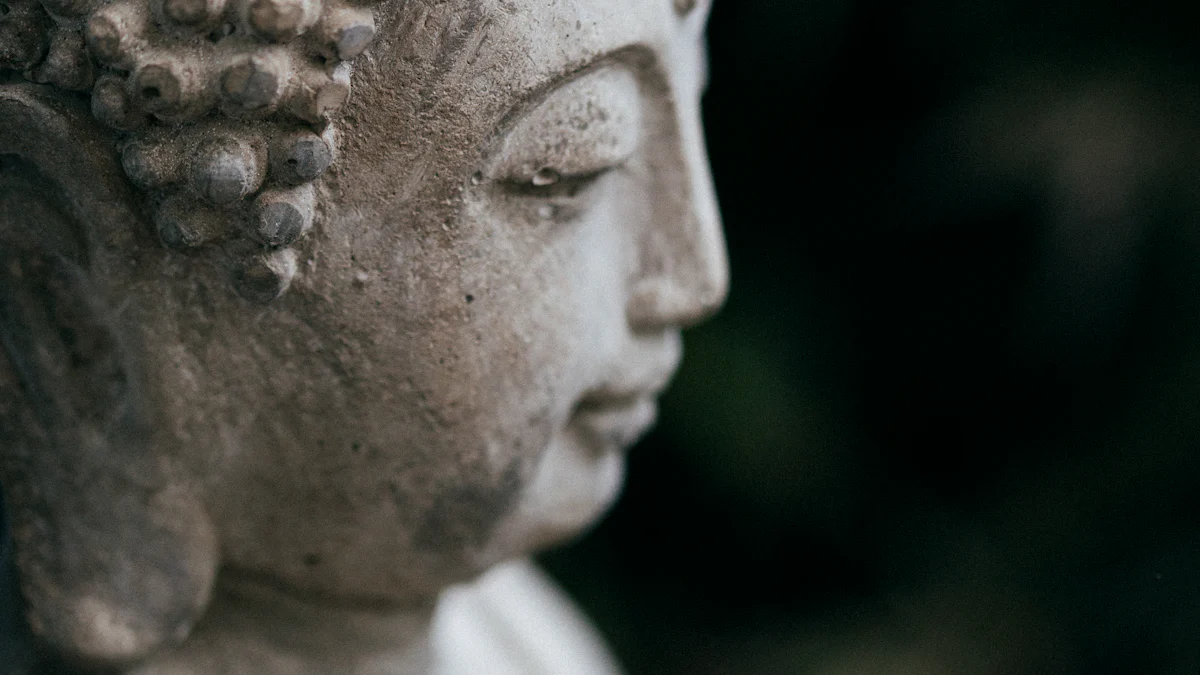
Physical Benefits: Strength, Flexibility, and Health
Yoga strengthens your body while improving flexibility and balance. Regular practice of asanas, such as Warrior Pose or Tree Pose, builds muscle tone and enhances physical endurance. These postures target specific muscle groups, helping you maintain a strong and stable body. Studies show that yoga reduces the risk of injuries by improving joint mobility and posture.
Flexibility is another key benefit. Poses like Downward Dog and Cobra Pose stretch your muscles, increasing your range of motion. This flexibility supports daily activities, making movements smoother and reducing stiffness. Research highlights that yoga practitioners experience a significant improvement in flexibility within weeks of consistent practice.
Yoga also promotes overall health. It boosts cardiovascular function, lowers blood pressure, and enhances respiratory efficiency. A study found that yoga reduces oxidative stress, which helps prevent chronic illnesses. By incorporating yoga into your routine, you can build a healthier and more resilient body.
Mental and Emotional Benefits: Stress Reduction and Focus
Yoga calms your mind and reduces stress. Breathing techniques like Pranayama regulate your nervous system, lowering cortisol levels—the hormone responsible for stress. Meditation practices, such as mindfulness, help you focus on the present moment, easing anxiety and promoting relaxation. According to research, yoga significantly decreases symptoms of anxiety and depression, offering a natural way to improve mental health.
Yoga enhances your ability to concentrate. The focus required during asanas trains your mind to stay present. This mental discipline carries over into daily life, helping you tackle tasks with clarity and efficiency. Studies reveal that yoga practitioners report better attention spans and improved cognitive function.
Emotional resilience grows through yoga. By connecting with your inner self, you gain a deeper understanding of your emotions. This awareness helps you respond to challenges with patience and composure. Yoga fosters a sense of inner peace, allowing you to navigate life’s ups and downs with greater ease.
"Yoga teaches you how to listen to your body and quiet your mind." – Unknown
This quote reflects yoga’s power to nurture both mental and emotional well-being.
Spiritual Benefits: Connection and Self-Awareness
Yoga deepens your connection to yourself and the world around you. It encourages self-awareness, helping you understand your thoughts, feelings, and actions. This journey inward fosters personal growth and a sense of purpose. Practicing yoga allows you to align with your true self, creating harmony between your mind, body, and spirit.
Spiritual growth is a core aspect of yoga. Meditation and mindfulness practices guide you toward a state of inner stillness. This stillness opens the door to self-discovery and enlightenment. Yoga’s spiritual benefits extend beyond the individual, promoting compassion and empathy for others.
Yoga also cultivates a sense of unity. The Sanskrit root of the word “yoga,” Yuj, means “to unite.” This union reflects the practice’s ultimate goal: connecting with the divine or universal energy. By embracing yoga, you can experience a profound sense of oneness and interconnectedness.
Globally, millions of people turn to yoga for its spiritual benefits. With over 300 million practitioners worldwide, yoga continues to inspire individuals to seek balance and fulfillment. This universal appeal highlights yoga’s timeless relevance as a path to self-awareness and spiritual connection.
Yoga in Modern Life

Why Yoga is More Than Just Exercise
Yoga offers more than physical fitness. It serves as a holistic practice that nurtures your mind, body, and spirit. While the physical postures, or asanas, improve strength and flexibility, yoga also enhances mental clarity and emotional resilience. Unlike traditional exercise routines, yoga integrates mindfulness and breath control, creating a deeper connection between your physical and mental states.
When you practice yoga, you cultivate self-awareness. This awareness extends beyond the mat, influencing how you approach daily challenges. For example, Dipti Auroni, a school teacher, shared how yoga helps her maintain inner calmness amidst the chaos of modern life. She described it as a necessity for nurturing balance and awareness. Her experience highlights yoga's ability to ground you in the present moment, offering a sense of stability in a fast-paced world.
Yoga also fosters positive emotions and self-esteem. One practitioner noted how yoga strengthened them psychologically and improved their quality of life. They felt motivated to embrace positivity, which reflected in their overall well-being. This transformative power makes yoga much more than a workout—it becomes a tool for personal growth and emotional healing.
"Yoga teaches you how to listen to your body and quiet your mind." – Unknown
This quote encapsulates yoga's essence as a practice that goes beyond physical movement, guiding you toward a balanced and harmonious life.
Yoga's Universal Appeal Across Cultures and Ages
Yoga transcends cultural and generational boundaries. Its universal appeal lies in its adaptability. Whether you are a teenager seeking focus or a senior aiming to maintain mobility, yoga offers something for everyone. The practice accommodates all levels of experience, making it accessible to individuals across different stages of life.
Globally, millions of people turn to yoga for its physical, mental, and spiritual benefits. From bustling cities to remote villages, yoga unites practitioners with its timeless principles. Its ability to adapt to diverse needs has made it a global phenomenon. For instance, researchers have found that yoga enhances mindful eating by increasing body awareness. This heightened awareness allows you to savor each moment, whether on the mat or at the dinner table.
Yoga also bridges cultural gaps. Its philosophy of unity and harmony resonates universally, fostering connections among people from various backgrounds. This inclusivity makes yoga a practice that celebrates diversity while promoting shared values of well-being and self-discovery.
Addressing Modern Challenges Through Yoga
Modern life often brings stress, distractions, and a sense of disconnection. Yoga provides practical tools to navigate these challenges. By incorporating yoga into your routine, you can manage stress, improve focus, and cultivate inner peace.
Breathing exercises, or pranayama, help regulate your nervous system. Techniques like alternate nostril breathing reduce stress and promote relaxation. Meditation quiets your mind, allowing you to process emotions and gain clarity. One practitioner shared how yoga helped them think more healthily and feel mentally and spiritually purified. This purification fosters resilience, enabling you to face life's demands with composure.
Yoga also encourages mindfulness, which can transform your daily habits. For example, mindful eating becomes easier as yoga heightens your awareness of your body's needs. Researchers observed that yoga practitioners scored higher in mindful eating, savoring each bite and appreciating the sensory experience of food. This mindfulness extends to other areas of life, helping you stay present and engaged.
Incorporating yoga into your life equips you to handle modern challenges with grace. It becomes a sanctuary where you can reconnect with yourself, find balance, and thrive amidst the complexities of today's world.
Yoga unites your mind, body, and spirit, offering a holistic path to well-being. Its timeless principles address modern challenges, helping you cultivate self-awareness and balance. By integrating yoga into your life, you can enhance physical health, reduce stress, and foster inner peace.
"Yoga is the journey of the self, through the self, to the self." – Bhagavad Gita
This ancient wisdom remains relevant today, guiding you toward harmony and fulfillment. Explore yoga as a transformative practice and unlock its potential to enrich your life in meaningful ways.
See Also
Exploring Yoga: A Simple Explanation of Its Meaning
Decoding Yoga Nidra: Its Meaning and Significance
The Vital Role of Yoga in Modern Society

Hi my name is Lia and i am your host in this yoga journey in Portugal, Subscribe to our newsletter to receive every week the best of Yoga in Portugal.

We bring back the importance of initiation into womanhood by Roos-Veerle Krijnen & Ella-June Henrard
Welcome to the Women’s Initiation Retreat by Naked Truth Retreats, a transformative journey into the depths of your True Feminine Nature. This retreat invites you to remember the sacredness and wholeness of your being.
Roos-Veerle Krijnen & Ella-June Henrard