What is Warm Yoga and How Can It Benefit You

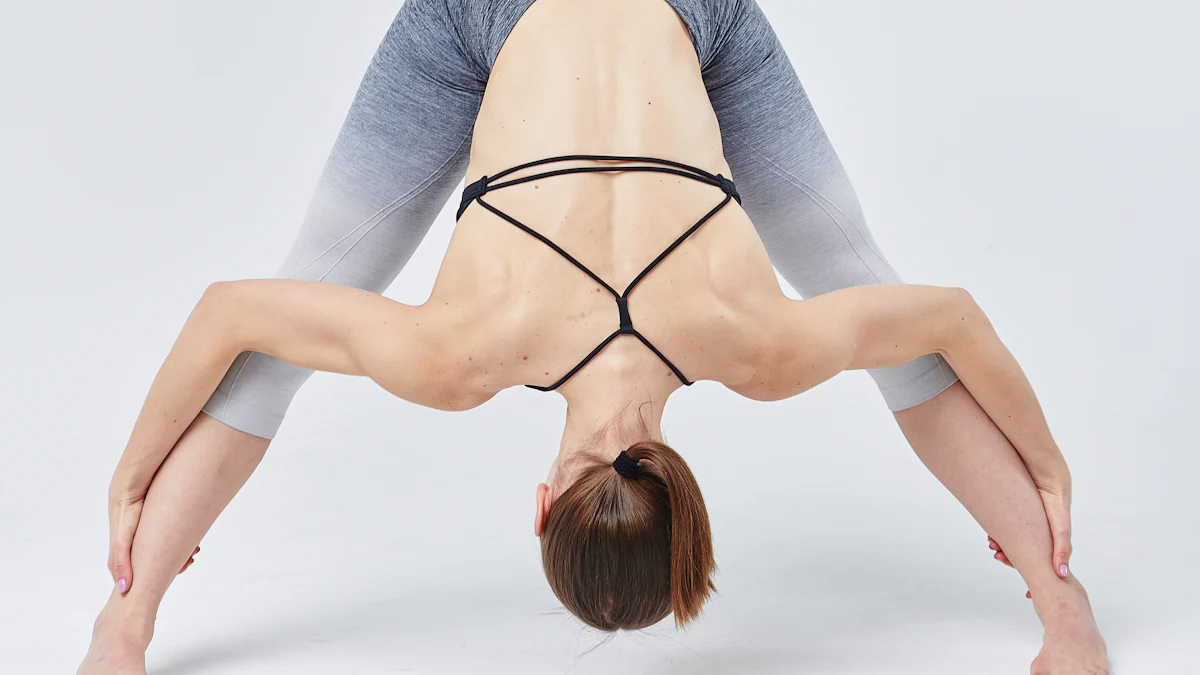
Warm yoga offers a unique experience by allowing you to practise yoga in a heated environment. So, what is warm yoga? This style of yoga has gained popularity, with *52% of people preferring to practise in a heated studio*. The warmth helps your muscles relax, enhancing flexibility and reducing the risk of injury. Additionally, the heat promotes sweating, which aids in detoxification. As you engage in warm yoga, you may notice improved blood circulation and cardiovascular health. However, it's essential to consider your hydration levels and listen to your body to avoid overheating.
What is Warm Yoga?
Definition and Overview
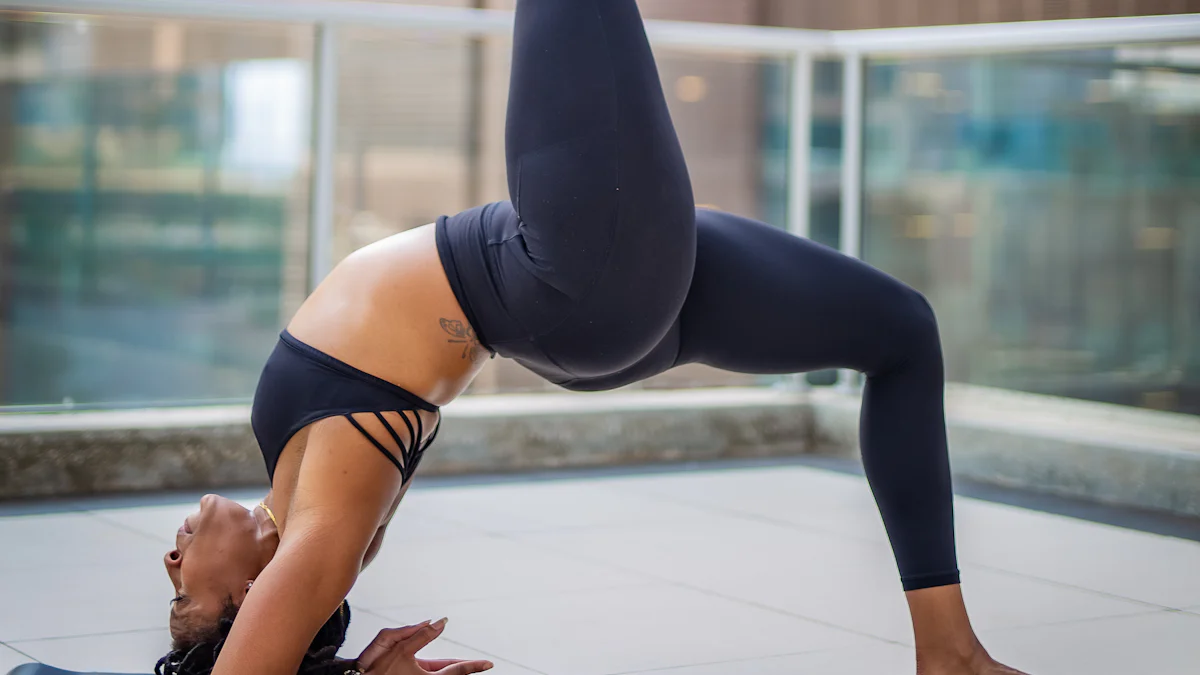
Warm yoga, often referred to as heated yoga, is a style of hatha yoga practised in a room with elevated temperatures. This environment aims to replicate the warm climate of India, where traditional yoga originated. The heated environment typically ranges from 80 to 85 degrees Fahrenheit. This warmth helps your muscles relax, allowing for deeper stretches and reducing the risk of injury. The heat also encourages sweating, which many believe aids in detoxification.
Origins and Development
The concept of practising yoga in a heated environment gained popularity in the 1970s, thanks to Bikram Choudhury. He introduced Bikram Yoga, which is often synonymous with hot yoga. This style involves a specific sequence of 26 poses and two breathing exercises, performed in a room heated to 105 degrees Fahrenheit with 40% humidity. Bikram's approach aimed to mimic the high temperatures of India, enhancing flexibility and promoting cardiovascular health.
Over time, warm yoga evolved from these traditional practices. It expanded to include various styles, each offering unique benefits for mental and physical well-being. While Bikram Yoga remains a popular form, other styles have emerged, providing a range of options for those interested in exploring what is warm yoga. These variations allow you to experience the benefits of yoga in a heated environment without the intensity of Bikram's original format.
Benefits of Warm Yoga
Physical Benefits
Improved flexibility
Practising warm yoga can significantly enhance your flexibility. The heated environment allows your muscles to relax more effectively, enabling deeper stretches. This increased range of motion can help you perform poses with greater ease and precision. As your flexibility improves, you may notice a reduction in muscle stiffness and joint pain, making daily activities more comfortable.
Enhanced detoxification
Warm yoga encourages sweating, which plays a crucial role in detoxifying your body. Sweating helps eliminate toxins and impurities from your skin, promoting a healthier complexion. This process also supports your body's natural detoxification systems, such as the liver and kidneys, by reducing their workload. As a result, you may experience improved overall health and vitality.
Improved blood flow and cardiovascular health
The heat in warm yoga sessions can boost your blood circulation. Improved blood flow ensures that oxygen and nutrients reach your muscles and organs more efficiently. This enhanced circulation can lead to better cardiovascular health, reducing the risk of heart-related issues. Additionally, regular practice can strengthen your heart, improving its ability to pump blood throughout your body.
Mental and Emotional Benefits
Stress reduction
Warm yoga offers a powerful way to reduce stress. The combination of physical activity and a heated environment helps release endorphins, which are natural mood enhancers. As you focus on your breath and movements, you can let go of daily worries and tensions. A 16-week programme of hot yoga has shown significant reductions in stress levels among sedentary and stressed adults.
Increased mindfulness
Engaging in warm yoga can heighten your mindfulness. The practice encourages you to concentrate on your breath and body, fostering a deeper connection with yourself. This increased awareness can help you stay present in the moment, reducing distractions and enhancing your focus. As you cultivate mindfulness, you may find it easier to manage stress and maintain a positive outlook.
Enhanced mental well-being
Warm yoga can contribute to improved mental well-being. Regular practice has been linked to better mood, increased life satisfaction, and a sense of peace. By integrating physical movement with mindful breathing, you can experience a profound sense of calm and balance. This holistic approach to well-being can support your mental health, helping you navigate life's challenges with resilience and grace.
How Warm Yoga Differs from Other Yoga Types
Comparison with Hot Yoga
Temperature differences
When you explore the world of yoga, you might wonder about the differences between warm yoga and hot yoga. The primary distinction lies in the temperature of the environment. Warm yoga classes typically maintain a temperature range of 80-85 degrees Fahrenheit. This setting provides a comfortable warmth that aids in muscle relaxation without overwhelming your body. In contrast, hot yoga classes heat the room to a more intense 90-105 degrees Fahrenheit. This higher temperature encourages more sweating, which some practitioners believe enhances detoxification.
Intensity levels
The intensity of your yoga practice can vary significantly between warm and hot yoga. Warm yoga offers a gentler approach, focusing on slower movements and less challenging poses. This makes it an excellent choice for beginners or those seeking a more relaxed experience. On the other hand, hot yoga provides a more vigorous workout. The elevated temperatures increase your heart rate and metabolism, offering a challenging session that can improve cardiovascular fitness. If you prefer a more intense workout, hot yoga might be the better option.
Comparison with Traditional Yoga
Environmental factors
Traditional yoga, often practised at room temperature, provides a different experience compared to warm yoga. The typical room temperature for traditional yoga ranges from 68-72 degrees Fahrenheit. This neutral environment allows you to focus on your breath and alignment without the added challenge of heat. In contrast, warm yoga's heated environment helps your muscles relax, enabling deeper stretches and potentially reducing the risk of injury.
Impact on practice
The environment in which you practise yoga can significantly impact your experience. In traditional yoga, the focus remains on the poses and breathwork, allowing you to develop strength and flexibility over time. Warm yoga, with its heated setting, enhances these benefits by promoting increased flexibility and circulation. The warmth encourages a more profound connection with your body, helping you achieve a greater range of motion. Whether you choose traditional or warm yoga, each offers unique advantages that can enrich your practice.
Potential Risks and Safety Considerations
Health Precautions
Hydration Importance
When you practise warm yoga, maintaining proper hydration becomes crucial. The heated environment increases your body's sweat production, leading to a higher risk of dehydration. To counteract this, ensure you drink plenty of water before, during, and after your session. Hydration helps regulate your body temperature and supports your overall performance. Consider bringing a water bottle to class and taking small sips throughout your practice to stay adequately hydrated.
Recognising Signs of Overheating
In a warm yoga class, it's essential to be aware of the signs of overheating. Symptoms such as dizziness, nausea, or excessive fatigue indicate that your body is struggling to cope with the heat. If you experience any of these signs, pause your practice and rest in a cooler area. Listen to your body and avoid pushing yourself beyond your limits. Remember, it's okay to take breaks and modify poses to suit your comfort level.
Suitability for Different Individuals
Considerations for Beginners
If you're new to warm yoga, start with beginner-friendly classes. These sessions typically offer a gentler pace and simpler poses, allowing you to acclimate to the heated environment. Focus on your breath and listen to your body as you explore this new practice. Don't hesitate to ask the instructor for modifications or guidance. Gradually, as you build confidence and strength, you can progress to more advanced classes.
Advice for Those with Health Conditions
Warm yoga may not be suitable for everyone, especially if you have certain health conditions. Dr. Edward Laskowski, a physical medicine and rehabilitation specialist, advises caution for individuals with heart conditions, previous heat injuries, or heat intolerance. If you have any medical concerns, consult your healthcare provider before starting warm yoga. They can help determine if this practice aligns with your health needs and offer personalised advice. Always prioritise your safety and well-being when engaging in any physical activity.
Getting Started with Warm Yoga
Choosing the Right Class
Researching Local Studios
To begin your warm yoga journey, start by researching local studios. Look for studios that offer warm yoga classes specifically, as not all yoga studios provide this option. You can check online reviews and ask for recommendations from friends or family who practise yoga. Visiting the studio in person can also give you a feel for the environment and the instructors. A welcoming atmosphere and knowledgeable instructors can enhance your experience.
Understanding Class Levels
Once you've identified potential studios, it's important to understand the different class levels available. Warm yoga classes can range from beginner to advanced. As a newcomer, you might want to start with a beginner class. These classes focus on foundational poses and techniques, allowing you to acclimate to the heated environment. As you gain confidence and skill, you can progress to more challenging classes. Always feel free to ask the instructor about the class level if you're unsure.
Preparing for Your First Session
What to Wear
Choosing the right attire is crucial for a comfortable warm yoga session. Opt for comfortable yoga attire that allows for ease of movement and breathability. Lightweight, moisture-wicking fabrics are ideal as they help keep you cool and dry. Avoid heavy or loose clothing that might become cumbersome when wet. Some practitioners prefer wearing special gloves and socks designed for better grip in a hot yoga studio, which can prevent slipping during poses.
What to Bring
When preparing for your first warm yoga session, pack a few essential items to enhance your practice:
Yoga Mat with Dry-Grip Technology: A mat designed for warm yoga provides better grip and traction. Consider adding a yoga towel on top of your mat to absorb sweat and prevent slipping.
Water Bottle: Staying hydrated is vital. Bring a water bottle to sip throughout the class.
Towel: An absorbent towel is useful for wiping away excess sweat. Some practitioners also bring a smaller hand towel for convenience.
By preparing adequately and choosing the right class, you can enjoy a fulfilling and safe warm yoga experience. Remember to listen to your body and take breaks as needed.
Warm yoga offers numerous benefits for both your physical and mental well-being. By practising in a heated environment, you can enhance flexibility, improve cardiovascular health, and reduce stress. These unique aspects make warm yoga an appealing choice for many.
"Hot yoga may contribute positively to mental and physical well-being."
Consider trying warm yoga with the tips provided in this blog. Remember to listen to your body and prioritise safety. Proper hydration and awareness of your limits ensure a safe and effective practice. Embrace the warmth and enjoy the journey towards better health.
See Also
Uncover How Yoga Blankets Enhance Your Practice Experience
Exploring Various Yoga Poses and Their Unique Advantages
The Positive Impact of Yoga on Seniors' Health

Hi my name is Lia and i am your host in this yoga journey in Portugal, Subscribe to our newsletter to receive every week the best of Yoga in Portugal.

We bring back the importance of initiation into womanhood by Roos-Veerle Krijnen & Ella-June Henrard
Welcome to the Women’s Initiation Retreat by Naked Truth Retreats, a transformative journey into the depths of your True Feminine Nature. This retreat invites you to remember the sacredness and wholeness of your being.
Roos-Veerle Krijnen & Ella-June Henrard