What Is Warm Yoga and Why Try It?

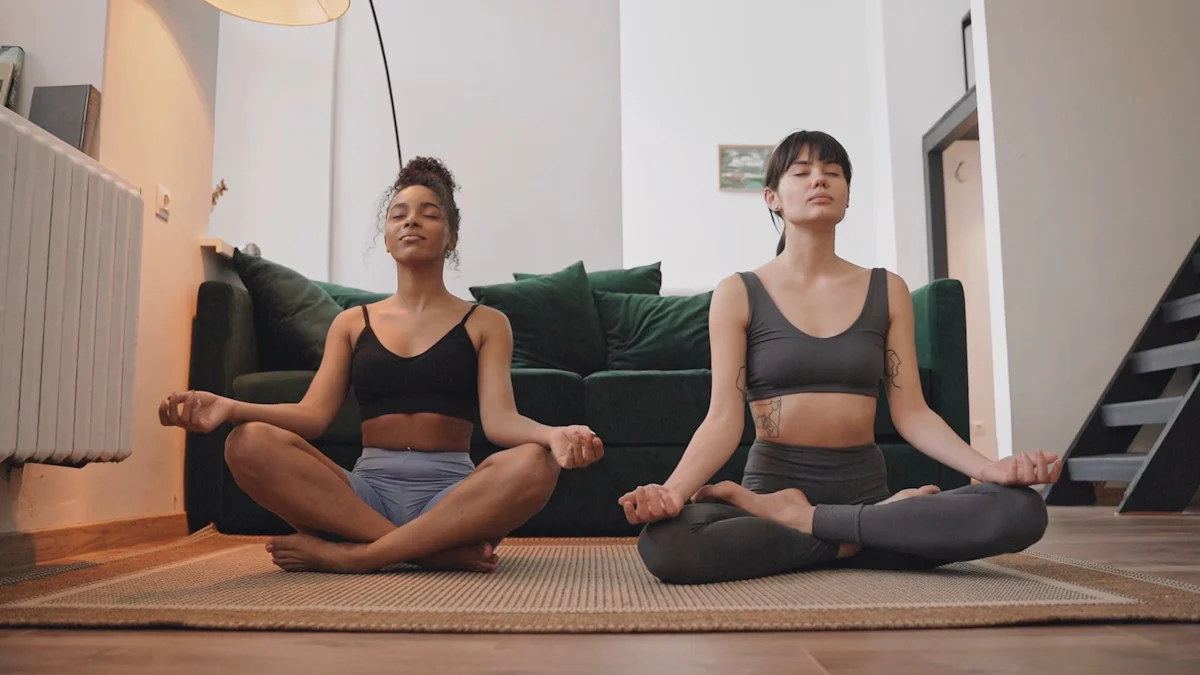
Warm yoga offers a unique approach to traditional yoga by incorporating a moderately heated environment. So, what is warm yoga? You practise it in a room where the temperature typically ranges between 32 and 40 degrees Celsius. This warmth helps your muscles relax, making it easier to stretch and move. It also promotes mindfulness and reduces stress, creating a calming experience. Unlike more intense hot yoga, warm yoga focuses on accessibility, making it suitable for beginners. Its popularity has grown rapidly, with millions embracing it as a way to enhance flexibility and improve overall well-being.
Key Takeaways
Warm yoga is practised in a heated room (32-40°C), enhancing flexibility and muscle relaxation, making it ideal for beginners.
The heat in warm yoga promotes mindfulness and reduces stress, creating a calming atmosphere that benefits mental well-being.
Unlike hot yoga, warm yoga maintains a moderate temperature, making it more accessible and less intimidating for all fitness levels.
Practising warm yoga can improve blood circulation, aid muscle recovery, and help with weight management by increasing calorie burn.
Warm yoga fosters a supportive community, encouraging personal growth and resilience through a blend of relaxation and physical challenge.
To get started, wear breathable clothing, stay hydrated, and choose a studio that prioritises comfort and accessibility.
Warm yoga offers a holistic approach to health, combining physical benefits with mental clarity, making it a valuable addition to your wellness routine.
What Is Warm Yoga?
Definition and Overview
Warm yoga is a style of yoga practised in a heated room, typically set between 32 and 40 degrees Celsius. This controlled warmth creates an environment that enhances your ability to stretch and move with ease. The heat helps your muscles relax faster, allowing you to perform poses more effectively. Unlike traditional yoga, warm yoga combines the benefits of physical movement with the therapeutic effects of heat. This practice not only improves flexibility but also promotes relaxation and mindfulness, making it a holistic approach to well-being.
The concept of warm yoga revolves around balance. It aims to harmonise your body and mind by blending traditional yoga postures with the advantages of a heated environment. Whether you are a beginner or an experienced yogi, this practice offers a welcoming space to explore your physical and mental limits.
How Warm Yoga Differs from Traditional Yoga
Warm yoga stands apart from traditional yoga in several ways. The most noticeable difference is the temperature. While traditional yoga is practised in a standard room, warm yoga takes place in a heated space. This warmth accelerates muscle relaxation, enabling you to achieve deeper stretches. It also increases your heart rate, providing a mild cardiovascular workout.
Another distinction lies in the experience itself. The heat in warm yoga encourages sweating, which can help detoxify your body. Traditional yoga focuses more on the poses and breathing techniques without the added element of heat. Warm yoga, however, integrates these elements with the benefits of a heated environment, offering a unique blend of physical and mental challenges.
The Role of Heat in Warm Yoga Practice
Heat plays a pivotal role in warm yoga. It prepares your body for movement by loosening tight muscles and increasing blood circulation. This makes it easier for you to perform poses that might otherwise feel challenging. The warmth also reduces the risk of injury by ensuring your muscles are adequately warmed up before stretching.
Beyond the physical benefits, the heat contributes to mental well-being. It creates a calming atmosphere that helps you focus on your breath and movements. Studies have shown that practising yoga in a heated environment can reduce depressive symptoms by up to 50%. Additionally, the increased sweating during warm yoga aids in flushing out toxins, leaving you feeling refreshed and rejuvenated.
The heat also enhances calorie burn. Research indicates that warm yoga can help you burn more calories compared to non-heated yoga. This makes it an excellent choice if you are looking to improve your fitness while enjoying the meditative aspects of yoga. By combining the physical and mental benefits, warm yoga offers a comprehensive approach to health and wellness.
Key Characteristics of Warm Yoga
Temperature and Environment
Warm yoga takes place in a room heated to a specific temperature, usually between 32 and 40 degrees Celsius. This controlled warmth creates an environment that supports your body during practice. The heat helps your muscles relax, making it easier to stretch and hold poses. It also increases blood flow, which can improve circulation and enhance your overall experience.
Some studios use traditional heating systems, while others incorporate innovative methods like infrared panels. Infrared heating mimics the sun’s natural warmth, providing a soothing and consistent heat. This type of heating not only warms the room but also penetrates your skin, promoting detoxification through sweat. The environment in warm yoga classes is carefully designed to ensure comfort and safety, allowing you to focus entirely on your practice.
Styles of Yoga Practised in Warm Yoga
Warm yoga encompasses various styles, each offering unique benefits. Two popular styles are Bikram yoga and Vinyasa yoga. Bikram yoga follows a fixed sequence of 26 postures, performed in a heated room. This style emphasises discipline and consistency, making it ideal if you prefer a structured approach.
Vinyasa yoga, on the other hand, involves fluid movements that synchronise with your breath. This dynamic style allows for greater flexibility in practice, catering to both beginners and experienced practitioners. The heat in warm yoga enhances these styles by loosening your muscles and deepening your stretches. Whether you prefer a structured routine or a more flexible flow, warm yoga offers a style that suits your needs.
Focus on Comfort and Accessibility
Warm yoga prioritises your comfort and accessibility. Unlike hot yoga, which often involves extreme heat, warm yoga maintains a moderate temperature. This makes it more approachable, especially if you are new to yoga or sensitive to high temperatures. The practice encourages you to listen to your body and move at your own pace.
Studios often provide supportive props like blocks, straps, and bolsters to help you achieve poses comfortably. Instructors guide you through the session, ensuring that you feel supported and confident. The focus on accessibility makes warm yoga an inclusive practice, welcoming individuals of all fitness levels and abilities.
By combining a comfortable environment with adaptable styles, warm yoga creates a space where you can explore your physical and mental potential. It offers a balanced approach to well-being, making it an excellent choice for anyone looking to enhance their yoga journey.
Benefits of Warm Yoga
Physical Benefits
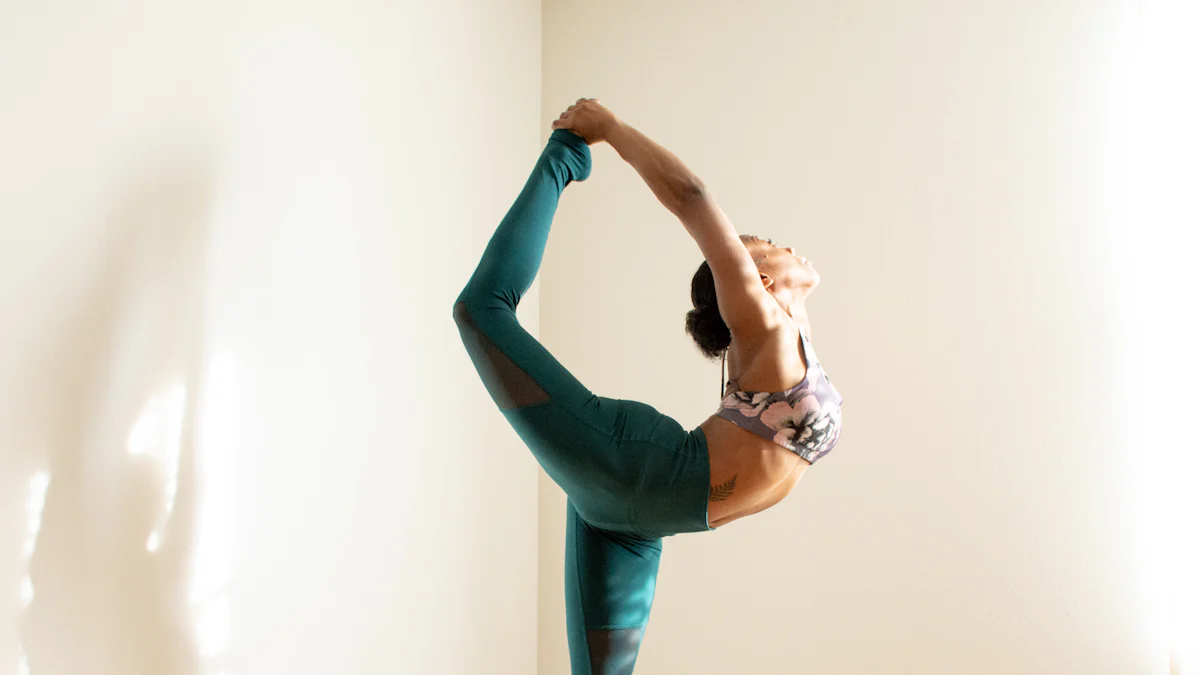
Warm yoga offers numerous physical benefits that can enhance your overall health. The heated environment helps your muscles relax, allowing you to stretch more deeply and improve your flexibility. Studies suggest that practising yoga in a heated room may be more effective at increasing flexibility compared to regular yoga. This makes warm yoga an excellent choice if you want to improve your range of motion.
The heat also boosts blood circulation, delivering oxygen and nutrients to your muscles more efficiently. This can aid in muscle recovery and reduce soreness after exercise. Additionally, the increased sweating during warm yoga helps your body eliminate toxins, leaving you feeling refreshed and energised.
Warm yoga can also support weight management. The elevated temperature raises your heart rate, which helps you burn more calories than traditional yoga. This mild cardiovascular workout strengthens your heart and improves your endurance. By combining these physical benefits, warm yoga provides a holistic approach to fitness and well-being.
Mental and Emotional Benefits
Warm yoga not only benefits your body but also nurtures your mind. The calming atmosphere of a heated room encourages mindfulness, helping you focus on your breath and movements. This practice can reduce stress and promote relaxation, making it an effective way to unwind after a busy day.
Research highlights the mental health benefits of yoga in heated environments. A Harvard study found that weekly hot yoga sessions reduced depressive symptoms by 50% or more. Another study involving stressed, physically inactive adults showed that a 16-week hot yoga programme significantly lowered their stress levels. These findings demonstrate how warm yoga can positively impact your mental and emotional well-being.
The practice also fosters a sense of accomplishment. As you progress and master poses, you build confidence and resilience. This boost in self-esteem can carry over into other areas of your life, helping you approach challenges with a positive mindset.
Accessibility for Different Fitness Levels
Warm yoga is highly accessible, making it suitable for individuals of all fitness levels. The moderate heat creates a supportive environment that helps beginners ease into the practice. If you are new to yoga, the warmth can make it easier to perform poses by relaxing your muscles and reducing stiffness.
For those with limited mobility or seeking a low-impact workout, warm yoga offers a gentle yet effective way to stay active. The focus on comfort and adaptability ensures that you can move at your own pace without feeling overwhelmed. Instructors often provide modifications and props to help you achieve poses safely and comfortably.
Even if you are an experienced yogi, warm yoga can challenge you to deepen your practice. The heat enhances your ability to stretch and hold poses, allowing you to explore your physical limits. Whether you are a beginner or an advanced practitioner, warm yoga provides a welcoming space to grow and thrive.
Warm Yoga vs. Hot Yoga: What’s the Difference?
Temperature and Intensity Comparison
The primary distinction between warm yoga and hot yoga lies in the temperature of the room. Warm yoga classes typically maintain a temperature range of 80 to 90 degrees Fahrenheit (27 to 32 degrees Celsius). This moderate heat creates a comfortable environment that supports flexibility and relaxation without overwhelming your body. In contrast, hot yoga rooms are heated to much higher temperatures, often exceeding 100 degrees Fahrenheit (38 degrees Celsius). This intense heat can lead to excessive sweating and a faster heart rate.
The intensity of the practice also varies. Warm yoga focuses on accessibility and comfort, making it suitable for beginners or those seeking a gentler experience. Hot yoga, however, often involves more vigorous movements and poses, which can challenge your endurance and strength. The higher temperatures in hot yoga may increase the risk of dehydration or overheating if you push yourself too hard. Warm yoga provides a safer alternative while still offering the benefits of practising in a heated environment.
Suitability for Different Individuals
Warm yoga caters to a broader audience due to its moderate heat and adaptable approach. If you are new to yoga or sensitive to extreme temperatures, warm yoga offers a welcoming space to explore the practice. The controlled warmth helps your muscles relax, making it easier to perform poses without feeling overwhelmed. This makes warm yoga an excellent choice for individuals of all fitness levels, including beginners and those with limited mobility.
Hot yoga, on the other hand, may appeal to experienced practitioners who enjoy a more intense workout. The higher temperatures can enhance calorie burn and promote a deeper stretch, but they also demand greater physical stamina. If you have a high tolerance for heat and seek a challenging practice, hot yoga might suit your preferences. However, it is essential to stay hydrated and listen to your body to avoid potential risks like overheating or dizziness.
Common Misconceptions
Many people assume that warm yoga and hot yoga are the same, but this is not accurate. One common misconception is that both practices involve extreme heat. While hot yoga relies on high temperatures to intensify the experience, warm yoga maintains a moderate and more manageable level of heat. This difference makes warm yoga more accessible and less intimidating for beginners.
Another misunderstanding is that sweating more during hot yoga automatically means better detoxification or weight loss. Sweating helps your body regulate temperature, but it does not directly eliminate toxins or guarantee significant weight loss. Warm yoga allows you to enjoy the benefits of a heated practice without the pressure of excessive sweating or extreme physical exertion.
Lastly, some believe that hot yoga is inherently superior due to its intensity. However, the best choice depends on your personal goals and comfort level. Warm yoga prioritises inclusivity and mindfulness, making it a valuable option for those seeking a balanced and enjoyable yoga experience.
Who Can Practise Warm Yoga?
Beginners and Those New to Yoga
Warm yoga provides an excellent starting point if you are new to yoga. The moderate heat creates a welcoming environment that helps your muscles relax, making it easier to perform poses. You can move at your own pace without feeling pressured to keep up with others. This approach ensures that you feel comfortable and supported as you explore the practice.
Many beginners find warm yoga less intimidating than other forms of yoga. The focus on mindfulness and relaxation allows you to connect with your body and breath. One practitioner shared how yoga helped them wind down after work, relax their body, and improve their mood. This sense of calm and accomplishment can motivate you to continue your yoga journey.
If you are worried about not being flexible or experienced enough, warm yoga offers modifications and props to assist you. Instructors guide you through each pose, ensuring you feel confident and safe. Over time, you will notice improvements in your flexibility, strength, and overall well-being.
Individuals Seeking a Low-Impact Workout
Warm yoga is ideal if you are looking for a low-impact workout that still delivers significant benefits. The gentle movements and supportive heat make it suitable for individuals with joint pain, limited mobility, or those recovering from injuries. You can strengthen your muscles and improve your balance without placing excessive strain on your body.
The heat enhances blood circulation, which aids in muscle recovery and reduces soreness. One yoga enthusiast described the practice as “stress relief disguised as a workout,” highlighting how it stretches your body, improves circulation, and releases tension. This makes warm yoga a perfect choice if you want to stay active while prioritising your comfort and safety.
Unlike high-intensity workouts, warm yoga allows you to focus on your breath and movements. This mindful approach not only benefits your body but also nurtures your mental health. You can leave each session feeling refreshed, energised, and ready to take on the day.
People Looking for a Relaxing Yet Challenging Practice
Warm yoga strikes a balance between relaxation and challenge, making it appealing if you seek both. The heat creates a calming atmosphere that encourages mindfulness, while the poses test your strength, flexibility, and endurance. You can push your limits while still enjoying a sense of tranquillity.
One practitioner reflected on how yoga brought them face to face with themselves, helping them navigate physical and mental challenges. This blend of effort and introspection allows you to grow both physically and emotionally. You can build resilience and confidence as you master poses and overcome obstacles.
The practice also fosters a sense of community and support. A yoga studio attendee shared how their classes were full of spirit, encouragement, and acceptance. This positive environment can inspire you to keep practising and exploring your potential. Whether you are seeking stress relief, personal growth, or a unique workout, warm yoga offers something for everyone.
Tips for Getting Started with Warm Yoga
What to Wear and Bring
Choosing the right attire and essentials can make your warm yoga experience more enjoyable. Opt for lightweight, moisture-wicking clothing that allows your skin to breathe. Tight-fitting tops and bottoms work best as they stay in place during poses. Avoid heavy fabrics that retain sweat, as they may cause discomfort in the heated environment.
A high-quality yoga mat is essential. It provides the grip and cushioning needed for safe practice. Consider using a yoga towel, such as the La Pochette Anywhere Everywhere Yoga Mat, which offers excellent grip even when wet. This feature is particularly useful in the humid conditions of a warm yoga studio. If you prefer additional support, yoga socks with plastic treads can prevent slipping and enhance stability.
Bring a water bottle to stay hydrated throughout the session. A small hand towel can help you wipe away sweat and maintain focus. Some practitioners also use special gloves and socks designed for better grip, ensuring a secure and comfortable practice. These items can enhance your experience, especially if you are new to warm yoga.
Preparing for Your First Class
Preparation is key to making the most of your first warm yoga class. Arrive at the studio early to familiarise yourself with the environment and settle in. Inform the instructor that it is your first session. They can offer guidance and modifications to help you feel more comfortable.
Hydrate well before the class, but avoid heavy meals. A light snack an hour before the session can provide the energy you need without causing discomfort. Wear breathable clothing and bring all necessary items, including your yoga mat, towel, and water bottle.
Focus on your breathing and listen to your body during the practice. The heat may feel intense initially, but it helps your muscles relax and enhances flexibility. Take breaks if needed and avoid pushing yourself too hard. Warm yoga is about finding balance and enjoying the process.
Finding the Right Studio or Instructor
Selecting the right studio and instructor can significantly impact your warm yoga journey. Look for studios that maintain a moderate temperature range suitable for warm yoga, typically between 32 and 40 degrees Celsius. Some studios use innovative heating methods like infrared panels, which provide consistent warmth and promote detoxification.
Read reviews and visit the studio beforehand to assess its cleanliness, atmosphere, and facilities. A welcoming environment can make your practice more enjoyable. Many studios offer trial classes, allowing you to experience their approach before committing.
Choose an instructor who prioritises comfort and accessibility. A good instructor will guide you through poses, offer modifications, and ensure you feel supported. They should create a positive and inclusive space where you can explore your potential.
By preparing well, bringing the right essentials, and choosing a supportive studio, you can set yourself up for a rewarding warm yoga experience.
Warm yoga combines the benefits of traditional yoga with the added advantage of a heated environment. It enhances flexibility, improves circulation, and promotes mindfulness, offering a holistic approach to well-being. The moderate heat makes it accessible to individuals of all fitness levels, providing a safe and supportive space for growth. You can enjoy physical benefits like increased flexibility and calorie burn, alongside mental rewards such as reduced stress and improved focus. By trying warm yoga, you take a step towards enhancing both your physical health and mental clarity. Why not give it a go and experience the transformation?
See Also
Exploring Warm Yoga: Benefits For Your Wellbeing
A Complete Overview Of Heated Yoga Practices
Unveiling The Advantages Of Yoga Blankets In Practice

Hi my name is Lia and i am your host in this yoga journey in Portugal, Subscribe to our newsletter to receive every week the best of Yoga in Portugal.

We bring back the importance of initiation into womanhood by Roos-Veerle Krijnen & Ella-June Henrard
Welcome to the Women’s Initiation Retreat by Naked Truth Retreats, a transformative journey into the depths of your True Feminine Nature. This retreat invites you to remember the sacredness and wholeness of your being.
Roos-Veerle Krijnen & Ella-June Henrard