What Is Shala Yoga and Why It Matters in Modern Practice

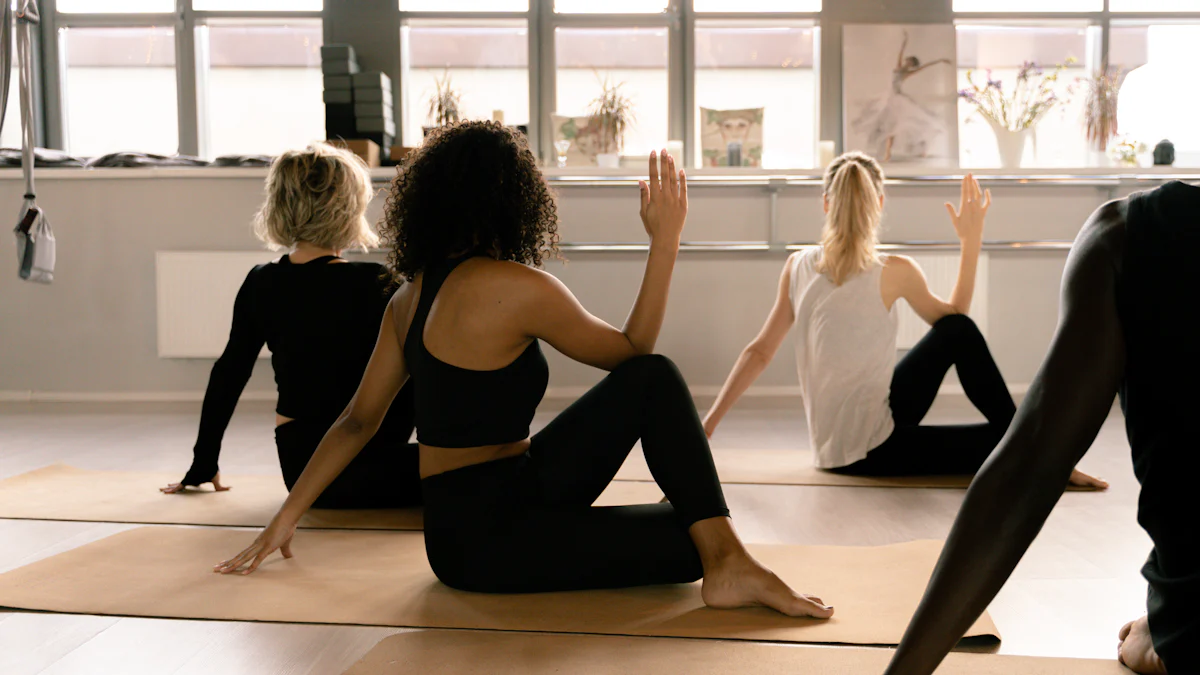
Shala Yoga offers you more than just a place to practice yoga. It creates a sacred space where tradition, community, and personal growth come together. The word "Shala" means home or house, and this reflects the essence of Shala Yoga—a welcoming environment that nurtures your journey toward self-discovery. In today’s fast-paced world, Shala Yoga provides a sanctuary for mindfulness and connection. It encourages you to embrace not only physical poses but also the deeper aspects of yoga, fostering a sense of belonging and holistic well-being.
Key Takeaways
Shala Yoga creates a sacred space that fosters personal growth, mindfulness, and community connection, making it more than just a place to practice.
The term 'Shala' means home, symbolizing a nurturing environment where you can focus on self-discovery and holistic well-being.
Practicing in a Shala emphasizes tradition and authenticity, allowing you to reconnect with the roots of yoga as a spiritual and physical journey.
Regular attendance in a Shala cultivates discipline and consistency, essential for long-term growth and resilience in your yoga practice.
The strong teacher-student relationships in a Shala provide personalized guidance, enhancing your practice and fostering a supportive community.
Incorporating Shala Yoga principles into your home practice can create a personal sanctuary for growth, even when you can't attend a Shala regularly.
Engaging with Shala Yoga not only improves physical strength and flexibility but also promotes mental clarity and spiritual peace, enriching your overall well-being.
Understanding Shala Yoga: Origins and Philosophy

The Meaning and Importance of "Shala" in Yoga
The word "Shala" comes from Sanskrit, meaning "home" or "house." In the context of yoga, it represents more than just a physical space. It symbolizes a sanctuary where you can connect with your inner self and embrace the transformative power of yoga. A Shala creates an environment that nurtures growth, mindfulness, and community. When you step into a Shala, you leave behind distractions and immerse yourself in a space designed for self-discovery and holistic well-being.
The importance of the Shala lies in its ability to foster a sense of belonging. It becomes a place where you can practice yoga with intention and purpose. Unlike practicing in a generic studio or at home, a Shala offers a sacred atmosphere that enhances your experience. This space encourages you to focus on your journey, both physically and spiritually, while connecting with others who share your passion for yoga.
Historical and Cultural Roots of Shala Yoga
Yoga's history stretches back thousands of years, deeply rooted in the culture of ancient India. The term "yoga" first appeared in the Vedas, some of the oldest religious texts in the world. These texts described yoga as a practice to control the mind and achieve spiritual harmony. Over time, yoga evolved into a comprehensive system that included physical postures, breathing techniques, and meditation.
The concept of a Shala emerged as yoga became more structured. Ancient yogis recognized the need for a dedicated space to practice and teach. These spaces often served as hubs for learning and community building. Historical figures like Shiva, Rama, and Krishna played significant roles in shaping yoga's traditions, embedding it deeply into the cultural fabric of Bharat (India). Practices like Shalabhasana, or the locust pose, highlight the physical and spiritual aspects of yoga, which were refined in these early Shalas.
Today, Shala Yoga honors these historical roots while adapting to modern needs. It bridges the gap between ancient traditions and contemporary lifestyles, making yoga accessible and relevant for everyone.
Core Philosophical Principles of Shala Yoga
Shala Yoga is built on core principles that guide your practice and mindset. At its heart lies the belief in unity—connecting your body, mind, and spirit. This philosophy encourages you to see yoga as more than just physical exercise. It becomes a way to cultivate mindfulness, self-awareness, and inner peace.
Another key principle is discipline. Practicing in a Shala instills a sense of commitment and consistency. The structured environment motivates you to show up regularly and dedicate yourself to growth. This discipline extends beyond the mat, influencing how you approach challenges in daily life.
Community plays a vital role in Shala Yoga. The Shala fosters relationships between teachers and students, creating a supportive network. This sense of connection reminds you that yoga is not a solitary journey. It is a shared experience that thrives on mutual respect and encouragement.
By embracing these principles, Shala Yoga helps you align with the deeper purpose of yoga. It transforms your practice into a holistic journey that nurtures every aspect of your being.
Key Practices and Techniques in Shala Yoga
The Role of the Shala Space in Yoga Practice
The environment of a Shala plays a vital role in shaping your yoga journey. A Shala is more than just a room; it is a sanctuary where you can leave behind the noise of daily life. The atmosphere within a Shala fosters tranquility and focus, allowing you to immerse yourself fully in your practice. Imagine starting your day with the soft glow of morning light streaming through the windows, the scent of fresh flowers filling the air, and the sound of chants resonating in harmony with your breath. This sacred space becomes a retreat where you can connect with your inner self.
The design and rituals of a Shala enhance your experience. Daily practices like flower offerings and maintaining a clean, serene environment create a sense of reverence. These rituals remind you that yoga is not just physical exercise but a spiritual practice. The energy within the Shala, cultivated by both teachers and students, inspires you to deepen your commitment and embrace the transformative power of yoga.
Traditional Yoga Sequences and Methods in Shala Yoga
Shala Yoga emphasizes traditional sequences that honor the roots of yoga. These sequences often follow time-tested methods, such as Ashtanga or Mysore-style practices. In these traditions, you progress at your own pace under the guidance of experienced teachers. This approach allows you to build strength, flexibility, and mindfulness gradually. Each pose flows into the next, creating a meditative rhythm that aligns your body and mind.
Breathwork, or pranayama, is another cornerstone of Shala Yoga. By focusing on your breath, you cultivate awareness and control, which enhances your practice. Teachers in a Shala often incorporate bandhas (energy locks) and drishti (gazing points) to help you refine your technique. These elements work together to create a holistic practice that nurtures your physical, mental, and spiritual well-being.
Consistency is key in Shala Yoga. Regular practice, often three to six times a week, helps you develop discipline and resilience. This dedication transforms your yoga journey into a lifelong path of growth and self-discovery.
Building Community Through Teacher-Student Relationships
One of the most enriching aspects of Shala Yoga is the sense of community it fosters. The relationship between teacher and student lies at the heart of this practice. Teachers in a Shala often bring years of experience and a deep understanding of yoga's traditions. Their guidance helps you navigate challenges and unlock your potential. As one practitioner shared, “The strength of the Shala is the teacher. Their humbleness and authentic teaching style create an environment where every student feels valued.”
In a Shala, you are not just another face in the crowd. Teachers provide personalized attention, ensuring that your practice aligns with your unique needs and goals. This individualized approach builds trust and mutual respect. Over time, the bond between teacher and student becomes a source of inspiration and support.
The Shala also connects you with fellow practitioners who share your passion for yoga. This sense of belonging motivates you to stay committed and encourages you to grow alongside others. Together, you create a vibrant community that celebrates progress and supports one another through challenges.
“A Shala becomes a second home for dedicated practitioners,” as one yogi described. This sense of home extends beyond the physical space, encompassing the relationships and shared experiences that define your yoga journey.
How Shala Yoga Differs from Other Yoga Practices
Emphasis on Tradition and Authenticity
Shala Yoga stands out by honoring the roots of yoga. It emphasizes tradition and authenticity, ensuring that your practice stays connected to its ancient origins. Unlike modern yoga styles that often focus on fitness trends, Shala Yoga encourages you to embrace yoga as a holistic journey. This approach respects the teachings passed down through generations, preserving the essence of yoga as a spiritual and mindful practice.
In Shala Yoga, the focus goes beyond physical poses. You engage with practices like pranayama (breathwork) and meditation, which deepen your connection to the mind and spirit. Teachers in a Shala often guide you with wisdom rooted in yoga’s history, helping you understand the philosophy behind each movement. This dedication to authenticity transforms your practice into a meaningful experience, rather than just a workout.
“Yoga is not about touching your toes; it is what you learn on the way down.” This quote perfectly captures the essence of Shala Yoga, where the journey matters more than the destination.
The Importance of a Dedicated Space for Practice
The environment where you practice yoga significantly impacts your experience. Shala Yoga prioritizes creating a dedicated space that fosters focus and tranquility. When you step into a Shala, you leave behind distractions and enter a sanctuary designed for self-discovery. The simplicity of the space—free from high-tech equipment or flashy decor—allows you to connect with the essence of yoga.
A Shala’s design often includes elements that inspire mindfulness. Natural light, clean surroundings, and calming rituals like flower offerings create an atmosphere of peace. This intentional environment helps you cultivate discipline and consistency in your practice. Unlike practicing at home or in a generic studio, a Shala provides a sacred space where you can fully immerse yourself in the moment.
Holistic Integration of Physical, Mental, and Spiritual Aspects
Shala Yoga takes a holistic approach, integrating the physical, mental, and spiritual dimensions of yoga. While many modern practices focus primarily on physical fitness, Shala Yoga encourages you to explore all aspects of well-being. Through traditional sequences, breathwork, and meditation, you nurture your body, calm your mind, and awaken your spirit.
This integration creates a balanced practice that supports your overall growth. Physically, you build strength and flexibility. Mentally, you develop mindfulness and resilience. Spiritually, you connect with your inner self and find a sense of purpose. Shala Yoga reminds you that true well-being comes from harmony between these elements.
By embracing this holistic approach, you transform your yoga journey into a path of self-discovery. Shala Yoga becomes more than a practice—it becomes a way of life that enriches every aspect of your being.
The Significance of Shala Yoga in Modern Yoga Practice
Reconnecting with Yoga's Roots in a Modern Context
In today’s fast-paced world, yoga often becomes a fitness routine rather than a holistic practice. Shala yoga offers you a chance to reconnect with the authentic roots of yoga. It brings you back to the essence of yoga as a spiritual, mental, and physical journey. By practicing in a shala, you immerse yourself in an environment that honors tradition. This space encourages you to embrace yoga as it was intended—an art of self-discovery and inner harmony.
The structured approach of shala yoga reflects its deep connection to ancient practices. Teachers guide you through sequences that have been passed down for generations. These sequences integrate breath, movement, and focus, creating a meditative flow. As Pranidhi Varshney, a yoga teacher and owner of Yoga Shala West, explains, “The intimate relationship of breath, bandhas (energy locks), drsti (gazing point), and asana (physical position)” sets this practice apart. This connection to yoga’s origins helps you experience its transformative power in a meaningful way.
Shala yoga also bridges the gap between ancient wisdom and modern life. It adapts traditional practices to suit contemporary needs while preserving their authenticity. This balance allows you to benefit from yoga’s timeless teachings in a way that feels relevant and accessible.
Fostering a Sense of Community and Belonging
Practicing in a shala creates a unique sense of community. Unlike practicing alone or in a crowded studio, a shala fosters genuine connections. You become part of a supportive network where teachers and fellow practitioners encourage your growth. This sense of belonging motivates you to stay committed to your practice.
The relationship between teacher and student lies at the heart of this community. Teachers in a shala often bring years of experience and a deep understanding of yoga’s traditions. They provide personalized guidance, helping you refine your practice and overcome challenges. As Pranidhi Varshney highlights, “Because practitioners are coming for a practice regularly, there’s an opportunity to cultivate deep relationships, and for the relationship to nourish both student and teacher.” This bond creates a nurturing environment where you feel valued and inspired.
Fellow practitioners also play a vital role in building this community. Practicing alongside others who share your passion for yoga fosters camaraderie. You celebrate progress together and support each other through challenges. One practitioner described their experience at Prana Vashya Shala as “authentic, ethical, disciplined, non-discriminatory, encouraging, and approachable.” This sense of inclusivity makes the shala feel like a second home.
Encouraging Consistency and Discipline in Practice
Consistency is the cornerstone of growth in yoga. Shala yoga instills discipline by providing a structured environment that encourages regular practice. When you commit to practicing in a shala, you develop a routine that strengthens your body, calms your mind, and nurtures your spirit.
The dedicated space of a shala eliminates distractions, allowing you to focus fully on your practice. This focus helps you build resilience and dedication. As Pranidhi Varshney notes, most students in a shala practice three to six times per week. This regularity creates a rhythm that enhances your progress and deepens your connection to yoga.
Teachers in a shala also play a crucial role in fostering discipline. Their guidance motivates you to show up consistently and push your boundaries. They help you set goals and provide the tools to achieve them. Over time, this discipline extends beyond the mat, influencing how you approach challenges in daily life.
By practicing in a shala, you cultivate habits that support long-term growth. The consistency and discipline you develop transform yoga from a casual activity into a lifelong journey of self-improvement.
Benefits of Shala Yoga for Holistic Well-Being
Physical Benefits: Strength, Flexibility, and Balance
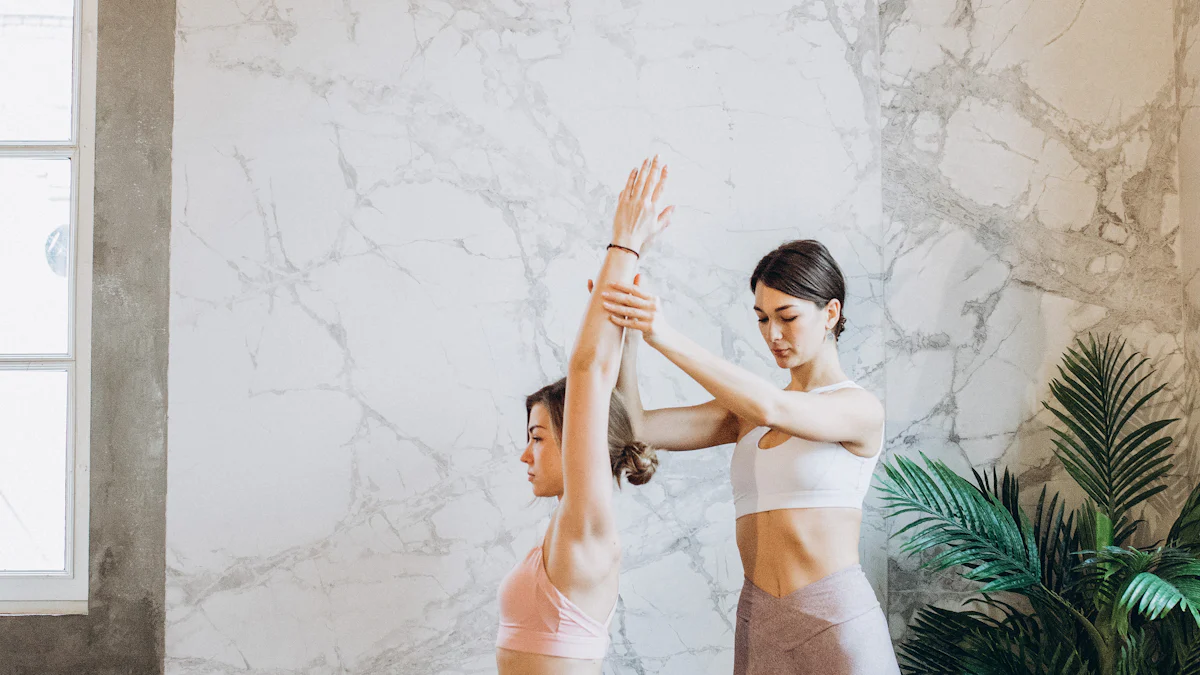
Shala yoga strengthens your body while improving flexibility and balance. Regular practice engages your muscles, enhancing their endurance and tone. Poses like Virabhadrasana (Warrior Pose) and Adho Mukha Svanasana (Downward Dog) build strength in your legs, arms, and core. Over time, this consistent effort helps you feel more physically empowered.
Flexibility improves as you stretch and lengthen your muscles through various poses. Movements like Uttanasana (Forward Fold) or Trikonasana (Triangle Pose) gently open up tight areas, increasing your range of motion. This flexibility reduces stiffness and makes everyday activities easier.
Balance becomes a natural outcome of shala yoga. Poses such as Vrksasana (Tree Pose) train your body to stabilize itself, even in challenging positions. Improved balance reduces the risk of falls and enhances coordination. According to studies published by Harvard Health Publishing, yoga also supports cardiovascular fitness and mobility, contributing to overall physical health.
Mental Benefits: Stress Reduction and Mindfulness
Shala yoga offers a powerful way to reduce stress and cultivate mindfulness. The practice encourages you to focus on your breath and movements, pulling your attention away from daily worries. This focus calms your mind and creates a sense of inner peace. Research from Verywell Health highlights yoga’s ability to lower cortisol levels, the hormone associated with stress.
Mindfulness becomes a key part of your practice. By staying present during each pose, you develop greater awareness of your thoughts and emotions. This awareness helps you respond to challenges with clarity and calmness. Over time, this mental discipline improves your resilience and emotional well-being.
Yoga also promotes relaxation. Techniques like pranayama (breath control) slow your heart rate and soothe your nervous system. As you practice regularly, you may notice reduced anxiety and improved sleep quality. These mental benefits enhance your overall quality of life, making you feel more balanced and centered.
Spiritual Benefits: Inner Peace and Self-Discovery
Shala yoga nurtures your spirit, guiding you toward inner peace and self-discovery. The practice encourages you to connect with your deeper self, fostering a sense of purpose and fulfillment. Through meditation and mindful movement, you explore your inner world and uncover insights about your true nature.
This spiritual journey often leads to a profound sense of peace. As you align your body, mind, and spirit, you experience harmony within yourself. This alignment helps you navigate life’s challenges with grace and confidence. A study from Brain Plasticity reveals that yoga positively impacts mental health, reducing symptoms of depression and anxiety while promoting emotional stability.
Self-discovery becomes an integral part of your practice. By dedicating time to reflection and growth, you gain a clearer understanding of your values and goals. This clarity empowers you to live authentically and make choices that align with your true self. Shala yoga transforms your practice into a path of spiritual awakening, enriching every aspect of your life.
How to Get Started with Shala Yoga
Finding a Shala Yoga Community Near You
Starting your journey with Shala Yoga begins with finding the right community. Look for a space that feels welcoming and aligns with your values. Many Shalas emphasize tradition, mindfulness, and personal growth. Search online for local yoga Shalas or ask for recommendations from friends who practice yoga. Websites and social media pages often provide insights into the studio’s philosophy, class schedules, and teacher profiles.
When visiting a Shala, observe the environment. A true Shala fosters a sense of peace and connection. Teachers should demonstrate authenticity and a deep understanding of yoga’s roots. As Pranidhi Varshney, a yoga teacher, highlights, the relationship between teacher and student plays a vital role in the Shala experience. Choose a space where you feel supported and inspired to grow.
Some Shalas offer trial classes or beginner workshops. These opportunities allow you to experience the atmosphere and teaching style before committing. Take your time to find a community that resonates with you. The right Shala will become a sanctuary for your practice and personal transformation.
Tips for Beginners: What to Expect in a Shala Yoga Class
Walking into your first Shala Yoga class can feel both exciting and intimidating. Knowing what to expect helps ease any nerves. Classes often begin with a moment of silence or chanting to center your mind. This ritual sets the tone for a mindful and focused practice.
In a Shala, teachers guide you through traditional sequences, such as Ashtanga or Mysore-style yoga. These practices emphasize breath control, movement, and focus. Expect personalized attention from your teacher. They may adjust your posture or offer modifications to suit your level. As Pranidhi Varshney explains, the intimate relationship between breath, bandhas (energy locks), drishti (gazing points), and asana (postures) creates a transformative experience.
Consistency is key in Shala Yoga. Regular attendance helps you build strength, flexibility, and discipline. Wear comfortable clothing and bring a yoga mat if required. Most importantly, approach each class with an open mind and a willingness to learn. Progress comes with patience and dedication.
Incorporating Shala Yoga Principles into Your Home Practice
If attending a Shala regularly isn’t possible, you can still embrace its principles at home. Create a dedicated space for your practice. Keep this area clean, quiet, and free from distractions. Simple touches like a yoga mat, candles, or fresh flowers can enhance the atmosphere.
Follow traditional sequences to maintain the authenticity of your practice. Online resources or guidance from a Shala teacher can help you learn these methods. Focus on your breath and movements, just as you would in a Shala. Incorporate rituals like setting an intention or meditating before starting. These practices deepen your connection to yoga.
Discipline is essential for a home practice. Set a consistent schedule and treat this time as sacred. Even a short daily session can bring significant benefits. Remember, Shala Yoga emphasizes community. Stay connected with your Shala teacher or fellow practitioners through online classes or discussions. This connection keeps you motivated and inspired.
By integrating Shala Yoga principles into your home, you create a personal sanctuary for growth and self-discovery. Your practice becomes a reflection of the values and traditions that make Shala Yoga unique.
Shala yoga offers you a profound journey that blends tradition, mindfulness, and community. It provides a sacred space where you can connect with your roots, embrace authentic practices, and nurture holistic well-being. Through its structured approach, you gain physical strength, mental clarity, and spiritual peace. By stepping into this transformative practice, you open the door to personal growth and a deeper connection with yourself and others. Take the first step today. Explore shala yoga and experience its power to enrich your life both on and off the mat.
See Also
Explore The Distinctive Offerings At Upeksha Yoga Shala
Authentic Experiences Shared By Yogis At Shanti Yoga
Exploring Yoga's Historical Significance And Its Meaning

Hi my name is Lia and i am your host in this yoga journey in Portugal, Subscribe to our newsletter to receive every week the best of Yoga in Portugal.

We bring back the importance of initiation into womanhood by Roos-Veerle Krijnen & Ella-June Henrard
Welcome to the Women’s Initiation Retreat by Naked Truth Retreats, a transformative journey into the depths of your True Feminine Nature. This retreat invites you to remember the sacredness and wholeness of your being.
Roos-Veerle Krijnen & Ella-June Henrard