Understanding the Meaning of Karma Yoga

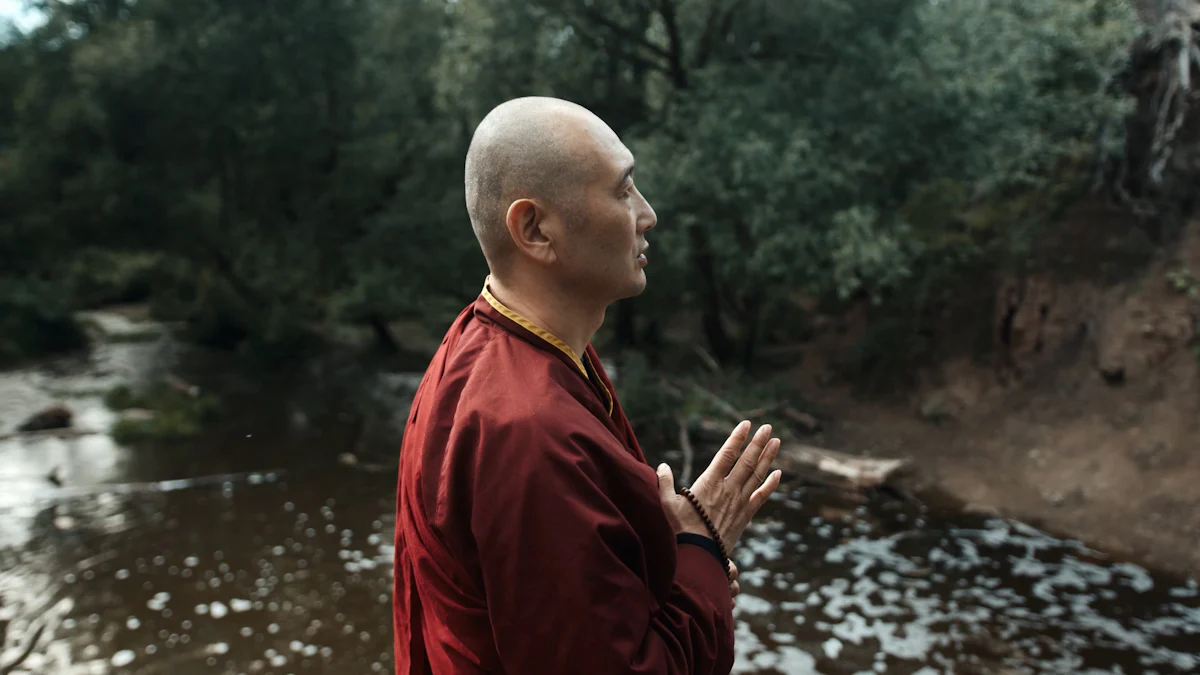
Karma Yoga represents the spiritual path of selfless action and service, answering the question of what is karma yoga. It teaches you to perform your duties with dedication while letting go of any attachment to the results. This practice encourages you to act without ego, focusing on the purity of your intentions rather than personal gain. By embracing this discipline, you align your actions with a higher purpose, fostering spiritual growth and liberation. Karma Yoga reminds you that true fulfillment comes from serving others and living in harmony with universal principles.
Key Takeaways
Karma Yoga emphasizes selfless action, encouraging you to perform your duties without attachment to the results, fostering personal growth and inner peace.
Detachment from outcomes is crucial; focus on the process of your actions rather than the results to reduce stress and enhance resilience.
Mindfulness and intention are key components; being present in your actions allows you to align them with your values and higher purpose.
Incorporate selfless service into your daily life by helping others without expecting anything in return, which cultivates compassion and humility.
Understanding your dharma, or moral responsibilities, helps ensure your actions contribute positively to the world around you.
Karma Yoga transforms ordinary tasks into meaningful experiences, bridging the gap between spirituality and daily life.
Start small by integrating these principles into your routine, creating a more balanced and fulfilling existence.
What is Karma Yoga?
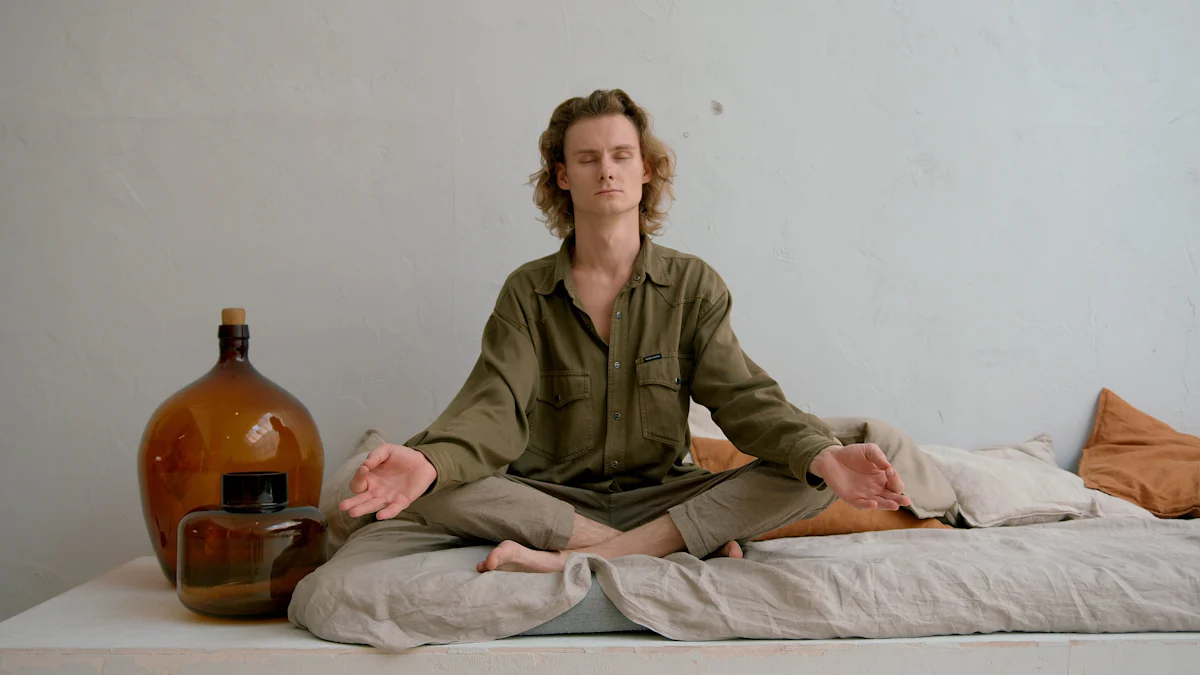
Karma Yoga, often referred to as the "yoga of action," is a spiritual practice that emphasizes selfless service and purposeful action. It teaches you to focus on your duties and responsibilities while letting go of any attachment to the results. This approach encourages you to act with integrity and mindfulness, aligning your actions with a higher purpose. By practicing Karma Yoga, you can transform ordinary tasks into meaningful opportunities for personal and spiritual growth.
The Definition of Karma Yoga
At its core, Karma Yoga is about performing actions with selflessness and dedication. The word "karma" means action, encompassing not only physical deeds but also your thoughts and words. In this practice, you aim to act without ego or selfish desires. Instead of seeking rewards or recognition, you focus on the act itself and its alignment with universal principles.
As described in the Bhagavad Gita, Lord Krishna explains that Karma Yoga involves fulfilling your duties without attachment to the outcomes. This detachment liberates you from the cycle of cause and effect, allowing you to experience inner peace and spiritual freedom.
Karma Yoga also integrates the concept of dharma, which refers to your moral and ethical responsibilities. By adhering to dharma, you ensure that your actions contribute positively to the world around you. This practice helps you cultivate discipline, humility, and a sense of purpose in everything you do.
How Karma Yoga Differs from Other Forms of Yoga
Unlike other forms of yoga, such as Bhakti Yoga (the yoga of devotion) or Jnana Yoga (the yoga of knowledge), Karma Yoga focuses on action rather than meditation or worship. While Bhakti Yoga emphasizes love and surrender to a higher power, and Jnana Yoga seeks wisdom through self-inquiry, Karma Yoga centers on how you engage with the world through your actions.
One key distinction lies in its emphasis on selflessness. In Karma Yoga, you act not for personal gain but for the benefit of others and the greater good. This contrasts with other yoga paths that may prioritize individual enlightenment or spiritual connection. Additionally, Karma Yoga encourages you to detach from the fruits of your labor, teaching you to find joy and fulfillment in the process rather than the outcome.
Another unique aspect of Karma Yoga is its relevance to everyday life. You don’t need to retreat to a secluded space or dedicate hours to meditation. Instead, you can practice Karma Yoga through simple, intentional actions in your daily routine. Whether helping a neighbor, volunteering, or performing your job with sincerity, every action becomes an opportunity to embody the principles of Karma Yoga.
By understanding what Karma Yoga is and how it differs from other forms of yoga, you can begin to see its transformative potential. This practice not only enhances your spiritual journey but also helps you lead a more balanced and purposeful life.
The Origins and Spiritual Significance of Karma Yoga
Karma Yoga holds a profound place in spiritual philosophy, offering a path to self-realization through selfless action. Its roots trace back to ancient Hindu scriptures, where it is presented as a way to align your actions with universal principles. By understanding its origins and spiritual significance, you can appreciate how this practice transforms ordinary tasks into meaningful contributions to your spiritual journey.
Karma Yoga in the Bhagavad Gita
The Bhagavad Gita, one of the most revered texts in Hindu philosophy, serves as the cornerstone for understanding Karma Yoga. In this scripture, Lord Krishna imparts wisdom to Arjuna, emphasizing the importance of performing duties without attachment to the results. Krishna explains that true liberation, or moksha, arises when you act selflessly, focusing on the action itself rather than the rewards it may bring.
"You have the right to perform your duties, but you are not entitled to the fruits of your actions." – Bhagavad Gita, Chapter 2, Verse 47
This teaching highlights the essence of Karma Yoga: dedicating your efforts to a higher purpose while relinquishing personal desires. By practicing this discipline, you free yourself from the cycle of cause and effect, known as karma. This liberation allows you to experience inner peace and spiritual growth.
The Bhagavad Gita also portrays Karma Yoga as a practical guide for ethical living. It encourages you to approach every task with sincerity and mindfulness, transforming even mundane activities into acts of devotion. Through this perspective, Karma Yoga becomes more than a spiritual practice—it becomes a way of life that fosters compassion, humility, and a sense of duty.
The Role of Dharma and the Law of Karma
Karma Yoga intertwines deeply with the concepts of dharma and the law of karma. Dharma refers to your moral and ethical responsibilities, guiding you to act in ways that uphold righteousness and harmony. By adhering to your dharma, you ensure that your actions contribute positively to the world around you.
The law of karma, on the other hand, emphasizes that every action has consequences. Good deeds lead to positive outcomes, while harmful actions result in negative repercussions. Karma Yoga teaches you to transcend this cycle by performing selfless actions without attachment to their results. This detachment purifies your intentions, allowing you to act with kindness and compassion.
When you embrace Karma Yoga, you view your actions as offerings to the greater good. This mindset helps you overcome ego-driven tendencies, fostering a deeper connection to the universal consciousness. As Swami Vivekananda once said, "Karma Yoga is the attaining through unselfish work of freedom. It leads to infinite expansion and is the goal of all religions and moral teachings."
By integrating the principles of dharma and the law of karma, Karma Yoga provides a framework for living a spiritually enriching life. It encourages you to act with integrity, serve others selflessly, and find contentment in the act itself. This approach not only cleanses your soul but also brings balance and fulfillment to your existence.
Key Principles of Karma Yoga
Karma Yoga revolves around a set of guiding principles that help you align your actions with selflessness and spiritual growth. By understanding and practicing these principles, you can transform your daily activities into meaningful contributions to your personal and spiritual journey.
Selflessness in Action
Selflessness forms the foundation of Karma Yoga. It encourages you to act without expecting rewards or recognition. When you perform your duties with pure intentions, you free yourself from the grip of ego and selfish desires. This approach fosters compassion and kindness, allowing you to serve others wholeheartedly.
"The best way to find yourself is to lose yourself in the service of others." – Mahatma Gandhi
Through selfless action, you contribute to the well-being of others while cultivating inner peace. Whether helping a friend, volunteering, or simply offering a kind gesture, every act of selflessness strengthens your connection to the greater good. By focusing on the needs of others, you create a life filled with purpose and fulfillment.
Detachment from Outcomes
Detachment from outcomes is a core principle of Karma Yoga. It teaches you to perform your duties without clinging to the results. This mindset helps you break free from the cycle of karma, where actions driven by personal gain often lead to attachment and suffering.
When you detach from outcomes, you shift your focus to the process rather than the end result. This perspective allows you to act with sincerity and dedication, regardless of success or failure. As the Bhagavad Gita states:
"You have the right to perform your duties, but you are not entitled to the fruits of your actions."
By embracing detachment, you liberate yourself from the stress and anxiety that often accompany expectations. This practice not only enhances your mental clarity but also helps you approach challenges with resilience and grace.
Mindfulness and Intention
Mindfulness and intention play a vital role in Karma Yoga. Acting mindfully means being fully present in each moment, paying attention to your thoughts, words, and actions. When you act with intention, you ensure that your efforts align with your values and higher purpose.
Mindfulness helps you recognize the impact of your actions on yourself and others. It encourages you to act with awareness, avoiding impulsive or harmful behavior. Intention, on the other hand, ensures that your actions stem from a place of integrity and compassion.
By combining mindfulness with intention, you transform ordinary tasks into meaningful experiences. Whether completing a work assignment or engaging in a conversation, every action becomes an opportunity to practice Karma Yoga. This approach not only enriches your daily life but also deepens your spiritual connection.
The Benefits of Practicing Karma Yoga

Karma Yoga offers profound benefits that extend beyond physical well-being, enriching your mind, heart, and spirit. By embracing this practice, you can experience personal transformation and foster deeper connections with the world around you.
Personal Growth and Inner Peace
Practicing Karma Yoga nurtures personal growth by encouraging you to act selflessly and with pure intentions. When you focus on serving others without expecting anything in return, you begin to shed ego-driven desires. This shift allows you to connect with your true self and align your actions with a higher purpose.
"Karma Yoga is the discipline of selfless action, where one does their duty at their best without any involvement of ego or attachment." – Anonymous Contributor
Through this discipline, you cultivate qualities like humility, patience, and resilience. These traits not only enhance your character but also help you navigate life's challenges with grace. Moreover, the act of selfless service brings a sense of inner peace. When you let go of attachment to outcomes, you free yourself from stress and anxiety, creating space for tranquility and contentment.
Spiritual Balance and Fulfillment
Karma Yoga bridges the gap between your spiritual aspirations and daily life. By integrating its principles into your routine, you create a harmonious balance between action and intention. This practice reminds you that spirituality is not confined to meditation or rituals—it thrives in every act of kindness and service.
"By incorporating a practice of Karma Yoga into my daily life, not only do I feel more spiritually fulfilled, but better overall!" – Anonymous Contributor
When you dedicate your actions to the greater good, you experience a profound sense of fulfillment. This feeling stems from knowing that your efforts contribute positively to the world. Over time, this spiritual alignment fosters a deeper connection to universal principles, guiding you toward self-realization and liberation.
Positive Impact on Relationships
Karma Yoga transforms the way you interact with others. By practicing selflessness and compassion, you strengthen your relationships and build meaningful connections. When you prioritize the well-being of others, you create an environment of trust, empathy, and mutual respect.
"The main benefit of Karma Yoga is the sheer joy of helping someone who is in need and seeing a smile on their face." – Anonymous Contributor
Acts of kindness, no matter how small, have a ripple effect. They inspire positivity and gratitude in those around you, fostering a sense of community and belonging. Additionally, by detaching from expectations, you approach relationships with authenticity and sincerity. This mindset not only enriches your bonds with others but also brings joy and nourishment to your own heart.
Incorporating Karma Yoga into your life allows you to grow as an individual, find spiritual balance, and create a positive impact on the people around you. By embracing this path, you unlock the potential to lead a more meaningful and fulfilling existence.
How to Incorporate Karma Yoga into Daily Life
Incorporating Karma Yoga into your daily life allows you to transform ordinary actions into meaningful practices. By embracing selflessness, detachment, and mindfulness, you can align your actions with a higher purpose and foster spiritual growth. Here are practical ways to integrate Karma Yoga into your routine.
Practicing Selfless Service
Selfless service, or seva, lies at the heart of Karma Yoga. It involves performing acts of kindness without expecting anything in return. You can start by helping others in small but impactful ways. For example:
Offer assistance to a colleague or neighbor.
Volunteer for community projects or charitable organizations.
Perform household chores with the intention of supporting your family.
When you approach these tasks with pure intentions, they become opportunities to practice selflessness. As you serve others, you cultivate humility and compassion, which are essential qualities in Karma Yoga.
"The best way to find yourself is to lose yourself in the service of others." – Mahatma Gandhi
By dedicating your actions to the greater good, you contribute positively to the world while nurturing your inner peace.
Cultivating Detachment
Detachment from outcomes is a cornerstone of Karma Yoga. It teaches you to focus on the process rather than the results. This mindset helps you cope with stress and anxiety, as it frees you from the pressure of achieving specific outcomes.
To cultivate detachment, start by shifting your perspective. View your actions as offerings rather than means to an end. For instance:
Approach your work with sincerity, but let go of the need for recognition or rewards.
Practice gratitude journaling to remind yourself of the value of effort over results.
Use mantras or affirmations to reinforce the idea of surrendering to a higher purpose.
"You have the right to perform your duties, but you are not entitled to the fruits of your actions." – Bhagavad Gita, Chapter 2, Verse 47
This principle encourages you to act with integrity and dedication, regardless of success or failure. Over time, detachment fosters resilience and emotional balance, allowing you to navigate life's challenges with grace.
Living with Purpose and Mindfulness
Living with purpose and mindfulness transforms your daily activities into meaningful experiences. Mindfulness involves being fully present in each moment, while purpose ensures that your actions align with your values.
To practice mindfulness, pay attention to your thoughts, words, and actions. Simple habits like mindful breathing or focusing on one task at a time can help you stay present. For example:
While cooking, focus on the process rather than rushing to finish.
During conversations, listen actively and respond thoughtfully.
Reflect on the intention behind your actions to ensure they align with your higher purpose.
Purposeful living requires you to see the deeper meaning in everyday actions. Whether you're working, studying, or spending time with loved ones, approach each activity with sincerity and dedication. By doing so, you embody the principles of Karma Yoga and create a life filled with balance and fulfillment.
"Karma Yoga is about making daily actions into offerings, having an attitude of offering and seeing the deeper meaning in everyday actions." – Practitioners and Teachers
By integrating selfless service, detachment, and mindfulness into your routine, you can practice Karma Yoga in every aspect of your life. This approach not only enhances your spiritual journey but also brings joy and purpose to your daily existence.
Common Misconceptions About Karma Yoga
Misunderstanding Selflessness
Many people believe that practicing selflessness in Karma Yoga means neglecting their own needs entirely. This misconception often leads to burnout or feelings of resentment. However, true selflessness does not require you to sacrifice your well-being. Instead, it encourages you to act with pure intentions, free from ego or personal gain.
Selflessness in Karma Yoga focuses on performing your duties with a sense of service. It asks you to prioritize the greater good while maintaining balance in your life. For example, helping others should not come at the expense of your physical or mental health. By taking care of yourself, you ensure that your actions remain sustainable and meaningful.
"Karma Yoga is the discipline of selfless action, where one does their duty at their best without any involvement of ego or attachment."
This quote highlights the essence of selflessness in Karma Yoga. It is not about denying your needs but about acting without selfish motives. When you embrace this mindset, you create a harmonious balance between serving others and nurturing yourself.
Misinterpreting Detachment
Detachment in Karma Yoga often gets misunderstood as indifference or lack of care. Some assume that letting go of outcomes means not putting effort into their actions. This interpretation misses the true meaning of detachment. In Karma Yoga, detachment involves focusing on the process rather than obsessing over the results.
When you detach from outcomes, you do not abandon responsibility. Instead, you perform your duties with sincerity and dedication, trusting that the results will unfold as they should. This approach helps you avoid stress and disappointment, especially when things do not go as planned.
"You have the right to perform your duties, but you are not entitled to the fruits of your actions." – Bhagavad Gita, Chapter 2, Verse 47
This teaching emphasizes that detachment is not about apathy. It is about releasing the need for control over the results. By doing so, you free yourself from the emotional burden of success or failure. This mindset allows you to act with clarity and purpose, unclouded by fear or desire.
Detachment also helps you break free from the cycle of karma. Actions driven by attachment often create more desires, trapping you in a loop of cause and effect. Practicing detachment purifies your intentions, enabling you to act selflessly and align with universal principles.
By understanding the true meanings of selflessness and detachment, you can avoid these common misconceptions. Karma Yoga becomes a powerful tool for personal growth and spiritual liberation when practiced with clarity and intention.
Karma Yoga teaches you to act selflessly, detach from outcomes, and live with mindfulness. By embracing these principles, you unlock personal growth, inner peace, and spiritual fulfillment. This practice transforms your daily actions into meaningful contributions to the greater good.
"The key to a meaningful life lies in the internal quality of our actions and detachment from their results."
Integrating Karma Yoga into your life fosters balance and purpose. Start small—serve others, act with intention, and let go of expectations. Through these steps, you create a more harmonious and fulfilling existence.
See Also
Exploring Why Yoga Matters in Modern Society
Examining the 2022 Yoga Theme for Global Well-Being
Defining Yoga: A Simple Explanation of Its Essence

Hi my name is Lia and i am your host in this yoga journey in Portugal, Subscribe to our newsletter to receive every week the best of Yoga in Portugal.

We bring back the importance of initiation into womanhood by Roos-Veerle Krijnen & Ella-June Henrard
Welcome to the Women’s Initiation Retreat by Naked Truth Retreats, a transformative journey into the depths of your True Feminine Nature. This retreat invites you to remember the sacredness and wholeness of your being.
Roos-Veerle Krijnen & Ella-June Henrard