Unlock Your Running Potential with Yoga Techniques

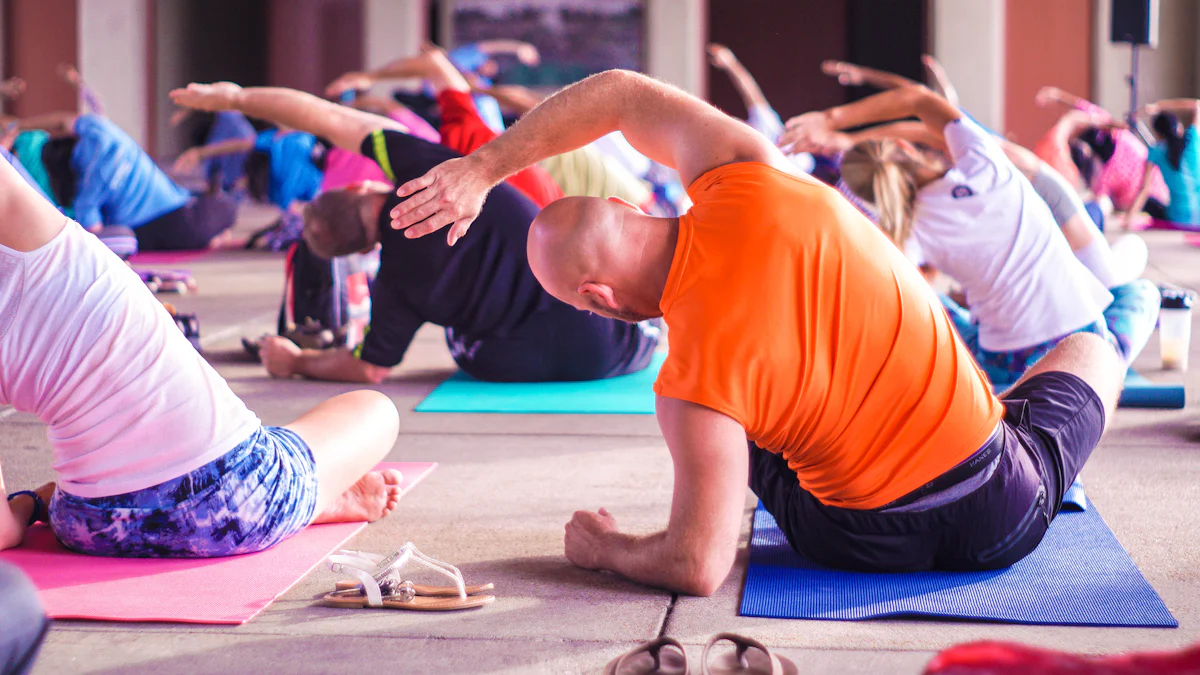
Yoga for runners offers a fantastic way to boost your performance. It enhances flexibility, strength, and mental focus, which are all crucial for hitting your running goals. You’ll find that incorporating yoga into your routine improves your breathing techniques, helping you endure longer runs. Plus, regular practice promotes balance and alignment, reducing your risk of injuries. Embrace these benefits and unlock your full running potential!
Key Takeaways
Incorporating yoga into your running routine enhances flexibility, allowing for better movement and reduced injury risk.
Yoga builds strength in key muscle groups, improving your running efficiency and helping to prevent fatigue.
Practicing mindful breathing techniques through yoga increases lung capacity, enabling you to run longer with less effort.
Regular yoga practice promotes better alignment and balance, significantly reducing the likelihood of common running injuries.
Yoga enhances mental focus and clarity, helping you stay present and improve your performance during runs.
Aim for at least two to three yoga sessions per week, gradually increasing duration and intensity to maximize benefits.
Start with short sessions and listen to your body, ensuring a safe and effective integration of yoga into your running routine.
The Benefits of Yoga for Runners
Improved Flexibility
Yoga for runners significantly boosts your flexibility. Tight muscles can hinder your performance and lead to injuries. Regular yoga practice stretches those muscles, allowing you to move more freely. Studies show that participants in yoga programs experience better flexibility and balance compared to those who don’t practice. Imagine being able to reach your toes or stretch your hips without discomfort. That’s the power of yoga!
Enhanced Strength
Strength plays a vital role in running. You need strong muscles to propel yourself forward and maintain good form. Yoga helps you build strength in key muscle groups like your quads, glutes, and hamstrings. These muscles support your running and help prevent fatigue. Engaging in yoga not only strengthens these areas but also improves your overall body awareness. You’ll notice how your body moves and reacts, which can enhance your running efficiency.
Better Breathing Techniques
Breathing efficiently is crucial for endurance. Yoga teaches you how to control your breath, which can improve your running performance. By practicing deep, mindful breathing, you increase your lung capacity and oxygen intake. This technique allows you to run longer and with less effort. Many runners find that incorporating yoga into their routine helps them manage their breath better during runs. You’ll feel more relaxed and focused, making each run more enjoyable.
Injury Prevention
Injuries can derail your running journey. Fortunately, yoga for runners offers a powerful way to prevent them. Regular yoga practice strengthens key muscle groups and improves flexibility. This combination helps you maintain proper alignment while running. When your body stays aligned, you reduce the risk of strains and sprains.
Yoga also targets tight areas that often lead to injuries. For instance, tight hip flexors and hamstrings can cause imbalances. By stretching these muscles, you promote better movement patterns. A study found that yoga significantly reduces the risk of common running injuries. Runners who practiced yoga reported fewer injuries compared to those who didn’t.
Incorporating yoga into your routine not only helps you recover but also keeps you injury-free. You’ll notice how your body feels more balanced and resilient.
Mental Focus and Clarity
Running requires mental strength as much as physical endurance. Yoga enhances your mental focus and clarity, which can elevate your performance. Through mindfulness and breath control, yoga teaches you to stay present. This practice helps you tune into your body and listen to its needs during runs.
Many runners find that yoga improves their concentration. You learn to block out distractions and focus on your breath and movement. This mental training translates to better performance on the track or trail. A study highlighted that yoga increases mental awareness, allowing runners to connect with their bodies more deeply.
When you practice yoga, you also reduce stress. Lower stress levels lead to clearer thinking and improved decision-making. You’ll feel more in control during your runs, making each step purposeful. Embrace yoga as a tool to sharpen your mind and enhance your running experience.
Key Yoga Poses for Runners
Downward-Facing Dog
Downward-Facing Dog is a fantastic pose for runners. This pose stretches your hamstrings, calves, and spine. You start on your hands and knees, then lift your hips up and back. Your body forms an inverted V shape. Hold this position for several breaths. Feel the stretch in your legs and back. This pose not only enhances flexibility but also strengthens your arms and shoulders. You’ll notice improved alignment and posture, which can help you run more efficiently.
Pigeon Pose
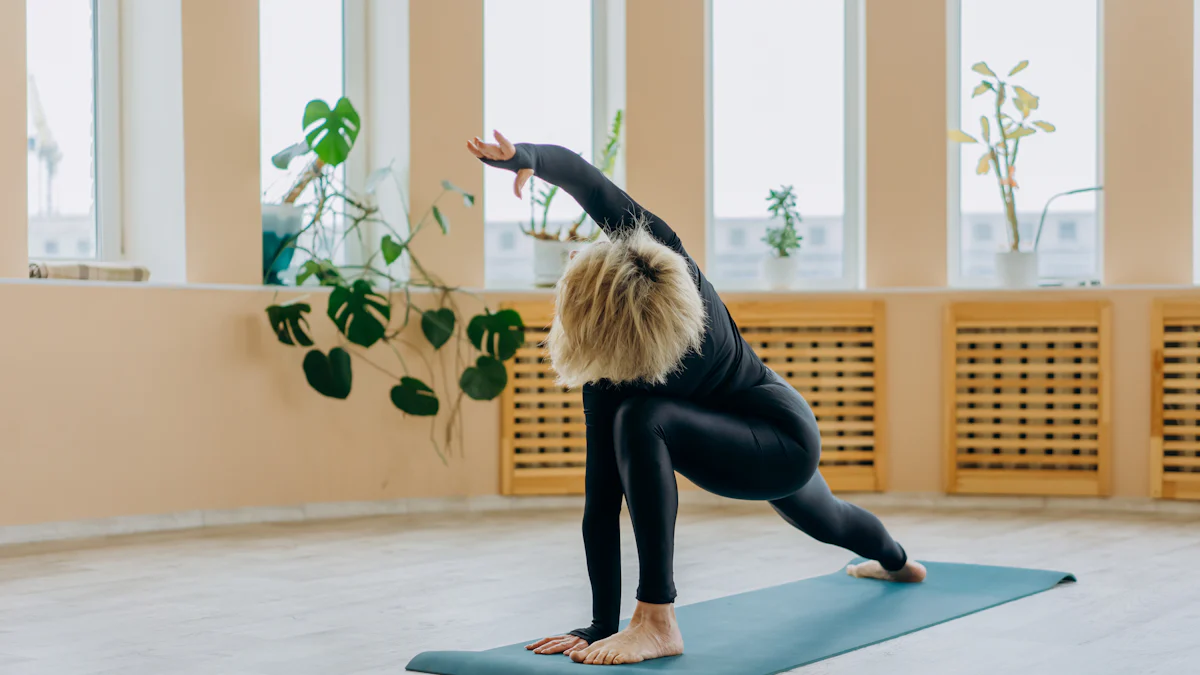
Pigeon Pose targets your hips, a crucial area for runners. Tight hips can lead to discomfort and injuries. To perform this pose, start in a tabletop position. Bring one knee forward and place it behind your wrist. Extend the opposite leg straight back. Lower your torso toward the ground. Breathe deeply and relax into the stretch. This pose opens up your hips and releases tension. Many runners find that practicing Pigeon Pose regularly helps them maintain better mobility and reduces the risk of injuries.
Warrior II
Warrior II is a powerful pose that builds strength and stability. Stand tall and step one foot back, keeping your front knee bent. Extend your arms parallel to the ground, gazing over your front hand. This pose strengthens your legs, core, and arms. It also improves your balance and focus. As you hold Warrior II, visualize yourself as a strong runner. This mental imagery can boost your confidence during runs. Incorporating this pose into your routine can enhance your overall performance and help you tackle challenging terrains with ease.
Seated Forward Bend
Seated Forward Bend is a fantastic pose for runners. This stretch targets your hamstrings and lower back, areas that often tighten during runs. To perform this pose, sit on the floor with your legs extended in front of you. Inhale deeply, then exhale as you reach forward toward your toes. Keep your spine long and avoid rounding your back. Hold this position for several breaths, feeling the stretch deepen with each exhale.
This pose not only enhances flexibility but also calms your mind. Many runners find that practicing Seated Forward Bend after a run helps them cool down and relax. You’ll notice how this pose releases tension in your body, making it easier to recover. Regular practice can improve your overall range of motion, allowing you to run more freely and comfortably.
Bridge Pose
Bridge Pose is another excellent addition to your yoga routine. This pose strengthens your glutes, hamstrings, and lower back, which are crucial for running. To get into Bridge Pose, lie on your back with your knees bent and feet flat on the floor, hip-width apart. Press your feet into the ground as you lift your hips toward the ceiling. Keep your shoulders relaxed and your arms at your sides. Hold this position for several breaths, feeling the strength in your legs and core.
Bridge Pose also opens up your chest and improves your posture. Good posture helps you maintain proper alignment while running, reducing the risk of injuries. Many runners experience tightness in their hips and lower back, and this pose can alleviate that discomfort. By incorporating Bridge Pose into your routine, you’ll build strength and stability, making your runs more efficient.
Incorporating these poses into your yoga practice can significantly enhance your running performance. You’ll feel stronger, more flexible, and better prepared for your next run. So, roll out your mat and give these poses a try!
How Yoga Enhances Recovery
Reducing Muscle Tension
After a long run, your muscles often feel tight and fatigued. Yoga provides a fantastic way to reduce that muscle tension. Through various poses, you stretch and release the tight spots in your body. This practice helps you relax and recover faster.
Many runners experience muscle rigidity due to repetitive training. You might focus on external techniques, which can lead to an overly tight body. Yoga shifts your attention inward. It encourages you to connect with your body’s movements. As you practice, you’ll notice how your muscles respond to each pose. This internal focus allows you to balance strength and increase your range of motion.
“Yoga benefits the internal focus and centers your attention on your own body’s movements rather than an external outcome.”
By incorporating yoga into your routine, you can effectively combat muscle tension and promote relaxation.
Promoting Circulation
Good circulation is essential for recovery. Yoga enhances blood flow throughout your body, delivering oxygen and nutrients to your muscles. Improved circulation helps flush out toxins and reduces soreness after your runs.
When you practice yoga, you engage in deep breathing. This technique not only calms your mind but also supports better circulation. As you inhale deeply, your body expands, allowing blood to flow more freely. You’ll find that this increased circulation aids in faster recovery, making you feel rejuvenated and ready for your next run.
“Adding yoga to your training regimen may be your saving grace. Practicing yoga helps the body recover, improves flexibility and range of motion, and enhances strength and stability—all of which makes you a better runner.”
Enhancing Mind-Body Connection
Yoga strengthens the connection between your mind and body. This connection plays a crucial role in your recovery process. When you practice yoga, you learn to listen to your body. You become more aware of its needs and limitations.
As you move through different poses, you coordinate your breath with each subtle movement. This integration of body, mind, and breath fosters a deeper understanding of your physical state. You’ll find that this awareness helps you make better decisions during your runs.
“Through consistent and systematic asana conditioning, you can engage, strengthen, and place demands on all of your intrinsic muscle groups, which support and stabilize the skeletal system.”
By enhancing your mind-body connection, yoga not only improves your recovery but also elevates your overall running experience. Embrace these benefits and watch how they transform your running journey!
Integrating Yoga into Your Running Routine
Setting a Schedule
Creating a consistent schedule for yoga practice can significantly enhance your running routine. Aim for at least two to three yoga sessions each week. You can start with shorter sessions, around 20 to 30 minutes, and gradually increase the duration as you become more comfortable. Consider scheduling your yoga practice on days when you don’t run or after your runs to help with recovery.
Here’s a simple way to structure your week:
Monday: Easy run + 20-minute yoga session focusing on flexibility.
Wednesday: Strength training run + 30-minute yoga session targeting core strength.
Friday: Long run + restorative yoga session to aid recovery.
This approach allows you to balance running and yoga effectively, ensuring you reap the benefits of both practices.
Combining Yoga with Running Workouts
Integrating yoga into your running workouts can elevate your performance. You can use yoga as a warm-up or cool-down. Before your run, try poses like Downward-Facing Dog or Warrior II to activate your muscles and improve flexibility. These poses prepare your body for the physical demands of running.
After your run, focus on restorative poses such as Seated Forward Bend or Bridge Pose. These stretches help release tension and promote recovery. You’ll find that combining yoga with your running workouts enhances your overall experience.
Expert Insight:
REI Expert states, “Whether you're new to running or more advanced, a regular yoga practice can help you stretch and strengthen the muscles you use to propel you along the sidewalk or trail.”
This insight highlights how yoga complements your running, making it easier to maintain your routine and prevent injuries.
Finding the Right Classes or Online Resources
Finding the right yoga classes or online resources can make your practice enjoyable and effective. Look for local studios that offer classes specifically designed for runners. Many studios provide beginner-friendly options, so don’t hesitate to ask about classes that suit your level.
If you prefer practicing at home, numerous online platforms offer yoga videos tailored for runners. Websites like YouTube have a wealth of free content. Search for terms like "yoga for runners" to discover various routines.
Consider these tips when choosing resources:
Check Reviews: Look for classes with positive feedback from other runners.
Trial Classes: Many studios offer trial classes. Attend a few to find the right fit.
Follow Along: Choose videos that guide you through each pose clearly.
By exploring different options, you’ll find the perfect resources to enhance your yoga practice. Embrace this journey, and watch how yoga transforms your running routine!
Tips for Beginners
Starting with Short Sessions
When you first dive into yoga, keep your sessions short. Start with just 10 to 15 minutes. This approach helps you ease into the practice without feeling overwhelmed. Focus on a few basic poses that target your flexibility and strength. As you become more comfortable, gradually extend your sessions. You’ll find that even short practices can make a big difference in your running performance.
Listening to Your Body
Pay attention to how your body feels during yoga. Each pose should feel challenging yet comfortable. If something doesn’t feel right, don’t push through the discomfort. Instead, modify the pose or take a break. Yoga is all about tuning into your body’s needs. By listening to yourself, you can prevent injuries and enhance your practice. Remember, it’s not about perfection; it’s about progress.
“Yoga helps runners recover. A gentle yoga practice can help you relax your body and mind.”
This insight highlights the importance of being mindful during your sessions. You’ll learn to recognize when to push yourself and when to take it easy.
Gradually Increasing Intensity
As you grow more confident in your practice, start increasing the intensity. Add more challenging poses or extend your session length. This gradual increase helps build strength and flexibility without risking injury. Aim for a balanced approach. Mix in restorative poses with more demanding ones. This balance allows your body to recover while still pushing your limits.
Consider this progression:
Weeks 1-2: Focus on basic poses like Downward-Facing Dog and Seated Forward Bend.
Weeks 3-4: Introduce more challenging poses like Warrior II and Pigeon Pose.
Weeks 5-6: Increase session length to 30-45 minutes, incorporating a mix of strength and restorative poses.
By following this plan, you’ll enhance your yoga practice while supporting your running goals. Embrace the journey, and enjoy the benefits that yoga brings to your running routine!
Success Stories: Runners Who Embrace Yoga
Personal Testimonials
Many runners have discovered the transformative power of yoga. They share how it has changed their running experience for the better. Here are a few inspiring stories:
Sarah, a marathon runner, struggled with tight hamstrings. After incorporating yoga into her routine, she noticed a significant improvement in her flexibility. “I can finally touch my toes! Yoga has helped me run longer without feeling tight,” she says.
Mike, a casual runner, faced frequent injuries. He decided to give yoga a try. “I used to think yoga wasn’t for me. Now, I can’t imagine my life without it. It has strengthened my core and reduced my injuries,” he shares.
These testimonials highlight how yoga can enhance your running journey. You might find that it helps you overcome challenges and reach new goals.
Notable Athletes Who Practice Yoga
Many elite athletes also embrace yoga as part of their training. They recognize its benefits for performance and recovery. Here are a few notable examples:
Kara Goucher, an Olympic runner, incorporates yoga into her training. She emphasizes the importance of flexibility and mental focus. “Yoga helps me stay centered and strong. It’s a crucial part of my routine,” she states.
Ryan Hall, a former American marathon record holder, practices yoga regularly. He believes it enhances his strength and balance. “Yoga keeps my body aligned and ready for the demands of running,” he explains.
These athletes show that yoga isn’t just for beginners. It can benefit runners at all levels. By following their lead, you can unlock your potential and elevate your running game.
Embrace yoga as a powerful tool in your training. You’ll join a community of runners who have experienced its incredible benefits.
Yoga serves as a powerful tool for you as a runner. It enhances your performance and boosts your overall well-being. By incorporating yoga into your routine, you unlock new levels of strength, flexibility, and mental clarity.
Start slowly and listen to your body. Aim for consistency, practicing once or twice a week to feel the benefits. Embrace yoga as a complementary practice. Elevate your running journey and enjoy the transformation it brings to your experience!
FAQ
How often should I practice yoga as a runner?
Aim for at least two to three yoga sessions each week. You can start with shorter sessions of 20 to 30 minutes. Gradually increase the duration as you become more comfortable. Consistency is key to reaping the benefits.
Can yoga really help prevent running injuries?
Absolutely! Yoga strengthens key muscle groups and improves flexibility. This combination helps maintain proper alignment while running. Many runners find that regular yoga practice reduces their risk of common injuries like shin splints and tight hips.
What are the best yoga poses for runners?
Some of the best poses include:
Downward-Facing Dog: Stretches hamstrings and calves.
Pigeon Pose: Opens up tight hips.
Warrior II: Builds strength and stability.
Seated Forward Bend: Targets hamstrings and lower back.
Bridge Pose: Strengthens glutes and lower back.
Incorporating these poses into your routine can enhance your performance.
How does yoga improve my breathing while running?
Yoga teaches you to control your breath through deep, mindful techniques. This practice increases your lung capacity and oxygen intake. As a result, you can run longer and with less effort, making each run more enjoyable.
Is it better to do yoga before or after running?
Both options have their benefits. Doing yoga before running can serve as a warm-up, activating your muscles and improving flexibility. Practicing yoga after your run helps with recovery, releasing tension and promoting relaxation.
Can beginners benefit from yoga?
Definitely! Yoga is accessible for all levels. Start with short sessions focusing on basic poses. As you grow more comfortable, gradually increase the intensity. Remember, it’s about progress, not perfection.
How does yoga enhance my mental focus for running?
Yoga promotes mindfulness and breath control. This practice helps you stay present and tune into your body during runs. Many runners report improved concentration and reduced stress, leading to a more enjoyable running experience.
What if I don’t have time for long yoga sessions?
Even short sessions can be effective. Aim for just 10 to 15 minutes focusing on a few key poses. You’ll still experience benefits in flexibility and strength, which can enhance your running performance.
Are there specific yoga classes for runners?
Yes! Many studios offer classes tailored for runners. Look for sessions that focus on flexibility, strength, and recovery. Online platforms also provide a variety of yoga videos designed specifically for runners.
How long will it take to see results from yoga?
Results vary from person to person. Many runners notice improvements in flexibility and strength within a few weeks of consistent practice. Embrace the journey, and enjoy the transformation that yoga brings to your running routine!
See Also
Awaken Your Inner Passion Through Home Erotic Yoga
Starting Your Journey with an Easy Yoga Practice
Achieving Yoga Mastery Under Al Bingham's Expertise

Hi my name is Lia and i am your host in this yoga journey in Portugal, Subscribe to our newsletter to receive every week the best of Yoga in Portugal.

We bring back the importance of initiation into womanhood by Roos-Veerle Krijnen & Ella-June Henrard
Welcome to the Women’s Initiation Retreat by Naked Truth Retreats, a transformative journey into the depths of your True Feminine Nature. This retreat invites you to remember the sacredness and wholeness of your being.
Roos-Veerle Krijnen & Ella-June Henrard