Understanding the Meaning of Yoga Through History

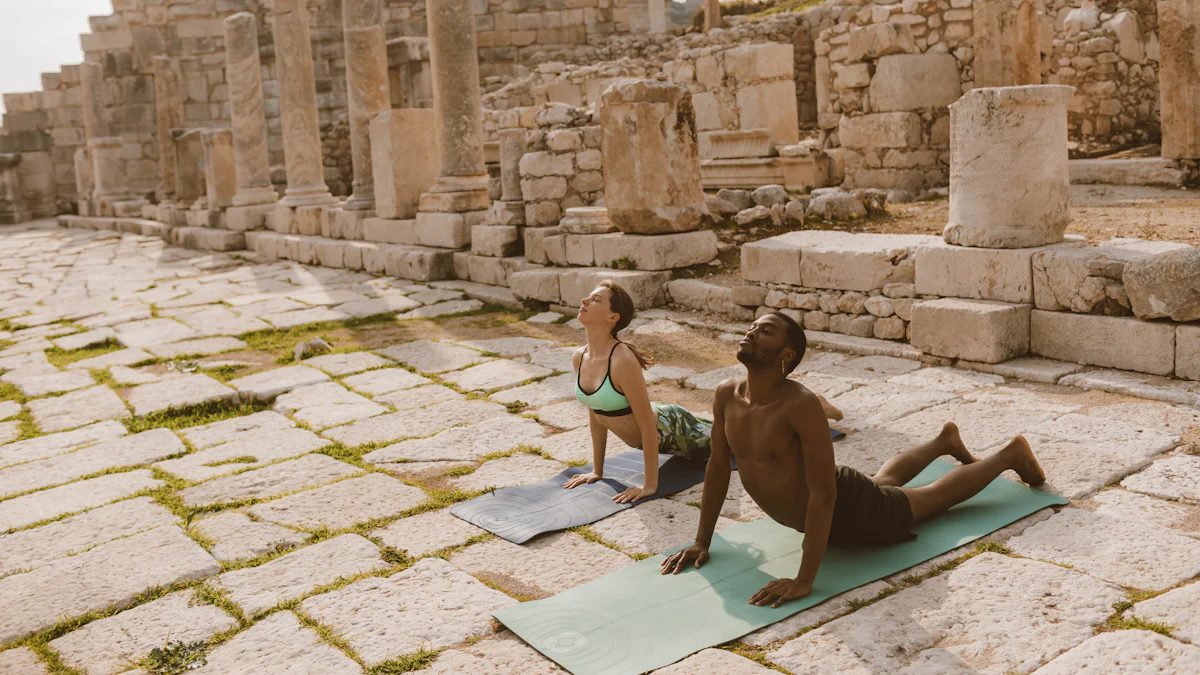
Yoga, an ancient practice with roots in northern India, has captivated millions worldwide. It transcends mere physical exercise, offering a holistic approach to well-being by uniting the mind, body, and breath. The yoga meaning lies in its ability to promote inner peace and self-realization. Over 5,000 years, yoga has evolved, incorporating diverse philosophies and practices from Hindu, Jain, and Buddhist traditions. Today, it thrives globally, with approximately 38.4 million Americans practicing regularly. This historical journey highlights yoga's enduring significance and its profound impact on contemporary society.
The Origins of Yoga
Ancient Beginnings
Pre-Vedic Traditions
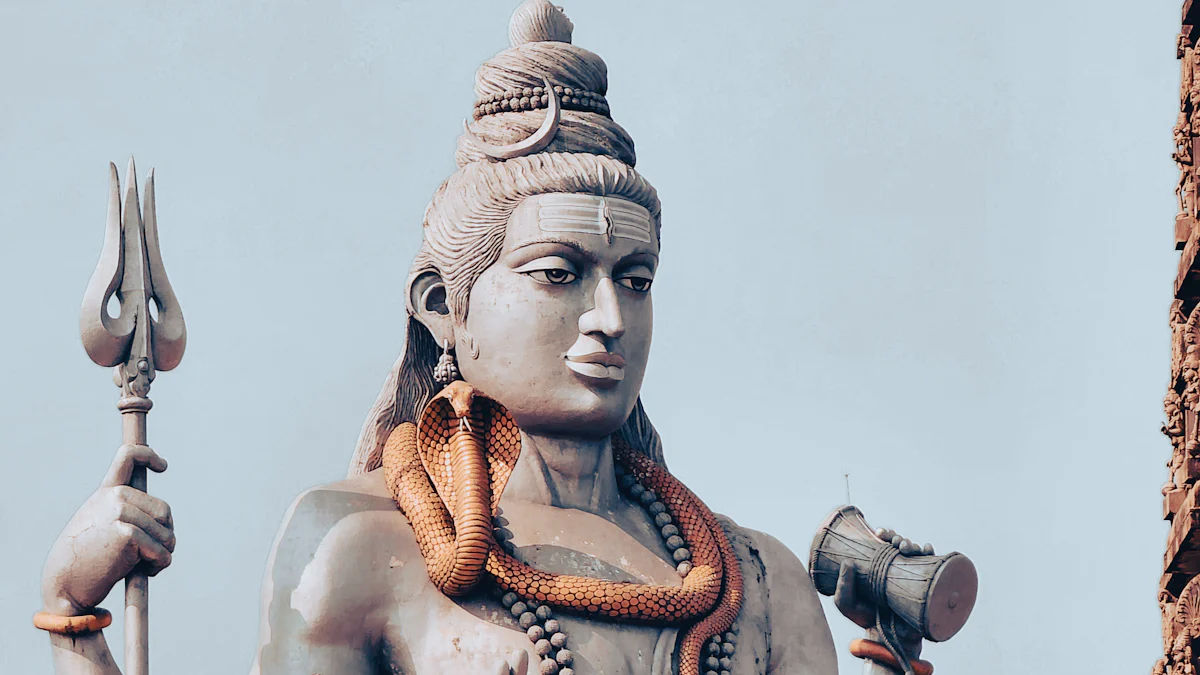
Yoga's roots extend deep into ancient history, possibly predating the Vedic period. The Indus Valley civilization, which thrived over 5,000 years ago, offers intriguing insights into early yoga practices. Archaeologists have discovered soapstone seals in the ruins of Mohenjo Daro and Harappa. These seals depict figures in poses resembling yoga postures, suggesting that yoga may have been practiced during this time.
Vedic Period and Early Texts
The Vedic period marks a significant phase in the development of yoga. The earliest mention of yoga appears in the Rig Veda, one of the oldest sacred texts of India. The Vedas, composed by ancient sages, laid the foundation for spiritual practices. Over time, the teachings of yoga evolved and found expression in the Upanishads and the Bhagavad Gita. These texts expanded on the philosophical aspects of yoga, emphasizing the union of the individual soul with the universal spirit.
Classical Yoga
Patanjali's Yoga Sutras
The classical period of yoga is often associated with the sage Patanjali, who compiled the Yoga Sutras around the second century BCE. This seminal text systematized yoga into a coherent philosophy and practice. Patanjali's work provided a framework for understanding the mind and achieving spiritual enlightenment. The Yoga Sutras remain a cornerstone of yoga philosophy, guiding practitioners in their quest for self-realization.
The Eight Limbs of Yoga
Patanjali introduced the concept of the Eight Limbs of Yoga, a comprehensive path to spiritual growth. These limbs include:
Yama: Ethical guidelines for living.
Niyama: Personal observances for self-discipline.
Asana: Physical postures to prepare the body.
Pranayama: Breath control to enhance energy flow.
Pratyahara: Withdrawal of the senses from external distractions.
Dharana: Concentration to focus the mind.
Dhyana: Meditation for inner awareness.
Samadhi: A state of blissful union with the divine.
The Eight Limbs offer a holistic approach to personal development, emphasizing the integration of body, mind, and spirit. Through these practices, individuals can attain a deeper understanding of themselves and their connection to the universe.
The Evolution of Yoga Practices
Post-Classical Yoga
Development of New Philosophies
Post-classical yoga marked a significant shift in the understanding and practice of yoga. During this period, new philosophies emerged, expanding the scope of yoga beyond its classical roots. Practitioners began to explore the potential of yoga as a means to achieve not only spiritual enlightenment but also physical and mental well-being. This era saw the integration of various Indian religious and philosophical traditions, leading to the diversification of yoga into different schools and practices.
Influence of Tantra
Tantra played a crucial role in shaping post-classical yoga. This spiritual tradition emphasized the use of rituals, meditation, and energy control to attain higher states of consciousness. Tantric practices introduced the concept of using the body as a tool for spiritual growth, which influenced the development of Hatha Yoga. Hatha Yoga focused on physical postures and breath control, laying the groundwork for many modern yoga styles. The influence of Tantra enriched yoga by incorporating a holistic approach that addressed the physical, mental, emotional, and spiritual aspects of life.
Modern Yoga
Introduction to Western Audiences
The introduction of yoga to Western audiences began in the late 19th and early 20th centuries. Indian gurus and spiritual leaders traveled to the West, sharing their knowledge and teachings. Figures like Swami Vivekananda played a pivotal role in popularizing yoga in the United States and Europe. They presented yoga as a universal practice that transcended cultural and religious boundaries, appealing to those seeking spiritual and personal growth.
Popularization in the 20th Century
The 20th century witnessed the widespread popularization of yoga across the globe. As scientific research began to support the health benefits of practicing yoga, healthcare professionals endorsed it as a valuable tool for improving physical and mental health. This led to a surge in yoga's popularity, with millions of people embracing it as part of their daily routine. Yoga therapy techniques emerged, offering holistic approaches to managing mental health and emotional well-being. Today, yoga continues to evolve, adapting to the needs of contemporary society while maintaining its core principles of unity and balance.
Understanding the Yoga Meaning Through Different Styles
Yoga, with its rich history and diverse practices, offers various styles that cater to different needs and preferences. Each style provides a unique perspective on the yoga meaning, emphasizing different aspects of the practice.
Hatha Yoga
Characteristics and Practices
Hatha Yoga, one of the most popular styles, focuses on physical postures and breath control. It serves as a foundation for many modern yoga practices. Practitioners engage in a series of poses, known as asanas, which aim to improve flexibility, strength, and balance. Proper breathing, or pranayama, accompanies these poses, enhancing energy flow and concentration. Hatha Yoga emphasizes relaxation and mindfulness, encouraging practitioners to connect their mind, body, and spirit.
"The overall philosophy of yoga is about connecting the mind, body, and spirit."
This quote encapsulates the essence of Hatha Yoga, which seeks to create harmony within oneself through disciplined practice.
Influence on Modern Yoga
Hatha Yoga has significantly influenced modern yoga styles. Its emphasis on physical postures and breath control laid the groundwork for contemporary practices like Vinyasa and Ashtanga. Many yoga classes today incorporate Hatha principles, focusing on alignment and mindful movement. The adaptability of Hatha Yoga allows it to cater to beginners and advanced practitioners alike, making it a versatile and enduring practice.
Ashtanga and Vinyasa
Dynamic Flow and Structure
Ashtanga and Vinyasa Yoga offer a more dynamic approach to yoga practice. Ashtanga Yoga follows a structured sequence of poses, performed in a specific order. This style emphasizes a continuous flow, linking breath with movement. Practitioners build strength, flexibility, and endurance through this rigorous practice. Vinyasa Yoga, often referred to as "flow" yoga, shares similarities with Ashtanga but allows for more creativity and variation in sequences. Both styles highlight the importance of synchronizing breath with movement, fostering a meditative state.
Key Figures and Teachers
Key figures have played pivotal roles in popularizing Ashtanga and Vinyasa Yoga. Pattabhi Jois, a renowned yoga teacher, developed the Ashtanga system, which gained international recognition. His teachings emphasized discipline and dedication, inspiring countless practitioners worldwide. Vinyasa Yoga, influenced by various teachers, encourages exploration and innovation within the practice. These styles continue to evolve, reflecting the diverse interpretations of yoga meaning and its application in contemporary life.
Yoga in Contemporary Society
Yoga as a Global Phenomenon
Adaptations and Innovations
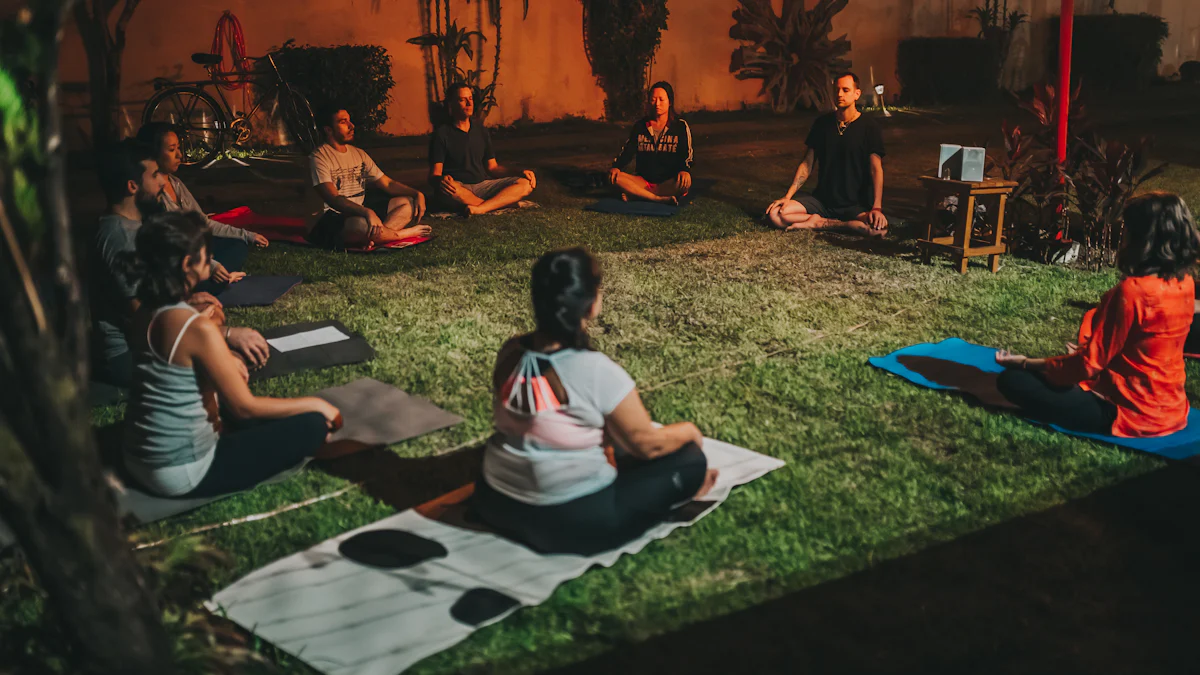
Yoga has transformed into a global phenomenon, adapting to diverse cultures and lifestyles. Practitioners worldwide have embraced yoga, integrating it into their daily routines. This widespread acceptance has led to numerous adaptations and innovations in yoga practices. For instance, some styles incorporate music and dance, while others focus on meditation and mindfulness. These variations reflect the evolving yoga meaning, which continues to resonate with people seeking balance and harmony in their lives.
Yoga in Popular Culture
Yoga's influence extends beyond personal practice, permeating popular culture. Celebrities and influencers often share their yoga journeys, inspiring millions to explore its benefits. Yoga studios and retreats have become trendy destinations, attracting individuals from all walks of life. The yoga meaning has expanded, symbolizing a lifestyle choice that promotes wellness and self-care. This cultural shift highlights yoga's enduring appeal and its ability to adapt to contemporary society.
The Role of Yoga in Wellness
Physical and Mental Benefits
Yoga offers numerous physical and mental benefits, making it a valuable tool for enhancing overall wellness. A significant percentage of practitioners report improvements in their health. According to surveys, 88% of respondents agree that yoga improved their physical health, while 86.2% noted enhancements in mental health. Yoga's emphasis on breath control and mindfulness helps reduce stress levels, with 82.6% of participants experiencing less stress. Additionally, yoga enhances strength and flexibility, with 87.1% and 91.6% of practitioners reporting improvements, respectively. These benefits underscore the profound yoga meaning, which encompasses both physical and mental well-being.
Yoga as a Lifestyle
For many, yoga transcends exercise, becoming a way of life. Practitioners often adopt healthier habits, reflecting yoga's holistic approach to wellness. Surveys reveal that 69.3% of individuals experience lifestyle changes due to yoga, while 57.4% report better sleep quality. The yoga meaning extends to personal growth and self-awareness, encouraging individuals to live mindfully and intentionally. As a lifestyle, yoga fosters a sense of community and connection, uniting people in their pursuit of health and happiness.
The Future of Yoga
Emerging Trends
Technology and Yoga
Technology continues to reshape the landscape of yoga, offering new ways to engage with the practice. Online platforms and mobile apps provide access to yoga classes, tutorials, and guided sessions, making yoga more accessible than ever before. Virtual reality (VR) and augmented reality (AR) technologies create immersive experiences, allowing practitioners to explore yoga in innovative environments. These advancements cater to diverse needs, enabling individuals to practice yoga at their own pace and convenience. As technology evolves, it will likely continue to influence how people perceive and practice yoga, expanding its reach and impact.
Sustainability and Yoga Practices
Sustainability has become a significant focus within the yoga community. Many practitioners and studios emphasize eco-friendly practices, such as using sustainable materials for yoga mats and props. Yoga retreats and workshops often promote environmental awareness, encouraging participants to adopt sustainable lifestyles. This trend reflects a growing recognition of the interconnectedness between personal well-being and environmental health. By integrating sustainability into yoga practices, the community can contribute to a healthier planet while fostering a deeper understanding of the yoga meaning.
Challenges and Opportunities
Cultural Appropriation
Cultural appropriation presents a challenge in the global expansion of yoga. As yoga gains popularity worldwide, some practitioners and businesses may overlook its cultural and spiritual roots. This can lead to the commercialization of yoga, stripping it of its authentic meaning and significance. To address this issue, educators and practitioners must emphasize the importance of respecting and honoring yoga's origins. By fostering cultural sensitivity and awareness, the yoga community can preserve the integrity of the practice while promoting inclusivity and diversity.
Preserving Traditional Practices
Preserving traditional yoga practices remains crucial as the practice evolves. While modern adaptations offer new perspectives, they should not overshadow the rich history and teachings of classical yoga. Practitioners and teachers can play a vital role in maintaining these traditions by studying ancient texts and philosophies. Workshops and training programs that focus on traditional practices can help ensure that future generations understand the depth and breadth of yoga. By balancing innovation with tradition, the yoga community can sustain the practice's essence and continue to explore its profound yoga meaning.
Yoga's historical journey, originating over 5,000 years ago in ancient India, has profoundly impacted modern society. It evolved from a spiritual practice into a global wellness phenomenon, offering diverse benefits beyond physical fitness. Today, yoga therapy plays a pivotal role in holistic well-being, recognized for its mental and physical health advantages. As yoga continues to grow, it holds the potential to shape global wellness trends. Its adaptability and inclusivity ensure its enduring significance, catering to various demographics and fitness levels. Yoga's future promises further integration into healthcare and lifestyle, enhancing personal and collective well-being.
See Also
Exploring the Fundamental Tenets of Yoga Philosophy
Exploring Yoga Nova's Distinctive Offerings
Essential Tips for Locating Nearby Yoga Classes

Hi my name is Lia and i am your host in this yoga journey in Portugal, Subscribe to our newsletter to receive every week the best of Yoga in Portugal.

We bring back the importance of initiation into womanhood by Roos-Veerle Krijnen & Ella-June Henrard
Welcome to the Women’s Initiation Retreat by Naked Truth Retreats, a transformative journey into the depths of your True Feminine Nature. This retreat invites you to remember the sacredness and wholeness of your being.
Roos-Veerle Krijnen & Ella-June Henrard