Understanding the Meaning and Origins of Yoga

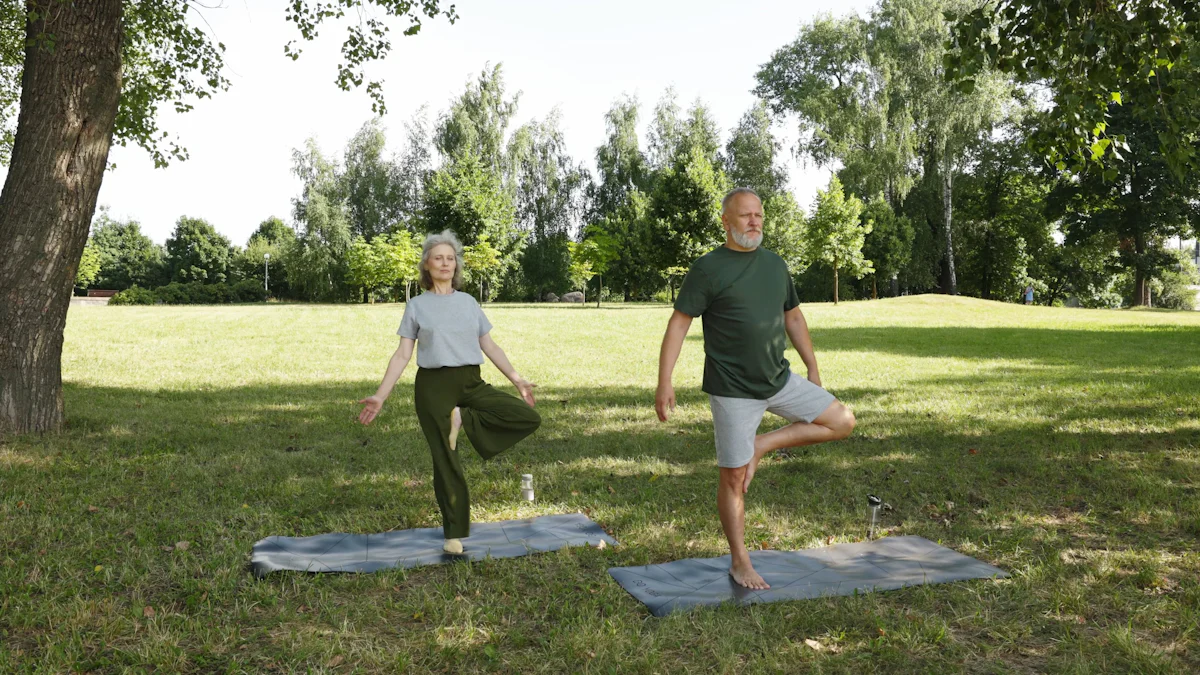
Yoga, a practice with deep roots in ancient India, offers more than just physical exercise. It embodies a philosophy that seeks to unite the mind, body, and spirit. Understanding the yoga meaning and its origins enriches your practice and connects you to a tradition that spans thousands of years. Today, yoga's popularity continues to soar, with over 36 million Americans embracing it as part of their lifestyle. This widespread appeal highlights the importance of exploring yoga's rich history and profound impact on personal well-being.
Historical Context of Yoga
Ancient Beginnings
Pre-Vedic Traditions
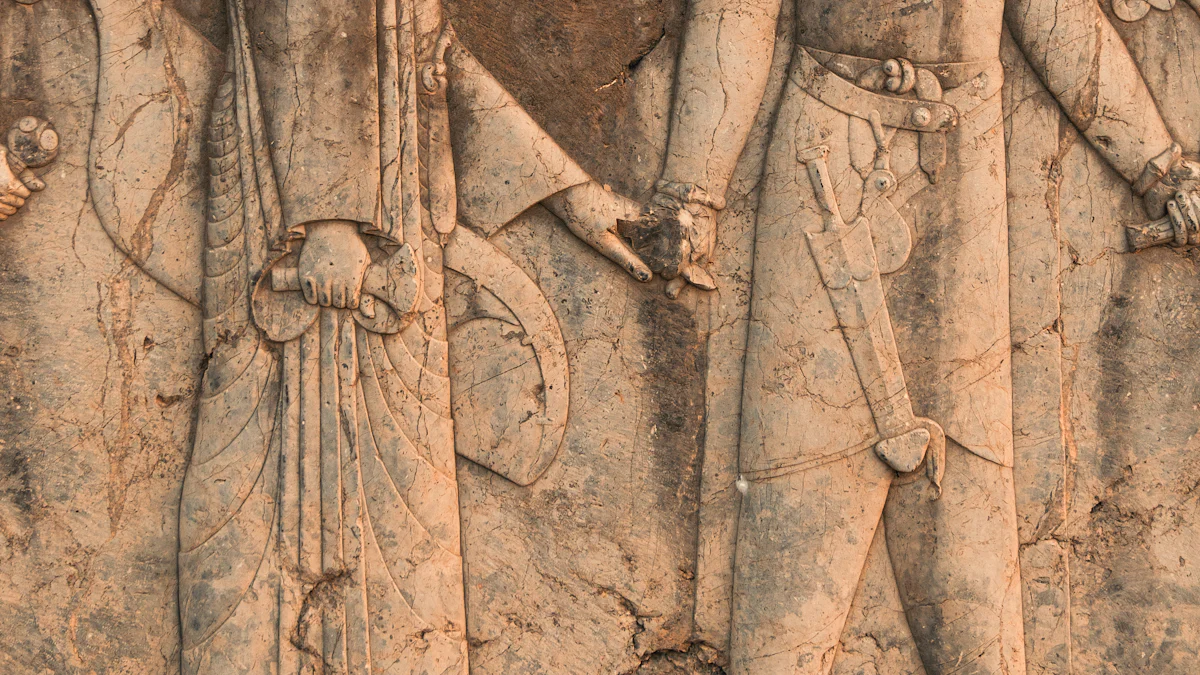
Yoga's roots stretch back over 5,000 years to the Indus-Sarasvati civilization in northern India. During this time, yoga emerged as a spiritual practice. It was not just about physical postures but also about connecting the mind and spirit. The earliest references to yoga appear in the Rig Veda, an ancient collection of texts dating back to 1500 BC. These texts primarily focused on rituals, mantras, and songs used by Vedic priests. However, they laid the groundwork for yoga as a meditative means of spiritual connection and enlightenment.
Vedic and Upanishadic Influences
As time progressed, the influence of the Vedas expanded. The Upanishads, composed between the 6th and 4th centuries BC, further developed the philosophical aspects of yoga. These texts emphasized meditation and the recitation of mantras as essential components of the practice. During this period, yoga became closely linked to Indian history and culture, particularly through its connections with Jainism and Buddhism. The practice of yoga spread throughout Asia and eventually across the world, evolving into various forms and styles.
Classical Yoga
Patanjali's Yoga Sutras
The systematic collection of yoga ideas found its expression in the Yoga Sutras of Patanjali, written nearly 2,000 years ago. Patanjali described yoga as 'citta-vrtti-nirodhah,' meaning the stilling of the mind. His work provided a comprehensive guide to the practice and philosophy of yoga, outlining the eight limbs of yoga, which serve as a path to spiritual enlightenment. These sutras remain a cornerstone of classical yoga, offering insights into achieving mental clarity and inner peace.
Development of Hatha Yoga
Following Patanjali's contributions, the development of Hatha Yoga marked a significant evolution in the practice. Hatha Yoga focused on physical postures and breathing techniques to prepare the body for meditation. This form of yoga gained prominence in the medieval period and laid the foundation for many modern yoga styles. By emphasizing the balance between body and mind, Hatha Yoga became a popular practice for those seeking physical health and spiritual growth.
Understanding the historical context of yoga allows you to appreciate its depth and significance. From its ancient beginnings to its classical development, yoga has evolved into a practice that continues to inspire and transform lives worldwide.
Defining Yoga
Etymology and Yoga Meaning
Sanskrit Roots
The term "yoga" originates from the ancient Sanskrit word "Yuj," which means "to join" or "to unite." This union refers to the connection between the individual self and the universal consciousness. In essence, yoga meaning encompasses the idea of bringing harmony between mind, body, and spirit. This practice is not merely physical; it is a spiritual discipline that aims to align your inner self with the cosmic order.
Interpretations Across Cultures
Yoga's journey across the globe has led to diverse interpretations of its meaning. In Western cultures, yoga often emphasizes physical postures and fitness. However, in its traditional context, yoga meaning extends beyond the physical realm. It includes ethical living, meditation, and breath control. Different cultures have embraced yoga, adapting its practices to fit their unique philosophies and lifestyles. Despite these variations, the core yoga meaning remains the pursuit of balance and unity.
Philosophical Underpinnings
The Eight Limbs of Yoga
The philosophy of yoga is deeply rooted in the teachings of Patanjali, who outlined the Eight Limbs of Yoga in his Yoga Sutras. These limbs provide a comprehensive framework for achieving spiritual enlightenment. They include:
Yama: Ethical standards and sense of integrity.
Niyama: Self-discipline and spiritual observances.
Asana: Physical postures.
Pranayama: Breath control.
Pratyahara: Withdrawal of senses.
Dharana: Concentration.
Dhyana: Meditation.
Samadhi: State of ecstasy or enlightenment.
These principles guide you toward self-realization and liberation from suffering. By following this path, you can achieve a harmonious balance between your mind and body.
Yoga as a Path to Enlightenment
Yoga serves as a journey toward self-actualization and peace. It encourages you to live a life filled with joy, gratitude, and mindfulness. The ultimate yoga meaning lies in its ability to unite individual consciousness with universal consciousness. This union leads to a deeper understanding of your place in the universe and fosters a sustainable lifestyle. Through yoga, you can transcend the material world and connect with the divine, achieving liberation and enlightenment.
Evolution of Yoga Practices
Transition to Modern Yoga
Influence of Western Culture
You might wonder how yoga, with its ancient roots, has transformed into the modern practice you see today. Western culture has played a significant role in this evolution. As yoga spread to the West in the late 19th and early 20th centuries, it began to adapt to Western preferences and lifestyles. This adaptation often emphasized the physical aspects of yoga, such as postures and fitness, over its spiritual and philosophical roots.
Western interest in health and wellness further fueled yoga's popularity. Scientific research has shown that yoga can improve flexibility, balance, strength, and mental health. These findings have led healthcare professionals to endorse yoga, creating growth opportunities in the market. As a result, yoga has become a staple in gyms, wellness centers, and even corporate environments.
Emergence of Various Styles
With the influence of Western culture, various styles of yoga have emerged to cater to different needs and preferences. You can now choose from a wide range of yoga practices, each offering unique benefits. Some popular styles include:
Hatha Yoga: Focuses on physical postures and breathing techniques.
Vinyasa Yoga: Emphasizes fluid movement and breath synchronization.
Bikram Yoga: Involves practicing in a heated room to enhance flexibility.
Ashtanga Yoga: A rigorous style that follows a specific sequence of postures.
Yin Yoga: Targets deep connective tissues through long-held poses.
These diverse styles allow you to find a practice that aligns with your personal goals, whether you seek physical fitness, stress relief, or spiritual growth.
Yoga in Contemporary Society
Popularity and Commercialization
In contemporary society, yoga has gained immense popularity. You might notice yoga studios popping up in urban areas, offering classes for all skill levels. This widespread appeal has led to the commercialization of yoga, with branded merchandise, online classes, and yoga retreats becoming common. While commercialization has made yoga more accessible, it has also sparked debates about maintaining the authenticity of the practice.
Despite these concerns, the benefits of yoga continue to attract practitioners worldwide. Studies indicate that yoga may be as effective as or better than traditional exercise in improving health-related outcomes. This effectiveness has contributed to its growing popularity, making yoga a mainstream activity.
Yoga as a Lifestyle
For many, yoga has evolved beyond a mere exercise routine into a holistic lifestyle. You might find that incorporating yoga into your daily life enhances your overall well-being. Practicing yoga regularly can lead to increased balance and flexibility, reduced anxiety and stress, and improved mental clarity. It also encourages mindfulness and a deeper connection with your inner self.
Yoga's impact extends beyond the individual. As more people embrace yoga as a lifestyle, communities form around shared values of health, mindfulness, and sustainability. This sense of community fosters support and motivation, helping you stay committed to your practice.
Benefits of Practicing Yoga
Physical Health Benefits
Flexibility and Strength
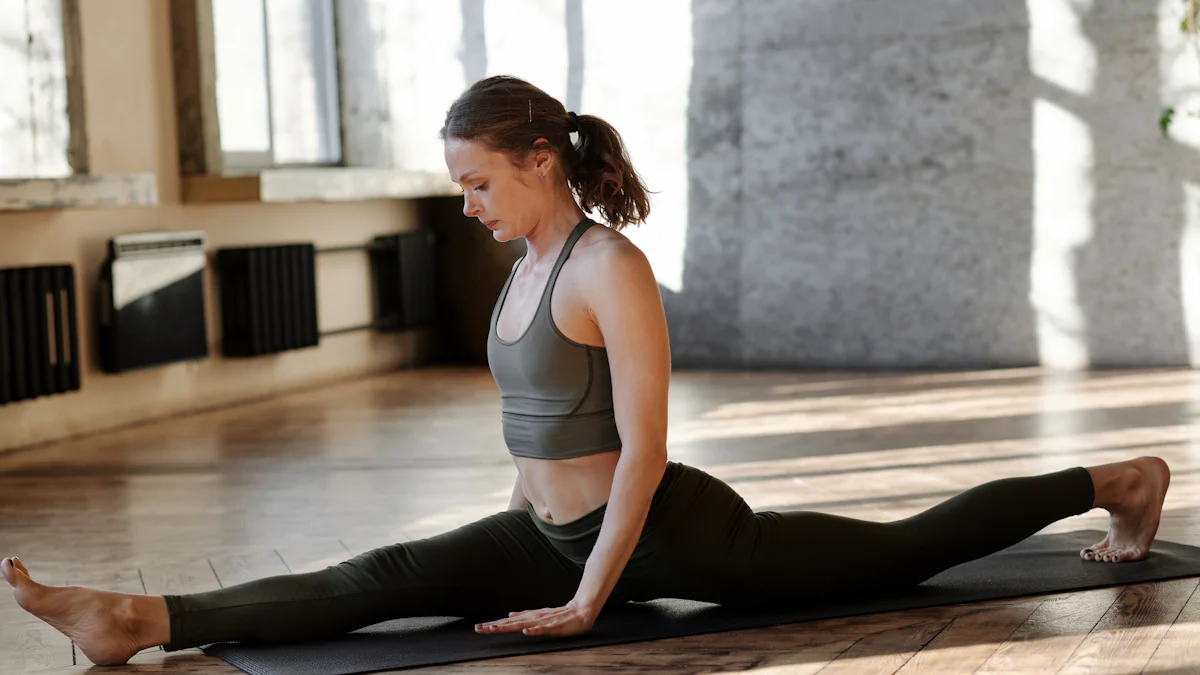
Practicing yoga regularly enhances your flexibility and strength. Unlike traditional exercise routines, yoga focuses on stretching and lengthening muscles. This approach helps you improve your range of motion and reduces the risk of injury. As you progress, you'll notice increased muscle tone and strength. Yoga poses, such as the Warrior and Downward Dog, engage multiple muscle groups, providing a full-body workout. Over time, these practices contribute to a more balanced and resilient physique.
Stress Reduction and Relaxation
Yoga offers a powerful tool for stress reduction and relaxation. By incorporating deep breathing and mindful movement, yoga activates the parasympathetic nervous system. This activation helps lower cortisol levels, reducing stress and promoting relaxation. You may find that regular yoga practice improves your ability to manage stress in daily life. Techniques like meditation and controlled breathing enhance your focus and calm your mind. As a result, yoga can be as effective as or even superior to traditional exercise in alleviating stress.
Mental and Emotional Well-being
Mindfulness and Meditation
Yoga encourages mindfulness and meditation, which are essential for mental well-being. Through focused breathing and intentional movement, you cultivate awareness of the present moment. This practice helps you develop a deeper connection with your thoughts and emotions. Mindfulness in yoga enhances your ability to concentrate and improves cognitive function. Studies suggest that yoga can positively impact brain regions responsible for interoception and posture. By integrating mindfulness into your routine, you can achieve greater mental clarity and emotional stability.
Emotional Balance and Resilience
Yoga fosters emotional balance and resilience by promoting self-awareness and acceptance. As you engage in yoga, you learn to observe your emotions without judgment. This practice helps you build emotional resilience, allowing you to navigate life's challenges with greater ease. Yoga-based treatments have shown promise as effective alternatives for managing conditions like Major Depressive Disorder (MDD). By enhancing your emotional well-being, yoga contributes to an improved quality of life. Embracing yoga as part of your lifestyle can lead to lasting emotional health and personal growth.
Practical Applications of Yoga
Integrating Yoga into Daily Life
Developing a Personal Practice
Developing a personal yoga practice can transform your daily routine. You don't need to spend hours on the mat; even a few minutes each day can make a difference. Start by setting aside a specific time for yoga, whether in the morning or evening. Consistency is key. Choose poses that suit your needs and gradually build your practice. You might focus on flexibility, strength, or relaxation. As you progress, you'll notice improvements in your physical and mental well-being. Yoga becomes more than exercise; it becomes a way to connect with yourself.
"Yoga is not just a sport but something to incorporate into daily life," says Karen Kurzmeyer, an experienced yoga practitioner. Her calm and positive approach inspires trust and encourages you to embrace yoga as part of your lifestyle.
Yoga in the Workplace
Incorporating yoga into the workplace can enhance productivity and well-being. Many companies now offer yoga sessions during breaks or after work hours. These sessions help reduce stress and improve focus. You can practice simple stretches at your desk or take a few minutes for deep breathing exercises. These small practices can lead to significant benefits, such as increased concentration and reduced tension. By integrating yoga into your workday, you create a healthier and more balanced environment.
Yoga for Specific Populations
Yoga for Children and Teens
Yoga offers numerous benefits for children and teens. It helps them develop physical strength, flexibility, and balance. More importantly, yoga teaches mindfulness and emotional regulation. Young practitioners learn to manage stress and anxiety through breathing exercises and meditation. Yoga classes for children often incorporate fun and engaging activities, making the practice enjoyable. By introducing yoga at a young age, you provide tools for lifelong health and well-being.
Yoga for Seniors
Yoga is equally beneficial for seniors, promoting physical health and mental clarity. Gentle yoga poses improve flexibility and joint mobility, reducing the risk of falls. Breathing exercises enhance lung capacity and circulation. Seniors practicing yoga often experience improved balance and coordination. Additionally, yoga fosters a sense of community and social connection, which is vital for emotional well-being. By adapting poses to suit individual needs, seniors can enjoy a safe and rewarding yoga practice.
Incorporating yoga into your life, regardless of age or setting, offers profound benefits. Whether you develop a personal practice, bring yoga into the workplace, or introduce it to specific populations, yoga enriches your life. Embrace yoga's practical applications and experience its transformative power.
Understanding yoga's meaning and origins enriches your practice and connects you to a tradition that spans thousands of years. Yoga offers numerous benefits, from physical health improvements to emotional well-being. As Jane Patricia shared, yoga helped her manage stress and improve her emotional life. Practicing yoga can transform your body and inspire a positive attitude, as noted by Andrea Bogart Yoga. Embrace yoga's potential to enhance your life. Explore its practices further and integrate them into your daily routine for a balanced and fulfilling lifestyle.

Hi my name is Lia and i am your host in this yoga journey in Portugal, Subscribe to our newsletter to receive every week the best of Yoga in Portugal.

We bring back the importance of initiation into womanhood by Roos-Veerle Krijnen & Ella-June Henrard
Welcome to the Women’s Initiation Retreat by Naked Truth Retreats, a transformative journey into the depths of your True Feminine Nature. This retreat invites you to remember the sacredness and wholeness of your being.
Roos-Veerle Krijnen & Ella-June Henrard