Understanding Yoga: Definition in Hindi

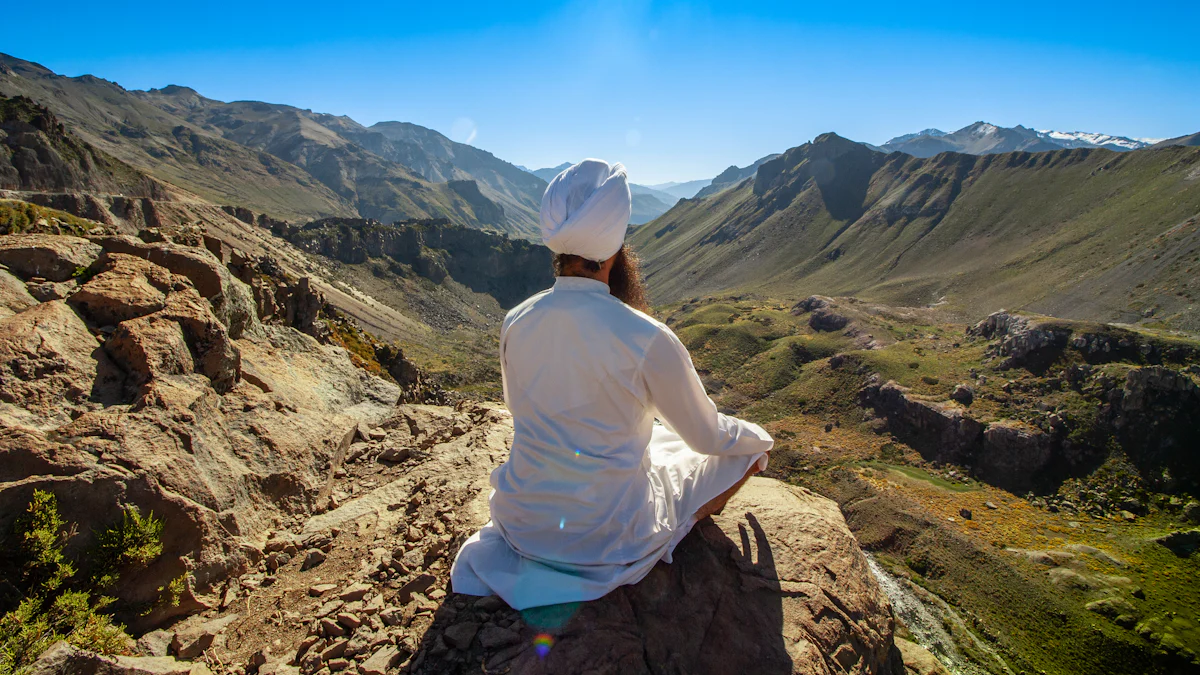
Yoga, or योग, is an ancient Indian practice that harmonizes your body, mind, and soul. This holistic approach has captivated millions worldwide, with approximately 300 million people embracing its benefits. In India, the birthplace of yoga, interest has surged, evidenced by a 30% increase in yoga tourism over the past five years. The definition of yoga in Hindi emphasizes this union, highlighting its role in achieving balance and well-being. As you explore yoga, you join a global community seeking peace and health through this timeless practice.
Definition of Yoga in Hindi
Direct Translation and Meaning
In Hindi, the definition of yoga is "योग," which signifies a profound union. This term originates from the Sanskrit word 'yuj,' meaning to join or unite. When you delve into the definition of yoga in Hindi, you discover that it embodies the integration of body, mind, and soul. This practice transcends mere physical exercises. It encompasses a holistic approach to achieving spiritual insight and tranquility. By understanding this definition, you gain a deeper appreciation of yoga's purpose and its transformative potential.
Core Concepts and Practices
Yoga is not just about physical postures or asanas. It is a comprehensive system that includes breathing exercises and meditation. These practices aim to control the body and mind, leading to spiritual insight and tranquility. The core concepts of yoga revolve around actions, knowledge, and devotion. Through consistent practice, you can train your consciousness to achieve a state of peace and balance. This journey involves a commitment to personal growth and self-discovery, allowing you to connect with your inner self and the universe.
By embracing these core concepts, you embark on a path of holistic well-being. Yoga encourages you to explore your potential and cultivate a harmonious existence. As you integrate these practices into your daily life, you experience the profound benefits of yoga, both physically and mentally. This ancient practice offers a timeless guide to achieving balance and harmony in a fast-paced world.
Etymology and Historical Context
Origin of the Word 'Yoga'
The word "Yoga" comes from the ancient Sanskrit language. It derives from the root word 'yuj,' which means to join or unite. This term reflects the essence of yoga as a practice that seeks to harmonize the body, mind, and soul. You can trace the origins of yoga back to the Indus Valley and the Magadha region, where ascetic yogis first practiced it. These early practitioners laid the foundation for what would become a profound spiritual discipline.
Historical Development of Yoga
Yoga's journey through history is rich and varied. It first appeared in the Indian epic Mahābhārata, evolving through different historical periods. Initially, Vedic pastoralists practiced yoga, focusing on rituals and hymns. Over time, it developed into classical Pātañjala yoga, which emphasized meditation and ethical living. During the medieval period, tantric techniques emerged, adding new dimensions to yoga practice.
"Yoga has had multiple meanings and developments over time, from Vedic pastoralists to classical Pātañjala yoga and medieval tantric techniques."
The concept of the four paths of yoga—Karma, Bhakti, Jnana, and Raja—originated from ancient Hindu philosophy. These paths guide you towards spiritual awakening and union with the divine. Each path offers unique practices and teachings, allowing you to choose the one that resonates most with your personal journey.
In Tantric Shaivism, yoga found a new expression, independent of the Vedic tradition. This form of yoga emphasized the merging of individual consciousness into the Supreme consciousness through practices like Prāṇāyāma and dhyāna. As you explore these historical developments, you gain insight into yoga's enduring appeal and its ability to adapt to different cultural contexts.
Branches of Yoga

Hatha Yoga
Hatha Yoga serves as the foundation for many modern yoga styles. It focuses on physical postures, or asanas, and breathing techniques, known as pranayama. By practicing Hatha Yoga, you can improve your flexibility, balance, and strength. This branch of yoga emphasizes the alignment of the body and mind, helping you achieve a state of harmony and peace. Regular practice can also enhance your mental clarity and reduce stress, making it an integral part of a holistic wellness regimen.
Raja Yoga
Raja Yoga, often referred to as the "royal path," centers on meditation and mental discipline. It aims to control the mind and achieve spiritual enlightenment. Through Raja Yoga, you cultivate focus and concentration, which can lead to profound self-awareness. This branch of yoga encourages you to explore your inner world and develop a deeper understanding of yourself. By honing your mental discipline, you can reduce symptoms of stress, anxiety, and depression, contributing to better mental health.
Karma Yoga
Karma Yoga, the yoga of action, teaches selflessness and service. It emphasizes performing actions without attachment to the results. By practicing Karma Yoga, you learn to act with integrity and compassion, fostering a sense of purpose and fulfillment. This path encourages you to engage in selfless acts, contributing positively to society and your own personal growth. As you cultivate selflessness, you nurture a sense of connection with others and the world around you, enhancing your overall well-being.
Bhakti Yoga
Bhakti Yoga, known as the path of devotion, emphasizes love and devotion towards a personal deity or the divine. This branch of yoga encourages you to cultivate a deep emotional connection with the divine through practices like chanting, prayer, and rituals. By engaging in Bhakti Yoga, you foster a sense of love and compassion, not only towards the divine but also towards others. This path helps you develop a heart-centered approach to life, promoting emotional well-being and inner peace.
Key Practices of Bhakti Yoga:
Chanting: Repeating sacred mantras or hymns to focus the mind and express devotion.
Prayer: Communicating with the divine to seek guidance and express gratitude.
Rituals: Performing traditional ceremonies to honor the divine presence.
Bhakti Yoga nurtures your emotional and spiritual growth, allowing you to experience a profound sense of unity with the universe. As you practice Bhakti Yoga, you learn to let go of ego and embrace humility, leading to a more fulfilling and harmonious life.
Jnana Yoga
Jnana Yoga, the path of knowledge, focuses on wisdom and self-inquiry. This branch of yoga encourages you to seek truth and understanding through study and contemplation. By practicing Jnana Yoga, you engage in deep reflection and analysis, questioning the nature of reality and your own existence. This path helps you develop discernment and clarity, guiding you towards self-realization and enlightenment.
Core Concepts of Jnana Yoga:
Self-Inquiry: Questioning your beliefs and perceptions to gain deeper insights.
Study of Scriptures: Reading and reflecting on sacred texts to expand your understanding.
Meditation: Focusing the mind to achieve inner stillness and awareness.
Jnana Yoga challenges you to look beyond the surface and explore the depths of your consciousness. As you delve into this path, you cultivate wisdom and insight, empowering you to live with greater purpose and authenticity.
Kundalini Yoga
Kundalini Yoga aims to awaken the dormant energy within you, known as kundalini. This energy resides at the base of your spine and, when activated, rises through the chakras, leading to spiritual awakening and transformation. Kundalini Yoga combines physical postures, breathing techniques, and meditation to stimulate this energy flow.
Elements of Kundalini Yoga:
Asanas: Physical postures designed to prepare the body for energy activation.
Pranayama: Breathing exercises to control and direct energy flow.
Meditation: Techniques to focus the mind and facilitate spiritual awakening.
Practicing Kundalini Yoga can enhance your physical and mental well-being, providing a sense of vitality and balance. As you explore this path, you unlock your potential and connect with your higher self, experiencing a profound transformation in your life.
Tantra Yoga
Tantra Yoga offers a unique path that integrates spiritual practices with physical and mental disciplines. This branch of yoga emphasizes the connection between the individual and the universe, aiming to awaken your inner energy and consciousness. By practicing Tantra Yoga, you explore the deeper aspects of your being, seeking to harmonize your body, mind, and spirit.
Core Elements of Tantra Yoga:
Mantras: Reciting sacred sounds or phrases to focus the mind and elevate spiritual awareness.
Yantras: Using geometric symbols as tools for meditation and concentration.
Rituals: Engaging in ceremonies that honor the divine and foster a sense of unity with the cosmos.
Tantra Yoga encourages you to embrace all aspects of life, viewing them as opportunities for growth and transformation. This practice teaches you to harness your energy and direct it towards achieving higher states of consciousness. As you delve into Tantra Yoga, you learn to balance your physical desires with spiritual aspirations, creating a holistic approach to well-being.
"Yoga has increasingly been used as therapy, for both physical and mental ailments. Regular yoga practice increases the quality of life, provides better mental clarity, and encourages a healthier way of life."
By incorporating Tantra Yoga into your routine, you can experience profound changes in your physical and mental health. This practice not only enhances your flexibility, balance, and strength but also reduces symptoms of stress, anxiety, and depression. As you continue on this path, you cultivate a deeper understanding of yourself and your place in the universe, leading to a more fulfilling and harmonious life.
Notable Definitions and Interpretations
Interpretations by Famous Practitioners
Famous practitioners have shaped the understanding of yoga through their unique interpretations. Swami Vivekananda, a key figure in introducing yoga to the Western world, emphasized the spiritual and philosophical aspects of yoga. He believed yoga was a path to self-realization and inner peace. His teachings highlighted the importance of meditation and ethical living as integral parts of yoga practice.
B.K.S. Iyengar, another renowned practitioner, focused on the physical aspects of yoga. He developed the Iyengar Yoga style, which emphasizes precision and alignment in postures. Iyengar's approach made yoga accessible to people of all ages and abilities, promoting its benefits for physical health and well-being.
Patanjali, the ancient sage, provided one of the earliest definitions of yoga in his Yoga Sutras. He described yoga as the control of the mind's fluctuations, emphasizing mental discipline and meditation. Patanjali's interpretation laid the foundation for many modern yoga practices, highlighting the importance of achieving mental clarity and focus.
Philosophical Interpretations
Philosophical interpretations of yoga delve into its deeper meanings and implications. The definition of yoga in Hindi, "योग," signifies a union that transcends physical exercises. It embodies the integration of body, mind, and soul, aiming for spiritual insight and tranquility.
Jnana Yoga, known as the path of knowledge, involves deep self-inquiry and contemplation. Practitioners engage in philosophical discussions and study sacred texts to understand the nature of the Self and the universe. This approach encourages you to question your beliefs and seek truth, guiding you toward self-realization.
Bhakti Yoga, regarded as the simplest yet most powerful yoga system, focuses on devotion and love for the divine. It emphasizes emotional connection and surrender, fostering a sense of unity with the universe. Through practices like chanting and prayer, Bhakti Yoga nurtures your spiritual growth and emotional well-being.
These philosophical interpretations highlight yoga's holistic nature, offering diverse paths to achieve balance and harmony. By exploring these interpretations, you can gain a deeper appreciation of yoga's transformative potential and its relevance in contemporary life.
Yoga offers a holistic approach to well-being, integrating the body, mind, and soul. Its practices, from physical postures to meditation, provide a path to inner peace and balance. In today's fast-paced world, yoga's relevance continues to grow. It serves as a tool for stress relief and self-discovery. As you explore yoga, you join a global community seeking harmony and health. Embrace this ancient practice to enhance your life and achieve a deeper connection with yourself and the universe.
See Also
Exploring Gyan Yoga: Its Philosophical Foundations and Application
The Core Philosophy of Karma Yoga Explained in Hindi
Exploring How Gajakesari Yoga Comes Into Existence

Hi my name is Lia and i am your host in this yoga journey in Portugal, Subscribe to our newsletter to receive every week the best of Yoga in Portugal.

We bring back the importance of initiation into womanhood by Roos-Veerle Krijnen & Ella-June Henrard
Welcome to the Women’s Initiation Retreat by Naked Truth Retreats, a transformative journey into the depths of your True Feminine Nature. This retreat invites you to remember the sacredness and wholeness of your being.
Roos-Veerle Krijnen & Ella-June Henrard