Understanding Yoga Asanas and Their Varieties

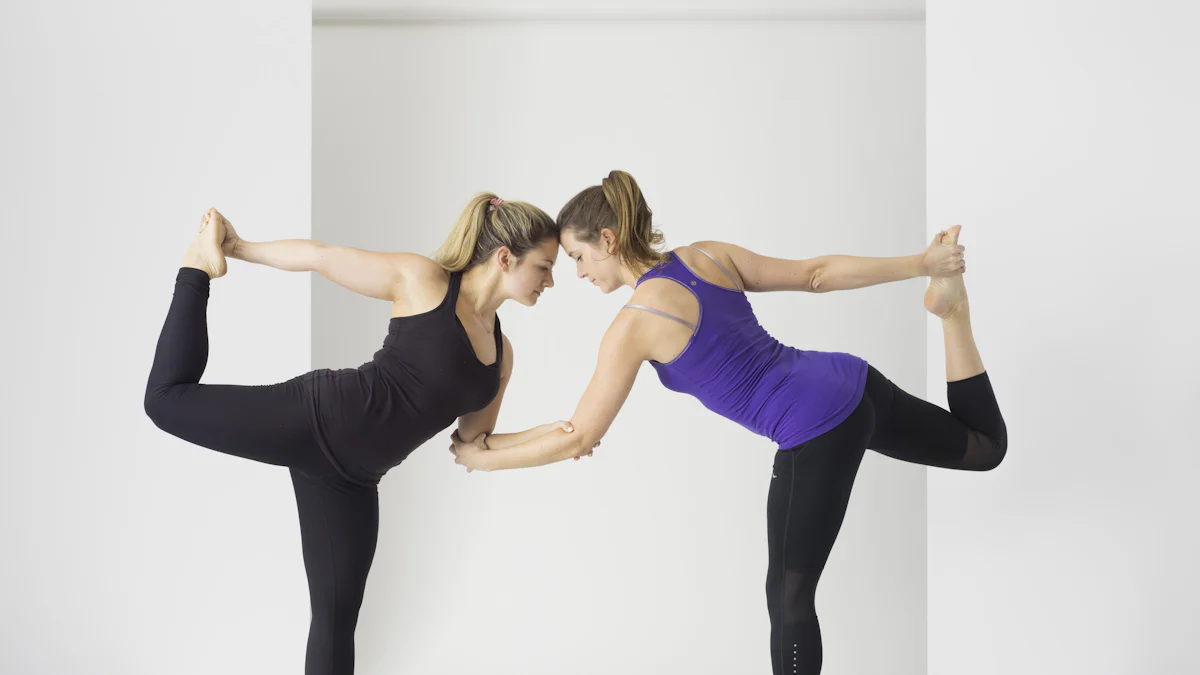
Yoga asanas, or physical postures, form the core of yoga practice. They play a crucial role in enhancing both physical and mental well-being. Many practitioners report significant improvements in flexibility, strength, and stress levels. For instance, 91.6% of individuals experience improved flexibility, while 87.1% feel stronger. The diversity of yoga and asanas allows you to tailor your practice to suit personal needs and preferences. Whether you seek general wellness, fitness improvement, or stress relief, yoga offers a variety of asanas to support your journey towards a healthier lifestyle.
Hatha Yoga and Asanas
Description and Key Characteristics
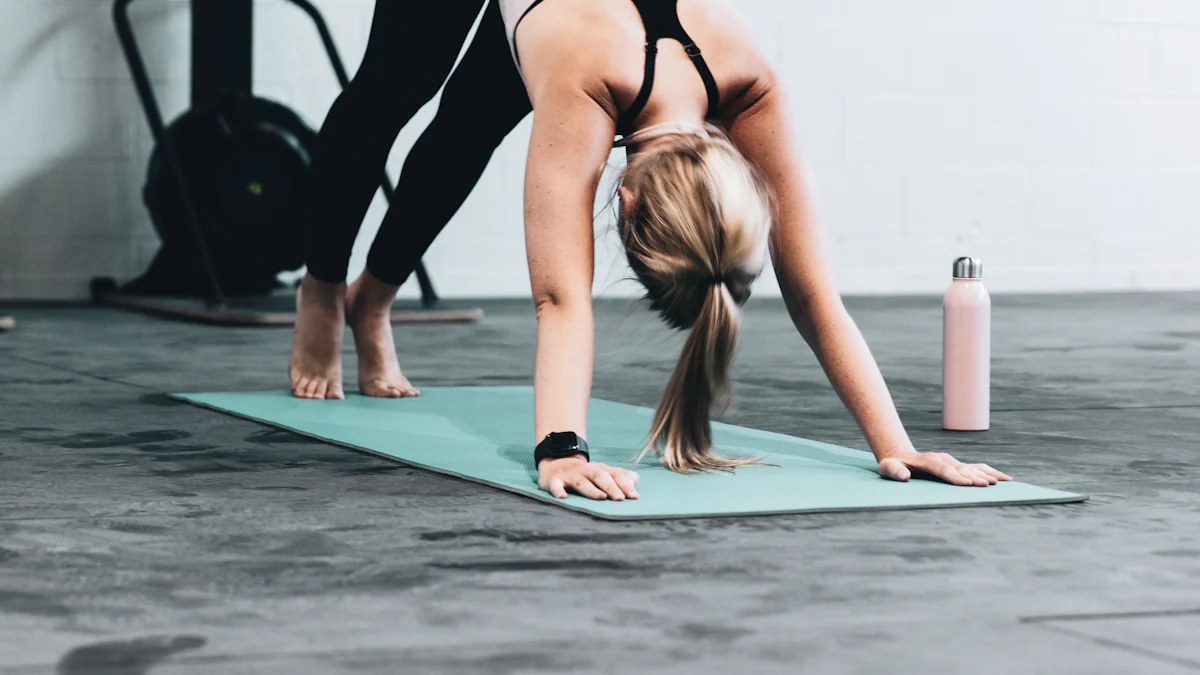
Hatha Yoga serves as a foundational style in the world of yoga and asanas. It focuses on balancing the body and mind through physical postures, breathing techniques, and meditation. You will find that Hatha Yoga emphasises slow and deliberate movements, allowing you to hold poses for extended periods. This approach helps you develop strength, flexibility, and mindfulness.
Scientific Research Findings:
A 2013 study published in the Journal of Nursing Research found that just 90 minutes of Hatha Yoga can significantly reduce stress levels. This makes it an excellent choice if you're looking to manage stress effectively.
Regular practice of Hatha Yoga has also been shown to decrease anxiety and depression levels. A 2018 study highlighted the positive impact of 12 sessions on mental health, making it a valuable tool for improving overall well-being.
A 2016 meta-analysis revealed that Hatha Yoga had a promising effect on anxiety, particularly for individuals with high initial anxiety levels. This suggests that Hatha Yoga can be especially beneficial if you struggle with anxiety.
Popular Hatha Asanas
In Hatha Yoga, several asanas stand out for their benefits and accessibility:
Tadasana (Mountain Pose): This pose helps improve posture and balance. It serves as a starting point for many other asanas.
Vrikshasana (Tree Pose): Practising this pose enhances your balance and concentration. It strengthens the legs and opens the hips.
Adho Mukha Svanasana (Downward-Facing Dog): This pose stretches the entire body, promoting flexibility and relieving tension.
Bhujangasana (Cobra Pose): It strengthens the spine and opens the chest, which can help improve breathing and posture.
Savasana (Corpse Pose): Often used for relaxation at the end of a session, this pose allows you to absorb the benefits of your practice and calm the mind.
By incorporating these popular Hatha asanas into your routine, you can experience the diverse benefits of yoga and asanas. Whether you aim to reduce stress, enhance flexibility, or improve mental clarity, Hatha Yoga offers a comprehensive approach to achieving your wellness goals.
Ashtanga Yoga and Asanas
Description and Key Characteristics
Ashtanga Yoga offers a dynamic and structured approach to yoga and asanas. You will find that it follows a specific sequence of postures, which you perform in a flowing and energetic manner. This style of yoga emphasises synchronising breath with movement, creating a meditative flow that enhances both physical and mental discipline.
Expert Testimony:
Dr. Nevins, an expert in Yoga and Mental Well-being, states, "Regular yoga practice creates mental clarity and calmness; increases body awareness; relieves chronic stress patterns; relaxes the mind; centres attention; and sharpens concentration."
In Ashtanga Yoga, you will experience a rigorous practice that builds strength, flexibility, and endurance. The structured nature of Ashtanga helps you develop a disciplined routine, which can lead to significant improvements in your overall well-being. This style of yoga is particularly beneficial if you seek a challenging and transformative practice.
Popular Ashtanga Asanas
Ashtanga Yoga includes a variety of asanas that form part of its structured sequences. Here are some popular ones you might encounter:
Surya Namaskar (Sun Salutation): This sequence of poses warms up the body and prepares it for more intense postures. It enhances flexibility and boosts energy levels.
Padmasana (Lotus Pose): A classic seated posture that promotes meditation and relaxation. It opens the hips and strengthens the back.
Utkatasana (Chair Pose): This pose strengthens the legs and core while improving balance and concentration.
Trikonasana (Triangle Pose): It stretches the legs and torso, increases stability, and improves digestion.
Sirsasana (Headstand): Known as the king of asanas, this inversion improves circulation and concentration, providing a sense of calm and focus.
By incorporating these Ashtanga asanas into your practice, you can experience the transformative power of yoga and asanas. Whether you aim to build strength, enhance flexibility, or achieve mental clarity, Ashtanga Yoga offers a comprehensive path to achieving your wellness goals.
Vinyasa Yoga and Asanas
Description and Key Characteristics
Vinyasa Yoga offers a dynamic and fluid approach to yoga and asanas. You will find that this style involves a sequence of poses that flow seamlessly from one to the next, much like a dance. Each movement synchronises with your breath, creating a harmonious and meditative experience. Unlike Hatha Yoga, Vinyasa moves at a faster pace and demands greater control over your breathing. This makes it more physically and emotionally challenging. You will often hold poses for longer periods, transitioning immediately to the next posture. This continuous flow enhances your cardiovascular fitness and builds strength and flexibility.
Vinyasa Yoga is not typically recommended for beginners due to its demanding nature. However, if you are looking for a practice that challenges both your body and mind, Vinyasa offers an invigorating experience. The emphasis on breath control and smooth transitions helps you develop a deeper connection between your body and mind, promoting mindfulness and concentration.
Popular Vinyasa Asanas
In Vinyasa Yoga, several asanas are commonly practised to create a flowing sequence:
Chaturanga Dandasana (Four-Limbed Staff Pose): This pose strengthens your arms, shoulders, and core. It serves as a transition between other poses in the Vinyasa flow.
Urdhva Mukha Svanasana (Upward-Facing Dog): It opens your chest and stretches your back, improving posture and flexibility.
Virabhadrasana II (Warrior II Pose): This powerful pose enhances your strength and stability. It also increases focus and concentration.
Ardha Uttanasana (Half Forward Bend): It stretches your spine and hamstrings, promoting flexibility and relieving tension.
Balasana (Child's Pose): Often used as a resting pose, it allows you to relax and rejuvenate during your practice.
By incorporating these Vinyasa asanas into your routine, you can experience the dynamic and transformative power of yoga and asanas. Whether you aim to improve your cardiovascular health, build strength, or enhance mental clarity, Vinyasa Yoga provides a comprehensive path to achieving your wellness goals.
Iyengar Yoga and Asanas
Description and Key Characteristics
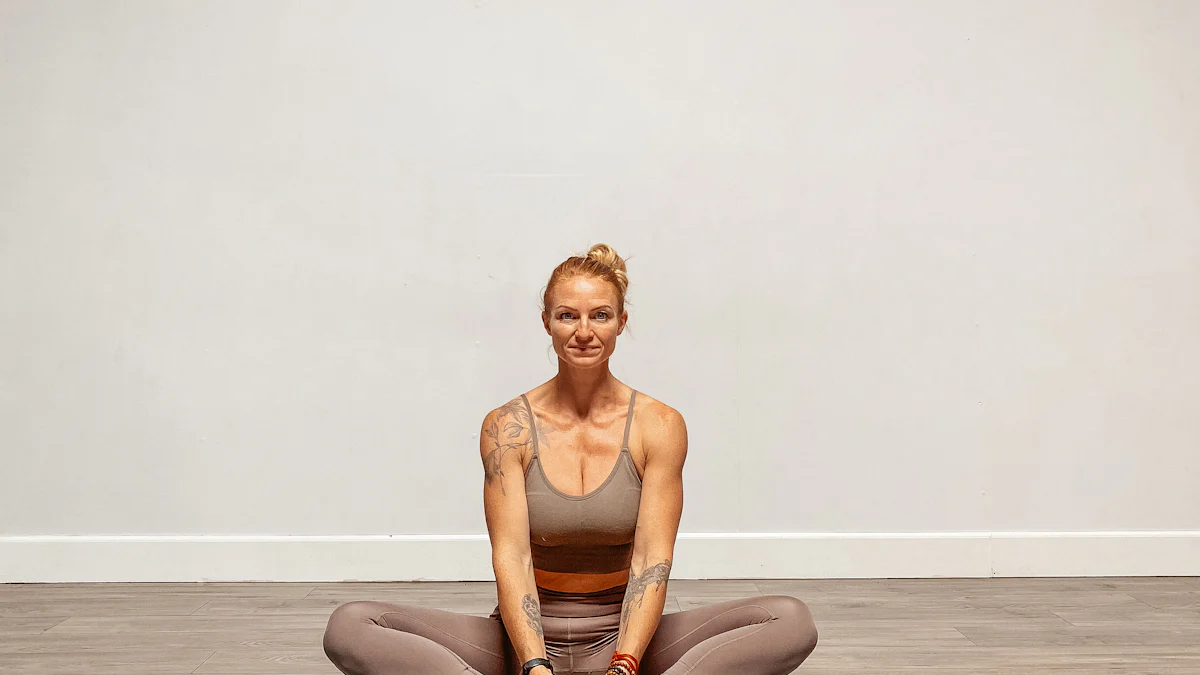
Iyengar Yoga, named after its founder B.K.S. Iyengar, is a distinctive style of yoga and asanas that emphasises precision and alignment. This approach ensures that you perform each posture with meticulous attention to detail, which enhances both the physical and mental benefits of your practice. Iyengar Yoga's roots are deeply embedded in the ancient Indian art of yoga, offering a journey that is practical, experiential, and intensely personal.
The evolution of Iyengar Yoga has significantly influenced millions of practitioners worldwide. Its focus on therapeutic applications makes it particularly beneficial if you are recovering from injuries or dealing with chronic conditions. The use of props such as blocks, straps, and bolsters is a hallmark of this style. These tools assist you in achieving the correct alignment, regardless of your level of flexibility or strength.
In 1975, B.K.S. Iyengar established the Ramamani Iyengar Memorial Yoga Institute in Pune, India. This institute, dedicated to his late wife, has become a place of pilgrimage for Iyengar students. It stands as a testament to the enduring legacy and global impact of Iyengar Yoga.
Popular Iyengar Asanas
Incorporating Iyengar asanas into your routine can greatly enhance your yoga practice. Here are some popular poses you might explore:
Tadasana (Mountain Pose): This foundational pose improves posture and balance. It helps you develop awareness of your body's alignment.
Trikonasana (Triangle Pose): This pose stretches the legs and torso, increases stability, and improves digestion. It is often practised with the aid of a block to ensure proper alignment.
Adho Mukha Svanasana (Downward-Facing Dog): A staple in many yoga practices, this pose stretches the entire body and promotes relaxation. In Iyengar Yoga, you might use a strap to maintain the correct distance between your hands and feet.
Setu Bandhasana (Bridge Pose): This backbend strengthens the spine and opens the chest. Props like a block under the sacrum can provide support and enhance the pose's benefits.
Viparita Karani (Legs-Up-the-Wall Pose): A restorative pose that calms the mind and relieves stress. It is often practised with a bolster under the hips for added comfort.
By integrating these Iyengar asanas into your practice, you can experience the profound benefits of yoga and asanas. Whether you aim to improve alignment, enhance flexibility, or find therapeutic relief, Iyengar Yoga offers a comprehensive path to achieving your wellness goals.
Kundalini Yoga and Asanas
Description and Key Characteristics
Kundalini Yoga offers a unique approach to yoga and asanas, focusing on awakening the energy at the base of your spine. This style combines physical postures, breathwork, meditation, and chanting to elevate your consciousness and promote spiritual growth. You will find that Kundalini Yoga aims to balance your chakras, which are energy centres within your body, leading to a harmonious state of being.
Kwali Kumara, a practitioner of Kundalini Yoga, shares that this practice provides the power and knowledge to live life more consciously. It encourages you to strive for happiness every day. The transformative nature of Kundalini Yoga can lead to profound changes in your life, helping you become more aware and connected to your inner self.
Snatam Kaur, a renowned musician and Kundalini Yoga practitioner, highlights the essential experience of peace and healing at the centre of this practice. This sense of tranquillity often translates into her beloved music, offering a glimpse into the spiritual journey that Kundalini Yoga facilitates.
Popular Kundalini Asanas
In Kundalini Yoga, several asanas are integral to awakening your energy and enhancing your practice:
Frog Pose (Mandukasana): This dynamic pose strengthens your legs and opens your hips. It stimulates the lower chakras, promoting energy flow.
Ego Eradicator: A powerful arm movement combined with breathwork, this exercise clears your mind and boosts your energy levels.
Sat Kriya: This posture involves sitting on your heels with arms extended overhead, chanting "Sat Nam." It balances your chakras and strengthens your core.
Spinal Flex: This seated movement increases flexibility in your spine and stimulates your nervous system, enhancing overall vitality.
Camel Pose (Ustrasana): A backbend that opens your heart chakra, promoting emotional release and spiritual awakening.
By incorporating these Kundalini asanas into your routine, you can experience the transformative power of yoga and asanas. Whether you aim to awaken your spiritual energy, enhance mental clarity, or achieve inner peace, Kundalini Yoga offers a comprehensive path to achieving your wellness goals.
Restorative Yoga and Asanas
Description and Key Characteristics
Restorative Yoga offers a gentle and nurturing approach to yoga and asanas, focusing on deep relaxation and stress relief. Unlike more vigorous styles, Restorative Yoga encourages you to slow down and hold poses for extended periods. This practice allows your body to release tension and your mind to find peace. You will often use props like bolsters, blankets, and blocks to support your body, ensuring comfort and alignment in each posture.
"Restorative yoga allows us the opportunity to relieve that tension and stress building up. When we take care of our mental health and get the rest we need, we are more creative and productive when we do hit the work hustle." - Anonymous Contributor
In today's fast-paced world, many people overlook the importance of slowing down. Restorative Yoga provides a sanctuary where you can pause and rejuvenate. This practice not only enhances your physical well-being but also nurtures your mental health. By embracing stillness, you cultivate a deeper awareness of your body and mind, promoting overall balance and harmony.
Popular Restorative Asanas
Incorporating Restorative Yoga into your routine can significantly enhance your well-being. Here are some popular asanas you might explore:
Supta Baddha Konasana (Reclining Bound Angle Pose): This pose opens your hips and chest, promoting relaxation and reducing stress. You can use a bolster under your back for added support.
Viparita Karani (Legs-Up-the-Wall Pose): A restorative favourite, this pose calms your mind and relieves tired legs. It is often practised with a bolster under your hips for comfort.
Balasana (Child's Pose): This gentle forward bend stretches your back and shoulders, providing a sense of security and peace. You can place a blanket under your head for extra comfort.
Setu Bandhasana (Supported Bridge Pose): This backbend opens your chest and strengthens your spine. Using a block under your sacrum can enhance the pose's benefits.
Savasana (Corpse Pose): Often used at the end of a session, this pose allows you to absorb the benefits of your practice and achieve deep relaxation.
By integrating these restorative asanas into your practice, you can experience the profound benefits of yoga and asanas. Whether you aim to reduce stress, enhance relaxation, or improve mental clarity, Restorative Yoga offers a comprehensive path to achieving your wellness goals.
Practising various yoga and asanas offers numerous benefits, enhancing your flexibility, strength, and mental clarity. You will find that yoga improves muscle tone, balance, and overall well-being. It also aids in relaxation, reducing stress and anxiety. Exploring different types of yoga asanas allows you to discover what best suits your personal needs and goals. Consistency and mindfulness in your practice are crucial for long-term benefits. By integrating yoga into your routine, you can achieve a harmonious balance between body and mind, leading to a healthier lifestyle.
See Also
Exploring Various Yoga Poses And Their Advantages
Finding The Best Yoga Sessions In Your Area
Solving Crossword Clues Related To Yoga Poses

Hi my name is Lia and i am your host in this yoga journey in Portugal, Subscribe to our newsletter to receive every week the best of Yoga in Portugal.

We bring back the importance of initiation into womanhood by Roos-Veerle Krijnen & Ella-June Henrard
Welcome to the Women’s Initiation Retreat by Naked Truth Retreats, a transformative journey into the depths of your True Feminine Nature. This retreat invites you to remember the sacredness and wholeness of your being.
Roos-Veerle Krijnen & Ella-June Henrard