Understanding Different Yoga Asanas and Their Benefits

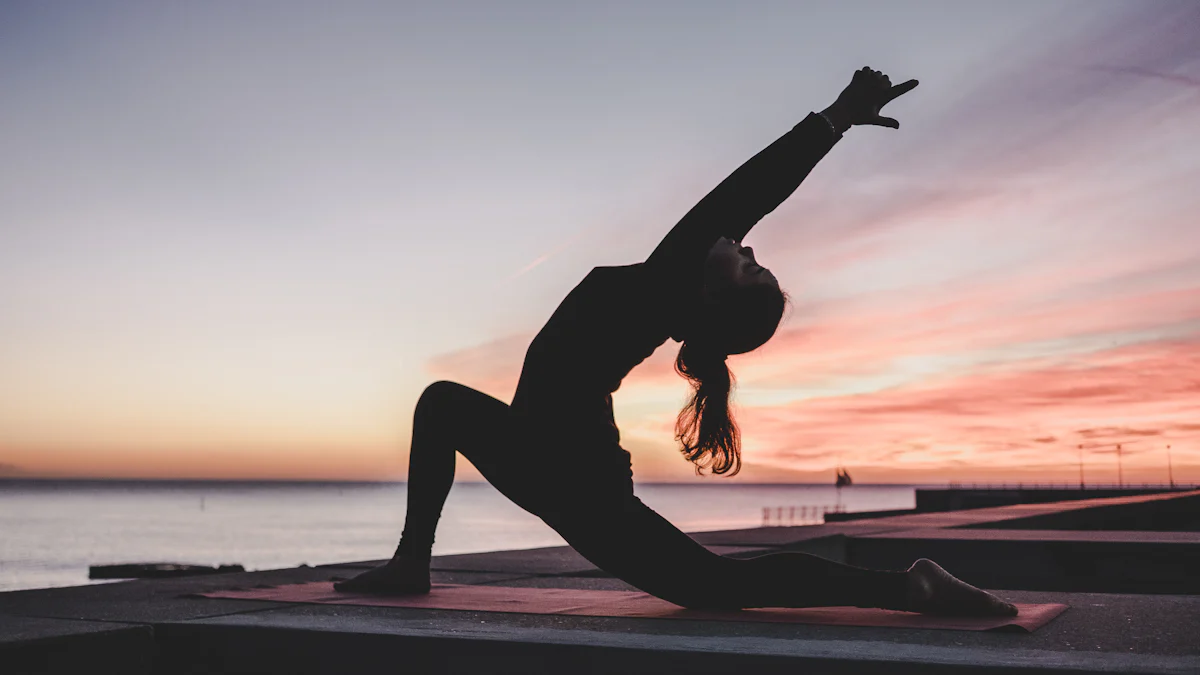
Yoga and asanas offer a transformative journey for both body and mind. By practising a variety of asanas, you can experience holistic benefits that enhance your overall well-being. Many practitioners report significant improvements in flexibility, with 91.6% noting increased suppleness. Additionally, 88% observe physical benefits, while 86.2% experience positive mental health impacts. Regular practice can also help you manage stress, as 82.6% of individuals have found. Embracing yoga asanas in your daily routine not only strengthens your body but also nurtures your mental resilience and emotional balance.
Standing Asanas in Yoga and Asanas
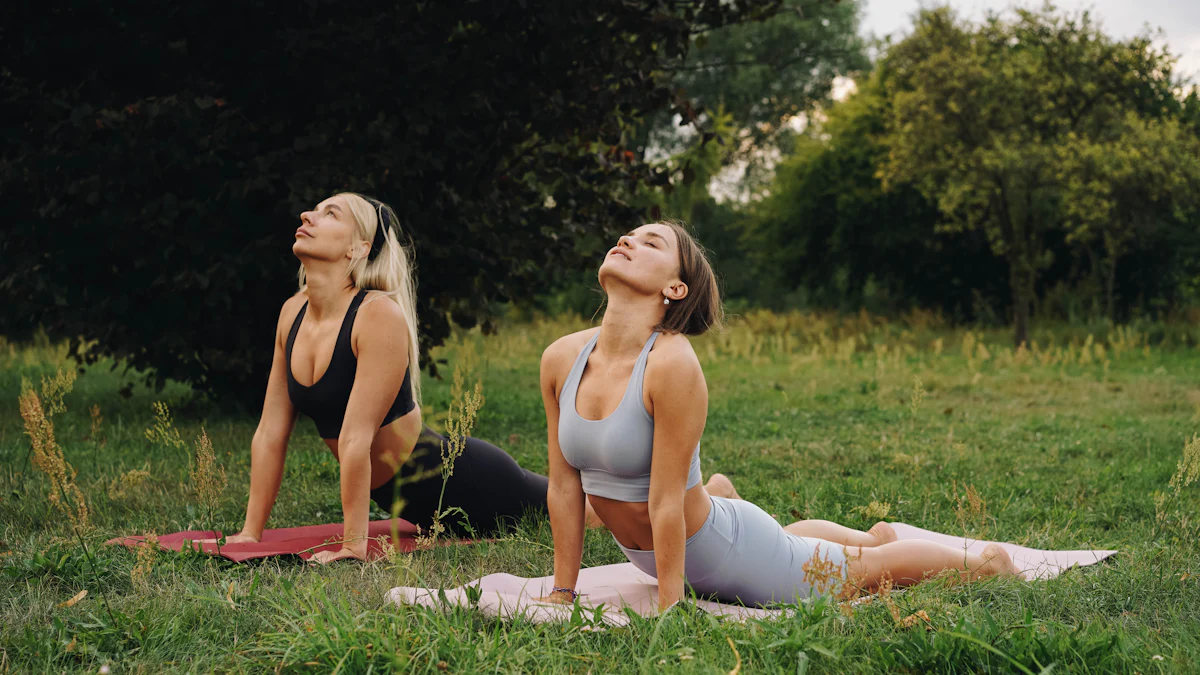
Standing asanas form the foundation of many yoga practices. They are essential for building strength and stability in your body. By engaging in these poses, you can enhance your physical and mental well-being.
Benefits of Standing Asanas
Improve balance and stability
Standing asanas significantly improve your balance and stability. These poses require you to engage your core and leg muscles, which helps in maintaining equilibrium. Research indicates that yoga can be an effective therapeutic intervention for improving balance and reducing the fear of falling. This is particularly beneficial for individuals recovering from injuries or those looking to enhance their overall stability.
Strengthen legs and core
Standing poses are excellent for strengthening your legs and core. They involve holding positions that activate various muscle groups, promoting muscle endurance and strength. A study published in the Journal of Yoga and Physiotherapy highlights that standing yoga poses can improve blood flow to the heart and promote fat loss. This makes them an ideal choice for those aiming to tone their bodies and boost cardiovascular health.
Examples of Standing Asanas
Tadasana (Mountain Pose)
Tadasana, or Mountain Pose, is a fundamental standing asana. It involves standing tall with your feet together, arms by your sides, and focusing on your breath. This pose helps improve posture and provides a sense of grounding and calmness.
Virabhadrasana (Warrior Pose)
Virabhadrasana, known as Warrior Pose, is a powerful standing asana. It strengthens your legs, opens your hips, and enhances your focus. By practising this pose, you can build both physical strength and mental resilience.
Difficulty Levels
Beginner-friendly options
For beginners, standing asanas offer accessible entry points into yoga practice. Poses like Tadasana and basic variations of Warrior Pose are suitable for those new to yoga. They provide a solid foundation for developing balance and strength.
Advanced variations
As you progress, you can explore advanced variations of standing asanas. These may include deeper lunges or extended holds, challenging your strength and flexibility further. Advanced practitioners often incorporate these variations to deepen their practice and achieve greater mastery over their bodies.
Seated Asanas in Yoga and Asanas
Seated asanas play a crucial role in your yoga practice. They offer a unique opportunity to enhance both physical and mental well-being. By incorporating these poses into your routine, you can experience a range of benefits that contribute to overall health.
Benefits of Seated Asanas
Enhance flexibility
Seated asanas are excellent for improving flexibility. These poses gently stretch your muscles, allowing you to move with greater ease. Regular practice can lead to significant improvements in your range of motion. Studies have shown that yoga can reduce pain and improve functional mobility, making seated poses an ideal choice for those seeking to enhance their flexibility.
Promote relaxation and focus
In addition to physical benefits, seated asanas help calm the mind. They encourage you to focus on your breath and cultivate a sense of inner peace. This mindfulness aspect can reduce stress and promote relaxation. By practising seated poses, you can create a tranquil space for yourself, fostering mental clarity and concentration.
Examples of Seated Asanas
Sukhasana (Easy Pose)
Sukhasana, or Easy Pose, is a simple yet effective seated asana. You sit cross-legged with your spine straight and hands resting on your knees. This pose encourages relaxation and helps you centre your thoughts. It is often used as a starting point for meditation, allowing you to connect with your breath and find stillness.
Padmasana (Lotus Pose)
Padmasana, known as Lotus Pose, is a classic seated asana. It involves crossing your legs and placing each foot on the opposite thigh. This pose requires flexibility and balance, making it a more advanced option. Practising Padmasana can deepen your meditation practice and enhance your focus.
Difficulty Levels
Suitable for all levels
Seated asanas cater to practitioners of all levels. Whether you are a beginner or an experienced yogi, you can benefit from these poses. They provide a stable foundation for exploring other aspects of yoga and asanas, such as breathwork and meditation.
Modifications for beginners
If you are new to yoga, modifications can make seated asanas more accessible. You can use props like cushions or blocks to support your posture and ensure comfort. These adjustments allow you to enjoy the benefits of seated poses without straining your body.
Prone Asanas in Yoga and Asanas
Prone asanas, performed while lying face down, offer numerous benefits for your body. These poses focus on strengthening the back muscles and improving posture, contributing to overall spinal health.
Benefits of Prone Asanas
Strengthen back muscles
Prone asanas play a crucial role in strengthening your back muscles. By engaging in these poses, you activate the muscles along your spine, promoting core stability. A study from fitsri.com highlights that backbends, a type of prone asana, are essential for maintaining spinal health and flexibility. Regular practice can relieve tension in the lower back, making these poses ideal for those seeking to enhance their core strength.
Improve posture
Improving posture is another significant benefit of prone asanas. These poses encourage body awareness and alignment, helping you correct poor posture. According to breathewellness.ca, yoga emphasises proper alignment, reducing the risk of back and neck pain. By incorporating prone asanas into your routine, you can develop better posture and alleviate discomfort associated with misalignment.
Examples of Prone Asanas
Bhujangasana (Cobra Pose)
Bhujangasana, or Cobra Pose, is a popular prone asana. You lie on your stomach and lift your chest off the ground, using your back muscles. This pose strengthens your spine and opens your chest, enhancing flexibility and posture. Practising Bhujangasana regularly can help you build a strong and resilient back.
Salabhasana (Locust Pose)
Salabhasana, known as Locust Pose, involves lying face down and lifting your legs and chest simultaneously. This pose targets the muscles of your lower back and buttocks, promoting strength and stability. By practising Salabhasana, you can improve your posture and increase your overall core strength.
Difficulty Levels
Beginner to intermediate
Prone asanas cater to practitioners at various levels. Beginners can start with basic poses like Bhujangasana, which provides a gentle introduction to back strengthening. These poses offer a solid foundation for developing core stability and improving posture.
Advanced options for strength building
As you progress, you can explore advanced variations of prone asanas. These may include deeper backbends or extended holds, challenging your strength and flexibility further. Advanced practitioners often incorporate these variations to deepen their practice and achieve greater mastery over their bodies.
Supine Asanas in Yoga and Asanas
Supine asanas, performed while lying on your back, offer a unique opportunity to relax and rejuvenate your body. These poses are integral to yoga practice, providing numerous benefits that enhance both physical and mental well-being.
Benefits of Supine Asanas
Relaxation and stress relief
Supine asanas are renowned for their ability to induce relaxation and alleviate stress. By lying on your back, you allow gravity to work in your favour, promoting a sense of release and tranquillity. These poses help relax tension in the shoulders, neck, and back, creating a calming effect on the mind. According to the Tata AIG Knowledge Center, supine poses are widely used in restorative yoga to promote relaxation and release.
Enhance spinal flexibility
Practising supine asanas can significantly enhance your spinal flexibility. These poses gently stretch and strengthen various parts of your body, improving posture and increasing mobility. The Shvasa Yoga Blog highlights that supine yoga poses build flexibility by not resisting gravity, making them ideal for counteracting the effects of prolonged sitting or standing. Regular practice can lead to a more supple spine and improved overall flexibility.
Examples of Supine Asanas
Savasana (Corpse Pose)
Savasana, or Corpse Pose, is a quintessential supine asana. You lie flat on your back with your arms by your sides, palms facing up, and focus on your breath. This pose encourages deep relaxation and is often used at the end of a yoga session to integrate the benefits of the practice. Savasana helps calm the mind and rejuvenate the body, making it an essential part of any yoga routine.
Setu Bandhasana (Bridge Pose)
Setu Bandhasana, known as Bridge Pose, involves lying on your back and lifting your hips towards the ceiling. This pose strengthens your back and opens your chest, promoting flexibility and stability. Practising Setu Bandhasana regularly can improve your posture and enhance your spinal health. It is an excellent choice for those seeking to build strength and flexibility in their yoga practice.
Difficulty Levels
Beginner-friendly
Supine asanas are generally beginner-friendly, making them accessible to practitioners of all levels. Poses like Savasana provide a gentle introduction to yoga, allowing you to focus on relaxation and breath awareness. These poses offer a safe and supportive environment for exploring the benefits of yoga and asanas.
Variations for deeper stretches
As you advance in your practice, you can explore variations of supine asanas for deeper stretches. These may include incorporating props or extending the duration of the poses to challenge your flexibility further. Advanced practitioners often use these variations to deepen their practice and achieve greater mastery over their bodies.
Inverted Asanas in Yoga and Asanas
Inverted asanas, where you position your heart above your head, offer unique benefits for both body and mind. These poses are integral to yoga practice, providing a fresh perspective and enhancing overall wellness.
Benefits of Inverted Asanas
Improve circulation
Inverted asanas significantly improve circulation. By reversing the effects of gravity, these poses encourage blood flow to the brain and upper body. This increased circulation can lower blood pressure and support cardiovascular health. Practising inverted poses regularly can help you maintain a healthy circulatory system, promoting vitality and energy.
Boost mental clarity
In addition to physical benefits, inverted asanas enhance mental clarity. By increasing blood flow to the brain, these poses can relieve headaches and reduce anxiety. They also promote a sense of calm and focus, helping you achieve mental balance. Studies suggest that inversion postures can stabilise mood and improve sleep, making them an excellent choice for mental well-being.
Examples of Inverted Asanas
Sarvangasana (Shoulder Stand)
Sarvangasana, or Shoulder Stand, is a classic inverted asana. You lift your legs and torso towards the ceiling, supporting your back with your hands. This pose stimulates the thyroid gland, regulates hormones, and enhances circulation. Practising Sarvangasana can improve your overall health and bring a sense of calmness.
Sirsasana (Headstand)
Sirsasana, known as Headstand, is often referred to as the "king of asanas." You balance on your head and forearms, with your legs extended upwards. This pose requires strength and focus, offering profound benefits for both body and mind. Sirsasana improves concentration, boosts confidence, and provides a fresh perspective on life.
Difficulty Levels
Intermediate to advanced
Inverted asanas are typically suited for intermediate to advanced practitioners. They require strength, balance, and body awareness. If you have experience with yoga, you can explore these poses to deepen your practice and challenge yourself.
Preparatory poses for beginners
For beginners, preparatory poses can help you build the necessary strength and confidence. You can start with poses like Dolphin Pose or Legs-Up-the-Wall Pose. These variations provide a gentle introduction to inversions, allowing you to experience their benefits safely.
Balancing Asanas in Yoga and Asanas
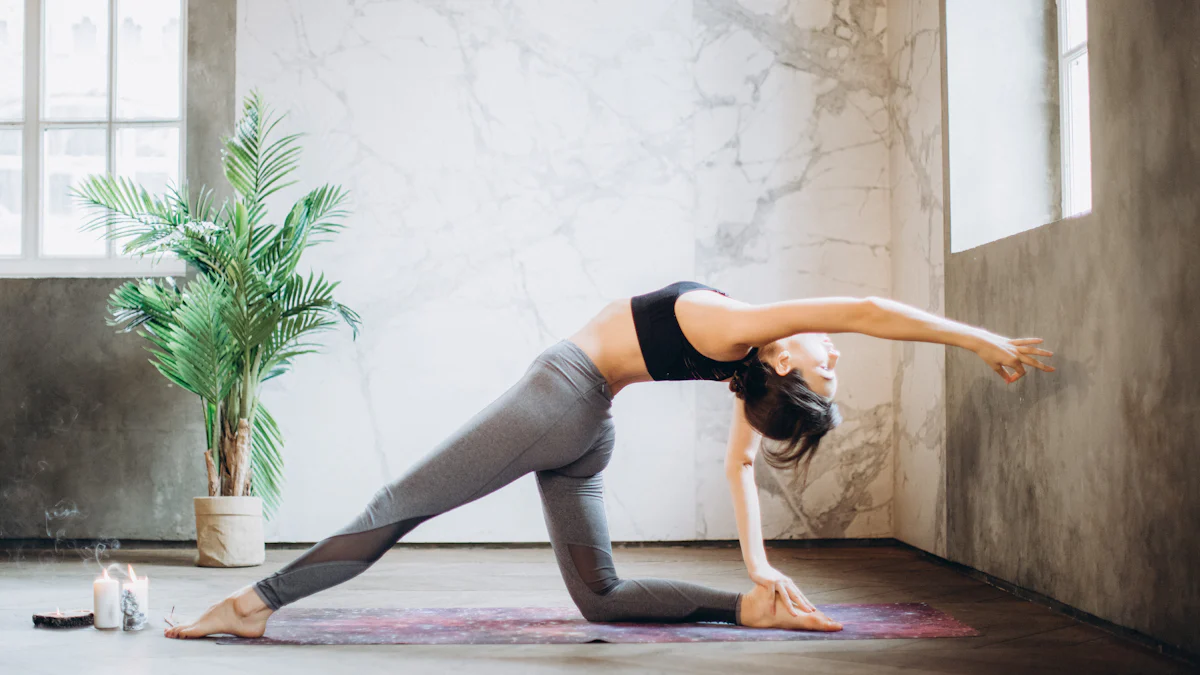
Balancing asanas hold a special place in yoga practice. These poses not only challenge your physical stability but also enhance your mental focus. By incorporating balancing asanas into your routine, you can experience a range of benefits that contribute to both physical and mental well-being.
Benefits of Balancing Asanas
Enhance concentration
Balancing asanas require you to focus intently on maintaining your equilibrium. This concentration helps sharpen your mental clarity and improves your ability to focus on tasks in everyday life. Studies have shown that balancing poses can enhance brain function and coordination, providing real-world benefits by developing a keener focus and emotional stability.
Build core strength
Engaging in balancing asanas strengthens your core muscles. These poses activate the muscles around your abdomen and lower back, promoting stability and strength. Research indicates that balancing poses improve core strength and muscle endurance, which are essential for maintaining balance and reducing the risk of falls. By practising these asanas, you can build a strong foundation for your overall yoga practice.
Examples of Balancing Asanas
Vrksasana (Tree Pose)
Vrksasana, or Tree Pose, is a classic balancing asana. You stand on one leg while placing the sole of your other foot against your inner thigh. This pose challenges your balance and enhances your focus. Practising Vrksasana regularly can improve your coordination and mental clarity, making it an excellent choice for those seeking to enhance their concentration.
Bakasana (Crow Pose)
Bakasana, known as Crow Pose, involves balancing on your hands with your knees resting on your upper arms. This pose requires strength and focus, offering profound benefits for both body and mind. By practising Bakasana, you can build core strength and improve your balance, contributing to a more stable and resilient body.
Difficulty Levels
Beginner to advanced
Balancing asanas cater to practitioners of all levels. Beginners can start with simple poses like Vrksasana, which provides a gentle introduction to balancing. These poses offer a solid foundation for developing balance and strength, allowing you to progress at your own pace.
Progressions for skill development
As you advance in your practice, you can explore progressions for skill development. These may include transitioning from basic balancing poses to more challenging ones like Bakasana. By incorporating these progressions into your routine, you can deepen your practice and achieve greater mastery over your body.
Practising various yoga and asanas offers numerous benefits for both your body and mind. You can enhance flexibility, build strength, and reduce stress through regular practice. By incorporating different asanas into your routine, you create a balanced approach to health. Yoga provides a holistic path to wellness, promoting mental clarity and emotional stability. Embrace this practice to nurture your physical and mental well-being. Remember, yoga is a journey that fosters a harmonious connection between your mind and body, leading to a healthier and more fulfilling life.
See Also
Uncover How Yoga Blankets Enhance Your Practice Experience
Find Local Iyengar Yoga Classes With This Simple Guide
Explore The Best Yoga Classes Available In Your Area

Hi my name is Lia and i am your host in this yoga journey in Portugal, Subscribe to our newsletter to receive every week the best of Yoga in Portugal.

We bring back the importance of initiation into womanhood by Roos-Veerle Krijnen & Ella-June Henrard
Welcome to the Women’s Initiation Retreat by Naked Truth Retreats, a transformative journey into the depths of your True Feminine Nature. This retreat invites you to remember the sacredness and wholeness of your being.
Roos-Veerle Krijnen & Ella-June Henrard