Understanding Yang Yoga: A Comprehensive Guide

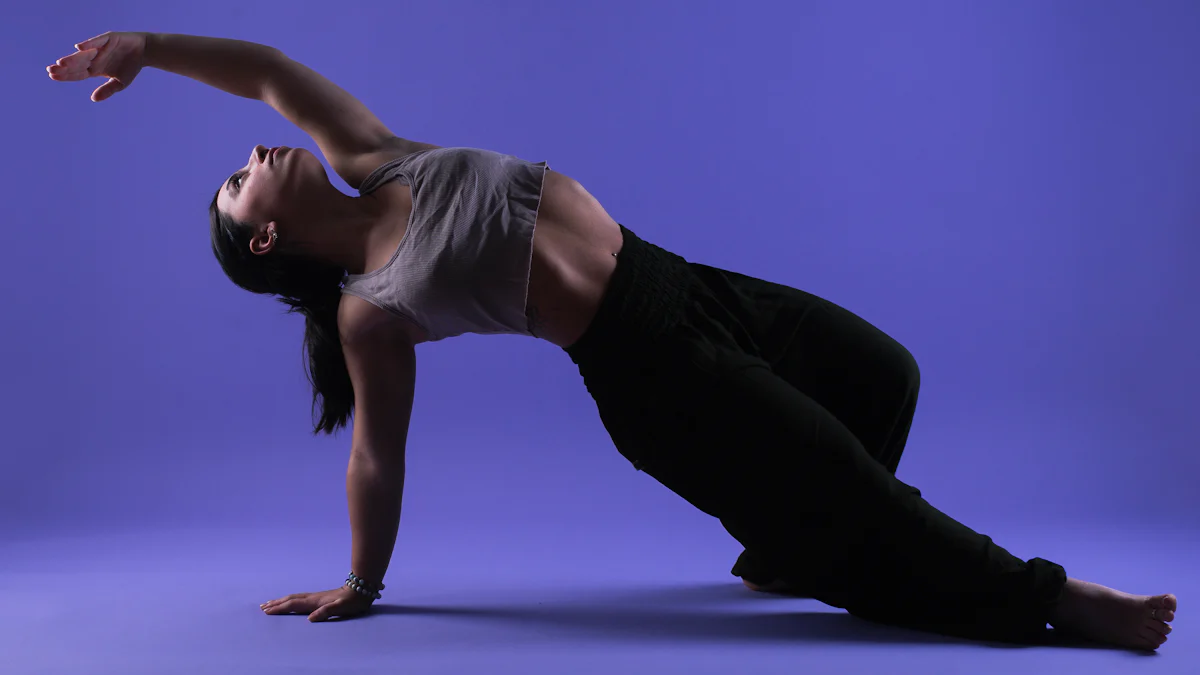
Yang Yoga offers you a dynamic and invigorating practice that builds strength, stamina, and flexibility. As awareness of yoga grows, with 36 million Americans practicing by 2020, understanding the nuances of different styles becomes essential. Yang Yoga, rooted in active movements, contrasts with its Yin counterpart, providing a balanced approach to well-being. This guide aims to deepen your knowledge of what is Yang Yoga, empowering you to harness its benefits for both body and mind. Embrace this journey to enhance your physical and mental health through the vibrant energy of Yang Yoga.
What is Yang Yoga?
Definition and Origins
Yang Yoga represents a vibrant and energetic style of yoga. It focuses on building strength, stamina, and flexibility through dynamic movements. This practice finds its roots in traditional Hatha or Ashtanga yoga, which emphasize muscular strength and endurance. By engaging in Yang Yoga, you tap into the active, dynamic, and heating aspects of yoga, contrasting with the passive and cooling qualities of Yin Yoga.
Historical Background
Yang Yoga has a rich history intertwined with the evolution of yoga itself. Traditional Hatha and Ashtanga practices laid the foundation for what we now recognize as Yang Yoga. These styles have been practiced for centuries, focusing on physical postures and breath control to enhance overall well-being. As yoga gained popularity in the Western world, Yang Yoga emerged as a preferred choice for those seeking a more vigorous and active practice.
Key Principles
The principles of Yang Yoga revolve around movement and energy. You engage in sequences that flow smoothly from one pose to another, creating a rhythm that invigorates both body and mind. This practice encourages you to build heat within your body, promoting increased circulation and vitality. By focusing on breath and movement, Yang Yoga helps you cultivate a sense of balance and harmony.
Core Characteristics
Yang Yoga is characterized by its dynamic nature and emphasis on energy generation. It offers a powerful way to enhance your physical and mental health.
Dynamic Movements
In Yang Yoga, you experience dynamic movements that challenge your body and mind. These movements involve transitioning between poses with fluidity and grace. The practice often includes sequences like Vinyasa Flow, where you synchronize breath with movement. This approach not only builds strength and flexibility but also enhances your coordination and focus.
Energy and Heat Generation
One of the defining features of Yang Yoga is its ability to generate energy and heat within your body. As you move through the poses, you create internal warmth that stimulates blood flow and revitalizes your muscles. This heat not only aids in detoxification but also prepares your body for deeper stretches and increased flexibility. By embracing the energy of Yang Yoga, you cultivate a sense of vitality and empowerment.
Benefits of Yang Yoga
Yang Yoga offers a multitude of benefits that enhance both your physical and mental well-being. By engaging in this dynamic practice, you unlock a path to improved health and vitality.
Physical Benefits
Strength and Flexibility
Yang Yoga focuses on building strength and flexibility through its dynamic movements. As you flow through various poses, your muscles engage and strengthen. This practice not only enhances your muscular endurance but also increases your flexibility. You will notice improved range of motion in your joints, allowing you to move with greater ease and grace. The emphasis on strength and flexibility makes Yang Yoga an excellent choice for those seeking a robust physical workout.
Cardiovascular Health
Engaging in Yang Yoga elevates your heart rate, providing a cardiovascular workout that boosts your heart health. The rhythmic flow of poses, such as Vinyasa Flow, encourages continuous movement, which enhances your cardiovascular endurance. As you practice, your circulation improves, delivering oxygen and nutrients more efficiently throughout your body. This increased blood flow supports overall cardiovascular health, helping you maintain a healthy heart and reducing the risk of heart-related issues.
Mental and Emotional Benefits
Stress Reduction
Yang Yoga serves as a powerful tool for stress reduction. The practice encourages you to focus on your breath and movement, creating a meditative state that calms your mind. As you immerse yourself in the dynamic flow, stress and tension melt away, leaving you with a sense of tranquility. The active nature of Yang Yoga allows you to release pent-up energy and emotions, promoting emotional balance and well-being. By incorporating this practice into your routine, you cultivate resilience against the stresses of daily life.
Enhanced Focus
The dynamic sequences of Yang Yoga demand concentration and mindfulness. As you transition between poses, you sharpen your focus and attention to detail. This heightened awareness extends beyond the mat, enhancing your ability to concentrate in everyday tasks. The practice of synchronizing breath with movement trains your mind to stay present, fostering mental clarity and improved cognitive function. By embracing Yang Yoga, you empower yourself with the tools to enhance your focus and achieve greater mental acuity.
Scientific Research Findings: Yin Yang yoga offers a comprehensive approach to wellness, addressing the physical, emotional, and mental aspects of our being. This balanced practice enriches our overall health and well-being.
Yang Yoga, with its vibrant energy and dynamic movements, provides a holistic approach to health. By understanding what is Yang Yoga, you can harness its benefits to transform your physical and mental state. Embrace this practice to unlock a healthier, more balanced version of yourself.
Yang Yoga Techniques
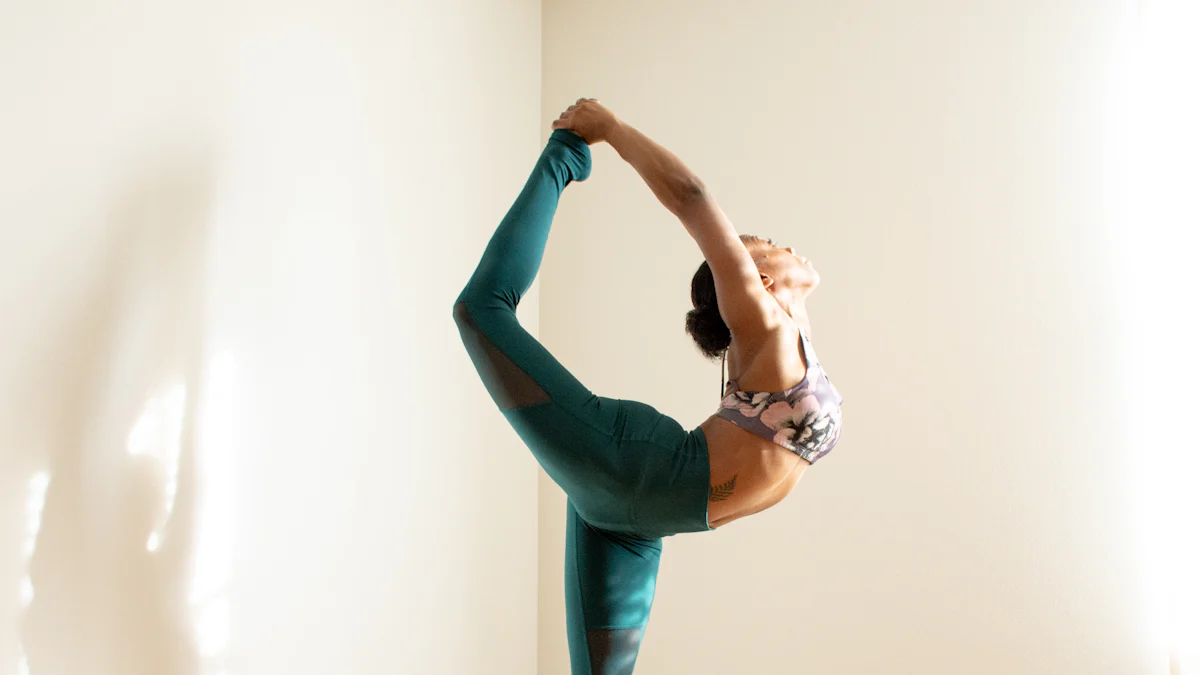
In your journey to understand what is Yang Yoga, mastering its techniques becomes essential. These techniques not only enhance your practice but also deepen your connection with your body and mind. Let's explore some common poses and breathing techniques that form the core of Yang Yoga.
Common Poses
Yang Yoga incorporates dynamic poses that build strength and flexibility. Here are two fundamental poses you will encounter:
Warrior Pose
The Warrior Pose, or Virabhadrasana, embodies strength and focus. As you step into this pose, you engage your legs, core, and arms, building muscular endurance. Stand with your feet wide apart, turn one foot out, and bend your knee over your ankle. Extend your arms parallel to the ground, gazing over your front hand. This pose not only strengthens your lower body but also enhances your balance and concentration. Embrace the power within you as you hold this pose, feeling the energy flow through your body.
Sun Salutations
Sun Salutations, or Surya Namaskar, form the backbone of many Yang Yoga practices. This sequence of poses warms up your body, increases flexibility, and boosts cardiovascular health. Begin by standing tall, then flow through a series of movements including forward bends, lunges, and backbends. Each movement synchronizes with your breath, creating a harmonious rhythm. As you practice Sun Salutations, you cultivate a sense of vitality and rejuvenation, preparing your body for deeper stretches and more challenging poses.
Breathing Techniques
Breathing plays a crucial role in understanding what is Yang Yoga. It connects your mind and body, enhancing your practice and promoting relaxation.
Ujjayi Breath
Ujjayi Breath, often called the "victorious breath," is a powerful technique used in Yang Yoga. To practice Ujjayi, inhale deeply through your nose, slightly constricting the back of your throat. This creates a soft, ocean-like sound. Exhale slowly, maintaining the same constriction. Ujjayi Breath helps you maintain focus and control during your practice. It generates internal heat, aiding in detoxification and enhancing your overall experience.
Kapalabhati Breath
Kapalabhati Breath, or "skull-shining breath," invigorates your body and mind. Sit comfortably with your spine straight. Inhale deeply, then exhale forcefully through your nose, contracting your abdominal muscles. Allow the inhalation to happen naturally. Repeat this cycle rapidly, focusing on the exhalation. Kapalabhati Breath energizes your system, clears your mind, and prepares you for the dynamic movements of Yang Yoga.
By incorporating these poses and breathing techniques, you unlock the full potential of what is Yang Yoga. Embrace the dynamic energy and transformative power of this practice. As you delve deeper into Yang Yoga, you will discover a path to enhanced physical and mental well-being.
Yang Yoga vs. Yin Yoga
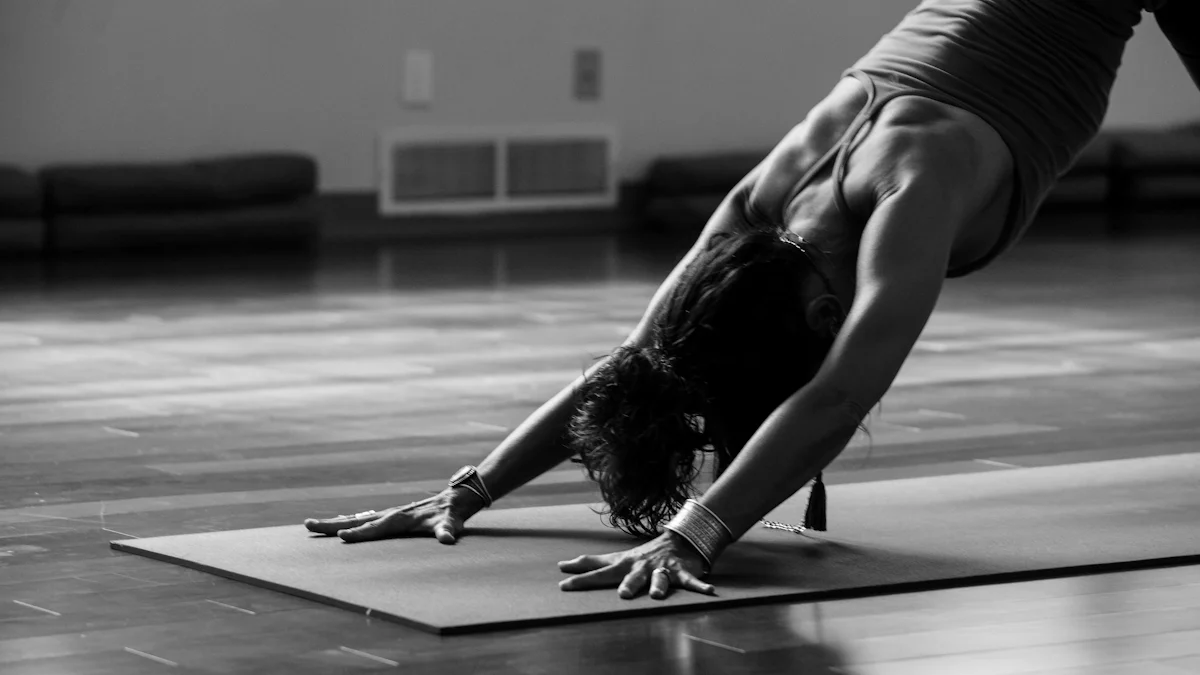
Key Differences
Energy and Intensity
Yang Yoga embodies an active and vigorous energy. You engage in dynamic movements that build strength, stamina, and flexibility. This practice generates heat within your body, invigorating your muscles and enhancing blood flow. In contrast, Yin Yoga offers a slower, more meditative experience. You hold poses for extended periods, allowing deep connective tissues to stretch and release tension. This passive approach promotes relaxation and introspection, providing a cooling counterbalance to the fiery nature of Yang Yoga.
Duration and Pace
In Yang Yoga, you move swiftly through sequences, creating a rhythm that challenges your endurance and coordination. The pace keeps your heart rate elevated, offering a cardiovascular workout that boosts your overall fitness. Yin Yoga, however, invites you to slow down and savor each pose. You remain in asanas for several minutes, encouraging mindfulness and patience. This deliberate pace fosters a sense of calm and tranquility, allowing you to reconnect with your breath and find peace of mind.
Complementary Practices
Balancing Yin and Yang
Embracing both Yin and Yang Yoga creates a harmonious balance in your practice. Yang Yoga strengthens your muscles and energizes your spirit, while Yin Yoga nurtures your joints and calms your mind. By integrating these complementary styles, you cultivate a well-rounded approach to wellness. You experience the full spectrum of yoga's benefits, addressing both physical and emotional needs. This balance empowers you to navigate life's challenges with resilience and grace.
Integrating Both in Practice
To fully harness the power of Yin and Yang Yoga, consider incorporating elements of both into your routine. Begin with a dynamic Yang sequence to awaken your body and ignite your energy. Follow with a soothing Yin practice to stretch deeply and center your thoughts. This integration allows you to explore the interplay between activity and stillness, strength and surrender. As you embrace this duality, you unlock a deeper understanding of yourself and your practice, paving the way for personal growth and transformation.
Practical Advice for Practicing Yang Yoga
Embarking on your Yang Yoga journey can transform your life. This practice not only strengthens your body but also nurtures your mind and spirit. Here’s how you can start and improve your practice effectively.
Getting Started
Choosing the Right Class
Selecting the right class sets the foundation for your Yang Yoga experience. Look for classes that match your fitness level and personal goals. Beginners might benefit from introductory sessions that focus on basic poses and breathing techniques. More advanced practitioners can explore classes that offer challenging sequences and deeper insights into the practice. Remember, the right class should inspire and motivate you to grow.
Setting Personal Goals
Setting personal goals gives direction to your practice. Reflect on what you wish to achieve through Yang Yoga. Do you want to build strength, enhance flexibility, or find mental clarity? Write down your goals and revisit them regularly. This practice keeps you focused and committed. As you progress, celebrate your achievements and adjust your goals to continue challenging yourself.
Tips for Improvement
Consistency and Patience
Consistency is key to mastering Yang Yoga. Dedicate time each week to practice, even if it’s just a few minutes a day. Regular practice builds muscle memory and enhances your skills over time. Patience is equally important. Progress may seem slow at times, but every session contributes to your growth. Trust the process and remain patient with yourself.
Listening to Your Body
Your body communicates its needs and limits. Pay attention to these signals during your practice. If a pose feels uncomfortable or painful, modify it or take a break. Pushing too hard can lead to injury and setbacks. Instead, honor your body’s boundaries and progress at your own pace. This mindful approach fosters a deeper connection with yourself and enhances your overall well-being.
"The course inspired me to understand and teach yoga beyond the physical practice," shared an anonymous student. This insight highlights the transformative power of yoga, encouraging you to explore its deeper dimensions.
By following these practical tips, you can cultivate a fulfilling Yang Yoga practice. Embrace the journey with an open heart and mind, and watch as it enriches your life in unexpected ways.
Yang Yoga holds a significant place in enhancing your physical and mental well-being. By embracing its dynamic energy, you unlock a path to strength, flexibility, and inner peace. Rebecca, a dedicated yoga teacher, shared how her training boosted her confidence and teaching skills, highlighting the transformative power of yoga. As you explore Yang Yoga, remember to integrate it into your daily life. This practice not only strengthens your body but also nurtures your spirit. Embrace this journey with an open heart, and watch as it enriches your life in unexpected ways.
See Also
Commencing Yoga at Home: An In-depth Tutorial
Yoga a Jewel for Women: Candid Evaluations
Investigating 11 Distinct Yoga Techniques and Their Advantages

Hi my name is Lia and i am your host in this yoga journey in Portugal, Subscribe to our newsletter to receive every week the best of Yoga in Portugal.

We bring back the importance of initiation into womanhood by Roos-Veerle Krijnen & Ella-June Henrard
Welcome to the Women’s Initiation Retreat by Naked Truth Retreats, a transformative journey into the depths of your True Feminine Nature. This retreat invites you to remember the sacredness and wholeness of your being.
Roos-Veerle Krijnen & Ella-June Henrard