Understanding Vinyasa Yoga and Its Benefits

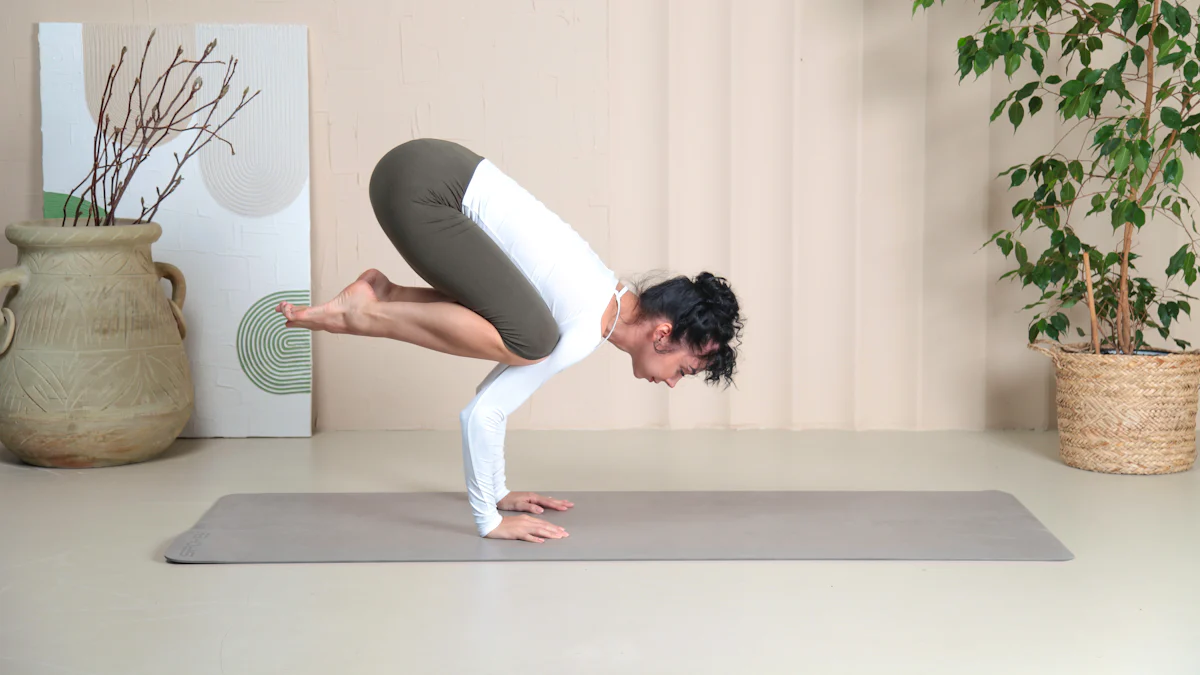
Vinyasa in yoga offers a dynamic practice that seamlessly links movement with breath. This style of yoga attracts those who seek a physically engaging experience. You will find that the flowing sequences in vinyasa in yoga not only challenge your body but also enhance your overall well-being. The practice has gained immense popularity globally, especially in countries like the United Kingdom, India, Canada, and the United States. In 2020, approximately 55.1 million Americans embraced yoga, highlighting its growing appeal. By engaging in vinyasa in yoga, you can improve flexibility, strength, and mental clarity.
What is Vinyasa Yoga?
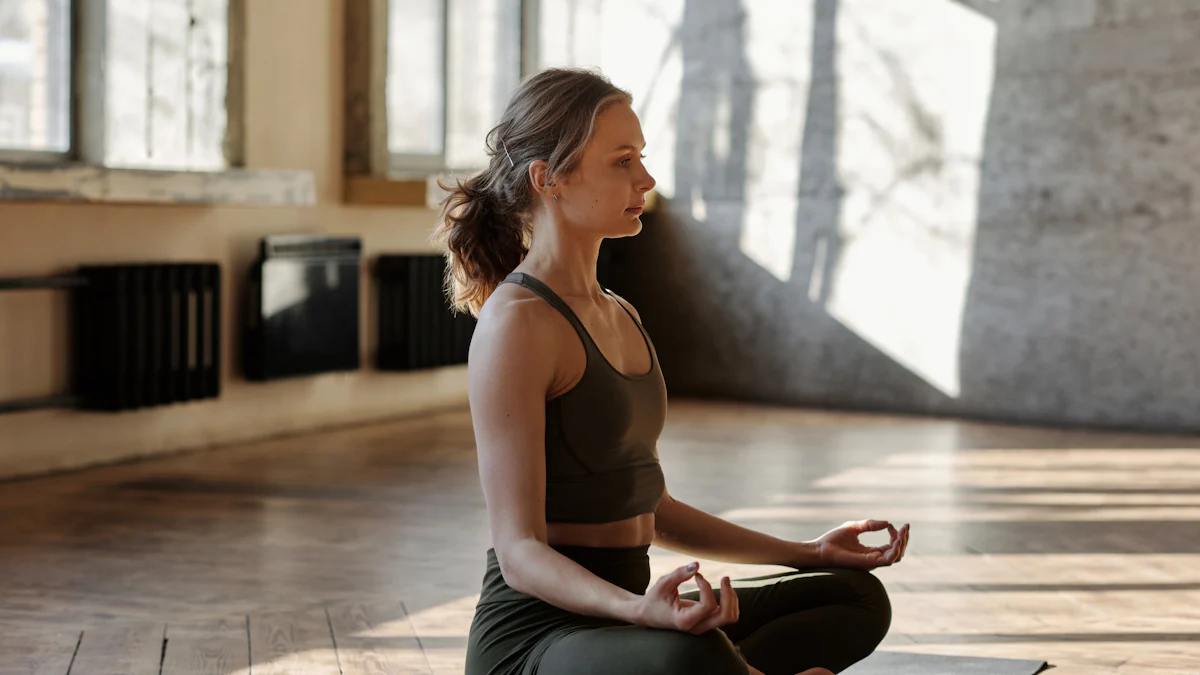
Definition and Origins
Vinyasa in yoga represents a dynamic practice that intricately links movement with breath. The term "Vinyasa" originates from the Sanskrit words 'Vi' and 'Nyasa', which together mean "to place in a special way". This definition highlights the practice's emphasis on synchronising breath with movement, creating a seamless flow of poses. Vinyasa in yoga offers both physical challenges and mindfulness, making it a unique experience for practitioners.
Historically, Vinyasa yoga has evolved significantly. Initially rooted in traditional yoga practices, it has adapted over time to meet the demands of modern practitioners. Teachers have developed various styles, such as Vinyasa Flow and Power Yoga, to cater to different preferences. This evolution has allowed Vinyasa in yoga to maintain its core focus on breath and movement while incorporating elements from other disciplines like Pilates and dance.
Key Characteristics
One of the defining features of Vinyasa in yoga is its flowing sequences. You move through a series of poses in a continuous flow, linking each movement with your breath. This creates a dynamic and high-energy practice that feels almost like a dance. The faster pace and aerobic element of Vinyasa in yoga help build heat in the body, enhancing strength and flexibility.
Another key characteristic is the synchronisation of breath and movement. Each pose in Vinyasa in yoga is connected by a breath, allowing you to maintain a steady rhythm throughout the practice. This focus on breath not only enhances physical performance but also fosters mindfulness. By concentrating on your breath, you become more aware of your body and movements, promoting a deeper connection between mind and body.
Vinyasa in yoga is adaptable, making it suitable for practitioners of all skill levels. Whether you are a beginner or an advanced yogi, you can modify poses to suit your abilities. This adaptability ensures that everyone can benefit from the practice, regardless of their experience level.
Benefits of Vinyasa Yoga
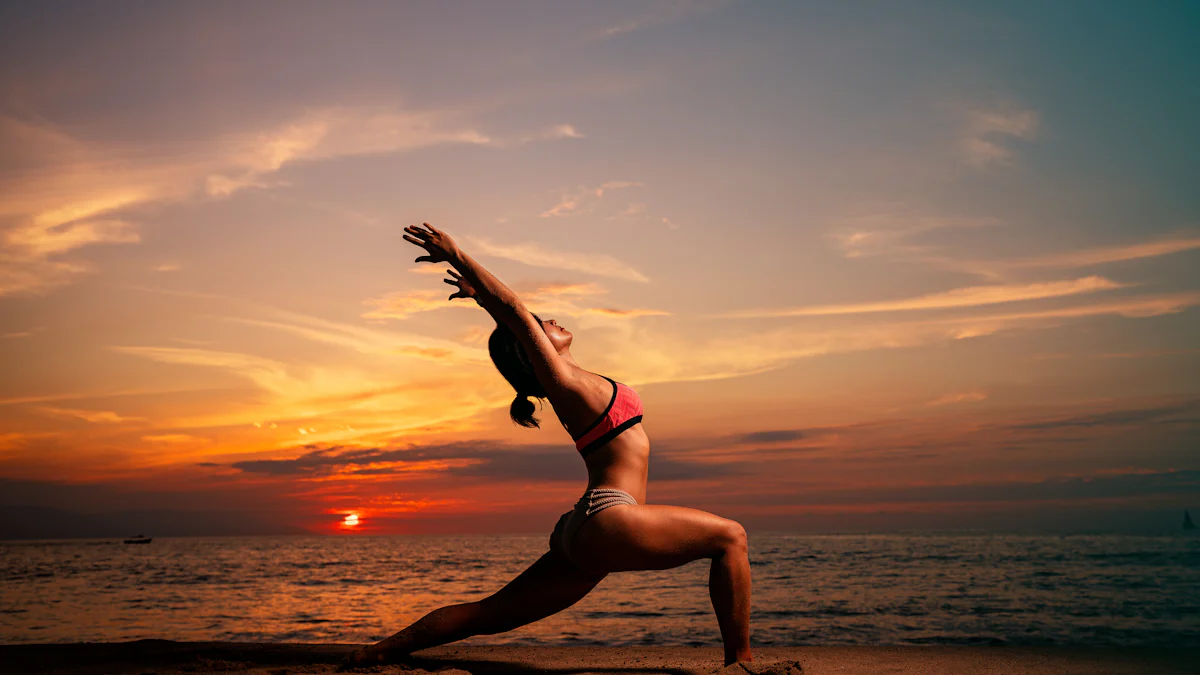
Physical Benefits
Improved flexibility and strength
Vinyasa in yoga offers a dynamic approach to enhancing your physical capabilities. By engaging in this practice, you will notice a significant improvement in your flexibility. The flowing sequences encourage your muscles to stretch and lengthen, making your body more supple. As you progress, you will find that your strength also increases. The various poses in vinyasa in yoga require you to support your body weight, which helps build muscle strength over time. This combination of flexibility and strength not only benefits your yoga practice but also enhances your ability to perform daily activities with ease.
Enhanced cardiovascular health
Engaging in vinyasa in yoga provides a cardiovascular workout similar to traditional aerobic exercises. The continuous flow of movements elevates your heart rate, strengthening your heart muscle and improving circulation. A study on Vinyasa Yoga Benefits on Blood Pressure and Cardiovascular Health highlights its positive impact on heart health. By practising vinyasa in yoga regularly, you can maintain healthy blood pressure levels and increase the efficiency of your cardiovascular system. This holistic approach to heart health makes vinyasa in yoga an excellent choice for those looking to improve their overall well-being.
Mental Benefits
Increased focus and concentration
Vinyasa in yoga encourages mindfulness and present-moment awareness. As you synchronise your breath with movement, you develop a heightened sense of focus. This practice trains your mind to concentrate on the task at hand, improving your ability to focus in other areas of life. The emphasis on deep, controlled breathing helps regulate your nervous system, promoting mental clarity. By incorporating vinyasa in yoga into your routine, you can enhance your concentration and achieve a greater sense of mental balance.
Stress reduction
The practice of vinyasa in yoga is a powerful tool for reducing stress. It encourages you to let go of tension and embrace a state of relaxation. The rhythmic flow of movements, combined with mindful breathing, helps lower stress hormones in your body. According to a study on Vinyasa Yoga Benefits on Mental Health and Stress Reduction, this practice fosters a sense of inner peace. By regularly engaging in vinyasa in yoga, you can effectively manage stress and cultivate a calmer, more centred mindset.
Emotional Benefits
Emotional balance and resilience
Vinyasa in yoga promotes emotional balance by encouraging you to connect with your inner self. The practice fosters resilience, helping you navigate life's challenges with greater ease. As you move through the sequences, you learn to embrace change and adapt to new situations. This adaptability translates into emotional strength, allowing you to maintain equilibrium even in difficult times. By practising vinyasa in yoga, you can develop a more balanced and resilient emotional state.
Boosted mood and energy levels
Engaging in vinyasa in yoga can significantly boost your mood and energy levels. The practice releases endorphins, which are natural mood enhancers. As you flow through the poses, you will experience a sense of vitality and rejuvenation. The increased circulation and oxygenation of your body contribute to higher energy levels, leaving you feeling invigorated. By incorporating vinyasa in yoga into your routine, you can enjoy a more positive outlook and sustained energy throughout the day.
How Vinyasa Yoga Differs from Other Yoga Styles
Comparison with Hatha Yoga
Differences in pace and intensity
When you explore vinyasa in yoga, you will notice its dynamic nature. This style involves a continuous flow from one pose to the next, creating a seamless transition that feels like a dance. The pace is faster compared to Hatha yoga, which focuses on holding poses for longer periods. In Hatha yoga, you come into a pose, stay in it, and then break the posture by coming out. This slower pace allows for deeper stretching and relaxation. Vinyasa in yoga, on the other hand, requires greater control over your breathing as you move swiftly through the sequences. This makes it more vigorous and athletic, appealing to those who enjoy a physically engaging practice.
Variations in class structure
The structure of a vinyasa in yoga class often varies, offering a fresh experience each time. Instructors may introduce different sequences and poses, keeping the practice exciting and challenging. This variety contrasts with Hatha yoga classes, which typically follow a more predictable structure. Hatha classes focus on alignment and precision, allowing you to delve deeper into each pose. Vinyasa in yoga encourages creativity and exploration, making it suitable for those who enjoy a dynamic and varied practice.
Comparison with Ashtanga Yoga
Flexibility in sequences
Vinyasa in yoga offers flexibility in its sequences, allowing instructors to tailor classes to the needs of their students. You will find that no two vinyasa classes are the same, as teachers often incorporate elements from other disciplines like dance or Pilates. This adaptability sets vinyasa apart from Ashtanga yoga, which follows a specific sequence of poses that remains consistent. Ashtanga yoga requires you to memorise and master a set series of postures, providing a structured and disciplined approach. Vinyasa in yoga, with its emphasis on creativity, allows you to explore different movements and transitions, making each session unique.
Level of discipline and structure
Ashtanga yoga demands a high level of discipline and commitment. You follow a strict sequence of poses, focusing on breath and movement synchronisation. This structured approach helps build strength and endurance over time. In contrast, vinyasa in yoga offers more freedom and flexibility. You can adapt the practice to suit your preferences and abilities, making it accessible to practitioners of all levels. While both styles emphasise the connection between breath and movement, vinyasa in yoga provides a more fluid and adaptable experience, allowing you to explore your practice in a way that suits you best.
Practical Advice for Beginners
Embarking on your journey with vinyasa in yoga can be both exciting and rewarding. As a beginner, understanding what to expect and how to approach your practice will enhance your experience and help you gain the most from each session.
What to Expect in a Vinyasa Class
Typical class structure
In a typical vinyasa class, you will experience a dynamic flow of poses that seamlessly connect with your breath. Classes often begin with a warm-up to prepare your body, followed by a series of flowing sequences. These sequences build heat and energy, culminating in a peak pose that challenges your strength and flexibility. The class usually concludes with a cool-down and relaxation period, allowing you to integrate the benefits of your practice.
Vinyasa classes vary in pace and intensity. Instructors often tailor the class to suit the participants' skill levels. As a beginner, you might attend a slower-paced class where instructors provide detailed explanations of each posture. This approach helps you understand the alignment and mechanics of the poses, building a solid foundation for your practice.
Common poses and sequences
You will encounter several common poses in vinyasa in yoga, such as Downward Dog, Plank, and Warrior poses. These foundational postures form the basis of many sequences, helping you develop strength and flexibility. As you progress, you will learn to transition smoothly between poses, creating a fluid and graceful practice.
Instructors often incorporate Sun Salutations, a series of poses performed in a continuous flow, into vinyasa classes. This sequence warms up your body and synchronises your breath with movement, setting the tone for the rest of the class. By practising these sequences regularly, you will build confidence and familiarity with the flow of vinyasa in yoga.
Tips for Beginners
Importance of breath awareness
Breath awareness is a crucial aspect of vinyasa in yoga. Focusing on your breath helps you maintain a steady rhythm throughout your practice, enhancing your physical performance and mental clarity. As you move through the poses, synchronise your breath with each movement. This connection fosters mindfulness, allowing you to remain present and engaged in your practice.
Certified yoga instructors emphasise the importance of breath awareness for beginners. By concentrating on your breath, you can better manage your energy levels and prevent fatigue. This focus also helps you stay centred and calm, reducing stress and promoting a sense of well-being.
Listening to your body
Listening to your body is essential when practising vinyasa in yoga. As a beginner, you may encounter poses that challenge your strength and flexibility. It is important to honour your body's limits and modify poses as needed. Instructors often provide variations and modifications to accommodate different skill levels, ensuring that everyone can participate safely and comfortably.
Vinyasa yoga teachers encourage beginners to pay attention to their bodies' signals. If you experience discomfort or strain, adjust your posture or take a break. By listening to your body, you can prevent injury and create a sustainable practice that supports your growth and development.
How to Start Practicing Vinyasa Yoga
Embarking on your journey with vinyasa in yoga can be both exciting and fulfilling. Whether you choose to practice at home or join a class, understanding the basics will help you make the most of your experience.
Practicing at Home
Practising vinyasa in yoga at home offers flexibility and convenience. You can tailor your practice to fit your schedule and personal preferences.
Recommended online resources
To begin your home practice, explore various online resources. Many platforms offer guided classes that cater to different skill levels. Websites like Yoga with Adriene and DoYogaWithMe provide free videos that guide you through vinyasa sequences. These resources allow you to learn at your own pace and revisit lessons as needed. Additionally, subscribing to online yoga platforms such as Glo or Gaia gives you access to a wide range of classes led by experienced instructors.
Certified Yoga Instructor: "Seek advice from yoga experts on starting a Vinyasa practice at home or in classes."
Setting up a home practice space
Creating a dedicated space for your practice enhances your experience. Choose a quiet area with enough room to move freely. A yoga mat provides a comfortable surface and prevents slipping. Consider adding props like blocks or straps to assist with poses. Ensure the space is well-ventilated and free from distractions. Personalise your area with calming elements such as candles or soft lighting to create a peaceful atmosphere.
Joining a Class
Joining a vinyasa in yoga class offers the opportunity to learn from experienced instructors and connect with a community of practitioners.
Finding the right class and instructor
When selecting a class, consider your skill level and goals. Many studios offer beginner-friendly sessions that focus on foundational poses and techniques. Look for instructors who emphasise breath awareness and alignment. Reading reviews or asking for recommendations can help you find a class that suits your needs. Visiting different studios allows you to experience various teaching styles and find an instructor who resonates with you.
Health Expert: "If you are new to Vinyasa yoga, you need to keep a few things in mind before you begin. The poses can counteract prolonged sitting, which has become a part of most people’s lives."
Preparing for your first class
Before attending your first class, familiarise yourself with common poses and sequences. This preparation helps you feel more confident and engaged during the session. Arrive early to introduce yourself to the instructor and discuss any concerns or limitations. Wear comfortable clothing that allows for a full range of motion. Bringing a water bottle and towel ensures you stay hydrated and comfortable throughout the class. Remember to approach your practice with an open mind and a willingness to learn.
Starting your journey with vinyasa in yoga, whether at home or in a class, offers numerous benefits. By following these guidelines, you can create a rewarding practice that supports your physical and mental well-being.
Vinyasa in yoga offers a holistic approach to well-being, nurturing your physical, mental, and emotional health. This dynamic practice builds heat, enhances cardiovascular health, and boosts stamina. By harmonising breath with movement, vinyasa in yoga strengthens your mind-body connection, promoting mindfulness and breath awareness. You will find that consistent practice leads to improved physical coordination and greater bodily awareness. Explore vinyasa in yoga as a path to holistic well-being. Take the first step in your journey today and experience the transformative benefits it brings to your life.
See Also
Exploring The Fundamental Principles Of Vinyasa Yoga
A Comprehensive Guide To Hatha Yoga And Its Advantages
Unveiling The Unexpected Advantages Of Practising Nude Yoga
Hi my name is Lia and i am your host in this yoga journey in Portugal, Subscribe to our newsletter to receive every week the best of Yoga in Portugal.

We bring back the importance of initiation into womanhood by Roos-Veerle Krijnen & Ella-June Henrard
Welcome to the Women’s Initiation Retreat by Naked Truth Retreats, a transformative journey into the depths of your True Feminine Nature. This retreat invites you to remember the sacredness and wholeness of your being.
Roos-Veerle Krijnen & Ella-June Henrard