Understanding the Basics of Vinyasa Flow Yoga

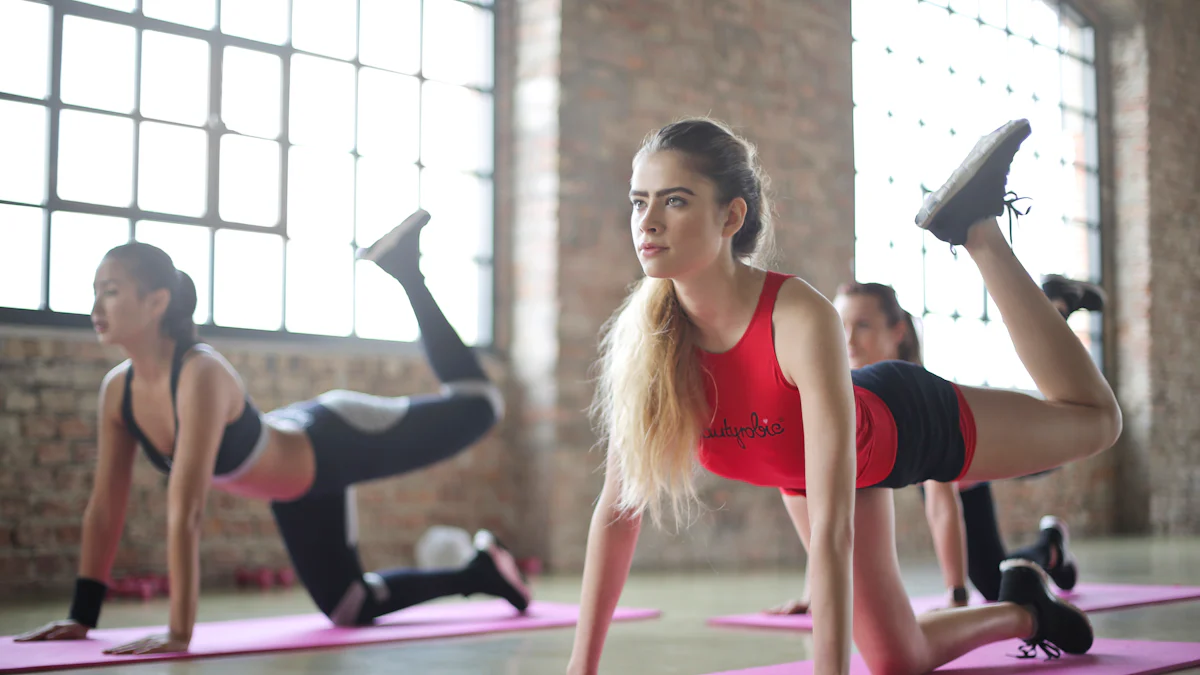
Vinyasa Flow Yoga offers a dynamic practice that links movement with breath, creating a harmonious experience. You will find that each pose flows seamlessly into the next, guided by your breath. This connection enhances mental clarity and stress management, as supported by research from the Mind & Life Summer Research Institute. The fluid movements of Vinyasa resemble a dance, providing both physical and mental benefits. Understanding what is Vinyasa Flow Yoga can open doors to improved well-being and respiratory efficiency, making it a holistic approach to health.
What is Vinyasa Flow Yoga?
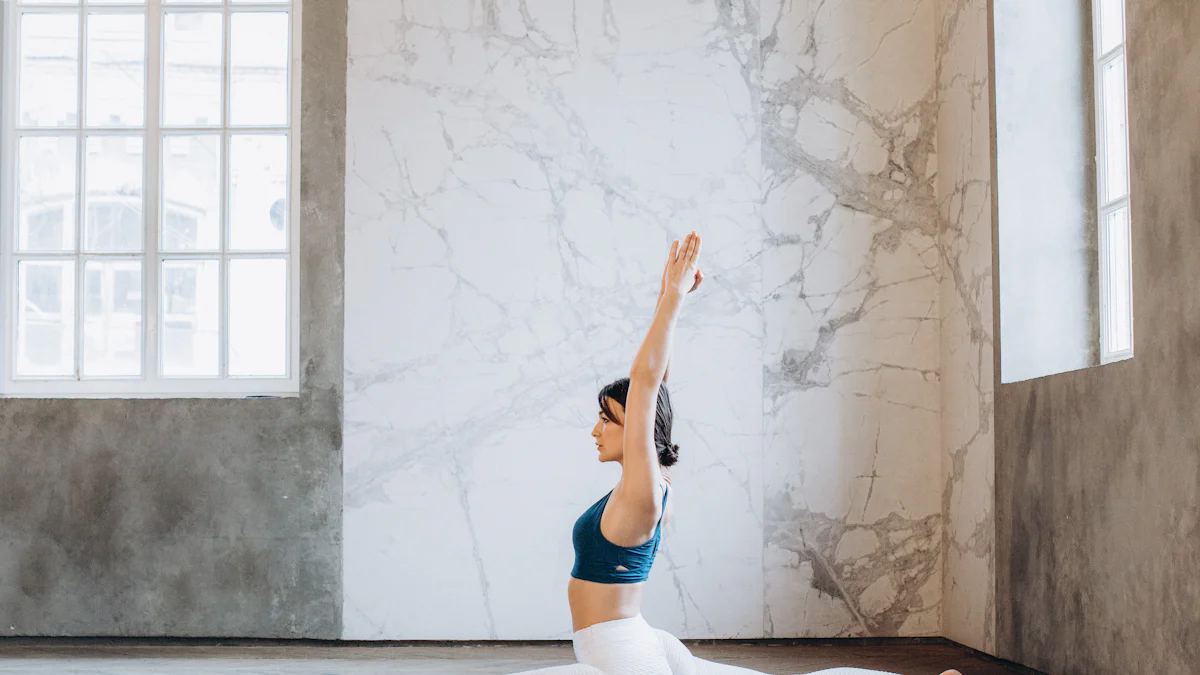
Definition and Origin
Vinyasa Flow Yoga, often referred to simply as Vinyasa, originates from the Sanskrit word 'vinyasa', which means "to place in a special way". This style of yoga emphasises the connection between breath and movement, creating a harmonious flow. Unlike other yoga styles that may focus on holding poses, Vinyasa involves a dynamic sequence where each pose transitions smoothly into the next. This practice has evolved over time, integrating elements from various yoga traditions such as Ashtanga and Power Yoga. You will find that Vinyasa Flow Yoga adapts to meet the changing needs of practitioners, offering a versatile approach to yoga.
Key Characteristics
Breath-synchronised movement
In Vinyasa Flow Yoga, breath plays a crucial role. Each movement synchronises with an inhale or exhale, guiding you through the sequence. This breath-synchronised movement not only enhances your physical practice but also promotes mental clarity and focus. By concentrating on your breath, you can achieve a meditative state, reducing stress and improving overall well-being. The emphasis on breath makes Vinyasa a unique practice, often described as a "breathing system" that integrates seamlessly with the flow of poses.
Seamless transitions
One of the defining features of Vinyasa Flow Yoga is its seamless transitions. You move fluidly from one pose to another, creating a continuous flow that resembles a dance. This aspect of Vinyasa requires you to maintain awareness and control, ensuring that each transition is smooth and intentional. The focus on transitions not only enhances the aesthetic quality of the practice but also builds strength and flexibility. By mastering these transitions, you can experience the full benefits of Vinyasa, both physically and mentally.
Characteristics of Vinyasa Flow Yoga
Flow Sequence
In Vinyasa Flow Yoga, the flow sequence plays a pivotal role in defining the practice. You will find that each pose transitions seamlessly into the next, creating a continuous and harmonious flow. This aspect of Vinyasa not only enhances the aesthetic appeal but also contributes significantly to the physical and mental benefits of the practice.
Importance of seamless transitions
Seamless transitions are crucial in Vinyasa Flow Yoga. They ensure that your practice remains fluid and uninterrupted. By focusing on smooth transitions, you maintain the rhythm and flow of the sequence, which is essential for achieving the meditative state that Vinyasa aims to cultivate. These transitions require you to engage your core muscles, promoting strength and stability. As you move from one pose to another, you develop greater body awareness and control, which are key components of what is Vinyasa Flow Yoga.
Typical poses in a sequence
A typical Vinyasa sequence includes foundational poses such as downward-facing dog, plank, chaturanga, and cobra. These poses form the backbone of many Vinyasa classes, providing a structure that supports the flow. Each pose is linked with the breath, creating a dynamic and engaging practice. You will often start and end with Tadasana, or Mountain Pose, which helps to centre your body and mind. Understanding these typical poses is essential for grasping what is Vinyasa Flow Yoga and how it can benefit you.
Breath and Movement
Breath and movement are intricately connected in Vinyasa Flow Yoga. The practice emphasises synchronising your breath with each movement, creating a harmonious and meditative experience. This connection is a defining characteristic of what is Vinyasa Flow Yoga.
Role of breath in guiding movement
The role of breath in Vinyasa Flow Yoga cannot be overstated. Your breath acts as a guide, leading you through each movement and transition. By focusing on your breath, you can maintain a steady rhythm and pace throughout the practice. This breath-guided movement helps you stay present and mindful, enhancing your overall experience. Expert Testimony:
"Ujjayi Pranayama, often referred to as 'victorious breath,' is a cornerstone breathing technique in vinyasa yoga. Characterised by a soft, ocean-like sound created at the back of the throat, Ujjayi breath is performed by slightly constricting the vocal cords while breathing in and out through the nose. This technique helps in maintaining rhythm and focus during vinyasa sequences and offers several benefits."
Benefits of breath awareness
Breath awareness in Vinyasa Flow Yoga offers numerous benefits. By concentrating on your breath, you can achieve a deeper level of relaxation and stress reduction. This awareness enhances your focus and mindfulness, allowing you to fully immerse yourself in the practice. Additionally, breath awareness improves your respiratory efficiency, contributing to better overall health. Understanding the benefits of breath awareness is integral to comprehending what is Vinyasa Flow Yoga and how it can positively impact your life.
Benefits of Vinyasa Flow Yoga
Physical Benefits
Improved flexibility and strength
Engaging in Vinyasa Flow Yoga regularly can significantly enhance your flexibility and strength. This dynamic practice involves a series of poses that stretch and strengthen various muscle groups. As you flow through each pose, your muscles lengthen and contract, promoting flexibility. Over time, you will notice increased range of motion and reduced stiffness. Additionally, the weight-bearing nature of many poses helps build muscle strength. By supporting your body weight in poses like plank and chaturanga, you develop core stability and upper body strength. This improvement in physical fitness is a key aspect of what is Vinyasa Flow Yoga.
Cardiovascular benefits
Vinyasa Flow Yoga offers notable cardiovascular benefits. The continuous movement and breath-synchronised flow elevate your heart rate, providing a cardio workout. This aspect of Vinyasa contributes to improved circulation and heart health. Scientific Research Findings highlight that Vinyasa yoga reduces arterial stiffness, a factor in lowering high blood pressure risks. Regular practice can also help lower blood sugar and cholesterol levels. By incorporating Vinyasa into your routine, you support a heart-healthy lifestyle, complementing other healthy habits.
Mental Benefits
Stress reduction
Practising Vinyasa Flow Yoga can be a powerful tool for stress reduction. The focus on breath and movement encourages mindfulness, helping you stay present and centred. As you concentrate on synchronising your breath with each pose, you enter a meditative state. This mindfulness reduces mental clutter and promotes relaxation. Research on Vinyasa Yoga Benefits indicates that regular practitioners experience a greater sense of calmness and inner peace. By reducing stress, you enhance your overall well-being and mental clarity.
Enhanced focus and mindfulness
Vinyasa Flow Yoga fosters enhanced focus and mindfulness. The practice requires you to maintain awareness of your breath and body, improving concentration. As you move through the sequence, you develop a heightened sense of body awareness and control. This focus extends beyond the mat, positively impacting your daily life. Vinyasa Yoga Benefits for Mental Health reveal that practitioners often report improved concentration and cognitive health. By embracing the principles of Vinyasa, you cultivate a mindful approach to life, enhancing your mental resilience.
Comparing Vinyasa to Other Yoga Styles
Vinyasa vs Ashtanga
Differences in structure and pace
When you explore different yoga styles, understanding the differences between Vinyasa and Ashtanga can help you choose the right practice. Vinyasa yoga focuses on a pattern of poses with breath integration. You will find that each class can vary, offering a unique sequence every time. This flexibility allows instructors to tailor the class to the needs of the participants. In contrast, Ashtanga yoga follows a specific sequence of poses. You will practice the same series of postures in every session, which helps in building discipline and consistency. The pace in Vinyasa can range from slow to fast, depending on the instructor's style. Ashtanga, however, maintains a steady rhythm, ensuring a structured and predictable flow.
Suitability for different practitioners
Choosing between Vinyasa and Ashtanga depends on your personal preferences and goals. If you enjoy variety and creativity in your practice, Vinyasa might be more suitable for you. It offers a dynamic experience that can adapt to your mood and energy levels. On the other hand, if you prefer a structured routine that allows you to track your progress over time, Ashtanga could be the better choice. This style is ideal for those who appreciate a disciplined approach to yoga. Both styles offer physical and mental benefits, so consider what aligns best with your lifestyle and objectives.
Vinyasa vs Hatha
Differences in intensity and flow
Understanding the differences between Vinyasa and Hatha yoga can guide you in selecting the right practice for your needs. Vinyasa yoga involves smoothly transitioning between poses in a flowing sequence synchronised with breath. You will experience a continuous movement that resembles a dance, providing a cardiovascular workout. In contrast, Hatha yoga focuses on holding static asanas for an extended period of time. This style emphasises alignment and precision, allowing you to deepen your understanding of each pose. The intensity in Vinyasa can vary, offering a more vigorous practice compared to the slower pace of Hatha.
Suitability for beginners
If you are new to yoga, both Vinyasa and Hatha offer unique benefits. Vinyasa's dynamic nature can be invigorating, helping you build endurance and flexibility. However, the fast-paced transitions might be challenging for beginners. Hatha yoga, with its focus on holding poses, provides an excellent foundation for understanding alignment and developing strength. This slower pace allows you to explore each posture thoroughly, making it a great starting point for newcomers. Consider your fitness level and personal preferences when choosing between these styles. Both can support your journey towards improved well-being and mindfulness.
What to Expect in a Vinyasa Class
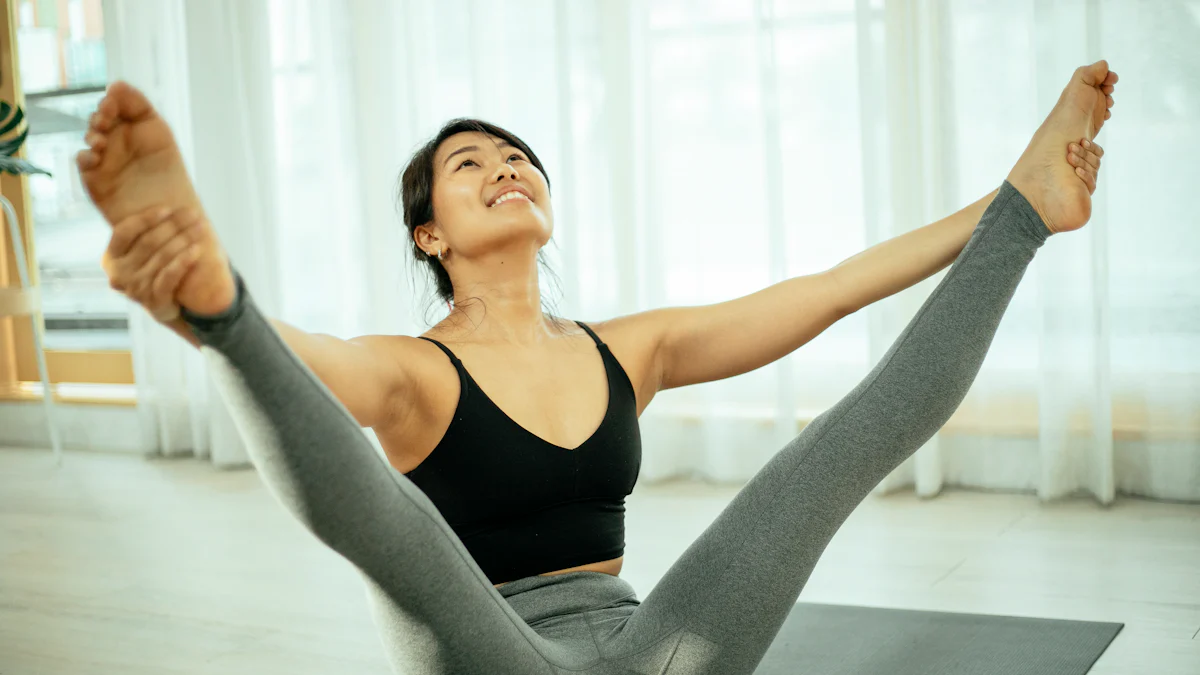
Class Structure
Typical class duration and format
In a typical Vinyasa class, you can expect the session to last between 60 to 90 minutes. The class usually begins with a brief centring exercise or meditation to help you focus and prepare mentally. This is followed by a warm-up sequence designed to gently awaken your body and increase flexibility. The main part of the class involves a series of flowing sequences, where you transition smoothly from one pose to another, synchronising your movements with your breath. This dynamic flow is the hallmark of Vinyasa yoga, offering a unique experience each time due to creative sequencing and tailored flows. The class concludes with a cool-down period, often incorporating relaxation techniques like Shavasana, allowing you to unwind and absorb the benefits of your practice.
Common elements like warm-up and cool-down
Warm-up exercises in Vinyasa classes typically include gentle stretches and movements to prepare your muscles and joints for the more intense sequences that follow. These exercises help prevent injury and enhance your performance during the class. The cool-down phase is equally important, as it allows your body to gradually return to a resting state. During this time, you might engage in slower, restorative poses that promote relaxation and recovery. The final relaxation pose, Shavasana, provides an opportunity to integrate the physical and mental benefits of the practice, leaving you feeling refreshed and centred.
Preparing for Your First Class
What to wear and bring
When attending your first Vinyasa class, wear comfortable, breathable clothing that allows for a full range of motion. Yoga leggings or shorts paired with a fitted top are ideal choices. Avoid loose clothing that might interfere with your movements. Bring a yoga mat, a water bottle to stay hydrated, and a towel if you tend to sweat during practice. Some studios provide mats and props, but it's always a good idea to check in advance.
Tips for beginners
As a beginner, approach your first Vinyasa class with an open mind and a willingness to learn. Focus on your breath and listen to your body, taking breaks when needed. Don't worry about perfecting each pose; instead, concentrate on the flow and rhythm of the practice. If you're unsure about any movements, don't hesitate to ask the instructor for guidance. Remember, Vinyasa yoga is versatile and can be adapted to suit your fitness level. With time and practice, you'll gain confidence and enjoy the unique class experiences that Vinyasa yoga offers.
Is Vinyasa Flow Yoga Right for You?
Assessing Your Fitness Level
Considerations for beginners
When you start Vinyasa Flow Yoga, consider your current fitness level. This dynamic practice can be intense, but it is adaptable for beginners. Focus on understanding the basic poses and breathing techniques. You might find it helpful to attend beginner classes where instructors offer guidance tailored to your needs. Remember, yoga is a personal journey. Progress at your own pace and listen to your body.
Modifications for different abilities
Vinyasa Flow Yoga accommodates various fitness levels and abilities. You can modify poses to suit your strength and flexibility. Use props like blocks or straps to assist in achieving correct alignment. If you have any physical limitations, inform your instructor. They can suggest alternative poses or adjustments. This ensures you enjoy the benefits of Vinyasa while maintaining safety and comfort.
Personal Preferences
Enjoyment of dynamic movement
Do you enjoy dynamic and flowing movements? Vinyasa Flow Yoga might be perfect for you. This style involves continuous sequences that link breath with movement. It resembles a dance, offering a cardiovascular workout. Many practitioners appreciate the variety and creativity in each class. A survey found that seven out of ten yoga enthusiasts preferred Vinyasa over Yin Yoga, highlighting its popularity among those who enjoy an active practice.
Desire for a meditative practice
If you seek a meditative experience, Vinyasa Flow Yoga offers that too. The focus on breath and movement encourages mindfulness. As you synchronise your breath with each pose, you enter a meditative state. This practice reduces stress and enhances mental clarity. According to a survey, 82.6% of participants reported improved stress levels through yoga. Vinyasa can help you cultivate a sense of calm and inner peace, making it a holistic choice for both body and mind.
You should try a Vinyasa class to truly experience its transformative benefits. My friend Anthony once shared how synchronising breath with movement in Vinyasa created a rush of energy, making each pose feel more natural and invigorating. This practice not only enhances physical strength and flexibility but also fosters mental clarity and emotional balance. Vinyasa yoga adapts to various fitness levels, offering modifications to suit your needs. Whether you seek a dynamic workout or a meditative journey, Vinyasa provides a holistic approach to well-being, enriching both body and mind.
See Also
Choosing The Perfect Yoga Class For Newcomers
Discovering The Unique Yoga Lounge Class Journey
Perfecting The Balasana Position In Yoga Practice
Hi my name is Lia and i am your host in this yoga journey in Portugal, Subscribe to our newsletter to receive every week the best of Yoga in Portugal.

We bring back the importance of initiation into womanhood by Roos-Veerle Krijnen & Ella-June Henrard
Welcome to the Women’s Initiation Retreat by Naked Truth Retreats, a transformative journey into the depths of your True Feminine Nature. This retreat invites you to remember the sacredness and wholeness of your being.
Roos-Veerle Krijnen & Ella-June Henrard