Understanding the Varieties of Yoga Asanas: A Comprehensive Guide

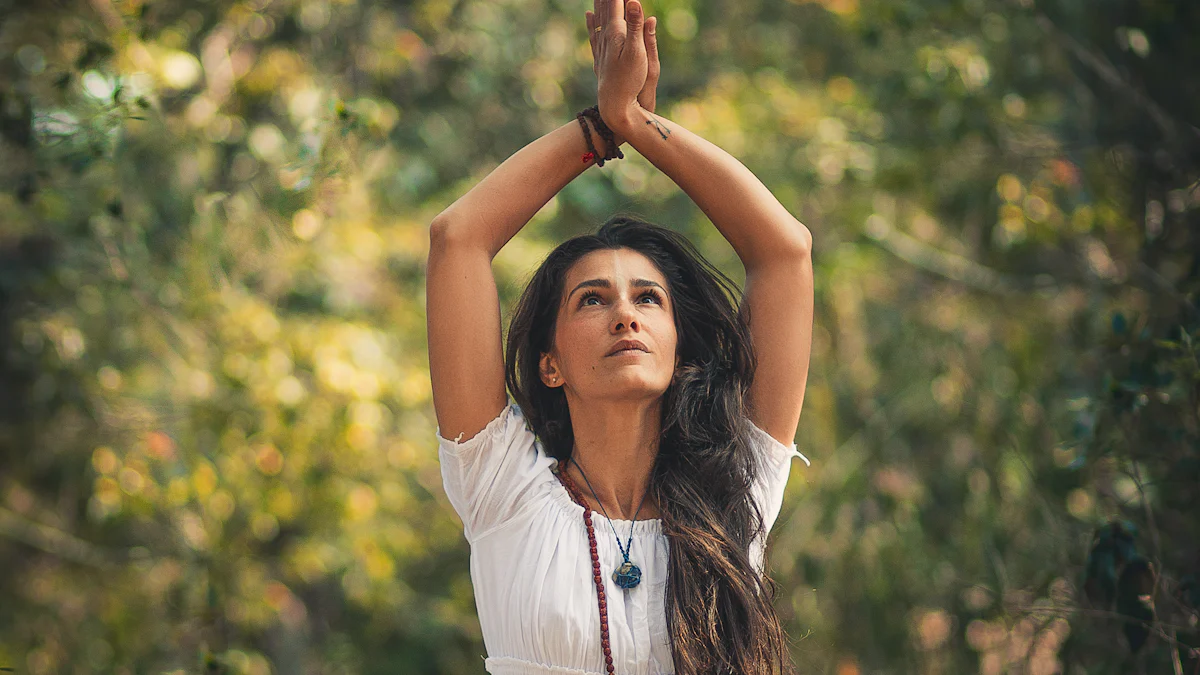
Yoga asanas, or poses, form the core of yoga practice. They offer a path to physical and mental well-being. In the U.S., yoga has become incredibly popular, with over 36 million people practicing regularly. This surge highlights the importance of understanding the different varieties of yoga asanas. Each type serves unique purposes, from enhancing flexibility to boosting mental clarity. By exploring these diverse poses, you can tailor your practice to meet your personal goals and needs, ensuring a fulfilling yoga journey.
Benefits of Practicing Yoga Asanas
Physical Benefits
Improved Flexibility
When you practice yoga asanas regularly, you notice a significant improvement in your flexibility. Many studies highlight how yoga stretches and lengthens your muscles, making your body more supple. This increased flexibility not only helps in performing daily activities with ease but also reduces the risk of injuries. Imagine reaching for something on a high shelf or bending down to tie your shoes without any strain. That's the power of improved flexibility through yoga.
Enhanced Strength
Yoga isn't just about stretching; it builds strength too. Holding poses like the Warrior or Plank engages your muscles, enhancing your overall strength. Unlike traditional weightlifting, yoga strengthens your body in a balanced way. You develop lean muscle mass, which supports your joints and improves your posture. This strength translates into better performance in other physical activities and a more resilient body.
Mental and Emotional Benefits
Stress Reduction
In today's fast-paced world, stress is a common companion. Yoga offers a sanctuary from this stress. By focusing on your breath and being present in each pose, you calm your mind and reduce anxiety. Scientific research shows that yoga lowers cortisol levels, the hormone responsible for stress. As you practice, you find yourself more relaxed and better equipped to handle life's challenges.
Increased Focus and Clarity
Yoga sharpens your mental focus and clarity. The practice encourages mindfulness, helping you concentrate better on tasks at hand. Studies reveal that regular yoga practitioners experience enhanced cognitive function and memory. When you engage in yoga, you train your mind to stay present, which boosts your productivity and decision-making skills. Imagine tackling your day with a clear mind and a focused approach. That's the gift of yoga.
Types of Yoga Asanas
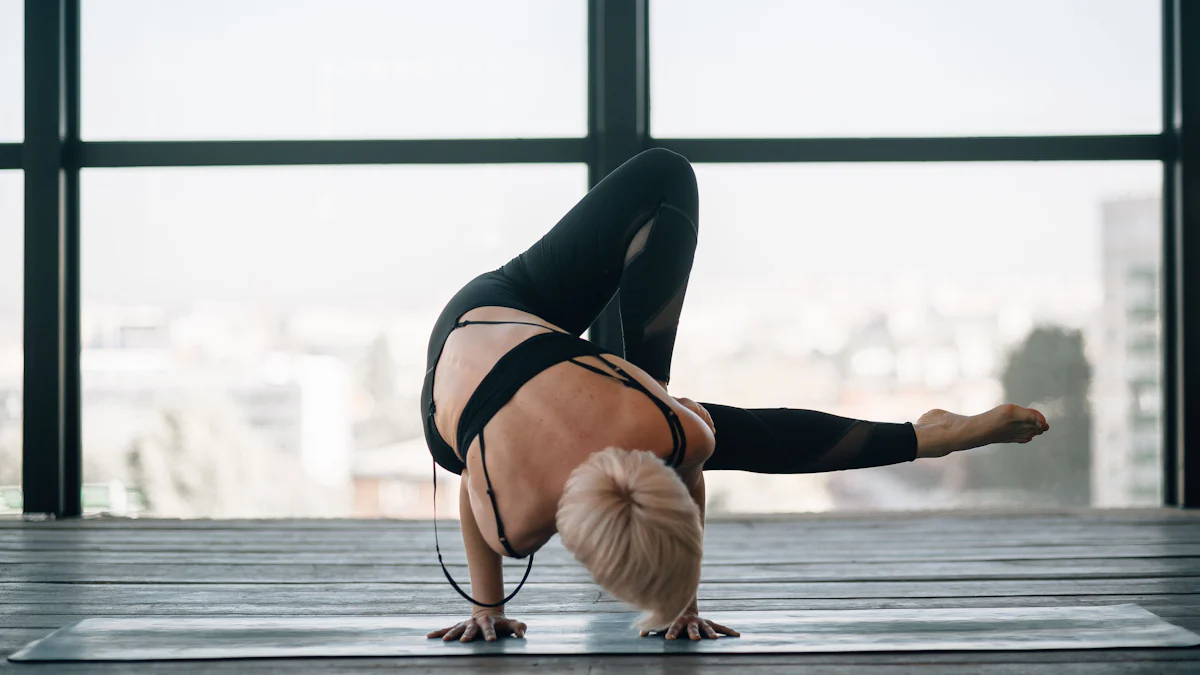
Exploring the different types of yoga asanas can transform your practice. Each category offers unique benefits, helping you achieve a balanced mind and body. Let's dive into some popular types of yoga asanas and discover how they can enhance your well-being.
Standing Yoga Asanas
Standing yoga asanas form the foundation of many yoga practices. They build strength and stability, grounding you both physically and mentally.
Mountain Pose (Tadasana)
Mountain Pose, or Tadasana, is the starting point for many standing asanas. It may look simple, but it requires focus and alignment. You stand tall with your feet together, arms at your sides, and shoulders relaxed. This pose improves posture and balance, setting the stage for more complex poses. Practicing Tadasana regularly helps you develop awareness of your body's alignment, which is crucial for preventing injuries.
Warrior Pose (Virabhadrasana)
Warrior Pose, known as Virabhadrasana, embodies strength and courage. You step one foot back, bend the front knee, and extend your arms overhead. This pose strengthens your legs, opens your hips, and stretches your arms and shoulders. It also boosts your confidence and concentration. By holding Warrior Pose, you cultivate inner strength and resilience, qualities that extend beyond the yoga mat.
Sitting Yoga Asanas
Sitting yoga asanas promote flexibility and relaxation. They are perfect for calming the mind and stretching the body.
Lotus Pose (Padmasana)
Lotus Pose, or Padmasana, is a classic sitting asana often used for meditation. You sit cross-legged with each foot resting on the opposite thigh. This pose opens your hips and stretches your knees and ankles. It encourages deep breathing and mental clarity. Practicing Lotus Pose regularly can enhance your meditation practice, helping you find peace and tranquility.
Seated Forward Bend (Paschimottanasana)
Seated Forward Bend, or Paschimottanasana, involves sitting with your legs extended and reaching forward to touch your toes. This pose stretches your spine, shoulders, and hamstrings. It also calms the mind and relieves stress. By practicing Seated Forward Bend, you improve your flexibility and release tension, promoting overall well-being.
Balancing Yoga Asanas
Balancing yoga asanas challenge your stability and focus. They require concentration and coordination, enhancing both physical and mental balance.
Tree Pose (Vrksasana)
Tree Pose, or Vrksasana, involves standing on one leg while placing the sole of the other foot on the inner thigh. You bring your hands together in front of your chest or extend them overhead. This pose strengthens your legs and core while improving your balance. Practicing Tree Pose helps you develop focus and concentration, essential skills for navigating life's challenges.
Eagle Pose (Garudasana)
Eagle Pose, or Garudasana, is a complex balancing asana. You wrap one leg around the other and cross your arms in front of you. This pose stretches your shoulders, hips, and thighs while improving balance and coordination. By practicing Eagle Pose, you enhance your ability to concentrate and maintain stability, both on and off the mat.
By incorporating these yoga asanas into your practice, you can experience a wide range of benefits. From building strength and flexibility to enhancing focus and relaxation, each type of asana offers something unique. Explore these poses and discover how they can enrich your yoga journey.
Backbending Yoga Asanas
Backbending yoga asanas open up your chest and stretch your spine, promoting flexibility and strength. These poses can invigorate your body and mind, leaving you feeling refreshed and energized.
Cobra Pose (Bhujangasana)
Cobra Pose, or Bhujangasana, is a gentle backbend that strengthens your spine and opens your chest. To perform this pose, lie on your stomach with your hands under your shoulders. As you inhale, lift your chest off the ground, keeping your elbows slightly bent. This pose stretches your abdominal muscles and improves posture. Regular practice can alleviate back pain and enhance your breathing capacity. Feel the rejuvenation as you embrace the energy of Cobra Pose.
Bridge Pose (Setu Bandhasana)
Bridge Pose, known as Setu Bandhasana, offers a deeper backbend experience. Lie on your back with your knees bent and feet flat on the floor. As you exhale, lift your hips towards the ceiling, pressing your feet and arms into the ground. This pose strengthens your back, glutes, and hamstrings while opening your chest and shoulders. Bridge Pose can improve digestion and reduce stress. Embrace the sense of balance and stability it brings to your practice.
Inversion Yoga Asanas
Inversion yoga asanas turn your world upside down, offering a fresh perspective and numerous benefits. These poses enhance circulation, boost confidence, and improve focus.
Headstand (Sirsasana)
Headstand, or Sirsasana, is often called the "king of yoga asanas." It requires strength, balance, and concentration. Begin by kneeling and interlocking your fingers, placing your forearms on the ground. Rest the crown of your head between your hands and slowly lift your legs overhead. This pose increases blood flow to your brain, enhancing mental clarity and focus. Practicing Headstand regularly can boost your confidence and improve your balance.
Shoulder Stand (Sarvangasana)
Shoulder Stand, or Sarvangasana, is another powerful inversion. Lie on your back and lift your legs towards the ceiling, supporting your lower back with your hands. This pose stimulates your thyroid gland, improving metabolism and energy levels. Shoulder Stand also enhances circulation and promotes relaxation. Feel the calming effects as you hold this pose, experiencing a sense of peace and tranquility.
Incorporating backbending and inversion yoga asanas into your routine can transform your practice. These poses offer unique benefits, from strengthening your spine to enhancing mental clarity. Explore these asanas and discover how they can enrich your yoga journey.
Practicing Yoga Asanas Safely
When you practice yoga, safety should always come first. By following some basic guidelines, you can enjoy the benefits of yoga while minimizing the risk of injury.
General Safety Tips
Warm-Up Exercises
Before diving into your yoga routine, warm up your body. Simple exercises like arm circles, gentle twists, or light jogging in place can prepare your muscles and joints. Warming up increases blood flow and flexibility, reducing the chance of strains or sprains. Think of it as a way to wake up your body and get it ready for the poses ahead.
Listening to Your Body
Your body knows best. Pay attention to how it feels during each pose. If something hurts or feels uncomfortable, ease off or modify the pose. Yoga is not about pushing through pain; it's about finding balance and harmony. Trust your instincts and respect your limits. Over time, you'll learn to distinguish between a healthy stretch and a warning sign.
Common Concerns and Precautions
Modifications for Beginners
If you're new to yoga, start with beginner-friendly poses. Use props like blocks or straps to support your body and make poses more accessible. For example, if touching your toes in a forward bend feels challenging, use a strap around your feet to bridge the gap. Modifications help you build strength and confidence gradually, ensuring a positive experience.
Avoiding Common Injuries
To avoid injuries, focus on alignment and technique. Keep your knees aligned with your toes in standing poses, and engage your core to support your lower back. Avoid locking your joints, and maintain a slight bend in your elbows and knees. Remember, yoga is a journey, not a race. Take your time to learn each pose correctly, and don't hesitate to ask for guidance from a qualified instructor.
By incorporating these safety tips into your practice, you can enjoy yoga's many benefits without compromising your well-being. Stay mindful, listen to your body, and embrace the journey with patience and care.
Choosing the Right Yoga Asanas for Your Needs
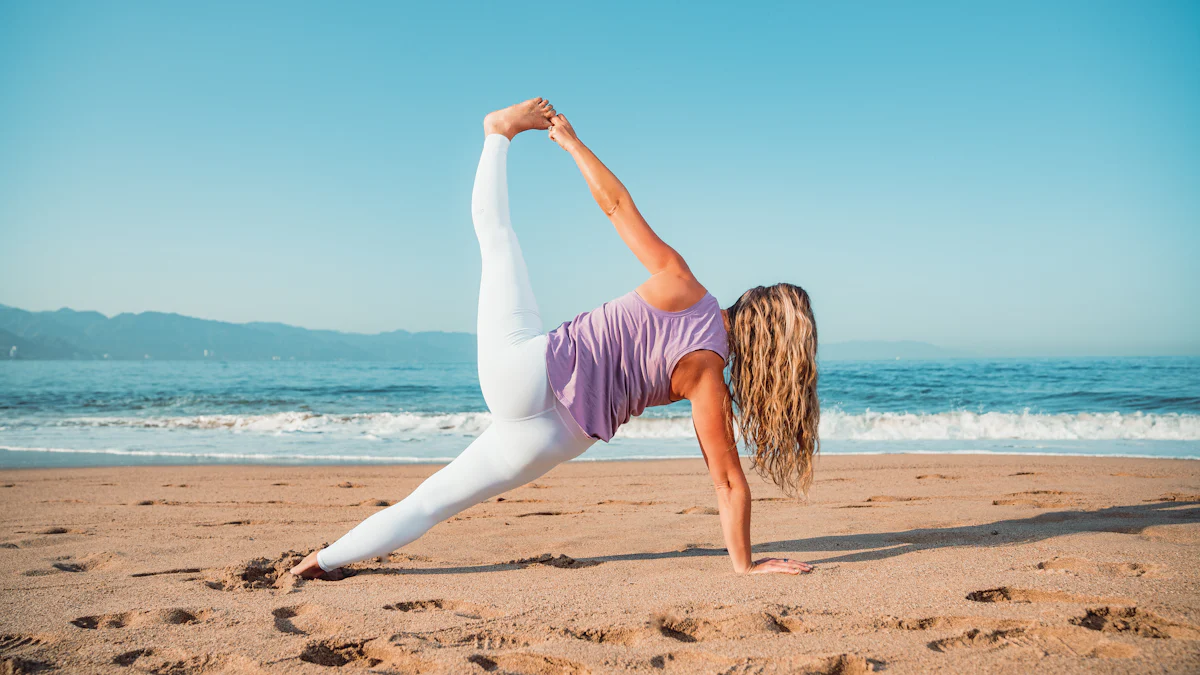
Selecting the right yoga asanas can make your practice more enjoyable and effective. Whether you're just starting or have been practicing for years, there's a pose for you. Let's explore how to choose asanas that match your skill level and goals.
Asanas for Beginners
Simple and Accessible Poses
Starting yoga can feel overwhelming, but it doesn't have to be. Focus on simple and accessible poses that build a strong foundation. Expert from REI suggests checking with your doctor before starting any new physical routine. Inform your instructor about any physical issues you might have. This ensures a safe and supportive environment.
Begin with poses like Mountain Pose (Tadasana) and Cat-Cow Stretch (Marjaryasana-Bitilasana). These poses improve posture and flexibility without straining your body. They help you understand basic alignment and breathing techniques. As you grow more comfortable, you'll gain confidence to try more challenging poses.
Asanas for Advanced Practitioners
Challenging and Complex Poses
If you've been practicing yoga for a while, you might seek more challenging poses. Advanced asanas test your strength, balance, and flexibility. They push your limits and deepen your practice.
Consider poses like Crow Pose (Bakasana) and King Pigeon Pose (Kapotasana). These require focus and precision. They build core strength and enhance flexibility. Remember to listen to your body and avoid pushing too hard. Mastering these poses takes time and patience.
Asanas for Specific Goals
Stress Relief
Yoga offers a sanctuary from stress. Certain poses are particularly effective for calming the mind and body. Child's Pose (Balasana) and Legs-Up-the-Wall Pose (Viparita Karani) promote relaxation and reduce anxiety. They encourage deep breathing and mindfulness, helping you find peace amidst chaos.
Strength Building
If strength building is your goal, yoga has you covered. Poses like Plank Pose (Phalakasana) and Chair Pose (Utkatasana) engage multiple muscle groups. They build endurance and tone your body. Incorporate these into your routine to enhance your physical strength and stamina.
Choosing the right yoga asanas involves understanding your needs and goals. Whether you're seeking relaxation or a physical challenge, there's a pose for you. Embrace your journey and enjoy the benefits of a tailored yoga practice.
Yoga asanas offer a wealth of benefits, from enhancing flexibility and strength to promoting mental clarity and stress relief. By exploring various types of asanas, you can tailor your practice to suit your individual needs and skill levels. Remember, practicing safely and mindfully is crucial. As Rachel Krentzman suggests, ensure your yoga style aligns with your physical condition and seek guidance from well-trained instructors. Embrace the journey of yoga, and let it enrich your life with balance and well-being.
See Also
A Newbie's Journey to Your First Yoga Class
Step-by-Step Instructions for Perfecting Crow Pose
Exploring the Fundamental Concepts of Yoga Philosophy

Hi my name is Lia and i am your host in this yoga journey in Portugal, Subscribe to our newsletter to receive every week the best of Yoga in Portugal.

We bring back the importance of initiation into womanhood by Roos-Veerle Krijnen & Ella-June Henrard
Welcome to the Women’s Initiation Retreat by Naked Truth Retreats, a transformative journey into the depths of your True Feminine Nature. This retreat invites you to remember the sacredness and wholeness of your being.
Roos-Veerle Krijnen & Ella-June Henrard