Understanding Swara Yoga and Its Breath Techniques

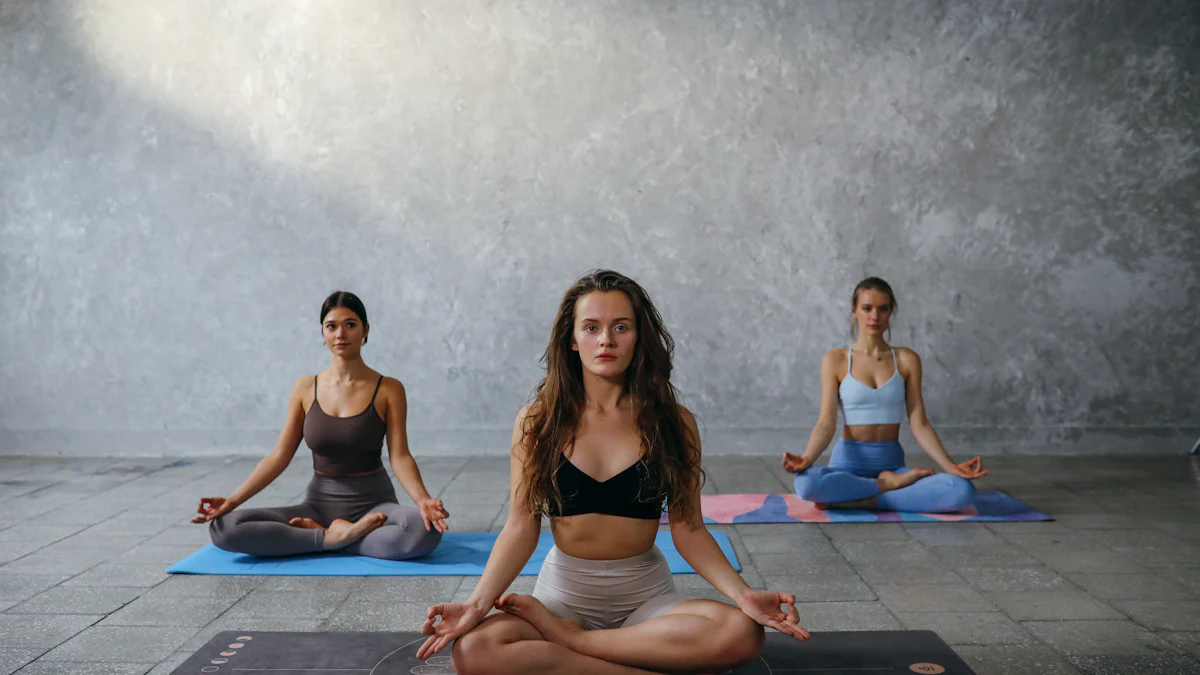
Swara Yoga teaches you to understand the flow of breath and its impact on your life. This ancient practice emphasizes the significance of breath, connecting it to your physical, mental, and emotional well-being. By mastering breath techniques, you can enhance your focus, reduce stress, and improve overall health. Engaging with Swara Yoga allows you to tap into your inner energy, promoting a harmonious balance within yourself.
Key Takeaways
Swara Yoga emphasizes the importance of breath in enhancing physical, mental, and emotional well-being.
Mastering breath techniques can help reduce stress, improve focus, and promote overall health.
Understanding the three nadis—Ida, Pingala, and Sushumna—can guide you toward achieving balance and harmony in your life.
Incorporating breath awareness into your daily routine fosters mindfulness and helps you manage stress effectively.
Practicing techniques like Alternate Nostril Breathing and 4-7-8 Breathing can significantly improve your emotional and physical states.
Regular practice of Swara Yoga can enhance your respiratory function, boost energy levels, and improve posture.
Setting a consistent practice schedule and creating a calm space can help beginners ease into Swara Yoga effectively.
The Foundations of Swara Yoga
Historical Background
Swara Yoga has deep roots in ancient traditions. This practice originally served as a secret tool for royalty and saints. They used it to understand nature, predict the future, and overcome hardships. By aligning breath awareness with cosmic cycles, practitioners gained insights into their lives. The main source of recorded knowledge on Swara Yoga comes from the Shiva Swarodaya, a text that outlines its principles and techniques. This ancient form of yoga revolves around breathing, making breath the driving force behind all actions.
Core Principles of Swara Yoga
At its core, Swara Yoga emphasizes the flow of breath through the nostrils. You can manipulate this flow to influence your physical and mental states. The practice teaches you to recognize how different breathing patterns affect your energy levels and emotional well-being. Understanding the three primary nadis—Ida, Pingala, and Sushumna—forms the foundation of this practice. Each nadi corresponds to different aspects of your being, guiding you toward balance and harmony.
By mastering these principles, you can harness the power of your breath. This mastery allows you to enhance focus, reduce stress, and improve overall health. Engaging with Swara Yoga opens pathways to a deeper understanding of yourself and your connection to the universe.
The Three Nadis in Swara Yoga
Ida Nadi
Ida Nadi represents the lunar energy within you. It flows through the left nostril and connects to your emotional and intuitive aspects. When you breathe primarily through the left nostril, you tap into calmness and creativity. This nadi helps you cultivate a sense of peace and introspection.
Practicing breath techniques that emphasize Ida Nadi can enhance your emotional balance. You may find that focusing on this nadi allows you to process feelings more effectively. Regular practice can lead to a deeper understanding of your emotions and improve your overall well-being.
Pingala Nadi
Pingala Nadi embodies the solar energy in your body. It flows through the right nostril and energizes your physical and active qualities. When you breathe through the right nostril, you stimulate alertness and motivation. This nadi encourages action and assertiveness.
Engaging with Pingala Nadi can boost your energy levels and enhance your productivity. You might notice that focusing on this nadi helps you tackle challenges with confidence. By balancing your breath between Ida and Pingala, you create a harmonious flow of energy that supports both your creative and active pursuits.
Sushumna Nadi
Sushumna Nadi serves as the central channel of energy in your body. It runs along your spine and connects the base of your spine to the crown of your head. This nadi represents spiritual awakening and higher consciousness. When you activate Sushumna Nadi, you align your energies and promote inner peace.
Practicing breath techniques that engage Sushumna Nadi can lead to profound spiritual awareness. As you clear this pathway, you may experience emotional balance and physical well-being. Regular practice of yoga and pranayama helps you naturally clear these subtle pathways, allowing you to discover deeper insights about yourself and your connection to the universe.
By understanding the roles of Ida, Pingala, and Sushumna Nadis, you can harness the power of your breath. This knowledge empowers you to create balance in your life, enhancing both your physical and spiritual well-being.
Breath Techniques in Swara Yoga
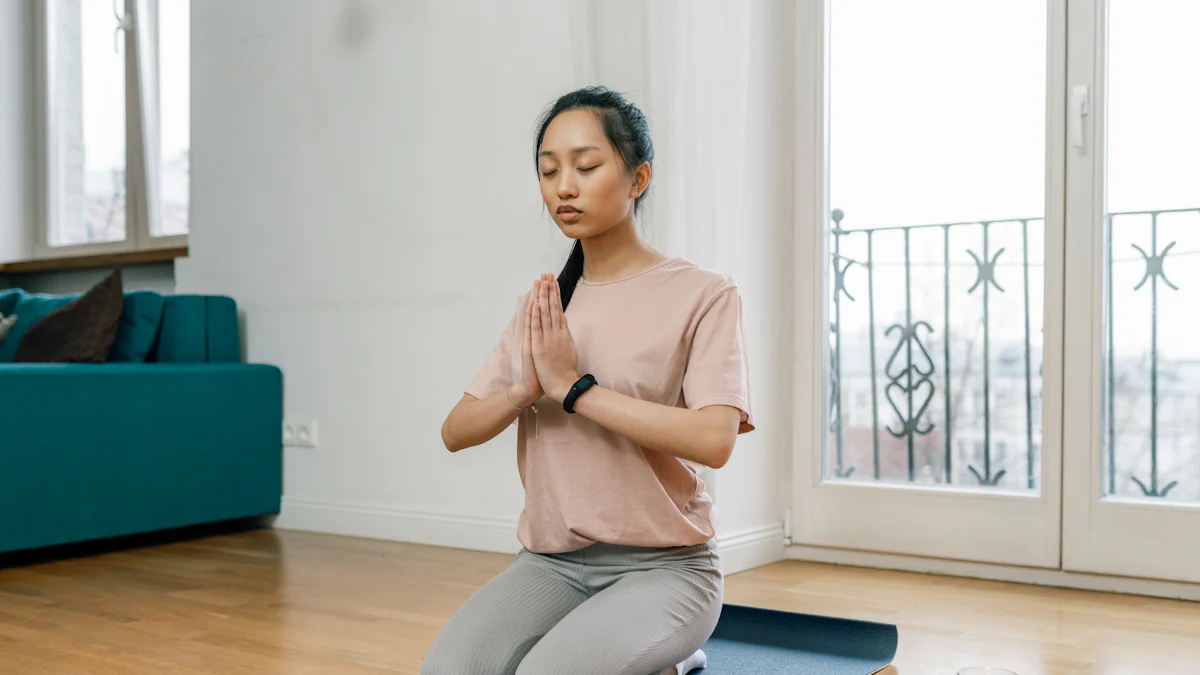
Overview of Breath Techniques
Breath techniques in Swara Yoga play a crucial role in enhancing your physical and mental well-being. These techniques focus on controlling your breath to influence your energy levels and emotional states. You can practice various methods, each designed to promote relaxation, concentration, and balance.
Some popular breath techniques include:
Alternate Nostril Breathing: This technique balances the flow of breath between both nostrils. It calms the mind and reduces stress.
4-7-8 Breathing: Inhale for four counts, hold for seven, and exhale for eight. This method acts as a natural tranquilizer for your nervous system, helping to relieve anxiety.
Lion’s Breath: This technique involves inhaling deeply and exhaling forcefully while making a roaring sound. It releases tension and boosts energy.
Equal Breathing: Inhale and exhale for the same duration. This practice promotes a sense of calm and balance.
Research supports the effectiveness of these techniques. Studies show that breath-control techniques significantly impact psycho-physiological aspects through slow breathing. Practicing these methods can lead to improved organ function and reduced chronic stress.
Importance of Breath Awareness
Breath awareness is essential in Swara Yoga. By paying attention to your breath, you can gain insights into your emotional and physical states. Recognizing the flow of breath through your nostrils helps you understand how it affects your energy and mood.
When you practice breath awareness, you become more attuned to your body's needs. This awareness allows you to respond to stressors more effectively. For instance, if you notice shallow breathing during stressful moments, you can consciously shift to deeper, slower breaths. This shift can help you regain control and promote relaxation.
Incorporating breath awareness into your daily routine enhances your overall well-being. You can use simple techniques to check in with your breath throughout the day. This practice fosters mindfulness and encourages a deeper connection with yourself.
By mastering breath techniques and cultivating breath awareness, you empower yourself to navigate life's challenges with greater ease. Swara Yoga offers you the tools to harness the power of your breath, leading to a more balanced and fulfilling life.
Practicing Nasika Mudra in Swara Yoga

What is Nasika Mudra?
Nasika Mudra, also known as Vishnu Mudra, serves as a powerful hand gesture in Swara Yoga. This mudra balances the left and right hemispheres of your brain. It facilitates both single nostril breathing and alternate nostril breathing. You can use it during various Pranayama practices, such as Nadi Shodhana and Anulom Vilom. The term "Nasika" means nostril, while "Mudra" refers to hand posture. Practicing this mudra honors Lord Vishnu and promotes harmony within your body and mind.
By incorporating Nasika Mudra into your routine, you enhance your breath control and deepen your meditation experience. This gesture helps you achieve a state of balance, allowing you to connect more profoundly with your inner self.
Step-by-Step Guide to Performing Nasika Mudra
Follow these simple steps to practice Nasika Mudra effectively:
Find a Comfortable Position: Sit in a comfortable position, either cross-legged on the floor or in a chair with your feet flat on the ground. Keep your spine straight and shoulders relaxed.
Prepare Your Hand: Bring your right hand to your face. Fold your index and middle fingers down toward your palm. Keep your ring and little fingers extended. Your thumb will rest gently on your right nostril.
Close Your Right Nostril: Use your thumb to gently close your right nostril. This action allows you to focus on breathing through your left nostril.
Inhale Through the Left Nostril: Take a slow, deep breath in through your left nostril. Feel the air filling your lungs. Hold this breath for a moment.
Switch Nostrils: After inhaling, close your left nostril with your ring finger. Release your thumb from your right nostril.
Exhale Through the Right Nostril: Exhale slowly and completely through your right nostril. Notice the release of tension as you breathe out.
Repeat the Cycle: Inhale through the right nostril, close it, and exhale through the left nostril. Continue this alternating pattern for several cycles. Aim for 5 to 10 minutes of practice.
Conclude Your Practice: After completing your cycles, return to normal breathing. Observe how you feel. Take a moment to appreciate the calmness and balance you have created.
Practicing Nasika Mudra regularly can enhance your breath control and promote mental clarity. This simple yet effective technique allows you to harness the power of your breath, leading to a more centered and harmonious life.
Benefits of Swara Yoga Practice
Physical Benefits
Swara Yoga offers numerous physical benefits that enhance your overall health. Engaging in this practice improves your respiratory function. You learn to control your breath, which increases lung capacity and promotes better oxygenation of your body. This enhanced oxygen flow boosts your energy levels and vitality.
Practicing Swara Yoga also aids in improving your immune system. The techniques help reduce stress, which often weakens your immunity. By managing your breath, you create a calming effect on your body. This calmness supports your immune response, making you less susceptible to illness.
Additionally, Swara Yoga can improve your posture. As you focus on your breath, you become more aware of your body alignment. This awareness encourages you to maintain a straight spine and relaxed shoulders. Improved posture can alleviate tension in your muscles and joints, leading to greater comfort throughout your day.
Mental and Emotional Benefits
Swara Yoga significantly impacts your mental and emotional well-being. The practice fosters a sense of calm and clarity. As you engage in breath techniques, you reduce anxiety and stress. This reduction allows you to approach challenges with a clearer mind.
You also enhance your concentration through Swara Yoga. The focus on breath helps you train your mind to stay present. This mindfulness practice sharpens your attention and improves your ability to concentrate on tasks. You may find that you complete your work more efficiently and with greater satisfaction.
Moreover, Swara Yoga promotes emotional balance. By understanding the connection between breath and emotions, you learn to manage your feelings more effectively. You can recognize when stress or anxiety arises and use breath techniques to regain control. This emotional regulation leads to a more stable and positive outlook on life.
Integrating Swara Yoga into Daily Life
Tips for Beginners
Starting your journey with Swara Yoga can feel overwhelming. However, you can ease into the practice with a few simple tips:
Set a Regular Schedule: Choose a specific time each day to practice. Consistency helps you build a habit and deepen your understanding of breath techniques.
Create a Calm Space: Find a quiet area where you can focus without distractions. A peaceful environment enhances your ability to connect with your breath.
Start with Basic Techniques: Begin with simple breath techniques like Equal Breathing or Alternate Nostril Breathing. These methods help you develop awareness and control over your breath.
Listen to Your Body: Pay attention to how your body feels during practice. If you experience discomfort, adjust your position or technique. Your comfort is essential for effective practice.
Keep a Journal: Document your experiences and feelings after each session. Reflecting on your progress can motivate you and help you identify areas for improvement.
Join a Community: Seek out local classes or online groups. Connecting with others who practice Swara Yoga can provide support and encouragement.
Advanced Practices for Experienced Yogis
Once you feel comfortable with the basics, you can explore advanced practices to deepen your Swara Yoga experience:
Explore Advanced Breath Techniques: Experiment with techniques like Kapalabhati (Skull Shining Breath) or Bhastrika (Bellows Breath). These methods energize your body and enhance your focus.
Incorporate Meditation: Combine breath techniques with meditation. Focus on your breath while observing your thoughts. This practice cultivates mindfulness and inner peace.
Practice Pranayama: Delve into various Pranayama techniques. Techniques like Nadi Shodhana (Channel Purification) can help balance your energy and promote emotional stability.
Integrate Movement: Combine Swara Yoga with physical postures (asanas). Flow through a sequence of poses while maintaining breath awareness. This integration enhances your overall practice.
Set Intentions: Before each session, set a clear intention for your practice. Whether it’s to reduce stress or enhance creativity, intentions guide your focus and energy.
Teach Others: Share your knowledge with friends or family. Teaching reinforces your understanding and allows you to connect with others through the practice.
By integrating Swara Yoga into your daily life, you can experience its profound benefits. Whether you are a beginner or an experienced yogi, these practices will help you cultivate a deeper connection with your breath and enhance your overall well-being.
Swara Yoga offers you a unique approach to understanding the flow of breath and its profound impact on your life. You can enhance your physical, mental, and emotional well-being by practicing its techniques. Explore this ancient practice to discover how breath awareness aligns with cosmic rhythms. As you embark on this journey, share your experiences and insights with others. Your journey can inspire and connect you with a community of like-minded individuals.
See Also
Exploring Yoga's Historical Origins in Indian Culture
Complete Hindi Yoga Manual for Practicing at Home
Step-by-Step Instructions for Perfecting the Plank Pose

Hi my name is Lia and i am your host in this yoga journey in Portugal, Subscribe to our newsletter to receive every week the best of Yoga in Portugal.

We bring back the importance of initiation into womanhood by Roos-Veerle Krijnen & Ella-June Henrard
Welcome to the Women’s Initiation Retreat by Naked Truth Retreats, a transformative journey into the depths of your True Feminine Nature. This retreat invites you to remember the sacredness and wholeness of your being.
Roos-Veerle Krijnen & Ella-June Henrard