Understanding Samkhya Yoga: Philosophical Foundations

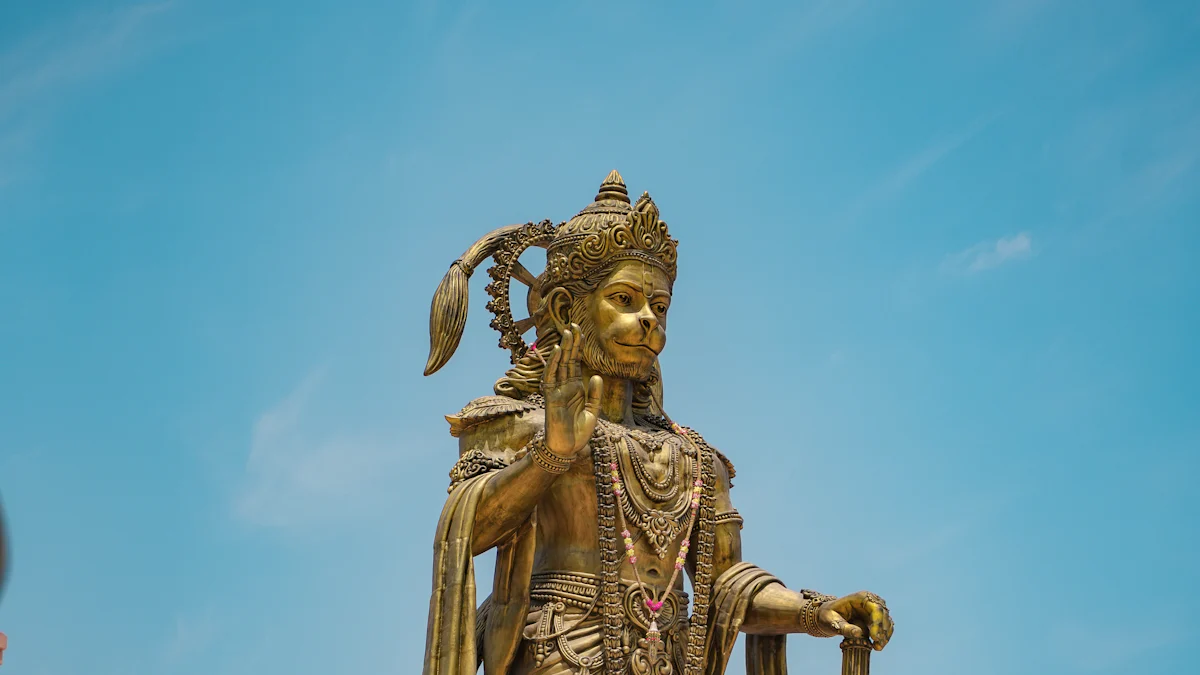
Samkhya Yoga stands as a profound philosophical system that explores the nature of reality and consciousness. It forms the backbone of many yoga practices, offering a dualistic perspective that distinguishes between Purusha (consciousness) and Prakriti (matter). Understanding its philosophical foundations is crucial for anyone delving into yoga, as it provides a framework for spiritual growth and self-realization. The Yoga-sutras of Patanjali, closely related to the Samkhya system, illustrate this connection by integrating Samkhya principles into their teachings, thus enriching the practice and study of yoga.
What is Samkhya Yoga?

Definition and Overview
Samkhya Yoga represents one of the six orthodox schools of Indian philosophy. It provides a comprehensive framework for understanding the universe and human existence. This philosophical system emphasizes the dualistic nature of reality, distinguishing between Purusha (consciousness) and Prakriti (matter). Samkhya Yoga posits that liberation, or Moksha, occurs when individuals realize the separation between these two entities.
Core Principles of Samkhya
The core principles of Samkhya Yoga revolve around the concept of dualism. It asserts that Purusha and Prakriti are two distinct realities. Purusha signifies the eternal, unchanging consciousness, while Prakriti embodies the dynamic, material world. According to Samkhya Yoga, all experiences and phenomena arise from the interaction between these two forces. This interaction leads to the evolution of the universe and the emergence of individual beings.
Distinction from Other Yoga Philosophies
Samkhya Yoga differs from other yoga philosophies in its strict dualism. While other systems, like Advaita Vedanta, propose non-dualism, Samkhya maintains a clear distinction between consciousness and matter. Unlike Bhakti Yoga, which focuses on devotion, or Karma Yoga, which emphasizes action, Samkhya Yoga centers on knowledge and self-realization. It provides a theoretical foundation for understanding the nature of existence, which complements the practical aspects of yoga practice.
Historical Context
Origins and Development
The origins of Samkhya Yoga trace back to ancient India. It is considered one of the oldest philosophical systems, with roots in the Vedic texts. Over time, Samkhya evolved through various interpretations and commentaries. The system reached its classical form with the Samkhya Karika, a foundational text attributed to the sage Ishvara Krishna. This text outlines the key doctrines and principles of Samkhya Yoga, providing a structured approach to understanding reality.
Key Texts and Figures
Several key texts and figures have shaped the development of Samkhya Yoga. The Samkhya Karika stands as the primary text, offering a detailed exposition of its philosophy. Other important works include the Samkhya Sutras and the commentaries by scholars like Gaudapada and Vachaspati Mishra. These texts and thinkers have contributed to the rich tradition of Samkhya Yoga, influencing both its theoretical and practical aspects.
Core Concepts of Samkhya Yoga
Dualism in Samkhya
Samkhya Yoga presents a profound dualistic philosophy. It distinguishes between two fundamental realities: Purusha and Prakriti. This dualism forms the core of Samkhya Yoga, offering a unique perspective on existence.
Purusha and Prakriti
In Samkhya Yoga, Purusha represents pure consciousness. It is eternal, unchanging, and distinct from the material world. Prakriti, on the other hand, embodies nature and matter. It is dynamic and ever-evolving. The interaction between Purusha and Prakriti gives rise to the universe and all experiences within it. This relationship highlights the dualistic nature of Samkhya Yoga, where consciousness and matter coexist yet remain separate.
"The Samkhya system espouses dualism between consciousness and matter by postulating two irreducible, innate and independent realities: Purusha and Prakriti."
The Concept of Liberation
Liberation, or Moksha, holds a central place in Samkhya Yoga. It occurs when individuals realize the separation between Purusha and Prakriti. This realization leads to freedom from the cycle of birth and rebirth. Samkhya Yoga teaches that self-knowledge, rather than external influences, is the key to achieving liberation. By understanding the true nature of Purusha and Prakriti, individuals can transcend the material world and attain spiritual freedom.
The 25 Tattvas
Samkhya Yoga introduces the concept of the 25 Tattvas, which are fundamental principles that explain the structure of reality. These Tattvas provide a comprehensive framework for understanding the universe and human existence.
Explanation of Tattvas
The 25 Tattvas in Samkhya Yoga represent various elements and processes that constitute the universe. They include both physical and metaphysical components, ranging from the five elements (earth, water, fire, air, and ether) to the mind and intellect. Each Tattva plays a specific role in the evolution of the universe and the development of individual beings.
Their Role in Understanding Reality
The Tattvas serve as a guide for understanding the complex interplay between Purusha and Prakriti. They illustrate how the material world evolves from the interaction of these two realities. By studying the Tattvas, individuals gain insight into the nature of existence and the processes that govern life. This knowledge aids in the pursuit of liberation, as it helps individuals recognize the transient nature of the material world and focus on the eternal consciousness of Purusha.
Samkhya Yoga, with its dualistic framework and emphasis on the 25 Tattvas, offers a profound understanding of reality. It provides a philosophical foundation for exploring the nature of consciousness and the material world, guiding individuals on their path to self-realization and spiritual freedom.
Theories and Philosophical Debates
Samkhya's Influence on Other Philosophies
Samkhya Yoga has significantly influenced various philosophical systems, particularly in India. Its dualistic approach has sparked numerous discussions and comparisons with other schools of thought.
Comparison with Vedanta
Samkhya and Vedanta represent two distinct philosophical traditions within Indian thought. Samkhya emphasizes the duality of consciousness and matter, distinguishing between Purusha (consciousness) and Prakriti (matter). In contrast, Vedanta incorporates a theistic element by introducing the concept of Ishvara, the supreme lord. Vedanta focuses on metaphysical knowledge and self-control as pathways to realization. While Samkhya maintains a clear separation between spirit and matter, Vedanta categorizes reality into three states of truth: Paramarthika (absolute), Vyavaharika (empirical), and Pratibasika (illusory). These differences highlight the unique perspectives each philosophy offers on the nature of existence.
Impact on Modern Thought
Samkhya's influence extends beyond ancient Indian philosophy, impacting modern thought and practices. Its dualistic framework has informed contemporary discussions on consciousness and materialism. Many modern thinkers and spiritual practitioners draw upon Samkhya's principles to explore the relationship between mind and matter. The philosophy's emphasis on self-knowledge and liberation resonates with current interests in personal development and spiritual growth. By providing a structured approach to understanding reality, Samkhya continues to inspire and guide individuals seeking deeper insights into the nature of existence.
Criticisms and Counterarguments
Despite its profound insights, Samkhya Yoga has faced criticisms and debates over the centuries. Scholars and practitioners have engaged in discussions to address these challenges and defend the philosophy's core tenets.
Common Criticisms
Critics often challenge Samkhya's strict dualism, questioning the separation between Purusha and Prakriti. Some argue that this dualistic view oversimplifies the complexity of reality. Others criticize the lack of a theistic element, which they believe limits the philosophy's spiritual depth. Additionally, the absence of a creator god in Samkhya has led to debates about its compatibility with other religious beliefs.
Responses from Samkhya Scholars
Samkhya scholars have responded to these criticisms by emphasizing the philosophy's unique contributions to understanding consciousness and matter. They argue that the dualistic framework provides a clear and logical explanation of the universe's evolution. By focusing on self-knowledge and liberation, Samkhya offers a practical approach to spiritual growth. Scholars also highlight the philosophy's historical significance and its role in shaping other systems of thought. Through these responses, Samkhya continues to assert its relevance and importance in both ancient and modern contexts.
Applications of Samkhya Yoga
Practical Implications
Influence on Yoga Practices
Samkhya Yoga profoundly influences modern yoga practices. It provides a philosophical framework that guides practitioners in understanding the nature of reality and consciousness. By emphasizing the duality of Purusha and Prakriti, Samkhya Yoga encourages individuals to focus on self-awareness and inner peace. This focus helps practitioners achieve a balanced state of mind, which is essential for effective yoga practice. Many yoga instructors incorporate Samkhya principles into their teachings, helping students explore the deeper aspects of their practice beyond physical postures.
Relevance in Contemporary Life
In today's fast-paced world, Samkhya Yoga offers valuable insights for personal development and well-being. Its emphasis on self-knowledge and liberation resonates with those seeking to understand their true nature. By recognizing the separation between consciousness and matter, individuals can navigate life's challenges with greater clarity and purpose. Samkhya Yoga encourages mindfulness and introspection, which are crucial for maintaining mental health and emotional balance. As people strive for a more meaningful existence, the teachings of Samkhya Yoga provide a timeless guide for achieving spiritual growth and fulfillment.
Integration with Other Disciplines
Samkhya in Psychology
Samkhya Yoga's principles extend beyond spiritual practice, influencing the field of psychology. Its dualistic framework offers a unique perspective on the human mind and behavior. By examining the interplay between Purusha and Prakriti, psychologists gain insights into the nature of consciousness and perception. Samkhya Yoga serves as a tool for understanding the material world and our experiences within it. This understanding aids in addressing psychological issues, promoting mental health, and enhancing self-awareness. The philosophy's focus on self-realization aligns with modern therapeutic approaches that emphasize personal growth and transformation.
Its Role in Spiritual Development
Samkhya Yoga plays a significant role in spiritual development by providing a structured approach to understanding existence. It encourages individuals to explore their inner selves and seek liberation from material attachments. Through the study of Samkhya Yoga, practitioners learn to transcend the limitations of the physical world and connect with their true consciousness. This journey of self-discovery fosters spiritual awakening and enlightenment. By integrating Samkhya principles into their spiritual practices, individuals can achieve a deeper sense of peace and fulfillment, ultimately leading to a more harmonious and purposeful life.
Significance of Samkhya Yoga Today
Cultural and Spiritual Impact
Contribution to Hindu Philosophy
Samkhya Yoga has profoundly influenced Hindu philosophy. Its dualistic framework, which distinguishes between Purusha (consciousness) and Prakriti (matter), has been integrated into various Hindu schools of thought. The concept of duality, a hallmark of Samkhya, is evident in the metaphysical discussions within Hinduism. Many traditions, including Vedanta and Tantra, have adopted Samkhya's principles, illustrating its foundational role in shaping philosophical discourse. The emphasis on self-knowledge and liberation in Samkhya Yoga aligns with the broader goals of Hindu spiritual practices, reinforcing its enduring relevance.
Global Influence and Recognition
Beyond India, Samkhya Yoga has gained global recognition. Its philosophical insights resonate with individuals seeking a deeper understanding of consciousness and reality. The dualistic approach of Samkhya offers a unique perspective that appeals to those exploring the relationship between mind and matter. Scholars and practitioners worldwide have acknowledged its contributions to the study of metaphysics and spirituality. As interest in Eastern philosophies grows, Samkhya Yoga continues to inspire and guide individuals on their spiritual journeys, highlighting its universal appeal and significance.
Future Prospects
Ongoing Research and Interest
The study of Samkhya Yoga remains vibrant, with ongoing research exploring its philosophical and practical implications. Scholars continue to examine its influence on other Indian traditions, such as Buddhism and Jainism, as well as its impact on modern thought. The dualistic nature of Samkhya provides a rich area for academic inquiry, particularly in understanding the interplay between consciousness and matter. Researchers also investigate its applications in contemporary contexts, such as psychology and personal development, demonstrating its adaptability and relevance in addressing current challenges.
Potential for New Interpretations
As interest in Samkhya Yoga grows, new interpretations and applications emerge. Modern thinkers explore its principles to address contemporary issues, such as mental health and spiritual growth. The philosophy's focus on self-realization and liberation offers valuable insights for those seeking personal transformation. By integrating Samkhya's teachings into various disciplines, individuals can develop innovative approaches to understanding consciousness and existence. This potential for new interpretations ensures that Samkhya Yoga remains a dynamic and evolving field, continuing to enrich the lives of those who engage with its profound wisdom.
Samkhya Yoga provides a profound understanding of reality by distinguishing between the temporary and eternal aspects of existence. This philosophical system emphasizes knowledge and self-realization, guiding individuals on the path to liberation. Its dualistic framework addresses fundamental themes of duty, selfless action, and the nature of reality. Samkhya Yoga remains relevant today, bridging emotional turmoil with philosophical discourse. It continues to inspire those seeking deeper truths and spiritual growth, offering timeless wisdom for navigating the complexities of life.
See Also
Exploring Samkhya and Yoga Philosophy
Exploring the Advantages of Dynamic Yoga

Hi my name is Lia and i am your host in this yoga journey in Portugal, Subscribe to our newsletter to receive every week the best of Yoga in Portugal.

We bring back the importance of initiation into womanhood by Roos-Veerle Krijnen & Ella-June Henrard
Welcome to the Women’s Initiation Retreat by Naked Truth Retreats, a transformative journey into the depths of your True Feminine Nature. This retreat invites you to remember the sacredness and wholeness of your being.
Roos-Veerle Krijnen & Ella-June Henrard