Understanding Samkhya and Yoga Philosophy

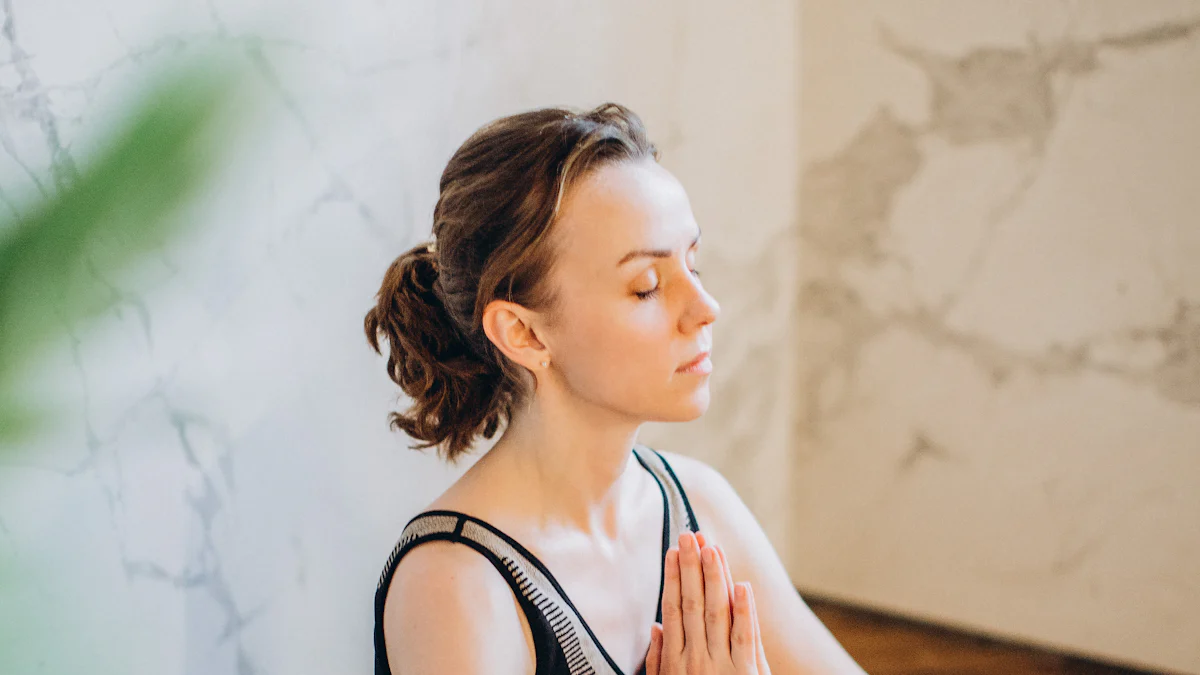
Samkhya and Yoga philosophy offer a profound understanding of the universe and human existence. Samkhya presents a dualistic view, distinguishing between Purusha (pure consciousness) and Prakriti (nature). Yoga, influenced by Samkhya, provides practical techniques for spiritual growth. In contemporary times, these philosophies hold significant importance. They offer a holistic approach, combining intellectual insight with practical methods, fostering wisdom and inner discipline. Understanding samkhya yoga can enhance one's spiritual journey, providing tools to navigate the complexities of modern life with clarity and purpose.
Origins of Samkhya Philosophy

Historical Background
Samkhya philosophy, one of the oldest schools of Indian thought, traces its roots back to ancient texts and scriptures. The Vedas, revered as the oldest sacred texts in Hinduism, contain passages that hint at the foundational ideas of Samkhya. Around 550 BC, the legendary sage Kapila emerged as the founder of this profound philosophy. His teachings emphasized the importance of scientific inquiry and the concept of dualism, which became central to Samkhya.
Ancient Texts and Scriptures
The ancient texts of the Vedas serve as the bedrock for Samkhya philosophy. These scriptures, rich in spiritual and philosophical insights, laid the groundwork for the development of Samkhya. The Sāṅkhya-Kārikā, a classical text, further elaborates on these ideas, providing a structured framework for understanding the universe and human existence. This text mentions several ancient adherents of the Samkhya school, confirming its deep historical roots.
Key Figures in Samkhya Philosophy
Sage Kapila stands out as the pivotal figure in the establishment of Samkhya philosophy. His contributions shaped the dualistic nature of Samkhya, distinguishing between Purusha (consciousness) and Prakriti (matter). This distinction forms the core of Samkhya's teachings, influencing various Indian religious and philosophical traditions, including Hinduism, Buddhism, and Jainism.
Core Principles of Samkhya
Samkhya philosophy revolves around several core principles that define its unique perspective on reality. At its heart lies the concept of dualism, which underscores the separation between consciousness and matter.
Dualism in Samkhya
Dualism in Samkhya emphasizes the distinct nature of Purusha and Prakriti. Purusha represents pure consciousness, the eternal observer, while Prakriti embodies the material world, characterized by change and transformation. Liberation, according to Samkhya, occurs when individuals realize the separation between these two entities, freeing themselves from the cycle of birth and rebirth.
The Concept of Purusha and Prakriti
The interplay between Purusha and Prakriti forms the essence of Samkhya philosophy. Purusha, the conscious self, remains passive and unchanging, observing the dynamic dance of Prakriti. This interaction gives rise to the material universe and all its manifestations. Understanding this relationship provides insight into the nature of existence and the path to liberation.
Samkhya yoga, deeply intertwined with these principles, offers a comprehensive framework for spiritual growth. By integrating the insights of Samkhya with practical techniques, samkhya yoga guides individuals toward self-realization and inner peace. The influence of Samkhya extends beyond its own school, impacting the development of yoga philosophy, as seen in the works of Patanjali. His yoga philosophy incorporates many Samkhya concepts, introducing the principle of Ishwara and presenting the eight limbs of yoga for attaining liberation.
Key Concepts of Yoga Philosophy
The Eight Limbs of Yoga
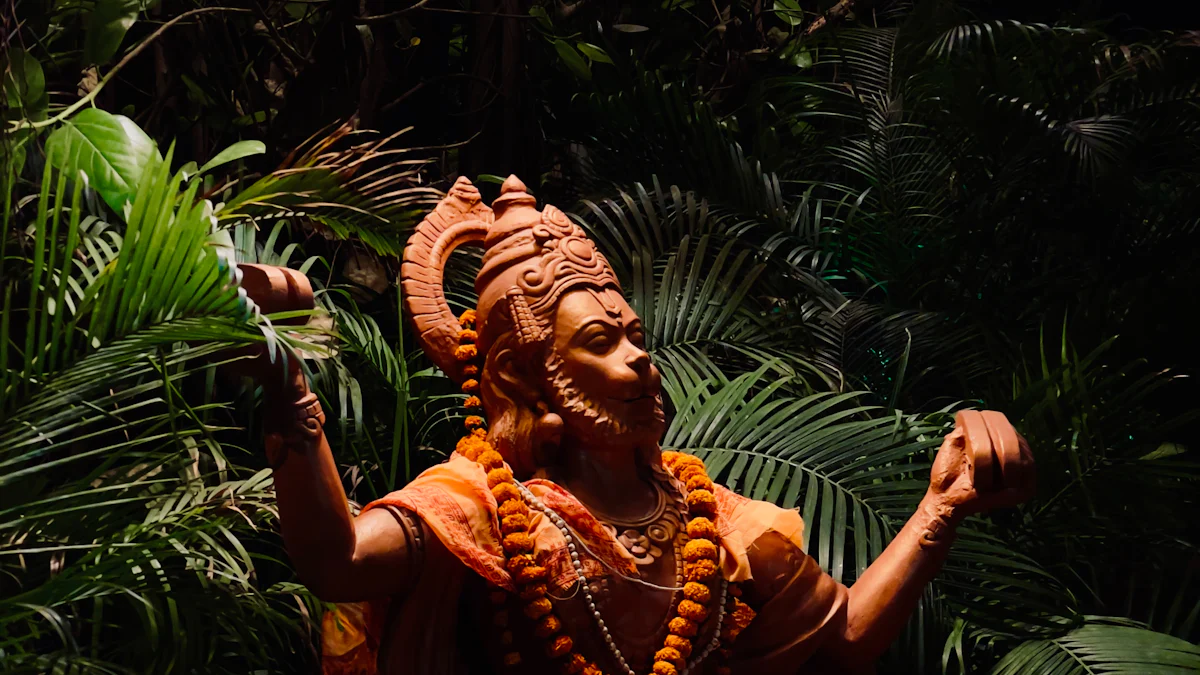
The philosophy of yoga encompasses a comprehensive system known as the Eight Limbs of Yoga. This framework, outlined by the sage Patanjali in the Yoga Sutras, serves as a guide for living a meaningful and purposeful life. Each limb represents a step on the path to spiritual enlightenment.
Yama and Niyama
Yama and Niyama form the ethical foundation of yoga practice. They consist of moral codes and personal observances that cultivate discipline and integrity.
Yama: These are universal moral commandments. They include non-violence (Ahimsa), truthfulness (Satya), non-stealing (Asteya), continence (Brahmacharya), and non-covetousness (Aparigraha). Practicing these principles fosters harmony with others and the environment.
Niyama: These are personal observances that promote self-discipline and spiritual growth. They include purity (Saucha), contentment (Santosha), austerity (Tapas), self-study (Svadhyaya), and surrender to a higher power (Ishvara Pranidhana). These practices encourage inner peace and self-awareness.
Asana and Pranayama
Asana and Pranayama focus on the physical and energetic aspects of yoga.
Asana: This refers to the practice of physical postures. It enhances flexibility, strength, and balance. Regular practice of asanas improves muscular strength and supports overall physical health.
Pranayama: This involves breath control techniques. It regulates the flow of vital energy (prana) in the body. Practicing pranayama improves respiratory function and promotes mental clarity.
Meditation and Mindfulness
Meditation and mindfulness are integral components of yoga philosophy. They cultivate awareness and foster a deep connection between the mind and body.
Techniques and Practices
Various meditation techniques exist within yoga. These practices aim to quiet the mind and enhance concentration.
Mindfulness Meditation: This practice involves focusing on the present moment without judgment. It encourages awareness of thoughts, emotions, and sensations.
Mantra Meditation: This technique uses repetitive sounds or phrases to focus the mind. It aids in achieving a meditative state.
Benefits of Meditation
Meditation offers numerous benefits for mental and physical health. Scientific studies have shown that regular meditation practice can alleviate symptoms of anxiety and depression. It also improves mental health and enhances overall well-being. Additionally, meditation supports stress management and promotes quality sleep.
"Yoga and meditation have been shown to improve mental health, reduce stress, alleviate symptoms of anxiety and depression, improve quality of life, and enhance overall well-being." - Medical News Today
Incorporating meditation and mindfulness into daily life can lead to profound personal transformation. These practices empower individuals to navigate life's challenges with clarity and resilience.
Interrelation between Samkhya and Yoga
Philosophical Connections
How Samkhya Informs Yoga Practice
Samkhya yoga serves as the philosophical backbone for many yoga practices. Samkhya introduces the dualistic concept of Purusha (the observer) and Prakriti (the observed), which yoga adopts to guide practitioners toward liberation. This dualism emphasizes the separation between consciousness and the material world, forming the basis for understanding the path to spiritual freedom. Yoga builds on this framework by providing practical methods to achieve the realization described in Samkhya. Through disciplines such as meditation and mindfulness, yoga helps individuals discern between the temporary and eternal aspects of existence, leading to a deeper understanding of reality.
The Role of Samkhya in Yoga Sutras
The Yoga Sutras of Patanjali incorporate many principles from Samkhya yoga. Patanjali's work outlines the eight limbs of yoga, which offer a structured approach to achieving liberation. These limbs include ethical guidelines, physical postures, and meditative practices that align with Samkhya's emphasis on discernment and self-realization. By integrating Samkhya's metaphysical concepts, the Yoga Sutras provide a comprehensive guide for spiritual growth. This synthesis of theory and practice highlights the enduring influence of Samkhya on yoga philosophy.
Practical Applications
Integrating Samkhya and Yoga in Daily Life
Samkhya yoga offers valuable insights for daily living. By understanding the distinction between Purusha and Prakriti, individuals can cultivate a sense of detachment from material concerns. This perspective encourages mindfulness and self-awareness, promoting inner peace and balance. Practicing yoga techniques such as meditation and breath control further enhances this awareness, helping individuals navigate life's challenges with clarity. Integrating these practices into daily routines fosters a holistic approach to well-being, aligning with the principles of Samkhya yoga.
Modern Interpretations
In contemporary times, samkhya yoga continues to evolve, adapting to modern contexts while retaining its core principles. Many practitioners explore the philosophical connections between Samkhya and yoga, seeking to apply these ancient teachings to modern life. This exploration often involves interpreting Samkhya's dualism in light of current scientific and philosophical discussions. By bridging traditional wisdom with contemporary insights, samkhya yoga remains relevant, offering practical tools for personal growth and spiritual development.
Historical Context and Evolution
Influence on Indian Philosophy
Samkhya yoga has profoundly shaped Indian philosophical thought. Its dualistic framework, distinguishing between Purusha (consciousness) and Prakriti (matter), provides a comprehensive understanding of reality and spiritual liberation. This framework has influenced various Indian philosophical systems, including Yoga, which adopts Samkhya's metaphysical principles while emphasizing practical methods for achieving liberation.
Impact on Other Philosophical Schools
Samkhya yoga's impact extends beyond its own school. It has informed pre-classical yoga, borrowing elements from Jainism and influencing both Buddhism and Hinduism. The Yoga Sutras of Patanjali, considered the most authoritative text on yoga, incorporate many Samkhya concepts. These include the idea of dualism and the path to spiritual freedom. Additionally, other Indian thought movements, such as Vedanta, have analyzed Samkhya, further demonstrating its widespread influence.
Evolution Over Time
Over centuries, Samkhya yoga has evolved, adapting to changing philosophical landscapes. Initially developed around 500-600 B.C.E., it emerged during a fertile period of intellectual exchange. As ideas developed, Samkhya philosophy informed and was influenced by other schools of thought. Despite these changes, its core principles have remained intact, continuing to guide spiritual seekers in their quest for liberation.
Global Influence and Adaptation
Samkhya yoga's influence extends beyond India, impacting global philosophical and spiritual practices. Its principles have been adapted and integrated into various cultural contexts, demonstrating its universal appeal.
Western Adaptations
In the West, Samkhya yoga has found resonance among those seeking a deeper understanding of consciousness and existence. Western adaptations often focus on the practical aspects of yoga, emphasizing meditation and mindfulness. These practices align with Samkhya's emphasis on discernment and self-realization, offering tools for personal growth and spiritual development.
Contemporary Relevance
Today, samkhya yoga remains relevant, offering insights into the nature of reality and the path to liberation. Its principles continue to inspire modern interpretations, bridging traditional wisdom with contemporary insights. By integrating Samkhya's dualism with current scientific and philosophical discussions, practitioners find practical tools for navigating the complexities of modern life. This enduring relevance highlights Samkhya yoga's ability to adapt and thrive in diverse cultural contexts.
Frequently Asked Questions
Common Misconceptions
Misunderstandings about Dualism
Many people misunderstand the concept of dualism in samkhya yoga. They often think it implies a strict separation between mind and body. However, dualism in samkhya yoga refers to the distinction between Purusha (consciousness) and Prakriti (matter). This philosophy emphasizes that while these two elements are distinct, they interact to create the universe. Understanding this interaction helps individuals realize their true nature, leading to spiritual liberation.
Clarifying the Role of Meditation
Meditation plays a crucial role in samkhya yoga, yet its purpose is often misunderstood. Some view meditation merely as a relaxation technique. In reality, meditation in samkhya yoga serves as a tool for self-discovery and spiritual growth. It helps practitioners discern the difference between the eternal self (Purusha) and the transient material world (Prakriti). As Sarah Robinson noted, "Yoga incorporates the ritual of focus and meditation as much as the physical poses and breathwork." This practice fosters a deeper understanding of one's consciousness and promotes inner peace.
Reader Inquiries
Practical Tips for Beginners
For those new to samkhya yoga, starting with simple practices can be beneficial. Here are some practical tips:
Begin with Basic Meditation: Start with short sessions of mindfulness meditation. Focus on your breath and observe your thoughts without judgment.
Practice Asanas Regularly: Incorporate basic yoga postures into your routine. These help improve flexibility and prepare the body for meditation.
Explore Pranayama: Learn simple breath control techniques. These practices enhance mental clarity and energy flow.
Study Foundational Texts: Read introductory materials on samkhya yoga to understand its core principles.
Seek Guidance: Consider joining a yoga class or finding a mentor to guide your practice.
Resources for Further Study
For those interested in deepening their understanding of samkhya yoga, several resources are available:
Books: "The Yoga Sutras of Patanjali" offers insights into the integration of samkhya principles in yoga practice. "Samkhya Karika" provides a detailed exploration of samkhya philosophy.
Online Courses: Many platforms offer courses on yoga philosophy, including samkhya yoga. These courses provide structured learning and expert guidance.
Workshops and Retreats: Attending workshops or retreats can offer immersive experiences in samkhya yoga practices.
Community Groups: Joining local or online yoga communities can provide support and shared learning experiences.
By utilizing these resources, individuals can explore the rich teachings of samkhya yoga and apply them to their spiritual journey.
Samkhya and Yoga philosophies offer a profound understanding of reality and spiritual growth. Samkhya provides a dualistic framework, emphasizing the distinction between Purusha (consciousness) and Prakriti (matter), while Yoga offers practical methods for achieving liberation. Together, they form a complete path for self-realization and inner peace. These philosophies encourage individuals to cultivate knowledge and discernment, leading to clarity and objectivity in decision-making. Exploring these ancient teachings can enrich one's spiritual journey, offering valuable insights into the art of living. Embrace this opportunity for further exploration and personal growth.
See Also
Exploring the Four Paths of Yoga
Exploring the Advantages of Dynamic Yoga
Exploring Yin Yoga and Its Advantages
Exploring Yoga Sculpt and Its Advantages
Exploring Sivananda Yoga Vedanta Centre Locations and Advantages

Hi my name is Lia and i am your host in this yoga journey in Portugal, Subscribe to our newsletter to receive every week the best of Yoga in Portugal.

We bring back the importance of initiation into womanhood by Roos-Veerle Krijnen & Ella-June Henrard
Welcome to the Women’s Initiation Retreat by Naked Truth Retreats, a transformative journey into the depths of your True Feminine Nature. This retreat invites you to remember the sacredness and wholeness of your being.
Roos-Veerle Krijnen & Ella-June Henrard