Understanding Power Yoga and Its Unique Benefits

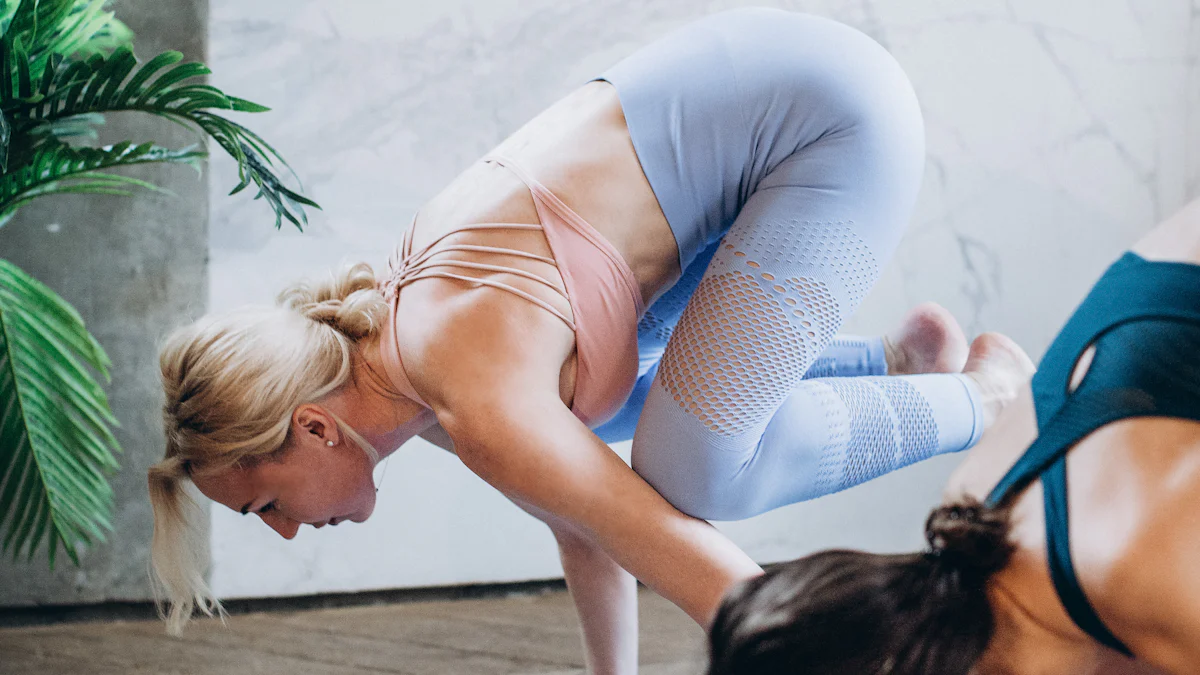
Power Yoga offers a vigorous and dynamic approach to yoga, focusing on strength, flexibility, and stamina. You will find that it stands apart from traditional styles by embracing a faster pace and a fitness-oriented mindset. This practice suits those who seek to enhance their physical fitness while also reaping the mental benefits that yoga provides. With its intense movements and emphasis on breath, Power Yoga can invigorate your body and mind.
Key Takeaways
Power Yoga is a dynamic practice that combines strength, flexibility, and stamina, making it ideal for those seeking a vigorous workout.
Regular practice of Power Yoga enhances muscle strength and endurance, allowing you to perform daily activities with greater ease.
The continuous flow of poses in Power Yoga improves flexibility and range of motion, helping to alleviate tightness and reduce injury risk.
Power Yoga significantly boosts cardiovascular health by elevating your heart rate, contributing to better circulation and overall fitness.
Incorporating Power Yoga into your routine can lead to improved mental clarity, reduced stress, and enhanced emotional well-being.
Beginners are welcome in Power Yoga; the practice adapts to all fitness levels, allowing you to build strength and flexibility over time.
To get started, find a suitable class, invest in a good-quality yoga mat, and approach the practice with an open mind and patience.
What Makes Power Yoga Unique?
The Origins of Power Yoga
Power Yoga emerged in the late 1980s as an adaptation of Ashtanga Yoga. This evolution aimed to attract individuals interested in aerobics and fitness. Teachers like Beryl Bender Birch and Bryan Kest played pivotal roles in popularising this dynamic practice. They designed Power Yoga to strengthen the body while promoting flexibility and stamina. As a result, it gained traction in gyms and fitness studios, appealing to those seeking a vigorous workout.
Key Characteristics of Power Yoga
Power Yoga stands out due to its unique characteristics. It combines traditional yoga poses with a more athletic and physical approach. Here are some key features:
Vigorous Practice: Power Yoga involves a continuous flow of poses that elevate your heart rate.
Fluid Movements: The practice encourages smooth transitions between poses, creating a seamless experience.
Breath Integration: You link your movements with specific breathing patterns, enhancing focus and mindfulness.
Strength and Endurance: This style emphasises building muscle strength and stamina, making it a comprehensive workout.
These elements contribute to a high-energy environment that fosters both physical and mental well-being.
Comparison with Other Yoga Styles
When comparing Power Yoga to other styles, you notice distinct differences. Traditional yoga often emphasises relaxation and meditation, while Power Yoga prioritises physical fitness.
Ashtanga Yoga: Power Yoga draws inspiration from Ashtanga but offers more flexibility in sequencing and pacing.
Vinyasa Yoga: Like Vinyasa, Power Yoga focuses on flow, yet it incorporates a more intense workout.
Hatha Yoga: Hatha typically involves slower-paced sessions, whereas Power Yoga challenges you with vigorous movements.
The Physical Benefits of Power Yoga
Building Strength and Endurance
Power Yoga significantly enhances your strength and endurance. The dynamic movements challenge your muscles, promoting growth and resilience. Regular practice leads to increased muscle strength, as evidenced by studies showing improvements in individuals with various health conditions. For instance, a study from 2016 found that participants with Parkinson’s disease experienced reduced rigidity and increased muscle power through consistent Power Yoga sessions. This style of yoga not only builds physical strength but also boosts your stamina, allowing you to perform daily activities with greater ease.
Enhancing Flexibility
Flexibility is another key benefit of Power Yoga. The continuous flow of poses encourages your body to stretch and lengthen. As you progress through the sequences, you will notice improvements in your range of motion. This practice helps to alleviate tightness in muscles and joints, making everyday movements more comfortable. Many practitioners report feeling more agile and less prone to injuries. The holistic approach of Power Yoga contributes to overall flexibility, making it an excellent choice for those looking to enhance their physical capabilities.
Improving Cardiovascular Health
Power Yoga also plays a vital role in improving cardiovascular health. The vigorous nature of the practice elevates your heart rate, providing an effective workout for your heart. Research indicates that regular sessions can lead to increased cardiovascular fitness and normalisation of blood pressure. Engaging in Power Yoga not only strengthens your heart but also promotes better circulation throughout your body. This combination of benefits contributes to overall health improvement, making Power Yoga a valuable addition to your fitness routine.
The Mental and Emotional Benefits of Power Yoga
Stress Relief and Mindfulness
Power Yoga serves as an effective tool for stress relief. The combination of physical movement and focused breathing helps you release tension and calm your mind. Engaging in this practice reduces stress hormones, leading to a more relaxed state. Research indicates that regular Power Yoga practice enhances sleep quality and strengthens your immune system. You may find that the rhythmic flow of poses encourages mindfulness, allowing you to stay present in the moment.
Incorporating Power Yoga into your routine can significantly improve your mental clarity. As you concentrate on your breath and movements, you shift your focus away from daily worries. This shift fosters a sense of peace and tranquillity. Many practitioners report feeling less anxious and more centred after their sessions. The benefits extend beyond the mat, positively impacting your overall well-being.
Boosting Confidence and Self-Esteem
Power Yoga also plays a crucial role in boosting your confidence and self-esteem. As you progress through challenging poses, you develop a sense of accomplishment. Each successful transition and hold reinforces your belief in your abilities. This practice encourages you to push your limits, fostering resilience and determination.
Moreover, the physical strength you build translates into mental strength. You learn to trust your body and its capabilities. This newfound confidence often spills over into other areas of your life. You may notice improvements in how you approach challenges, both on and off the mat.
Studies show that yoga, including Power Yoga, decreases feelings of anxiety and depression. Regular practice cultivates a positive mindset, enhancing your overall outlook on life. You may find yourself feeling happier and more fulfilled as you embrace the transformative effects of Power Yoga.
Typical Power Yoga Class Structure
Warm-Up and Preparation
Every Power Yoga class begins with a warm-up. This phase prepares your body for the dynamic movements ahead. You will typically start with gentle stretches and breathing exercises. These help to increase blood flow and loosen your muscles. Engaging in these preparatory movements reduces the risk of injury during the more intense sequences.
In this stage, you may also focus on your breath. Deep inhalations and exhalations set a calming tone for the practice. You will find that connecting with your breath enhances your overall experience.
Flow Sequences and Poses
The heart of Power Yoga lies in its flow sequences. You will move through a series of poses in a continuous, flowing manner. This dynamic practice elevates your heart rate and builds strength. Each pose transitions smoothly into the next, creating a rhythm that keeps you engaged.
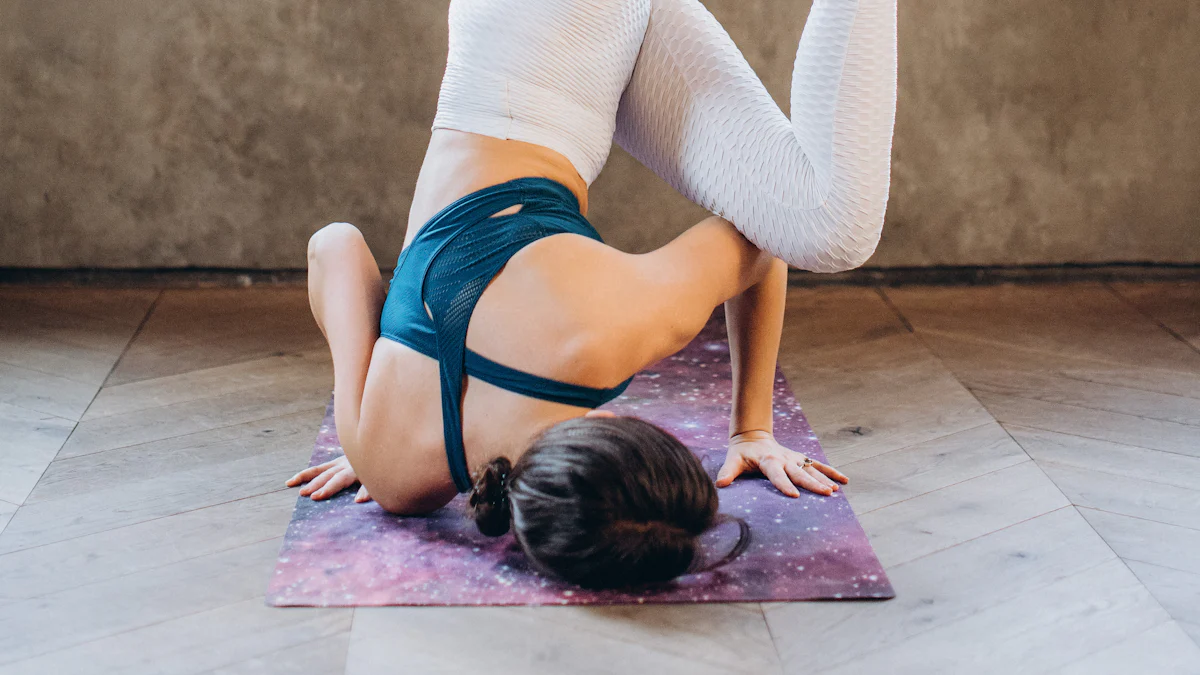
Expect to encounter a variety of postures, including standing poses, balances, and inversions. The emphasis on standing postures helps to strengthen your legs and core. As you flow through these movements, you will notice improvements in your stamina and flexibility.
Power Yoga classes often incorporate creative sequences. Instructors may design unique flows that challenge you while keeping the practice enjoyable. This variety prevents monotony and encourages you to explore your physical limits.
Cool Down and Relaxation
After an intense session, the cool down is essential. This phase allows your body to transition from vigorous movement to a state of relaxation. You will typically perform gentle stretches and restorative poses. These help to release any tension built up during the class.
During the cool down, focus on your breath once again. Deep, calming breaths promote relaxation and mindfulness. You may also engage in a short meditation or savasana (corpse pose) to fully absorb the benefits of your practice.
This final stage not only aids recovery but also enhances your mental clarity. You will leave the class feeling rejuvenated and centred, ready to tackle the rest of your day.
How to Get Started with Power Yoga
Finding the Right Class
Starting your Power Yoga journey begins with selecting the right class. Look for classes that cater to beginners. Many studios offer introductory sessions designed to ease you into the practice. You should also consider the instructor's experience and teaching style. A knowledgeable instructor can guide you through the basics and ensure you perform poses correctly.
When searching for a class, check online reviews or ask friends for recommendations. Attending a few trial classes can help you find the right fit. Remember, the atmosphere of the studio matters. Choose a space where you feel comfortable and motivated.
Essential Equipment and Attire
You do not need much equipment to start Power Yoga. A good-quality yoga mat is essential. It provides grip and cushioning during your practice. Look for mats that are non-slip and thick enough to support your joints.
In terms of attire, wear comfortable clothing that allows for movement. Opt for breathable fabrics that wick away sweat. Avoid overly loose clothing, as it may hinder your movements.
Here’s a quick list of essential items:
Yoga Mat: Provides stability and comfort.
Water Bottle: Stay hydrated during your practice.
Towel: Useful for wiping sweat and maintaining grip.
Comfortable Clothing: Choose items that allow freedom of movement.
Tips for Beginners
As a beginner, approach Power Yoga with an open mind. Start with basic movements and gradually advance at your own pace. Instructors often encourage beginners to listen to their bodies. If a pose feels too challenging, modify it or take a break.
Focus on your breath throughout the practice. Deep, controlled breathing enhances your performance and helps you stay centred.
Here are some additional tips to enhance your experience:
Arrive Early: Give yourself time to settle in and prepare mentally.
Stay Hydrated: Drink water before and after class to maintain hydration.
Practice Regularly: Consistency is key to improvement. Aim for at least two classes a week.
Embrace the Journey: Progress takes time. Celebrate small achievements along the way.
By following these guidelines, you will set a solid foundation for your Power Yoga practice. Enjoy the journey and embrace the benefits that come with it.
Common Misconceptions about Power Yoga
Power Yoga is Only for the Fit
Many people believe that Power Yoga caters solely to those who are already fit. This misconception can discourage beginners from trying it. In reality, Power Yoga welcomes practitioners of all fitness levels. You do not need to be in peak condition to start. The practice allows you to build strength and endurance over time.
Consider this: an individual recovering from a back injury found Power Yoga to be the perfect solution. They needed a workout that would challenge them while being gentle on their body. Power Yoga provided that balance, helping them regain strength without exacerbating their injury. You can also experience similar benefits, regardless of your current fitness level.
It’s Just a Workout, Not Real Yoga
Another common belief is that Power Yoga lacks the spiritual and meditative aspects of traditional yoga. Some view it merely as a workout. However, Power Yoga integrates breathwork and mindfulness into its practice. You will find that focusing on your breath enhances your connection to the movements.
The rhythmic flow of poses encourages you to stay present. This aspect of Power Yoga fosters mental clarity and emotional balance. Many practitioners report feeling a sense of peace after their sessions. Power Yoga is indeed a legitimate form of yoga that nurtures both body and mind.
You Need to Be Flexible to Start
Some individuals think they must be flexible before trying Power Yoga. This notion can prevent many from stepping onto the mat. Flexibility develops with consistent practice. You will notice improvements in your range of motion as you progress through the poses.
Remember: every expert was once a beginner. Many practitioners start with limited flexibility and gradually enhance their abilities. The key lies in patience and persistence. You do not need to be flexible to begin your Power Yoga journey; just bring your willingness to learn and grow.
Power Yoga provides a unique blend of physical and mental benefits that enhance your overall well-being. This dynamic practice challenges you while promoting strength, flexibility, and cardiovascular health. You will find that Power Yoga not only supports weight loss but also reduces stress and boosts your immune system. Embrace the opportunity to try Power Yoga and experience its transformative effects firsthand. You may discover a renewed sense of vitality and a deeper connection between your body and mind.
FAQ
What Is Power Yoga?
Power Yoga embodies a holistic approach to physical fitness. It integrates both strengthening and lengthening poses. This balanced combination promotes improved posture and enhances body awareness. You will find that it contributes to overall stability and balance.
Can Beginners Practice Power Yoga?
Absolutely! Beginners can practice Power Yoga, as it adapts to different fitness levels. You can modify poses based on your abilities. Gradually increasing the intensity of your practice over time helps you build strength and confidence.
How Does Power Yoga Differ from Traditional Yoga?
Power Yoga differs from traditional yoga by focusing on a vigorous workout. While traditional styles often emphasise relaxation and meditation, Power Yoga prioritises physical fitness. You will engage in dynamic movements that elevate your heart rate and challenge your muscles.
What Should I Expect in a Power Yoga Class?
In a Power Yoga class, expect a mix of warm-up, flow sequences, and cool down. You will start with gentle stretches to prepare your body. Then, you will move through a series of poses in a continuous flow. Finally, the class ends with relaxation to absorb the benefits of your practice.
Do I Need to Be Flexible to Start Power Yoga?
You do not need to be flexible to start Power Yoga. Many practitioners begin with limited flexibility and improve over time. The practice encourages gradual progress, so patience and persistence are key.
What Are the Key Benefits of Power Yoga?
Power Yoga offers numerous benefits, including:
Increased Strength: You will build muscle strength and endurance.
Enhanced Flexibility: The continuous flow of poses improves your range of motion.
Improved Cardiovascular Health: The vigorous nature of the practice elevates your heart rate.
How Often Should I Practice Power Yoga?
Aim to practice Power Yoga at least two times a week. Consistency is crucial for improvement. Regular practice helps you build strength, flexibility, and mental clarity.
Can Power Yoga Help with Stress Relief?
Yes, Power Yoga serves as an effective tool for stress relief. The combination of physical movement and focused breathing helps you release tension. Engaging in this practice can lead to a more relaxed state and improved mental clarity.
What Equipment Do I Need for Power Yoga?
You need minimal equipment to start Power Yoga. A good-quality yoga mat is essential for grip and cushioning. Comfortable clothing that allows for movement is also important. Consider bringing a water bottle and towel to stay hydrated during your practice.
Is Power Yoga Suitable for Everyone?
Power Yoga is suitable for individuals of all fitness levels. Whether you are a beginner or an experienced practitioner, you can adapt the practice to meet your needs. The focus on strength and flexibility makes it accessible and beneficial for everyone.
See Also
Exploring Various Yoga Poses And Their Advantages
Uncovering The Wellness Benefits Of Practising Yoga
Exploring The Essentials Of Hot Yoga Practices

Hi my name is Lia and i am your host in this yoga journey in Portugal, Subscribe to our newsletter to receive every week the best of Yoga in Portugal.

We bring back the importance of initiation into womanhood by Roos-Veerle Krijnen & Ella-June Henrard
Welcome to the Women’s Initiation Retreat by Naked Truth Retreats, a transformative journey into the depths of your True Feminine Nature. This retreat invites you to remember the sacredness and wholeness of your being.
Roos-Veerle Krijnen & Ella-June Henrard