Understanding Moksha in the Practice of Yoga

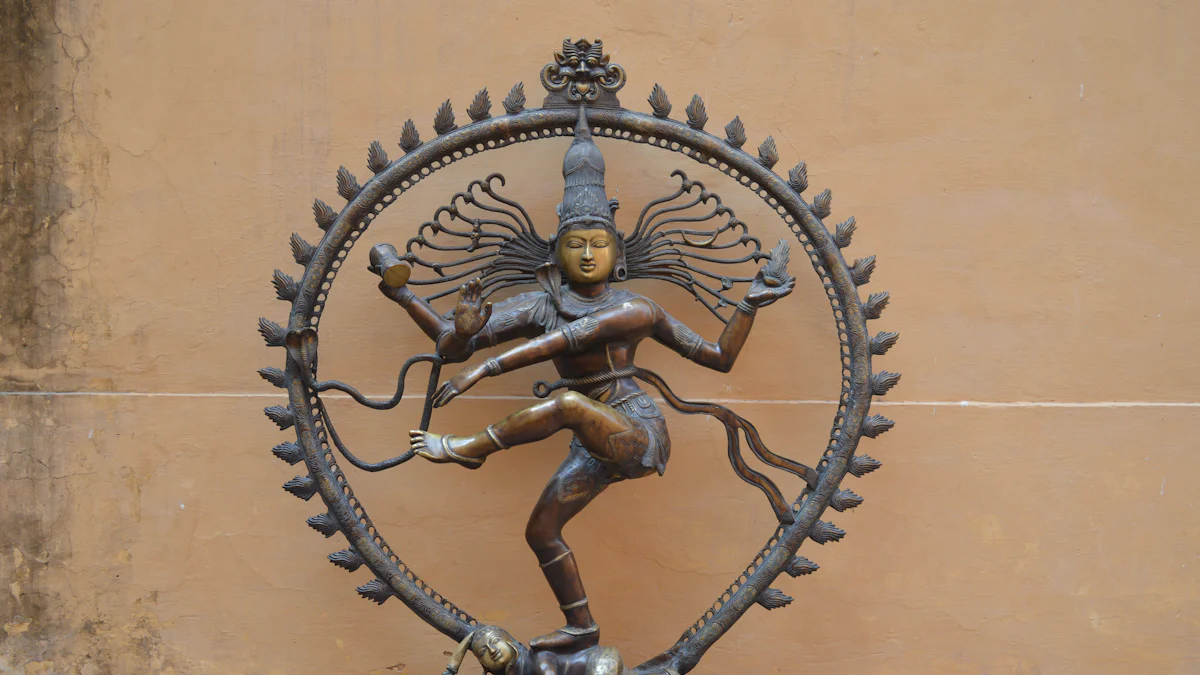
Moksha yoga represents the ultimate goal of spiritual practice, signifying liberation from the cycle of birth and death. In the context of yoga, understanding moksha is crucial for your journey toward self-realization. This profound concept not only enhances your practice but also transforms your life. By embracing moksha yoga, you unlock a deeper sense of purpose and meaning, guiding you toward emotional well-being and personal growth.
Key Takeaways
Moksha represents liberation from the cycle of birth and death, guiding you toward self-realization and inner peace.
Engaging in various yoga practices, such as Karma, Bhakti, and Jnana Yoga, can deepen your understanding and experience of moksha.
Incorporate meditation techniques like focused breathing and loving-kindness to enhance your journey toward moksha.
Practice mindfulness in daily activities to cultivate awareness and live in the present moment, supporting your path to liberation.
Integrate yogic principles like non-violence and truthfulness into your life to align your actions with the teachings of moksha yoga.
Recognize that achieving moksha is a gradual process that requires dedication, self-reflection, and consistent practice.
Embrace the journey toward moksha as a transformative experience that not only benefits you but also inspires positive change in those around you.
What is Moksha?
Historical Context of Moksha
Moksha has deep roots in Hindu philosophy. It signifies liberation from the cycle of birth and rebirth, known as samsara. This concept has guided spiritual seekers for centuries. Ancient texts describe moksha as the ultimate goal of human existence. Many believe that achieving moksha leads to a state of perfection. You can trace the evolution of this idea through various scriptures, including the Upanishads and the Bhagavad Gita. These texts emphasize the importance of understanding one's true self to attain liberation.
Philosophical Significance of Moksha
Moksha holds profound philosophical significance. It represents not just freedom from suffering but also the realization of your true nature. In yoga, moksha transcends physical practice. It offers a spiritual path toward self-realization. You can view moksha as the culmination of your spiritual journey. It encourages you to explore the depths of your consciousness. By understanding moksha, you can cultivate inner peace and harmony. This journey often involves recognizing the impact of past karma on your current life.
Moksha in Different Traditions
While moksha is central to Hinduism, other traditions also embrace similar concepts. Buddhism speaks of Nirvana, a state of liberation from suffering. Jainism offers its own interpretation, focusing on the soul's purification. Each tradition presents unique paths to liberation. However, they all share the common goal of freeing the soul from the cycle of rebirth. Understanding these diverse perspectives enriches your practice of moksha yoga. You can draw inspiration from various teachings to enhance your spiritual journey.
The Role of Yoga in Achieving Moksha

Yoga as a Path to Liberation
Yoga serves as a powerful path to liberation. It guides you toward understanding your true nature and breaking free from the illusions of the material world. Through consistent practice, you can reduce the modulations of your mind. This reduction leads to better concentration and a profound sense of joy. As you engage in yoga, you begin to perceive beyond the distractions of daily life. You experience a feeling of oneness with the universe.
Moksha yoga embodies this journey toward freedom. It represents the ultimate goal of human existence. By embracing moksha yoga, you embark on a transformative journey. This journey not only enhances your physical practice but also elevates your spiritual awareness. You cultivate inner peace and harmony, essential components for achieving liberation.
Different Yoga Practices and Their Impact on Moksha
Various yoga practices contribute uniquely to your quest for moksha. Each practice offers distinct benefits that can deepen your understanding and experience of liberation. Here are some key practices to consider:
Karma Yoga: This path emphasizes selfless action. By focusing on your duties without attachment to the results, you cultivate a sense of purpose. This practice helps you transcend the ego and connect with a higher state of consciousness.
Bhakti Yoga: This path centers on devotion and love for the divine. Engaging in devotional practices fosters a deep emotional connection with a higher power. This connection can lead to profound experiences of unity and liberation.
Jnana Yoga: This path focuses on knowledge and wisdom. Through study and contemplation, you gain insights into the nature of reality. This understanding helps you break free from ignorance and realize your true self.
Raja Yoga: This comprehensive approach combines physical postures, breath control, and meditation. It provides a holistic framework for personal growth. As you practice Raja Yoga, you develop discipline and clarity, essential for achieving moksha.
Hatha Yoga: This practice emphasizes physical alignment and breath control. By mastering your body, you create a solid foundation for deeper spiritual exploration. Hatha Yoga prepares you for meditation, allowing you to experience stillness and inner peace.
Each of these practices plays a vital role in your journey toward moksha. They help you cultivate awareness, reduce suffering, and foster a sense of connection with the universe. As you explore these paths, you will find that moksha yoga is not just a destination but a continuous journey of self-discovery and liberation.
The Connection Between Moksha and Self-Realization
Understanding the Self in Yoga
In yoga, understanding the self is a transformative journey. You begin to recognize that you are more than your physical body and mind. This realization opens the door to deeper insights about your true nature. Moksha yoga encourages you to break free from limiting beliefs. It invites you to explore the essence of who you are beyond the material world.
As you practice yoga, you cultivate awareness of your thoughts and emotions. This awareness helps you dissolve the ego-consciousness that often clouds your perception. You start to see the interconnectedness of all life. This shift in consciousness leads to a profound sense of freedom. You realize that true liberation comes from within.
Moksha represents a state of eternal bliss and purpose. It guides you toward a life filled with meaning. By embracing this path, you align yourself with the ultimate goal of yoga. You embark on a journey that transcends the ordinary, leading to self-realization and spiritual awakening.
The Journey Towards Self-Realization
The journey toward self-realization unfolds gradually. It requires patience, dedication, and an open heart. You may encounter challenges along the way, but each obstacle serves as a lesson. Embrace these moments as opportunities for growth.
Self-Reflection: Start by engaging in self-reflection. Ask yourself deep questions about your beliefs, desires, and fears. This process helps you uncover the layers of your identity.
Meditation: Incorporate meditation into your daily routine. This practice allows you to quiet the mind and connect with your inner self. As you meditate, you may experience moments of clarity and insight.
Mindfulness: Practice mindfulness in your everyday activities. Being present in the moment enhances your awareness. You begin to notice the beauty in simple experiences.
Study Yogic Philosophy: Explore the teachings of yogic philosophy. Understanding concepts like moksha deepens your spiritual practice. It provides a framework for your journey toward liberation.
Seek Guidance: Consider seeking guidance from experienced teachers or mentors. Their wisdom can illuminate your path and inspire you to continue your journey.
As you progress, you will find that self-realization is not a destination but a continuous process. Each step brings you closer to understanding your true self. Moksha yoga serves as a guiding light, illuminating the way toward liberation and fulfillment.
Practical Steps to Attain Moksha Through Yoga
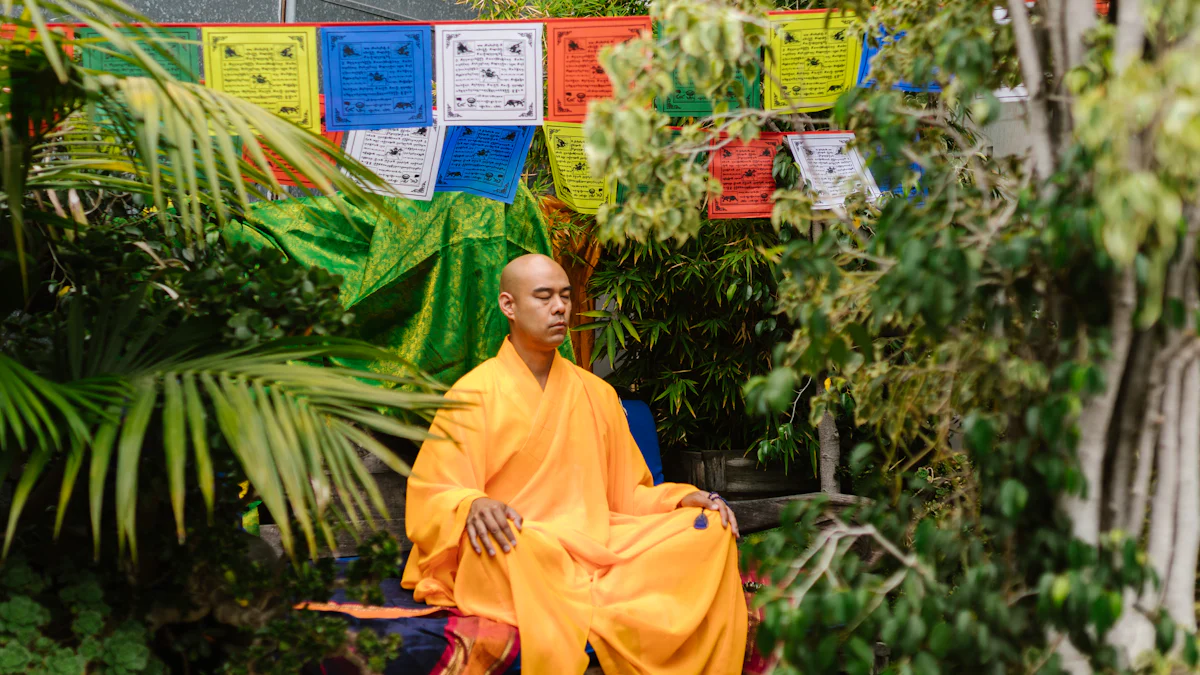
Meditation Techniques for Moksha
Meditation serves as a powerful tool in your journey toward moksha. It helps you quiet the mind and connect with your inner self. Start with simple techniques that you can practice daily. Here are a few effective methods:
Focused Breathing: Sit comfortably and close your eyes. Inhale deeply through your nose, hold for a moment, then exhale slowly through your mouth. Focus solely on your breath. This practice calms your mind and centers your thoughts.
Guided Visualization: Imagine a serene place where you feel safe and at peace. Visualize every detail, from the colors to the sounds. This technique allows you to escape the chaos of daily life and fosters a sense of tranquility.
Mantra Meditation: Choose a word or phrase that resonates with you. Repeat it silently or aloud during your meditation. This repetition helps you focus and creates a calming rhythm, guiding you toward deeper states of awareness.
Loving-Kindness Meditation: Begin by cultivating feelings of love and compassion for yourself. Gradually extend these feelings to others, including friends, family, and even those you find challenging. This practice nurtures emotional well-being and fosters a sense of connection.
By incorporating these meditation techniques into your routine, you can enhance your understanding of moksha yoga. Each session brings you closer to inner peace and liberation.
Mindfulness and Its Role in the Practice
Mindfulness plays a crucial role in your pursuit of moksha. It encourages you to live in the present moment, free from distractions and worries. Practicing mindfulness helps you cultivate awareness of your thoughts and emotions. Here are some ways to integrate mindfulness into your daily life:
Mindful Eating: Pay attention to the flavors, textures, and aromas of your food. Savor each bite and appreciate the nourishment it provides. This practice fosters gratitude and enhances your connection to the present.
Mindful Walking: Take a walk in nature or around your neighborhood. Focus on each step and the sensations in your body. Notice the sights and sounds around you. This practice grounds you in the moment and promotes a sense of peace.
Mindful Listening: When engaging in conversations, listen actively. Give your full attention to the speaker without planning your response. This practice deepens your connections with others and enhances your understanding of their perspectives.
By embracing mindfulness, you create space for self-discovery and growth. This awareness supports your journey toward moksha, allowing you to experience life more fully.
Integrating Yogic Philosophy into Daily Life
Integrating yogic philosophy into your daily life enriches your practice and deepens your understanding of moksha. Here are some practical steps to help you embody these teachings:
Practice Ahimsa (Non-violence): Strive to treat yourself and others with kindness and compassion. This principle fosters harmony and reduces suffering in your life.
Embrace Satya (Truthfulness): Commit to honesty in your thoughts, words, and actions. Living authentically aligns you with your true self and promotes inner peace.
Cultivate Santosha (Contentment): Find joy in the present moment. Appreciate what you have rather than focusing on what you lack. This mindset nurtures gratitude and enhances your overall well-being.
Engage in Seva (Selfless Service): Volunteer your time and skills to help others. Acts of kindness not only benefit those in need but also foster a sense of connection and purpose in your life.
By integrating these principles into your daily routine, you align your actions with the teachings of moksha yoga. This alignment supports your spiritual growth and enhances your journey toward liberation.
Common Misconceptions About Moksha
Misunderstanding Moksha as an Escape
Many people mistakenly view moksha as an escape from reality. They think it means running away from life's challenges or responsibilities. This misconception can lead to a shallow understanding of what moksha truly represents.
Moksha signifies liberation, not avoidance. It involves facing your life with courage and clarity. Instead of fleeing from difficulties, you learn to embrace them. You cultivate resilience and strength through your experiences.
"Moksha is not about escaping life; it’s about transcending it."
This journey requires you to confront your fears and desires. You must engage with the world around you while seeking deeper truths. By doing so, you free yourself from the cycle of birth and rebirth, known as samsara.
The Myth of Instantaneous Liberation
Another common myth surrounds the idea of instantaneous liberation. Some believe that achieving moksha happens in a single moment or through a miraculous event. This notion can create unrealistic expectations and disappointment.
In reality, attaining moksha is a gradual process. It requires dedication, self-reflection, and consistent practice. You must engage in spiritual disciplines like meditation, selfless service, and mindfulness. Each step you take brings you closer to liberation.
Consider the teachings of Vedanta philosophy. They emphasize that moksha involves the dissolution of ego-consciousness. This transformation does not occur overnight. It demands patience and commitment to your spiritual journey.
Self-Reflection: Regularly assess your thoughts and actions. Understand how they align with your pursuit of moksha.
Consistent Practice: Engage in yoga and meditation daily. These practices help you cultivate awareness and inner peace.
Seek Guidance: Learn from experienced teachers. Their insights can illuminate your path and inspire you to stay committed.
By recognizing these misconceptions, you empower yourself on your journey toward moksha. Embrace the process, and remember that true liberation unfolds over time.
The Impact of Moksha on Personal Growth
Moksha and Emotional Well-being
Moksha yoga profoundly influences your emotional well-being. As you embrace this path, you begin to experience a shift in your emotional landscape. You cultivate inner peace and resilience, which helps you navigate life's challenges with grace. Practitioners at the Santoshyoga Institute emphasize that moksha transcends mere physical practice. It offers a spiritual journey toward self-realization and freedom.
When you engage in moksha yoga, you learn to release negative emotions. You let go of anger, fear, and anxiety. This release creates space for positive feelings like joy and compassion. You start to view your emotions as temporary experiences rather than permanent states. This perspective empowers you to respond to situations with clarity and calmness.
"Moksha yoga improves mental and emotional health," says a practitioner. This transformation allows you to connect with your true self and fosters a sense of belonging.
Moksha as a Catalyst for Positive Change
Moksha acts as a catalyst for positive change in your life. As you pursue liberation, you inspire those around you. Your journey encourages others to seek their own paths to self-discovery. You become a beacon of hope and transformation.
Increased Awareness: Moksha yoga enhances your awareness of thoughts and actions. You start to recognize patterns that no longer serve you. This awareness empowers you to make conscious choices that align with your values.
Enhanced Relationships: As you cultivate emotional well-being, your relationships improve. You approach interactions with empathy and understanding. This shift fosters deeper connections with others.
Greater Purpose: Moksha gives your life a renewed sense of purpose. You begin to understand your role in the larger tapestry of existence. This understanding motivates you to contribute positively to your community.
Resilience in Adversity: The journey toward moksha strengthens your resilience. You learn to face challenges with courage. Each obstacle becomes an opportunity for growth and learning.
By embracing moksha, you unlock your potential for personal growth. You transform not only your life but also the lives of those around you. This journey toward liberation becomes a powerful force for positive change.
Moksha yoga represents the ultimate goal of your spiritual journey. It signifies liberation from the cycle of birth and death, guiding you toward self-realization and inner peace. As you explore moksha in your practice, remember that this path is not a destination but an ongoing journey. Embrace each step with an open heart and mind. Your commitment to understanding moksha can transform your life, leading to profound personal growth and emotional well-being.
"The journey toward moksha is as important as the destination itself."
FAQ
What is Moksha?
Moksha represents liberation from the cycle of birth and death, known as samsara. It signifies the ultimate spiritual goal in Hinduism, often linked to union with the divine. In Buddhism, it equates to achieving Nirvana, while Jainism views it as complete freedom from suffering.
How can I attain Moksha?
You can attain moksha through spiritual practices, good deeds, and devotion. Living according to the ideals of dharma enhances your chances. Engaging in yoga, meditation, and selfless service also supports your journey toward liberation.
Is Moksha permanent?
Yes, moksha is permanent. Once you attain it, you enter a final realm that cannot be undone. This state of liberation offers eternal peace and freedom from worldly desires.
Does everyone achieve Moksha?
While anyone can strive for moksha, its attainment depends on your karma. If your good karma outweighs the bad during your lifetime, you increase your chances of achieving liberation.
What role does yoga play in achieving Moksha?
Yoga serves as a powerful path to liberation. It helps you understand your true nature and break free from the illusions of the material world. Through consistent practice, you cultivate inner peace and awareness, essential for attaining moksha.
Can Moksha be achieved in this lifetime?
Yes, moksha can be achieved while you are still alive, a concept known as jivanmukti. This form of liberation allows you to experience freedom from the cycle of rebirth even before death.
What are the different paths to Moksha?
Several paths lead to moksha, including:
Karma Yoga: Focuses on selfless action.
Bhakti Yoga: Centers on devotion to the divine.
Jnana Yoga: Emphasizes knowledge and wisdom.
Raja Yoga: Combines physical postures, breath control, and meditation.
Each path offers unique benefits that can deepen your understanding of liberation.
How does Moksha relate to emotional well-being?
Moksha profoundly influences your emotional health. As you embrace this path, you cultivate inner peace and resilience. You learn to release negative emotions, allowing positive feelings like joy and compassion to flourish.
What are common misconceptions about Moksha?
Many people misunderstand moksha as an escape from reality. In truth, it signifies liberation through facing life's challenges. Another myth is that moksha can be achieved instantly. Attaining it requires dedication and consistent practice over time.
Why is understanding Moksha important for my spiritual journey?
Understanding moksha enriches your spiritual practice. It provides clarity on your ultimate goals and guides you toward self-realization. By embracing this concept, you embark on a transformative journey that leads to profound personal growth and emotional well-being.
See Also
Exploring Svaroopa Yoga: Key Concepts and Definitions
Achieving Tranquility Through Swara Yoga Practices
Exploring the Advantages of Vasi Yoga

Hi my name is Lia and i am your host in this yoga journey in Portugal, Subscribe to our newsletter to receive every week the best of Yoga in Portugal.

We bring back the importance of initiation into womanhood by Roos-Veerle Krijnen & Ella-June Henrard
Welcome to the Women’s Initiation Retreat by Naked Truth Retreats, a transformative journey into the depths of your True Feminine Nature. This retreat invites you to remember the sacredness and wholeness of your being.
Roos-Veerle Krijnen & Ella-June Henrard