Understanding Jnana Yoga: The Path of Knowledge

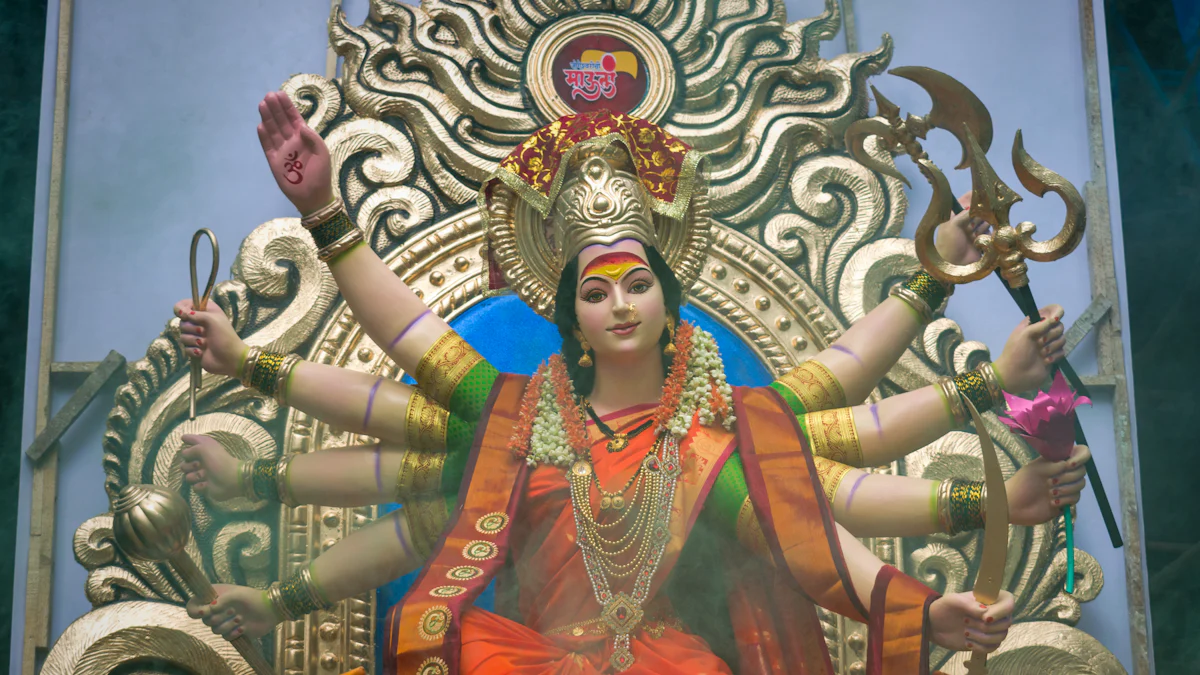
Jnana Yoga, often referred to as the path of knowledge, holds a significant place in Hindu philosophy. This practice invites you to embark on a journey of self-discovery and enlightenment through wisdom. By focusing on understanding the true nature of the self, you can transcend beyond surface thoughts and emotions. Jnana Yoga encourages you to seek deeper truths, guiding you toward spiritual awakening. It emphasizes the importance of knowledge not just as information but as a transformative tool for realizing your connection with the universe.
Defining Jnana Yoga
Historical Background
Origins in Hindu Scriptures
Jnana Yoga, known as the path of knowledge, finds its roots deeply embedded in ancient Hindu scriptures. The Bhagavad Gita, a revered text, describes Jnana Yoga as a means to achieve liberation from suffering. This path emphasizes understanding the unity between Brahman, the ultimate reality, and Atman, the individual self. By exploring these sacred texts, you can uncover the profound teachings that guide you toward self-realization and spiritual enlightenment.
Evolution through Time
Over the centuries, Jnana Yoga has evolved, adapting to the changing needs of spiritual seekers. Adi Shankaracharya, a prominent Hindu philosopher, played a crucial role in consolidating the doctrine of Advaita Vedanta, which is closely associated with Jnana Yoga. His teachings emphasized non-duality and the interconnectedness of all existence. As you delve into the history of Jnana Yoga, you will discover how it has shaped and been shaped by various philosophical movements, enriching its practice and understanding.
Core Concepts
The Role of Knowledge
In Jnana Yoga, knowledge serves as a transformative tool for spiritual liberation. This path encourages you to engage in a comprehensive study of the self, seeking self-knowledge and self-realization. Unlike mere intellectual knowledge, Jnana Yoga focuses on wisdom and understanding as keys to unlocking the mysteries of existence. By embracing this approach, you can transcend beyond superficial thoughts and emotions, gaining insight into the true nature of reality.
Distinction from Other Yoga Paths
While many yoga paths emphasize physical postures or devotional practices, Jnana Yoga stands apart with its focus on knowledge and wisdom. This path invites you to embark on a journey of self-inquiry, questioning the nature of reality and your place within it. By prioritizing understanding over ritual, Jnana Yoga offers a unique approach to spiritual growth. As you explore this path, you will find that it complements other yoga practices, providing a holistic framework for achieving enlightenment.
Principles of Jnana Yoga
The Four Pillars
In Jnana Yoga, the journey to self-realization rests on four foundational pillars. These principles guide you toward a deeper understanding of your true nature.
Viveka (Discernment)
Viveka, or discernment, involves the ability to distinguish between what is real and what is unreal. In Jnana Yoga, you cultivate this skill by questioning the nature of reality. You learn to see beyond illusions and recognize the eternal truth. This discernment becomes a vital tool in your quest for knowledge and enlightenment.
Vairagya (Dispassion)
Vairagya, or dispassion, encourages you to detach from worldly desires and distractions. By practicing dispassion, you free yourself from attachments that cloud your judgment. Jnana Yoga teaches you to focus on the pursuit of wisdom and self-knowledge, rather than temporary pleasures. This detachment allows you to remain centered and clear-minded on your spiritual path.
Shatsampat (Six Virtues)
Shatsampat refers to the six virtues essential for spiritual growth in Jnana Yoga. These virtues include:
Shama: Calmness of mind
Dama: Control of the senses
Uparati: Renunciation of activities that distract from spiritual goals
Titiksha: Endurance and patience
Shraddha: Faith in the teachings and the path
Samadhana: Concentration and focus
By cultivating these virtues, you strengthen your resolve and deepen your understanding of the self.
Mumukshutva (Desire for Liberation)
Mumukshutva represents the intense longing for liberation from ignorance and suffering. In Jnana Yoga, this desire fuels your commitment to self-inquiry and spiritual practice. You strive to uncover the truth of your existence and achieve unity with the ultimate reality. This yearning for liberation propels you forward on your path to enlightenment.
The Process of Self-Inquiry
Jnana Yoga emphasizes a profound process of self-inquiry, guiding you to explore the depths of your consciousness.
Questioning the Nature of Reality
Self-inquiry begins with questioning the nature of reality. You examine your beliefs, perceptions, and assumptions about the world. Jnana Yoga encourages you to challenge superficial appearances and seek the underlying truth. Through this exploration, you gain insight into the interconnectedness of all existence.
Understanding the Self
Understanding the self is at the heart of Jnana Yoga. You delve into the essence of who you are, beyond thoughts and emotions. This practice involves using the mind to uncover the truth behind the mind itself. By realizing the unity between Brahman and Atman, you attain self-knowledge and self-realization. This understanding transforms your perception of reality and leads you to spiritual awakening.
Practices in Jnana Yoga

Meditation Techniques
Meditation plays a crucial role in Jnana Yoga, guiding you toward self-realization and wisdom. By engaging in meditation, you cultivate mental clarity and emotional stability, essential for spiritual liberation.
Contemplation and Reflection
Contemplation involves deep thinking about the nature of reality and your place within it. You focus your mind on profound questions, seeking to understand the essence of existence. Reflection allows you to examine your thoughts and beliefs, encouraging a deeper awareness of your true self. This practice helps you raise the quality of your thoughts, leading to self-improvement and enlightenment.
Guided Self-Inquiry
Guided self-inquiry involves a structured approach to exploring your consciousness. You ask yourself questions that challenge your perceptions and assumptions. This method encourages you to look beyond surface appearances and discover the underlying truth. Through guided self-inquiry, you develop a strong will to intuitively experience the Self and Reality, fostering a deeper connection with your inner wisdom.
Study of Sacred Texts
The study of sacred texts forms a foundational aspect of Jnana Yoga. These texts provide valuable insights and teachings that guide you on your path to self-knowledge and spiritual growth.
Importance of the Upanishads
The Upanishads hold a special place in Jnana Yoga. These ancient scriptures offer profound teachings on the nature of the Self and the universe. By studying the Upanishads, you gain a deeper understanding of the interconnectedness of all existence. These texts encourage you to explore the depths of your consciousness, leading to self-realization and liberation from suffering.
Role of a Guru or Teacher
A guru or teacher plays a vital role in your journey through Jnana Yoga. They provide guidance and support, helping you navigate the complexities of self-inquiry and meditation. A guru offers wisdom and insight, assisting you in overcoming obstacles and deepening your understanding of the Self. With their guidance, you can achieve greater clarity and focus, enhancing your spiritual practice and growth.
Benefits of Jnana Yoga
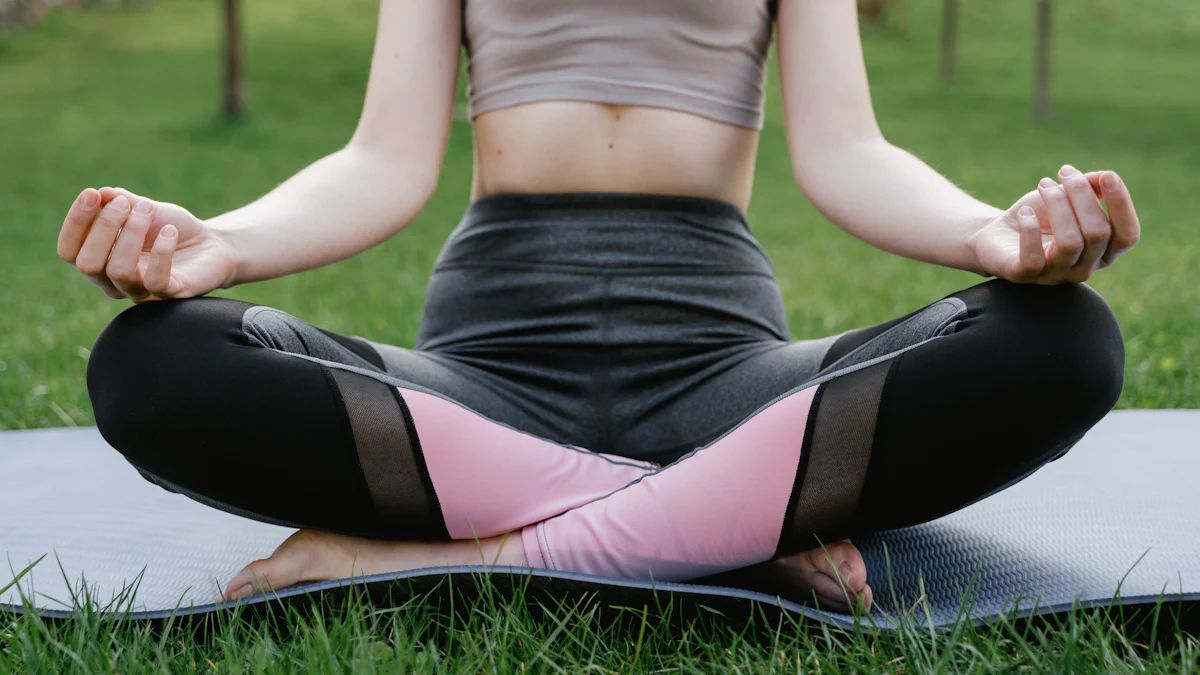
Spiritual Enlightenment
Achieving Self-Realization
Jnana Yoga guides you toward self-realization by encouraging deep introspection and understanding of your true nature. This path helps you peel away layers of ignorance and illusion, revealing the essence of who you are. By engaging in self-inquiry and meditation, you gain clarity about your identity beyond the physical and mental realms. This realization transforms your perception of life, allowing you to experience a profound connection with the universe.
Liberation from Ignorance
Ignorance often binds you to a limited understanding of reality. Jnana Yoga offers a way to liberate yourself from this ignorance. Through the study of sacred texts and guidance from a guru, you learn to discern truth from illusion. This knowledge empowers you to break free from misconceptions and false beliefs. As you embrace wisdom, you find liberation from the constraints of ignorance, leading to a more enlightened existence.
Personal Growth
Enhanced Clarity and Insight
Practicing Jnana Yoga enhances your clarity and insight. By focusing on self-knowledge, you develop a sharper mind and a deeper understanding of the world around you. This path encourages you to question assumptions and explore new perspectives. As a result, you gain valuable insights that enrich your personal and spiritual growth. Your ability to see beyond surface appearances improves, allowing you to make more informed decisions in life.
Development of Inner Peace
Inner peace becomes attainable through the practice of Jnana Yoga. By detaching from worldly desires and focusing on self-realization, you cultivate a sense of calm and tranquility. This path teaches you to remain centered amidst life's challenges, fostering resilience and emotional stability. As you progress on your journey, you experience a profound sense of peace that permeates every aspect of your being. This inner harmony enhances your overall well-being and quality of life.
Testimonial: "For those that are ultimate truth seekers with a sharp and enquiring mind, Jnana yoga will fit perfectly. Whilst not an easy path by any means, it certainly has its benefits, the main one being - a Jnana yogi in recovery from addiction is less susceptible to addiction relapse."
Challenges and Misconceptions
Common Misunderstandings
Misinterpretation of Knowledge
In Jnana Yoga, knowledge serves as a tool for spiritual liberation. However, many people misunderstand this concept. They often equate knowledge with mere accumulation of information. This path requires you to seek experiential understanding, not just intellectual comprehension. You must delve deep into the nature of the Self, using your mind to uncover truths beyond surface thoughts and emotions. Simply accepting dogmatic teachings is not enough. You need to engage in a profound process of self-inquiry to truly grasp the essence of existence.
Overemphasis on Intellectualism
Another common misconception involves overemphasizing intellectualism. Jnana Yoga is not about becoming an intellectual giant. It is about realizing the unity between Brahman and Atman. This path encourages you to move beyond intellect, requiring your mind to be both rational and open. You must balance your quest for knowledge with an openness to experience the divine. By doing so, you can transcend beyond mere intellectual pursuits and achieve spiritual enlightenment.
Overcoming Obstacles
Balancing Knowledge with Experience
To overcome obstacles in Jnana Yoga, you must balance knowledge with experience. Engage in practices that allow you to apply your understanding in real-life situations. Meditation and self-inquiry help you integrate knowledge into your daily life. By doing so, you gain a deeper awareness of your true self. This balance enables you to transform theoretical knowledge into practical wisdom, enriching your spiritual journey.
Maintaining Humility and Openness
Maintaining humility and openness is crucial in Jnana Yoga. As you gain knowledge, remember that true wisdom comes from recognizing the limits of your understanding. Stay open to new insights and experiences. Acknowledge that the path to enlightenment is a continuous journey. By embracing humility, you remain receptive to learning and growth. This attitude fosters a deeper connection with your inner wisdom, guiding you toward spiritual liberation.
Jnana Yoga stands as a profound path to spiritual enlightenment. By engaging in self-inquiry and meditation, you uncover the truth of your existence. This practice encourages you to explore the depths of your consciousness, leading to self-realization and liberation from ignorance. Integrating the principles of Jnana Yoga into your daily life can transform your understanding of reality. Embrace this journey of knowledge and wisdom. Allow it to guide you toward a deeper connection with the universe and your true self.

Hi my name is Lia and i am your host in this yoga journey in Portugal, Subscribe to our newsletter to receive every week the best of Yoga in Portugal.

We bring back the importance of initiation into womanhood by Roos-Veerle Krijnen & Ella-June Henrard
Welcome to the Women’s Initiation Retreat by Naked Truth Retreats, a transformative journey into the depths of your True Feminine Nature. This retreat invites you to remember the sacredness and wholeness of your being.
Roos-Veerle Krijnen & Ella-June Henrard